
Why Do Cats Whip Their Heads When Playing? Unraveling the Feline Head-Whip Mystery
The rapid head whips cats exhibit during playtime are primarily driven by a combination of instinctual hunting behaviors and the need to reposition prey for optimal biting or clawing. This behavior ensures a secure grip and efficient dispatch.

Introduction: More Than Just Playtime Antics
Cats, despite their domesticated lives, retain a strong connection to their ancestral hunting instincts. Observing your feline companion stalk, pounce, and bat at toys offers a glimpse into this innate drive. One particularly fascinating behavior is the head whip, a quick, forceful movement often seen during play. Why do cats whip their heads when playing? This article delves into the underlying reasons, exploring the evolutionary origins, biomechanical advantages, and potential variations in this captivating feline action.
The Evolutionary Roots of Head Whipping
The cat’s hunting strategy is built on precision and efficiency. In the wild, a successful hunt means survival.
- Prey Immobilization: Head whipping is a technique designed to disorient or subdue prey, particularly small rodents or birds.
- Spinal Cord Damage: The forceful action aims to damage the prey’s spinal cord, quickly incapacitating it.
- Securing the Kill: Preventing the prey from escaping is crucial, and head whipping helps maintain a firm grip.
This behavior is deeply ingrained, passed down through generations of feline hunters. Even well-fed house cats retain these instincts, manifesting them during play with toys.
The Biomechanics of the Head Whip
The speed and power behind a cat’s head whip are remarkable. Several factors contribute to this ability:
- Flexible Neck Muscles: Cats possess highly flexible neck muscles, allowing for a wide range of motion and rapid acceleration.
- Powerful Jaw Muscles: Strong jaw muscles ensure a secure grip on the “prey” during the whipping motion.
- Coordination: The precise coordination between neck and jaw muscles allows for controlled and effective head whips.
This combination of anatomical features allows cats to execute head whips with surprising force, even when dealing with relatively small toys.
The Play-Hunt Continuum
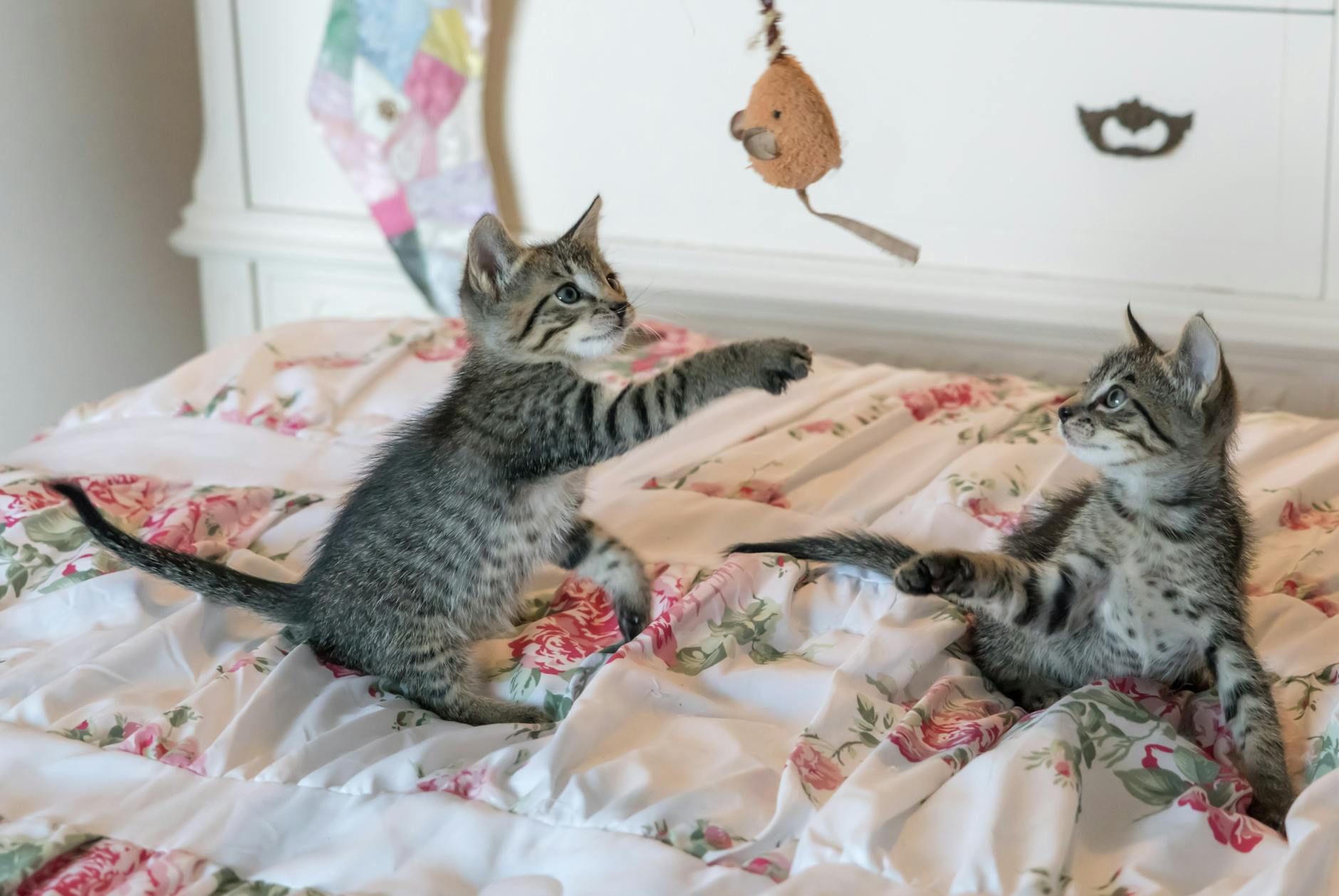
For domestic cats, playing often mimics hunting. Toys become substitutes for live prey, triggering the same instinctual behaviors.
- Stalking: The cat carefully approaches the toy, mimicking the initial stages of a hunt.
- Pouncing: A sudden burst of speed culminates in a pounce, mirroring the attack on live prey.
- Head Whipping: Once “captured,” the toy is subjected to head whipping, fulfilling the final stage of the hunting sequence.
This play-hunt continuum highlights the importance of understanding feline behavior. By providing opportunities for cats to engage in these natural activities, we can help them maintain their physical and mental well-being.
Common Misconceptions About Head Whipping
It’s important to distinguish between playful head whipping and other potential causes of head movements in cats.
| Misconception | Reality |
|---|---|
| :———————————————— | :—————————————————————————————————– |
| Head whipping always indicates aggression. | While forceful, it’s usually part of play. Look at the overall context and body language. |
| It’s a sign of a neurological problem. | Usually not, but excessive or unusual head movements warrant veterinary attention. |
| All cats head whip with the same intensity. | Individual variation exists. Some cats are more enthusiastic hunters than others. |
Providing Appropriate Toys for Play
Selecting the right toys can help channel a cat’s hunting instincts in a safe and productive way.
- Prey-Like Toys: Toys that resemble small animals (mice, birds) are often highly stimulating.
- Variety: Offering a range of toys keeps cats engaged and prevents boredom.
- Interactive Play: Playing with your cat using wands or laser pointers provides opportunities for stalking, pouncing, and head whipping.
Ultimately, understanding why do cats whip their heads when playing? allows owners to provide the best possible environment and enrichment for their feline companions.
FAQs: Understanding Feline Head Whipping
Why do cats whip their heads when playing, specifically with toys?
Cats whip their heads during play to mimic the final, critical steps of a hunt, where they incapacitate and dispatch their prey. This instinctual behavior is triggered by the movement and texture of the toy, satisfying their innate predatory drive.
Is head whipping a sign that my cat is being aggressive during playtime?
While forceful, head whipping is generally part of playful behavior rather than true aggression. Observe your cat’s overall body language: relaxed posture, playful vocalizations, and non-extended claws suggest a playful interaction. If your cat hisses, growls, or displays other signs of aggression, playtime should be stopped immediately.
Should I be concerned if my cat doesn’t head whip while playing?
Not all cats exhibit the same intensity when playing. Some cats may prefer to stalk and pounce without engaging in head whipping. As long as your cat is actively participating and enjoying the play session, the absence of head whipping is not necessarily a cause for concern. Individual variation is normal.
What kind of toys are best for cats who enjoy head whipping?
Toys that resemble small prey animals, such as mice, birds, or insects, are often highly stimulating for cats who enjoy head whipping. Small stuffed animals, feather wands, and even crumpled paper can provide opportunities for this behavior. The key is to choose toys that are safe and durable and that encourage your cat to engage their hunting instincts.
Could head whipping cause any injuries to my cat?
In general, head whipping during play is unlikely to cause injuries to a cat. However, it’s important to ensure that the toys are safe and free of small parts that could be swallowed or pose a choking hazard. Also, make sure the play area is clear of any obstacles that your cat could run into during their enthusiastic play.
Is there a way to reduce or redirect head whipping if I find it concerning?
Instead of stopping the behavior completely, try redirecting your cat’s energy by offering them an alternative, such as a puzzle toy filled with treats or a scratching post. You can also try using a laser pointer to guide their movements and tire them out before they start head whipping.
Does head whipping serve any purpose other than mimicking hunting?
While the primary purpose of head whipping is likely related to hunting instincts, it may also serve as a way for cats to release pent-up energy or frustration. Play provides a healthy outlet for these emotions, helping to prevent boredom and destructive behaviors.
Are there certain breeds of cats that are more prone to head whipping?
There is no definitive evidence to suggest that certain breeds are more prone to head whipping than others. However, cats with a strong hunting drive, regardless of breed, may be more likely to exhibit this behavior during play.
What should I do if my cat starts head whipping aggressively or unexpectedly?
If your cat’s head whipping becomes aggressive or occurs outside of playtime, it’s important to consult with a veterinarian to rule out any underlying medical conditions. Head tremors or unusual head movements can sometimes indicate neurological problems. Professional veterinary advice is always recommended for concerning behavior changes.
How can I tell the difference between playful head whipping and a medical issue?
Pay attention to the context in which the head whipping occurs. Playful head whipping is usually accompanied by other signs of playful behavior, such as stalking, pouncing, and batting at toys. If your cat’s head movements are involuntary, repetitive, or accompanied by other symptoms such as disorientation or loss of balance, it’s important to seek veterinary attention.
At what age do cats usually start exhibiting head whipping during play?
Kittens typically begin exhibiting playful hunting behaviors, including head whipping, around 8-12 weeks of age. This is when their instinctual predatory drives begin to develop, and they start to explore and interact with their environment in a more playful way.
Is it okay to let my cat “kill” their toy at the end of playtime, including head whipping?
Allowing your cat to complete the hunting sequence, including head whipping, can be beneficial for their mental well-being. It allows them to satisfy their innate predatory instincts and experience a sense of accomplishment. However, always supervise playtime and ensure that the toys are safe and durable.