

Why Do Cats Bow Their Heads When You Pet Them? Unraveling the Feline Bow
Why do cats bow their heads when you pet them? Cats often lower or tilt their heads during petting as a sign of submission, trust, and enjoyment, signaling that they feel safe and comfortable in your presence.

A Sign of Trust and Submission
The seemingly simple act of a cat bowing its head during a petting session is far more nuanced than mere passive acceptance. It’s a complex combination of instinctive behaviors, learned responses, and communication signals all rolled into one adorable gesture. Why do cats bow their heads when you pet them? Understanding the underlying reasons reveals a fascinating insight into the feline psyche.
Decoding Feline Body Language
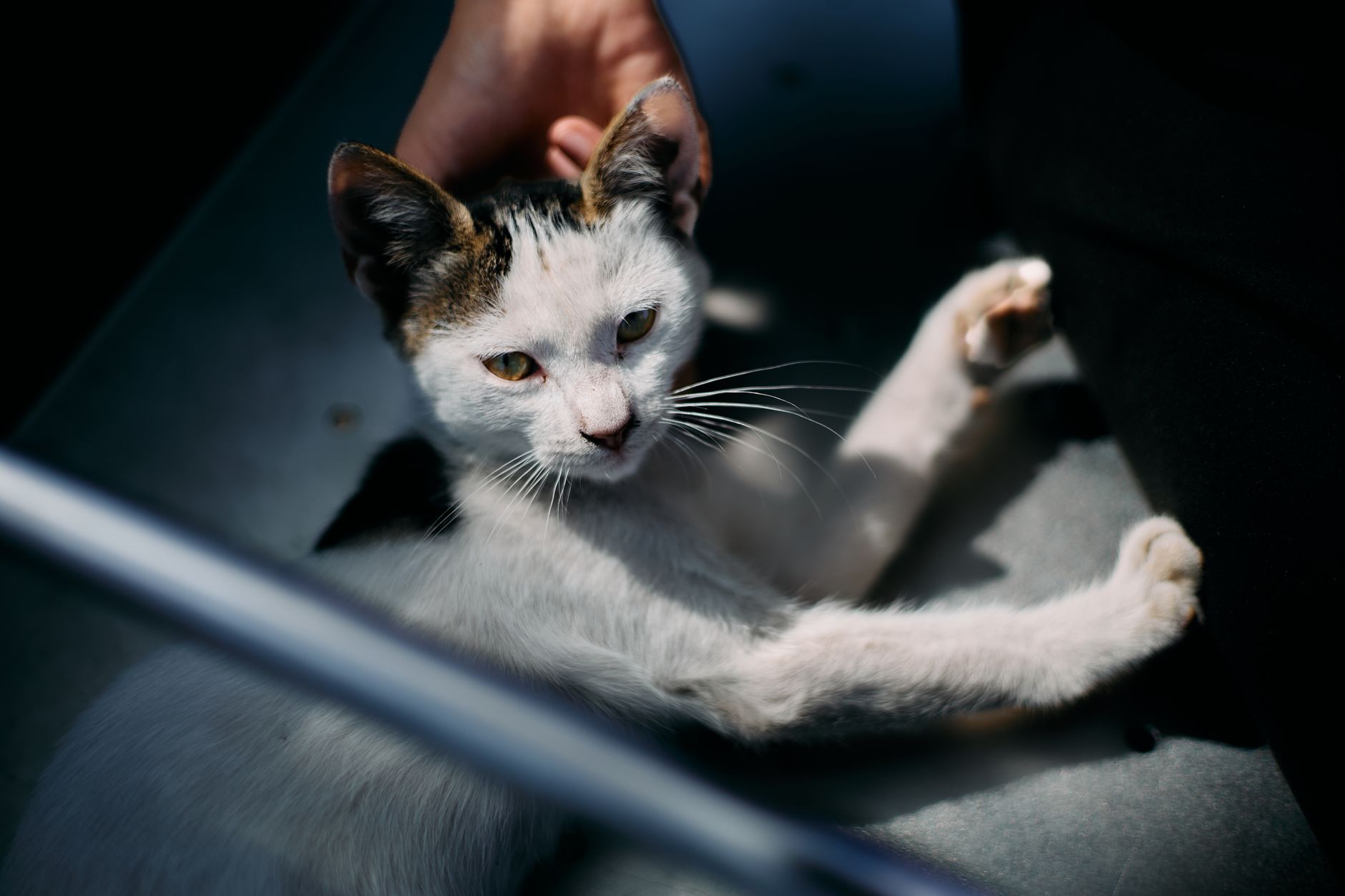
Cats, unlike dogs, aren’t always overtly expressive. They communicate through subtle cues – the twitch of an ear, the slow blink of an eye, or indeed, the lowering of their head. Decoding these signals is crucial for building a strong bond with your feline companion.
- Lowering the Head: This is a vulnerable position for a cat. It exposes the back of their neck and top of their head, areas they can’t easily defend. A cat wouldn’t do this unless it felt safe and secure.
- Closing or Half-Closing Eyes: Often accompanying the head bow, this indicates relaxation and contentment.
- Purring: A common sign of pleasure, but not always indicative of pure happiness. Context is key. A stressed cat might also purr as a self-soothing mechanism.
- Rubbing Against You: Scent marking is a significant aspect of feline communication. When a cat rubs against you, it’s depositing its pheromones, claiming you as part of its territory and social group.
The Role of Scent Glands
Cats possess scent glands in various locations, including their head, cheeks, and paws. When a cat bows its head while being petted, it’s likely engaging in scent marking, especially if it rubs its head against you. This reinforces the bond and marks you with its familiar scent, creating a sense of comfort and security for the cat. This behavior also answers, in part, Why do cats bow their heads when you pet them?
Learned Behavior and Positive Reinforcement
Cats are incredibly intelligent and quickly learn associations. If your cat enjoys being petted on the head and receives positive attention (like gentle scratches or soothing words) while doing so, it will likely repeat the behavior in the future. Over time, the head bow becomes a conditioned response, a way for the cat to solicit more affection.
When is a Head Bow Not a Good Sign?
While generally a positive indicator, it’s essential to be aware of situations where a head bow might indicate discomfort or even pain.
- Head Pressing: This is a serious sign and involves the cat compulsively pressing its head against a wall or other object. It’s often associated with neurological problems or toxic exposure and requires immediate veterinary attention.
- Extreme Sensitivity: If your cat flinches or pulls away when you touch its head, it could be experiencing pain or discomfort due to an injury or underlying medical condition.
Creating a Positive Petting Experience
To ensure that your cat associates head petting with positive experiences, consider the following:
- Gentle Touch: Use a light, gentle touch rather than applying excessive pressure.
- Pay Attention to Body Language: Observe your cat’s reaction. If it seems uncomfortable, stop petting it immediately.
- Focus on Favorite Spots: Many cats enjoy being petted around the ears, cheeks, and under the chin.
- Consistency: Establish a regular petting routine. This helps the cat feel secure and strengthens the bond between you.
| Behavior | Meaning |
|---|---|
| Head Bow | Submission, trust, enjoyment, scent marking |
| Closing Eyes | Relaxation, contentment |
| Purring | Pleasure (usually, but can also indicate stress) |
| Rubbing | Scent marking, establishing ownership |
| Head Pressing | Potential neurological problem, requires veterinary attention |
| Flinching/Pulling Away | Discomfort, pain, potential injury |

Frequently Asked Questions
Why do cats bow their heads when you pet them, and is it always a sign of affection?
While often a sign of affection and trust, it’s not always guaranteed. Observe your cat’s other body language cues. A relaxed posture, slow blinking, and purring are positive indicators. If the cat seems tense or agitated, it might be uncomfortable despite the head bow.
Is it okay to always pet my cat on the head?
Most cats enjoy head pets in moderation, but it’s essential to pay attention to their individual preferences. Some cats might prefer chin scratches or ear rubs. Respect your cat’s boundaries and avoid forcing affection.
My cat doesn’t bow its head when I pet it. Does this mean it doesn’t like me?
Not necessarily. Every cat is different. Some cats are simply less demonstrative than others. As long as your cat exhibits other positive behaviors, such as purring or rubbing against you, it likely feels affection.
Are there certain areas on a cat’s head they prefer to be petted?
Generally, cats enjoy being petted around their cheeks, under their chin, and behind their ears. Avoid petting the top of their head too aggressively, as some cats find this uncomfortable.
How can I tell if my cat is enjoying being petted?
Look for signs of relaxation, such as half-closed eyes, a relaxed posture, and gentle purring. A slow tail wag can also indicate contentment.
What should I do if my cat starts to bite or scratch me while I’m petting it?
Stop petting immediately. This is a clear signal that your cat is overstimulated or uncomfortable. Give your cat some space and try again later with a gentler approach.
Why do cats rub their heads against furniture?
Cats rub their heads against furniture to deposit scent markings, claiming the object as part of their territory. It’s also a way to feel secure and comfortable in their environment.
Is it possible to train a cat to enjoy being petted?
Yes, through positive reinforcement. Associate petting with treats and gentle praise. Start with short petting sessions and gradually increase the duration as your cat becomes more comfortable.
Why do some cats headbutt their owners?
Headbutting, also known as bunting, is a sign of affection and trust. It’s a way for cats to deposit their scent and bond with their owners.
What does it mean if my cat licks me after I pet it?
Licking is a grooming behavior, and when a cat licks you, it’s including you in its social grooming routine. It’s a sign of affection and acceptance.
Why do cats sometimes tilt their heads when they look at you?
The reason for the head tilt is likely related to improving their field of vision. This is also likely to help them better determine the emotion they are picking up. This is seperate from answering Why do cats bow their heads when you pet them?
Should I be concerned if my cat suddenly stops enjoying being petted?
A sudden change in behavior can indicate an underlying medical condition. If your cat suddenly becomes averse to being petted, it’s essential to consult a veterinarian to rule out any health issues.