

Why Do Bird Eggs Hatch at the Same Time? Decoding Avian Synchrony
Bird eggs hatch at the same time thanks to a complex interplay of parental incubation behavior and communication between chicks, allowing for a synchronized emergence that enhances survival through parental care and predator avoidance. This remarkable synchronization optimizes chick development and parental investment.

Introduction: The Mystery of Simultaneous Hatching
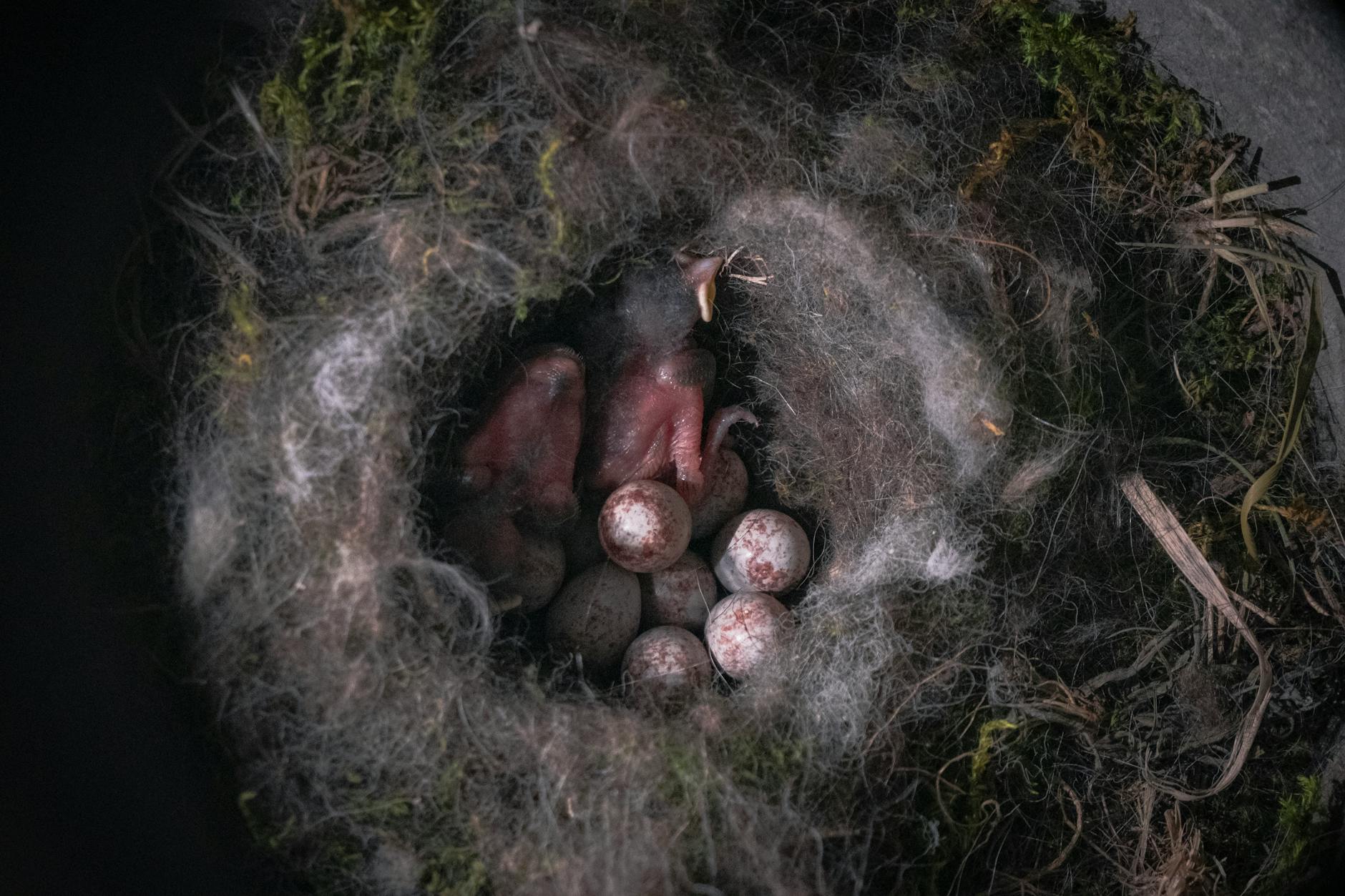
Witnessing a nest full of baby birds emerging from their eggs within a short timeframe is a common yet fascinating observation. Why do bird eggs hatch at the same time? The answer, far from being a simple coincidence, reveals a sophisticated strategy driven by evolutionary pressures. Synchronized hatching, or hatch synchrony, offers significant advantages for both the parents and the chicks, maximizing survival rates and ensuring optimal resource allocation. This phenomenon is more nuanced than simply laying eggs close together; it involves intricate communication mechanisms and careful incubation strategies.
The Benefits of Hatch Synchrony

Hatch synchrony provides multiple advantages for bird species:
- Predator Dilution: A large number of chicks hatching simultaneously overwhelms predators, increasing the likelihood that at least some chicks will survive. The “safety in numbers” principle is in full effect.
- Enhanced Parental Care: Birds with altricial chicks (those that are helpless at hatching) benefit from a concentrated period of intense parental care. All chicks require feeding, brooding, and protection concurrently, streamlining parental effort.
- Optimized Chick Development: A synchronized hatch ensures that chicks develop at similar rates, minimizing size disparities and competition for food. A clutch where some chicks are significantly larger than others can lead to the weaker chicks being outcompeted and potentially starving.
- Social Bonding: Hatching together allows chicks to form strong social bonds early in life. These bonds can be crucial for their development and survival, particularly in species that form flocks or colonies.
The Process: Orchestrating the Hatch
The process of achieving hatch synchrony is a multi-stage operation:
- Egg Laying: While not directly related to synchrony, the timing of egg laying sets the stage for subsequent events. Birds typically lay one egg per day or every other day.
- Incubation Start: The critical factor is not when eggs are laid, but when incubation starts. In many species, the parent bird begins incubating after all or most of the eggs have been laid. This delay ensures that all embryos begin developing at roughly the same time.
- Communication: Embryos within the eggs communicate with each other through vibrations and vocalizations. These signals help coordinate their development and hatching times.
- Hatching Behavior: Chicks use a specialized “egg tooth” to chip away at the shell. The process can take several hours, but the coordinated timing ensures that most chicks emerge within a short window.
- Parental Response: Parents respond to the hatching chicks by removing eggshells and providing food and warmth.
Mechanisms of Embryonic Communication
The role of embryonic communication in achieving hatch synchrony cannot be overstated. Here’s a closer look:
- Vibrations: Embryos can detect vibrations produced by their siblings, even through the eggshell. These vibrations may help synchronize their internal clocks.
- Vocalizations: Some species of bird embryos make clicking or peeping sounds, which help them communicate with each other and with the parent bird. These vocalizations can accelerate or delay the hatching process.
- Temperature: Parents maintain a consistent nest temperature, which helps to ensure uniform embryonic development.
Factors Influencing Hatching Time
Several factors can influence the exact timing of hatching:
- Temperature: Slight variations in temperature can affect the rate of embryonic development.
- Humidity: Proper humidity levels are crucial for successful hatching. Too much or too little humidity can be detrimental.
- Eggshell Thickness: Eggs with thinner shells may hatch slightly earlier than those with thicker shells.
- Parental Behavior: The attentiveness of the parent bird during incubation can impact hatching time. Inconsistent incubation, due to factors like inexperience or disturbance of the nest, can result in asynchronous hatching.
Common Mistakes: Why Asynchronous Hatching Happens
Even with sophisticated synchronization mechanisms, asynchronous hatching can occur:
- Incomplete Incubation: If a parent begins incubating before all eggs are laid, some eggs will have a head start, leading to asynchronous hatching.
- Nest Disturbance: Frequent disturbance of the nest can interrupt incubation and disrupt embryonic development.
- Egg Quality: Eggs with poor quality or developmental abnormalities may hatch later or not at all.
- Temperature Fluctuations: Significant temperature fluctuations during incubation can lead to asynchronous development.
Examples of Hatch Synchrony in Different Species
Hatch synchrony is observed in various bird species, each with its unique adaptations:
| Species | Hatching Synchronization Strategy | Benefits |
|---|---|---|
| Cliff Swallows | Colonial nesting with highly synchronized laying and hatching. Embryos likely communicate via vibrations. | Predator dilution, efficient parental care within the colony. |
| Ducks | Females begin incubating after laying all eggs. Vocalizations likely play a role in synchronizing hatch. | Ensures all ducklings are ready to leave the nest and follow the mother soon after hatching. |
| Quail | Communication through clucking sounds from the hen and responses from the developing chicks helps to coordinate hatch. | Ensures all chicks are developed enough to forage and survive in the open environment. |
| Altricial Songbirds | Delayed onset of incubation combined with some degree of embryonic communication. | Minimizes size disparity between chicks and optimizes parental feeding efficiency. |
The Evolutionary Significance
Why do bird eggs hatch at the same time? The evolution of hatch synchrony highlights the power of natural selection. Species that have developed mechanisms to synchronize hatching have a survival advantage over those that hatch asynchronously. This advantage is particularly pronounced in environments with high predation pressure or limited resources.
Conclusion: A Masterpiece of Avian Biology
The phenomenon of synchronized hatching in birds is a testament to the intricate and often unseen complexities of nature. Why do bird eggs hatch at the same time? It’s a story of communication, parental care, and evolutionary adaptation, all working together to ensure the survival of the next generation. Understanding these mechanisms provides valuable insights into the ecology and behavior of these fascinating creatures.
Frequently Asked Questions
How does temperature affect hatching time?
Temperature plays a crucial role in embryonic development. Higher temperatures generally accelerate development, while lower temperatures slow it down. Parent birds carefully regulate nest temperature to ensure consistent development and synchronized hatching.
Do all bird species exhibit hatch synchrony?
While hatch synchrony is common, not all bird species exhibit it. Some species hatch asynchronously, often because the chicks develop at different rates or because the parent bird starts incubating before all eggs are laid.
How do parent birds know when to start incubating?
Parent birds often use clutch size (the number of eggs laid) as a cue to begin incubation. Once a certain number of eggs has been laid, the bird will initiate incubation to ensure that all embryos develop concurrently.
What is the “egg tooth” and what is its purpose?
The egg tooth is a small, hard projection on the beak of a developing chick. It’s used to chip away at the eggshell from the inside, allowing the chick to break free.
What happens to the eggshells after the chicks hatch?
Parent birds typically remove the eggshells from the nest shortly after the chicks hatch. This helps to keep the nest clean and also reduces the risk of attracting predators.
Can disturbances in the nest affect hatching success?
Yes, disturbances can significantly impact hatching success. Frequent disturbances can disrupt incubation, lead to temperature fluctuations, and even cause the parent bird to abandon the nest.
How does humidity affect hatching?
Humidity is essential for proper embryonic development. Too little humidity can cause the egg to dry out, while too much humidity can prevent the chick from breaking free of the shell.
Do larger birds typically have longer incubation periods?
Generally, larger birds tend to have longer incubation periods than smaller birds. This is because their eggs are larger and require more time for embryonic development.
What is the role of the yolk sac in embryonic development?
The yolk sac provides essential nutrients to the developing embryo. It contains a rich supply of fats, proteins, and other substances that are necessary for growth.
Can siblings compete with each other inside the egg?
While not direct competition, embryos communicate and influence each other’s development rates. This can be viewed as a subtle form of interaction that contributes to hatch synchrony.
How does hatch synchrony affect the relationship between parent and offspring?
Hatch synchrony promotes a strong bond between parent and offspring. The concentrated period of parental care allows for efficient resource allocation and helps to ensure the survival of the chicks.
How can climate change affect the timing of hatching?
Climate change can disrupt the timing of breeding and hatching in birds. Changes in temperature and food availability can lead to mismatches between hatching time and peak resource availability, potentially reducing chick survival rates. Why do bird eggs hatch at the same time? Ensuring consistent climate conditions is vital to maintaining this finely tuned process.