

Why Do African Wild Dogs Need to Be Protected?
African wild dogs need to be protected because they are an endangered species facing immense pressure from habitat loss, human conflict, and disease, and their crucial role in maintaining ecological balance means their extinction would have devastating consequences for African ecosystems.

Understanding the Plight of the African Wild Dog
The African wild dog, Lycaon pictus (meaning “painted wolf” in Greek), is one of Africa’s most endangered carnivores. Once roaming freely across 39 countries, their numbers have dwindled dramatically to an estimated 6,600 individuals in fragmented populations across only a handful of nations. Understanding the multifaceted threats facing these incredible animals is crucial to implementing effective conservation strategies.
The Evolutionary Marvel of Lycaon pictus

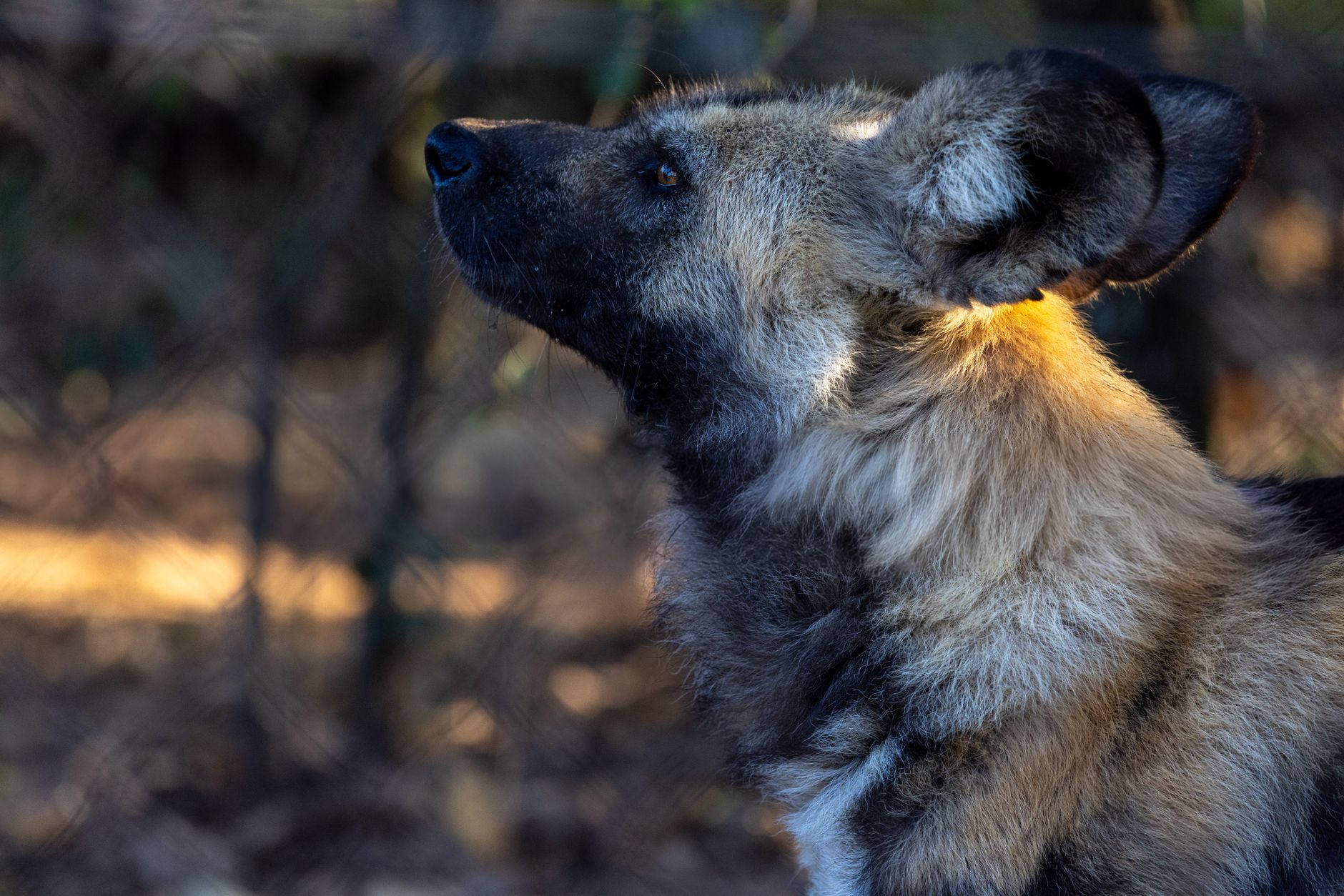
African wild dogs are unique canids. They are highly social, living in packs led by a dominant breeding pair. This cooperative behavior extends to hunting, where they achieve remarkable success rates – often exceeding 80% compared to lions’ 30%. Their distinctive mottled coats provide camouflage and act like individual fingerprints, allowing researchers to identify individual animals. Their complex social structure and highly efficient hunting strategies make them a vital part of the African ecosystem.
The Threats Facing African Wild Dogs
Several converging factors have pushed African wild dogs towards the brink of extinction:
- Habitat Loss and Fragmentation: As human populations expand and land is converted for agriculture and settlements, wild dog habitat is reduced and broken into smaller, isolated patches. This limits their ability to roam and hunt effectively and increases their vulnerability to human conflict.
- Human-Wildlife Conflict: Wild dogs are often perceived as threats to livestock, leading to retaliatory killings by farmers. This conflict is exacerbated by a lack of awareness and effective mitigation strategies.
- Disease: Wild dogs are highly susceptible to diseases such as rabies, canine distemper, and parvovirus, often contracted from domestic dogs. Disease outbreaks can decimate entire packs.
- Snaring and Trapping: Indiscriminate snaring and trapping, intended for other animals, often ensnare and kill wild dogs.
- Road Mortality: As road networks expand, wild dogs are increasingly vulnerable to being hit by vehicles.
The Ecological Importance of African Wild Dogs
Why do African wild dogs need to be protected? Beyond their intrinsic value as a species, African wild dogs play a crucial role in maintaining the health and balance of African ecosystems. As apex predators, they help regulate populations of their prey species, preventing overgrazing and maintaining biodiversity. Their hunting practices also influence the behavior and distribution of other animals in the ecosystem. The loss of wild dogs would have cascading effects, potentially disrupting entire food webs and impacting the overall health of the environment.
Conservation Efforts: A Glimmer of Hope
Despite the challenges, dedicated conservation efforts are making a difference. These efforts include:
- Anti-Poaching Patrols and Snare Removal: Protecting wild dogs from illegal hunting and trapping is a critical priority.
- Vaccination Programs: Vaccinating wild dogs against rabies and other diseases helps prevent outbreaks and protect populations.
- Community Engagement and Education: Raising awareness among local communities about the importance of wild dogs and promoting coexistence through livestock protection measures reduces human-wildlife conflict.
- Habitat Restoration and Protection: Securing and restoring wild dog habitat is essential for their long-term survival.
- Translocation and Reintroduction Programs: Moving wild dogs to new areas or reintroducing them to their former range can help establish new populations and increase genetic diversity.
A Call to Action
The future of African wild dogs hangs in the balance. We all have a role to play in ensuring their survival. Supporting conservation organizations, advocating for stronger wildlife protection policies, and raising awareness about the plight of these incredible animals are all crucial steps we can take.
Table: Comparing African Wild Dog Conservation Challenges and Solutions
| Challenge | Solution |
|---|---|
| Habitat Loss | Habitat restoration, protected areas |
| Human-Wildlife Conflict | Livestock guarding programs, education campaigns |
| Disease | Vaccination programs, disease monitoring |
| Snaring/Trapping | Anti-poaching patrols, snare removal programs |
| Low Genetic Diversity | Translocation programs |
Steps to take to Help Protect African Wild Dogs:
- Donate to reputable conservation organizations.
- Educate yourself and others about the challenges facing wild dogs.
- Support sustainable tourism that benefits local communities and wildlife conservation.
- Advocate for stronger wildlife protection laws.
- Reduce your carbon footprint to mitigate the impacts of climate change on wild dog habitat.
Frequently Asked Questions
What makes African wild dogs unique compared to other canids?
African wild dogs are highly social canids, distinct from wolves, jackals, and domestic dogs. They have only four toes on their front feet, unlike other canids with five, and their complex social structure and cooperative hunting strategies are unparalleled. Their mottled coat patterns are also unique to each individual.
Where do African wild dogs live?
Historically, African wild dogs roamed widely across Africa. Today, their populations are fragmented and concentrated in southern and eastern Africa, including countries like Botswana, Zimbabwe, Tanzania, and Kenya.
What is the current population size of African wild dogs?
The estimated global population of African wild dogs is around 6,600 individuals, making them one of the most endangered carnivores in Africa. Their numbers have declined dramatically due to habitat loss, human conflict, and disease.
What do African wild dogs eat?
African wild dogs are carnivores that primarily hunt medium-sized ungulates, such as impala, gazelle, and kudu. They are highly efficient hunters, often working together as a pack to pursue and kill their prey.
How do African wild dogs hunt?
African wild dogs are renowned for their cooperative hunting strategies. They work together as a pack, using speed and endurance to pursue their prey. Their success rate is exceptionally high, often exceeding 80%, due to their coordinated teamwork.
What is the social structure of an African wild dog pack?
African wild dogs live in packs typically led by a dominant breeding pair. The pack works together to raise the pups, hunt, and defend their territory. Cooperation and social bonds are essential for their survival.
Why are African wild dogs susceptible to diseases?
African wild dogs lack genetic diversity, which makes them vulnerable to diseases like rabies, canine distemper, and parvovirus. Contact with domestic dogs can facilitate the spread of these diseases.
What is being done to protect African wild dogs?
Why do African wild dogs need to be protected? is a question that motivates countless conservation efforts. These include anti-poaching patrols, vaccination programs, community engagement initiatives, habitat restoration, and translocation efforts. These multifaceted approaches are crucial for ensuring their survival.
How can I help protect African wild dogs?
You can support conservation organizations dedicated to protecting African wild dogs, advocate for stronger wildlife protection policies, raise awareness about their plight, and support sustainable tourism that benefits local communities and wildlife conservation.
What is the role of local communities in African wild dog conservation?
Local communities play a crucial role in African wild dog conservation. Community engagement and education programs can help reduce human-wildlife conflict by promoting coexistence through livestock protection measures and highlighting the benefits of wildlife conservation.
What are the long-term prospects for African wild dog survival?
The long-term prospects for African wild dog survival depend on continued and increased conservation efforts. Addressing habitat loss, mitigating human-wildlife conflict, controlling diseases, and increasing genetic diversity are all essential for ensuring their long-term survival.
What is the scientific name for the African wild dog?
The scientific name for the African wild dog is Lycaon pictus, which means “painted wolf” in Greek. This name refers to their distinctive mottled coat patterns, which vary from individual to individual.