

Why Did My Cat Pounce At My Face? Understanding Feline Facial Assault
Your cat pounced at your face! This behavior is often due to a complex mix of instinct, boredom, attention-seeking, or overstimulation. Understanding these factors is key to preventing future feline face-attacks.
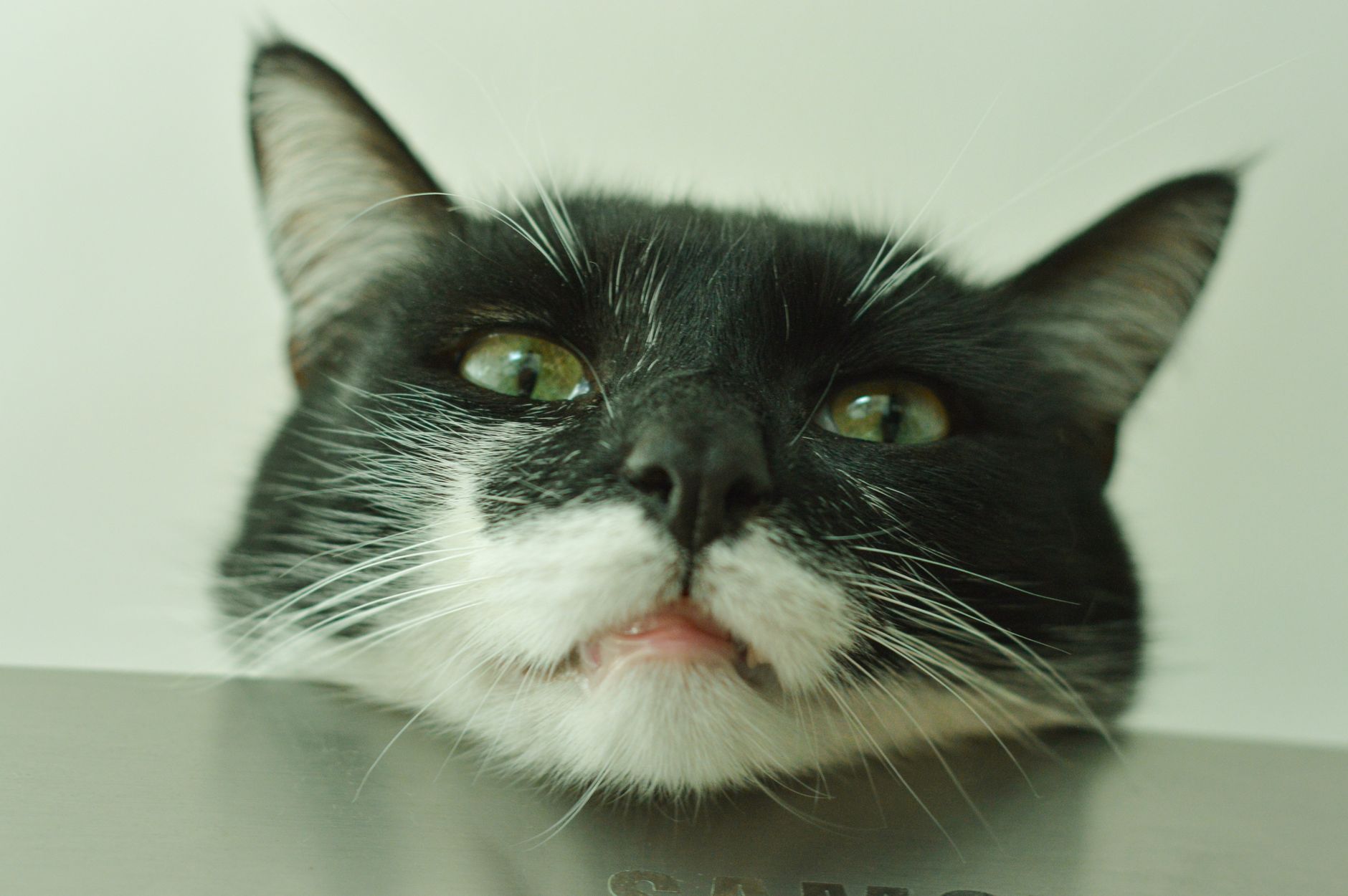
Unraveling the Mystery: Why Did My Cat Pounce At My Face?
Cats are enigmatic creatures, and their seemingly unpredictable behaviors can leave owners baffled. One of the most disconcerting is the sudden pounce, especially when the target is your face. Understanding the underlying reasons behind this behavior is crucial for both your safety and your cat’s well-being. It’s important to remember that rarely is this behavior malicious. Instead, it’s usually a miscommunication of feline needs or instincts.
The Instinctual Predator: Play and Hunting

At their core, cats are predators. Their play is often a rehearsal for hunting, and that instinct can sometimes manifest in unexpected ways.
- Hunting Instincts: Even well-fed indoor cats retain the drive to hunt. Small movements, shadows, and even the texture of your skin can trigger this instinct.
- Play Aggression: What seems like aggression may simply be enthusiastic play. Cats often lack the understanding that their claws and teeth can hurt humans.
- Early Weaning: Kittens separated from their mothers too early may not have learned appropriate play boundaries.
The Bored Cat: Attention Seeking and Entertainment
A bored cat is a mischievous cat. Lacking stimulation, they may resort to extreme measures to get your attention.
- Lack of Enrichment: Indoor cats need mental and physical stimulation to thrive. If they don’t get enough, they’ll find ways to entertain themselves, which might include face-pouncing.
- Attention-Seeking Behavior: Your cat may have learned that pouncing gets a reaction, even if it’s negative. Any attention is better than no attention from a cat’s perspective.
- Predictable Routine: A monotonous daily routine can lead to boredom. Introducing new toys, puzzles, or climbing structures can help alleviate this.
The Overstimulated Cat: Petting-Induced Aggression
Sometimes, your affection can actually trigger a pounce. This phenomenon, known as petting-induced aggression, is more common than you might think.
- Sensory Overload: Some cats have a lower threshold for petting. What starts as a pleasant sensation can quickly become irritating.
- Static Electricity: In dry environments, petting can generate static electricity, which can be uncomfortable or even painful for your cat.
- Body Language Misinterpretation: Cats are masters of subtle communication. You might be missing the signals that they’ve had enough, leading to a surprise attack.
Decoding Feline Body Language: Prevention is Key
Learning to read your cat’s body language is essential for preventing unwanted behaviors.
- Tail Twitching: A rapidly twitching tail often indicates irritation or agitation.
- Flattened Ears: This is a clear sign that your cat is unhappy or scared.
- Dilated Pupils: Dilated pupils can indicate excitement, fear, or aggression.
- Vocalization: Hissing, growling, or even excessive meowing can be warning signs.
Here’s a table that summarizes different body language signs:
| Body Language Sign | Meaning | Action |
|---|---|---|
| :——————– | :———————————————————————– | :—————————————————————— |
| Twitching Tail | Irritation, agitation | Stop petting, give space |
| Flattened Ears | Fear, aggression, unhappiness | Back off, avoid direct eye contact |
| Dilated Pupils | Excitement, fear, aggression (consider context) | Assess the situation, act calmly |
| Hissing/Growling | Warning, fear, aggression | Retreat slowly, avoid making sudden movements |
| Excessive Meowing | Attention-seeking, boredom, distress | Investigate the cause, provide attention or address the problem |
Solutions and Strategies: Stopping the Facial Assault
Fortunately, there are several strategies you can implement to discourage your cat from pouncing on your face.
- Provide Plenty of Enrichment: Rotate toys, introduce puzzle feeders, and create vertical spaces for climbing.
- Regular Play Sessions: Engage in interactive play with your cat using wand toys, laser pointers (use sparingly and responsibly), or other stimulating activities.
- Positive Reinforcement: Reward good behavior with treats, praise, or petting when your cat is calm and relaxed.
- Ignore Unwanted Behavior: If your cat pounces for attention, try to ignore the behavior. Any reaction, even a negative one, can reinforce the behavior.
- Redirection: When you see the signs of an impending pounce, redirect your cat’s attention with a toy or a sound.
- Safe Spaces: Ensure your cat has access to a safe and quiet space where they can retreat when feeling overwhelmed.
- Consult a Professional: If the problem persists, consult with a veterinarian or a certified feline behaviorist. They can help identify underlying medical or behavioral issues.

Frequently Asked Questions (FAQs)
Why did my cat pounce at my face while I was sleeping?
Cats are crepuscular animals, meaning they are most active at dawn and dusk. They may pounce while you are sleeping because they are alert and playful during these times and you are an accessible, albeit unwitting, target. Provide a hearty meal before bedtime and ample playtime to help them sleep through the night.
Why did my cat pounce at my face when I was holding a baby?
Cats can be territorial or become protective when new additions join the household. Pouncing on you while holding a baby could be a sign of jealousy, anxiety, or a perceived threat. Introduce the baby gradually and ensure the cat still receives plenty of attention and affection.
Why did my cat pounce at my face after I petted him for a long time?
This is likely a case of petting-induced aggression. Your cat has a limited tolerance for physical affection. Pay attention to their body language and stop petting them before they become overstimulated.
Why did my cat pounce at my face out of nowhere?
“Out of nowhere” attacks are often the result of undetected warning signs. Review your cat’s body language prior to the pounce. It’s also possible they are reacting to something you didn’t notice, like a bug or a sound.
How can I stop my cat from biting my face during playtime?
Teach your cat that biting is unacceptable by stopping the play session immediately. You can also use a verbal cue, such as “Ouch!” This will help them learn that biting ends the fun.
Is it possible my cat pounced at my face because of a medical condition?
While less common, medical conditions can sometimes contribute to behavioral changes. Hyperthyroidism, dental problems, or neurological issues can cause irritability or aggression. A vet visit is warranted to rule out any underlying medical problems.
What are the best toys to distract my cat from pouncing?
Wand toys that mimic the movement of prey, puzzle feeders that require problem-solving, and catnip-filled toys are all excellent options. Rotate toys regularly to keep your cat engaged and prevent boredom.
How can I create a safe space for my cat to retreat to?
A safe space should be quiet, comfortable, and easily accessible. A covered cat bed, a cardboard box, or a high perch can all serve as safe havens. Make sure the space is free from stressors and that your cat can retreat there without being disturbed.
How can I tell if my cat is bored or stressed?
Signs of boredom include excessive sleeping, overeating, and destructive behaviors. Signs of stress include hiding, hissing, and changes in appetite. If you notice these signs, try to identify the cause and take steps to reduce stress and increase enrichment.
Can catnip help prevent my cat from pouncing on my face?
Catnip can be a useful tool for redirecting your cat’s attention and reducing stress. However, not all cats react to catnip, and overuse can lead to desensitization.
At what age do cats usually start exhibiting pouncing behavior?
Pouncing behavior can start as early as kittenhood, as young cats practice their hunting skills. However, adult cats may develop pouncing behavior due to boredom, stress, or underlying medical conditions.
When should I seek professional help for my cat’s pouncing behavior?
If you have tried various strategies without success, or if the pouncing behavior is frequent, intense, or accompanied by other concerning symptoms, it is time to consult with a veterinarian or a certified feline behaviorist. They can help identify the root cause of the problem and develop a tailored treatment plan. Understanding why did my cat pounce at my face? is key to finding a solution.