

Why Did Americans Stop Eating Rabbit? A Culinary Disappearance
The decline in rabbit consumption in the United States stems from a complex interplay of factors, including shifting agricultural practices, cultural biases, and the rise of more readily available and affordable protein sources; ultimately, Why did Americans stop eating rabbit? because it became less economically viable and culturally desirable than other meats.

A Brief History of Rabbit Consumption in America
Rabbit meat, especially wild rabbit, was once a staple food source for many Americans, particularly in rural communities and during times of economic hardship. During the Great Depression and World War II, rabbit offered an affordable and accessible protein source when other meats were rationed or too expensive. However, its popularity waned in the post-war era as industrial agriculture flourished and preferences shifted toward mass-produced meats like beef, chicken, and pork.
The Nutritional Benefits of Rabbit Meat
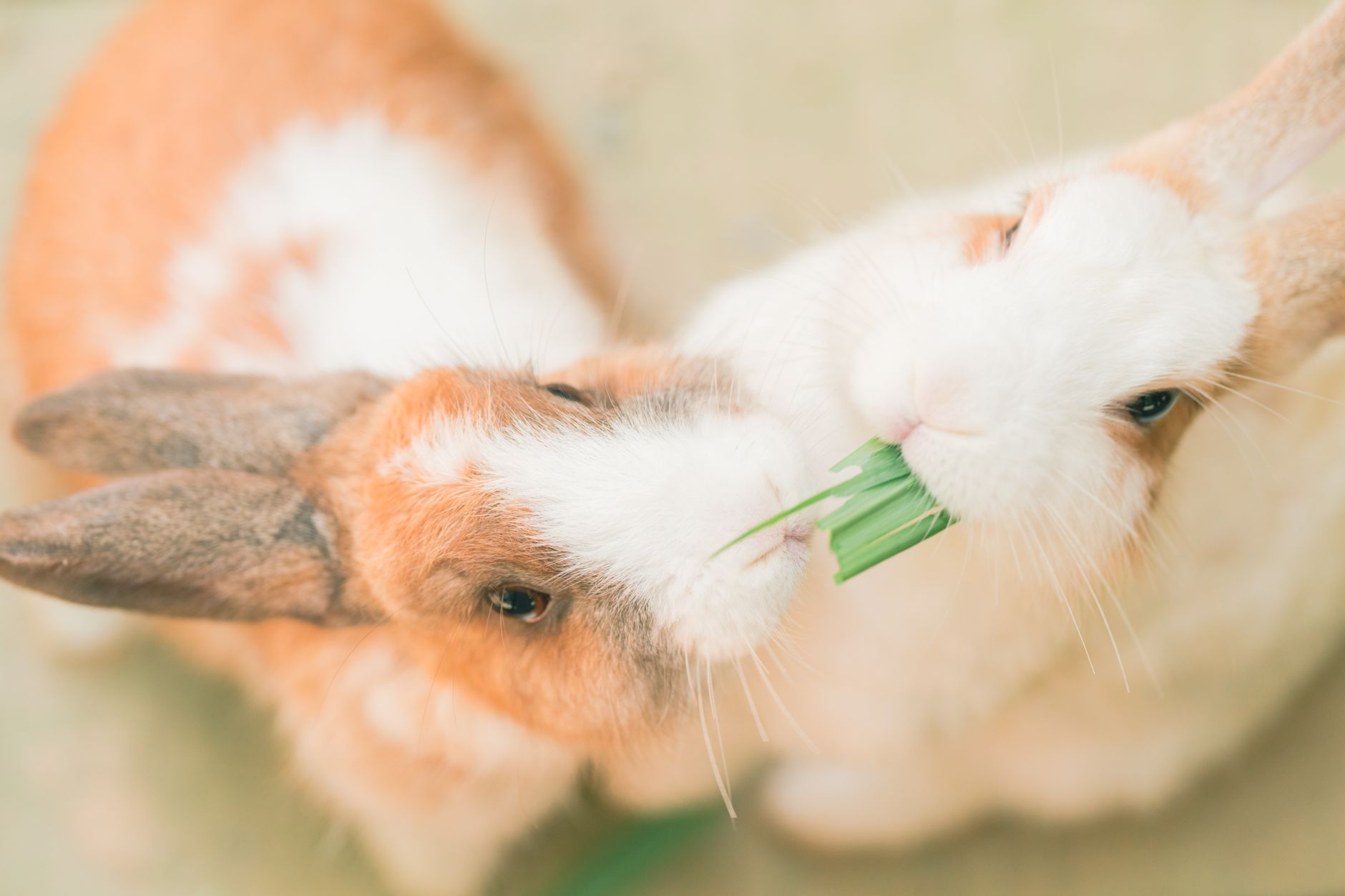
Rabbit meat is an excellent source of protein and essential nutrients. Compared to other meats, it is lean and low in fat, making it a healthy option. Some key benefits include:
- High protein content: Rabbit meat is almost pure protein, aiding in muscle building and repair.
- Low fat content: Lower in fat than chicken, beef, or pork, making it a heart-healthy choice.
- Rich in vitamins and minerals: Contains significant amounts of vitamin B12, niacin, and selenium.
- Easily digestible: Rabbit meat is tender and easily digested, making it suitable for individuals with digestive sensitivities.
| Nutrient | Rabbit (100g) | Chicken (100g) | Beef (100g) | Pork (100g) |
|---|---|---|---|---|
| Protein (g) | 20 | 27 | 26 | 29 |
| Fat (g) | 8 | 14 | 16 | 14 |
| Calories | 167 | 239 | 250 | 242 |
The Rise of Industrial Agriculture
The advent of industrial agriculture significantly impacted meat consumption patterns in America. Mass production techniques led to lower prices for beef, chicken, and pork, making them more accessible and appealing to consumers. Rabbit farming, while feasible, never achieved the same scale of efficiency and affordability.
Cultural Perceptions and “Food Taboos”
Cultural perceptions played a significant role in the decline of rabbit consumption. In some cultures, rabbits are viewed as pets or pests rather than food animals. This perception, combined with associations with poverty or “hard times,” contributed to a negative image of rabbit meat. The rise of pet ownership and a general sentimentalization of animals, especially in urban areas, further distanced many Americans from eating rabbit.
Economic Factors
The economics of raising rabbits also contributed to their decline in popularity as a food source. While rabbits are relatively easy to raise in small numbers, scaling up production to meet commercial demand is challenging. The cost of feed, labor, and processing can make rabbit meat less competitive compared to other, more efficiently produced meats. Additionally, the lack of a robust infrastructure for rabbit processing and distribution further hindered its market penetration. This impacts Why did Americans stop eating rabbit?
Other Factors Influencing the Consumption of Rabbit
- Urbanization: As populations shifted from rural to urban areas, access to and knowledge of rabbit as a food source decreased.
- Availability and Convenience: Supermarkets prioritize readily available and convenient meats, typically chicken, beef and pork. Rabbit is usually a specialty item found in limited quantities, if at all.
- Changing Tastes and Preferences: Shifting dietary preferences and a focus on other protein sources contributed to the decline in rabbit consumption.
Frequently Asked Questions (FAQs)
Why is rabbit meat considered healthy?
Rabbit meat is considered healthy because it is exceptionally lean and high in protein. It contains less fat than chicken, beef, or pork, making it a good choice for those seeking to reduce their fat intake while maintaining adequate protein levels. Additionally, it’s a good source of essential vitamins and minerals.
Is rabbit farming sustainable?
Yes, rabbit farming can be sustainable. Rabbits require less land and feed compared to larger livestock, and they produce less methane, a potent greenhouse gas. However, sustainable practices must be implemented to minimize environmental impact, such as using locally sourced feed and managing waste effectively.
What does rabbit meat taste like?
Rabbit meat is often described as having a mild, slightly gamey flavor similar to chicken. Its taste is influenced by the rabbit’s diet and age. Young rabbits tend to have a milder flavor, while older rabbits may have a more pronounced gamey taste.
How is rabbit meat prepared?
Rabbit meat can be prepared in a variety of ways, including roasting, braising, grilling, and frying. Due to its lean nature, it’s best to cook rabbit meat using methods that help retain moisture, such as braising or slow-cooking. It is often marinated or paired with flavorful sauces to enhance its taste.
Is rabbit meat safe to eat?
Yes, rabbit meat is safe to eat when properly handled and cooked. As with any meat, it’s essential to ensure that the rabbit is sourced from a reputable supplier and that it is cooked to a safe internal temperature to kill any potential pathogens.
Why is rabbit meat not readily available in supermarkets?
Rabbit meat is not readily available in supermarkets due to a combination of factors, including low consumer demand, limited commercial production, and a lack of a well-established distribution network. Other protein options are more readily available and typically much cheaper.
Can I raise rabbits for meat in my backyard?
Yes, in many areas, you can raise rabbits for meat in your backyard, subject to local regulations and zoning laws. It’s essential to research the specific requirements in your area and to provide adequate housing, food, and care for the rabbits.
What are the common challenges in raising rabbits for meat?
Common challenges in raising rabbits for meat include preventing disease, managing breeding, and ensuring humane slaughtering practices. Predator control is also an important consideration, as rabbits are vulnerable to attacks from foxes, coyotes, and other animals.
Are there cultural barriers to eating rabbit in the United States?
Yes, there are cultural barriers to eating rabbit in the United States. Some Americans view rabbits as pets or pests rather than food animals, which can create a reluctance to consume rabbit meat. Additionally, associations with poverty or “hard times” can contribute to negative perceptions.
Has rabbit consumption increased in recent years?
While rabbit consumption remains relatively low in the United States compared to other meats, there has been a slight increase in interest in recent years, driven by the growing demand for sustainable and alternative protein sources.
Where can I find rabbit meat if I want to try it?
If you want to try rabbit meat, you may be able to find it at specialty butcher shops, farmers’ markets, or online retailers that specialize in sourcing and selling niche meat products. Some high-end restaurants may also feature rabbit dishes on their menus.
What is the environmental impact of rabbit farming compared to other livestock?
The environmental impact of rabbit farming is generally lower compared to other livestock. Rabbits require less land and feed, produce less methane, and have a shorter lifespan than larger animals like cattle and pigs. However, proper waste management is still essential to minimize pollution. Why did Americans stop eating rabbit? Because more industrial and cheaper options became available.