

Who Has Defeated Tiger? Unveiling the Apex Predator’s Challengers
The question “Who has defeated tiger?” can be misleading. No single animal consistently defeats a healthy adult tiger in a one-on-one confrontation. However, other predators, humans, and environmental factors can lead to the demise of even these apex predators.
Understanding the Tiger: An Apex Predator
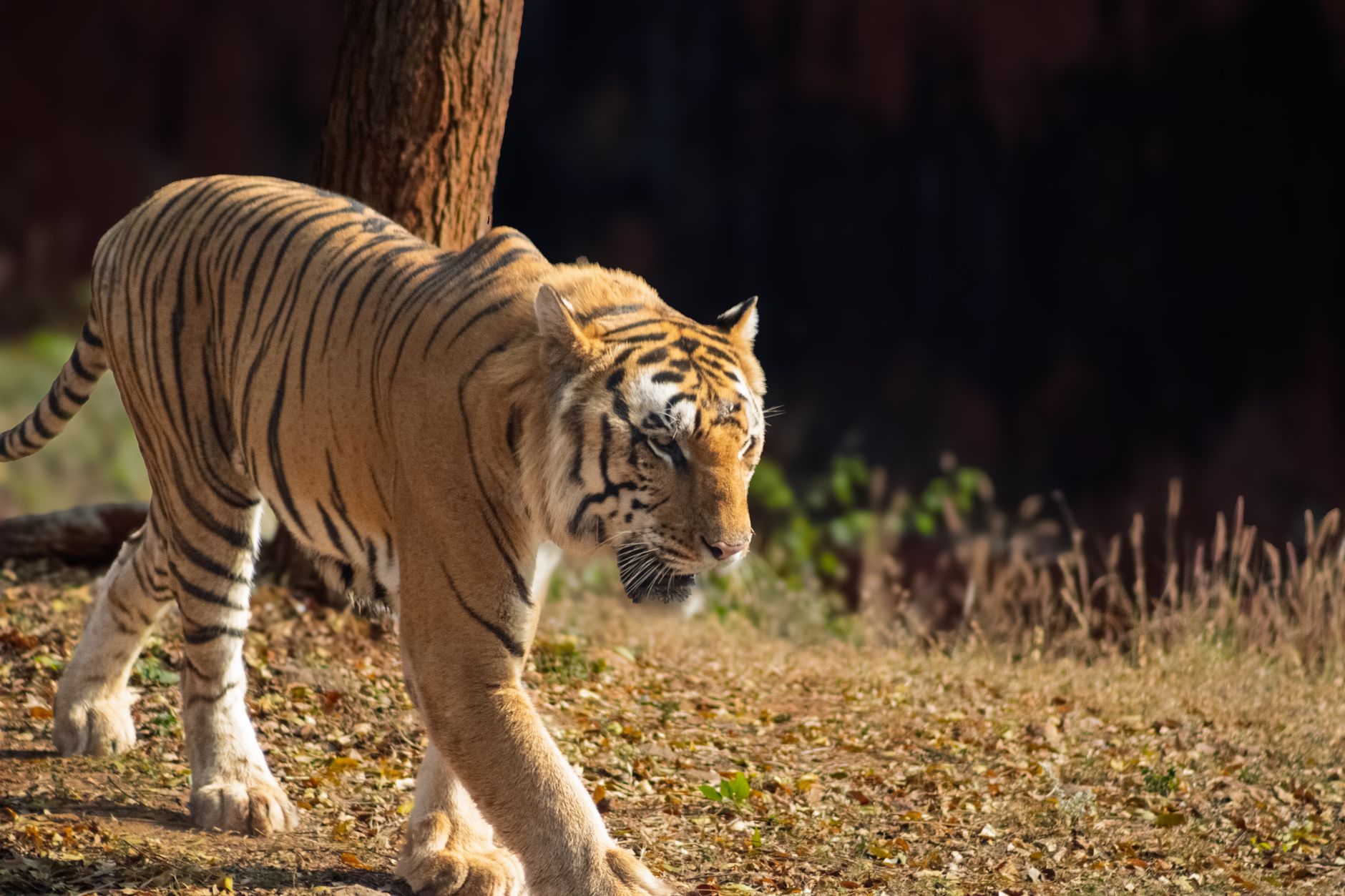
The tiger (Panthera tigris) is a magnificent creature, a symbol of power and dominance in its ecosystem. As an apex predator, it sits at the top of the food chain, preying on a wide range of animals. Its strength, agility, and hunting prowess make it a formidable adversary. But even apex predators face threats.
The Myth of Unbeatable Strength

While a tiger is a force to be reckoned with, the idea of it being unbeatable is a myth. Its success depends on many factors, including its health, age, environment, and the prey it encounters. An injured or weakened tiger is far more vulnerable.
Creatures That Can Challenge a Tiger
Although rare, there are instances where other animals might successfully challenge, or even kill, a tiger. These include:
- Other Tigers: Territorial disputes between tigers can result in fatal combat. Older, weaker tigers are often killed by younger, stronger rivals vying for territory.
- Large Bears: In regions where tigers and bears coexist (e.g., Siberia, India), confrontations can occur. A large brown bear or sloth bear possesses significant strength and can injure or even kill a tiger, especially if the bear is defending its cubs or a food source.
- Crocodiles: Large crocodiles, like the saltwater crocodile or mugger crocodile, can ambush tigers at watering holes. A crocodile’s powerful bite and ability to drag its prey underwater can prove fatal.
- Humans: Historically, humans have posed the most significant threat to tigers. Hunting, poaching, and habitat destruction have driven tiger populations to critically low levels.
- Elephants: While not predators, adult elephants are significantly larger and stronger than tigers. A tiger attacking a young elephant calf might face a furious and potentially fatal response from the mother or herd.
Indirect Threats: Disease and Habitat Loss
Beyond direct confrontation, several other factors contribute to tiger mortality:
- Disease: Tigers are susceptible to various diseases, including canine distemper, tuberculosis, and parasites. These can weaken individuals and make them more vulnerable to other threats.
- Habitat Loss: Deforestation, agricultural expansion, and human encroachment are destroying tiger habitats, reducing prey availability and increasing the likelihood of conflict with humans. This is arguably the most significant long-term threat.
- Poaching: The illegal trade in tiger parts (bones, skin, claws) continues to fuel poaching, despite conservation efforts.
Factors Influencing the Outcome
The outcome of a confrontation between a tiger and another animal depends on various factors:
- Size and Strength: The larger and stronger animal generally has the advantage.
- Aggression and Determination: The animal’s willingness to fight plays a crucial role.
- Surprise and Ambush: A successful ambush can turn the tide in favor of the weaker animal.
- Environmental Conditions: The terrain and weather can influence the outcome of a fight.
- Experience: An experienced hunter is more likely to succeed.
The Importance of Conservation
Ultimately, the biggest threat to tigers is human activity. Conservation efforts are crucial to protecting tiger habitats, combating poaching, and promoting coexistence between humans and tigers. Success in these areas is the only real “defeat” for the forces leading to the tiger’s decline.

Frequently Asked Questions (FAQs)
What is the strongest animal that can kill a tiger?
While it’s rare, a large brown bear or saltwater crocodile would arguably be the strongest animal capable of killing a tiger in a direct confrontation, but this is heavily dependent on circumstance. The bear’s raw power or crocodile’s ambush tactics and bite force could prove decisive.
Has a lion ever defeated a tiger in a fight?
There are very few documented cases of lions and tigers fighting in the wild, as their natural ranges rarely overlap. In captivity, the outcome would likely depend on the individual animals’ size, temperament, and fighting style. There is no definitive answer.
Can a human defeat a tiger in a fight?
Generally, a human has virtually no chance of defeating a healthy adult tiger in a fair fight. Even trained martial artists are unlikely to prevail. However, a human with a firearm or other weapon has a much better chance of survival.
How does habitat loss affect tigers?
Habitat loss reduces prey availability, forces tigers into smaller areas, increases competition with other tigers, and leads to increased conflict with humans, often resulting in the tiger’s death.
What role does poaching play in tiger decline?
Poaching is a major driver of tiger decline. The high demand for tiger parts in traditional medicine and other markets fuels the illegal hunting and killing of these animals.
What are some effective tiger conservation strategies?
Effective strategies include anti-poaching patrols, habitat protection and restoration, community engagement, and reducing human-wildlife conflict.
What is the average lifespan of a tiger?
In the wild, tigers typically live for 8-10 years. In captivity, they can live for 16-20 years or even longer.
Are there more tigers in the wild or in captivity?
There are tragically more tigers in captivity than in the wild. This highlights the dire state of wild tiger populations.
What is the biggest threat to tiger cubs?
Predation from other animals, including other tigers, is a major threat to tiger cubs. Disease, starvation, and abandonment are also significant risks.
What is the role of tigers in their ecosystem?
Tigers are apex predators and play a crucial role in regulating prey populations and maintaining the health of their ecosystems.
Can a pack of wild dogs defeat a tiger?
A large pack of aggressive wild dogs might be able to kill or injure a tiger, especially a young or weakened one. However, a healthy adult tiger would likely be able to fight off a smaller pack.
How can I help support tiger conservation?
You can support tiger conservation by donating to reputable conservation organizations, raising awareness about tiger conservation issues, and supporting sustainable tourism practices.