
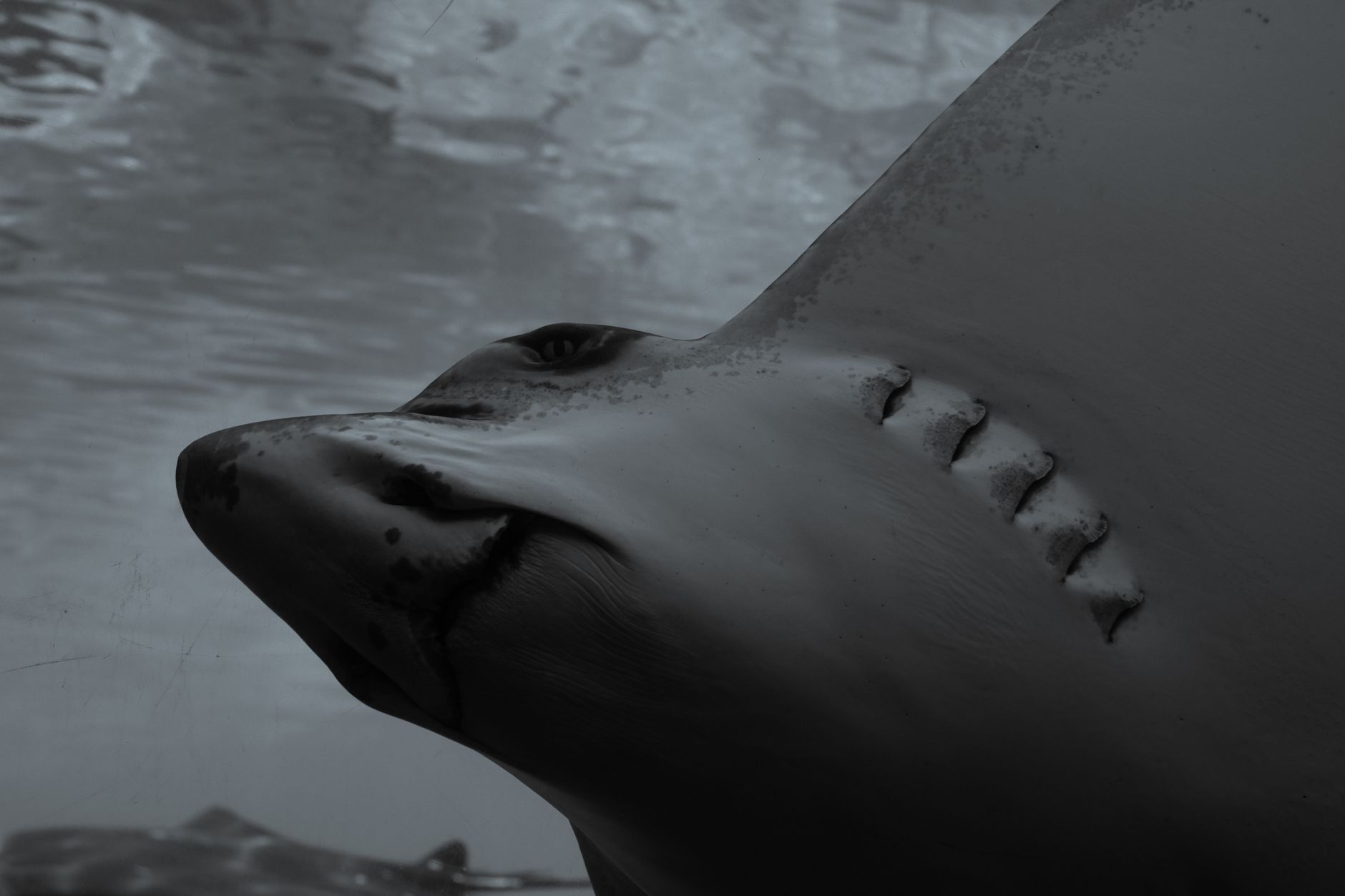
Which Shark Species Is Most Likely To Be Considered “Friendly” To Humans?
While no shark is inherently “friendly” in the way a domesticated animal is, understanding shark behavior reveals that certain species pose a significantly lower risk to humans than others. The whale shark is often considered the most ‘friendly’ shark, primarily due to its docile nature, diet consisting solely of plankton, and lack of interest in humans as prey.

Understanding “Friendliness” in Sharks
The concept of a “friendly” shark is largely a misnomer. Sharks are wild animals driven by instinct, primarily focused on survival through hunting. However, different species exhibit varying levels of aggression and possess different dietary preferences, leading to distinctions in their interactions with humans. It is important to remember that all shark encounters carry some degree of risk.
Factors Influencing Shark-Human Interactions

Several factors contribute to whether a shark is likely to interact with humans in a potentially harmful way:
- Diet: Sharks that primarily feed on fish, seals, or other large marine animals are more likely to mistake humans for prey.
- Habitat: Sharks inhabiting areas with high human activity, particularly those known for murky waters or strong currents, have a higher chance of encountering humans.
- Behavior: Some shark species are naturally more curious or aggressive than others.
- Prey Depletion: When natural prey populations are diminished, some sharks may venture closer to shore or investigate unusual objects (like humans).
The Whale Shark: A Gentle Giant
The whale shark stands out as the least threatening to humans. Here’s why:
- Plankton Feeders: Whale sharks are filter feeders, meaning they primarily consume plankton, small crustaceans, and tiny fish. They lack the teeth necessary to bite large prey.
- Docile Temperament: They are known for their calm and gentle nature. Divers and snorkelers often swim alongside them without incident.
- Immense Size: Reaching lengths of up to 40 feet, their massive size can be intimidating, but they pose no direct threat.
| Feature | Whale Shark | Great White Shark |
|---|---|---|
| Diet | Plankton, small crustaceans, tiny fish | Fish, seals, sea lions, other sharks |
| Temperament | Docile, gentle | Predatory, potentially aggressive |
| Risk to Humans | Very Low | High |
| Size | Up to 40 feet | Up to 20 feet |
| Habitat | Tropical and warm-temperate waters | Coastal waters worldwide |
Other Relatively Low-Risk Shark Species
While the whale shark is the clear frontrunner, other shark species are also considered to pose a lower risk to humans compared to apex predators like great whites and tiger sharks:
- Basking Shark: Similar to whale sharks, basking sharks are filter feeders and pose no threat.
- Nurse Shark: Nurse sharks are bottom-dwelling sharks that are generally docile but may bite if provoked.
- Leopard Shark: Leopard sharks are small, shy sharks that feed on invertebrates and small fish.
Minimizing Risk in Shark-Prone Waters
Regardless of the shark species present, it’s essential to take precautions when swimming or diving in areas known to have sharks:
- Avoid swimming at dawn or dusk, when sharks are most active.
- Do not swim alone.
- Avoid murky waters where visibility is limited.
- Do not wear shiny jewelry or clothing that might resemble fish scales.
- Avoid splashing excessively, as this can attract sharks.
- If you see a shark, remain calm and slowly back away.

Frequently Asked Questions (FAQs)
What does “friendly” really mean in the context of sharks?
The term “friendly” is misleading. It’s more accurate to say that some sharks are less likely to attack or interact with humans because of their diet and temperament. No shark should be approached with the expectation of affection or companionship.
Are there any documented cases of whale sharks attacking humans?
There are no credible documented cases of a whale shark attacking a human. Their mouths are designed for filter feeding, not biting. Incidents are usually limited to accidental bumps.
Is it safe to swim with whale sharks?
While generally safe, it’s essential to follow guidelines established by tour operators and conservation organizations. Maintain a respectful distance and avoid touching the shark.
Why do some shark attacks occur even though humans aren’t their typical prey?
Shark attacks often result from mistaken identity. Sharks may mistake surfers or swimmers for seals or other marine mammals. Curiosity and territorial defense can also play a role.
Are there any shark species that actively seek out human interaction?
No. Sharks are not inherently interested in humans as a food source or for any other purpose. Interactions are typically accidental or driven by mistaken identity.
Does feeding sharks make them more dangerous to humans?
Yes. Shark feeding can alter their natural behavior, making them more aggressive and associating humans with food. This practice is discouraged by many conservation groups.
Which shark is friendly to human as a pet?
No shark is friendly to humans as a pet. Even smaller species require specialized and extremely large enclosures, and their wild instincts remain. Keeping sharks as pets is unethical and dangerous.
What should I do if I encounter a shark while swimming?
The best course of action is to remain calm and slowly back away. Avoid sudden movements or splashing, which can attract the shark’s attention. Keep eye contact if possible.
Are shark attacks increasing globally?
While shark attacks receive a lot of media attention, the actual number of attacks has remained relatively stable over the past few decades. Increases in human populations and recreational water activities contribute to more frequent encounters.
Are certain areas of the world more prone to shark attacks?
Yes. Areas with high shark populations and popular surfing or swimming beaches tend to have a higher number of shark attacks. Examples include coastal regions of Australia, South Africa, and the United States.
What is the role of sharks in the marine ecosystem?
Sharks are apex predators that play a crucial role in maintaining the balance of the marine ecosystem. They help regulate prey populations and remove sick or weak individuals, contributing to overall ecosystem health.
How can I help protect sharks and their habitat?
Support sustainable fishing practices, reduce plastic pollution, and educate others about the importance of shark conservation. Avoid purchasing shark products, such as shark fin soup, which contribute to the unsustainable harvesting of sharks.