
Which Room Should Your Dog Sleep In? Creating the Perfect Canine Sleep Sanctuary
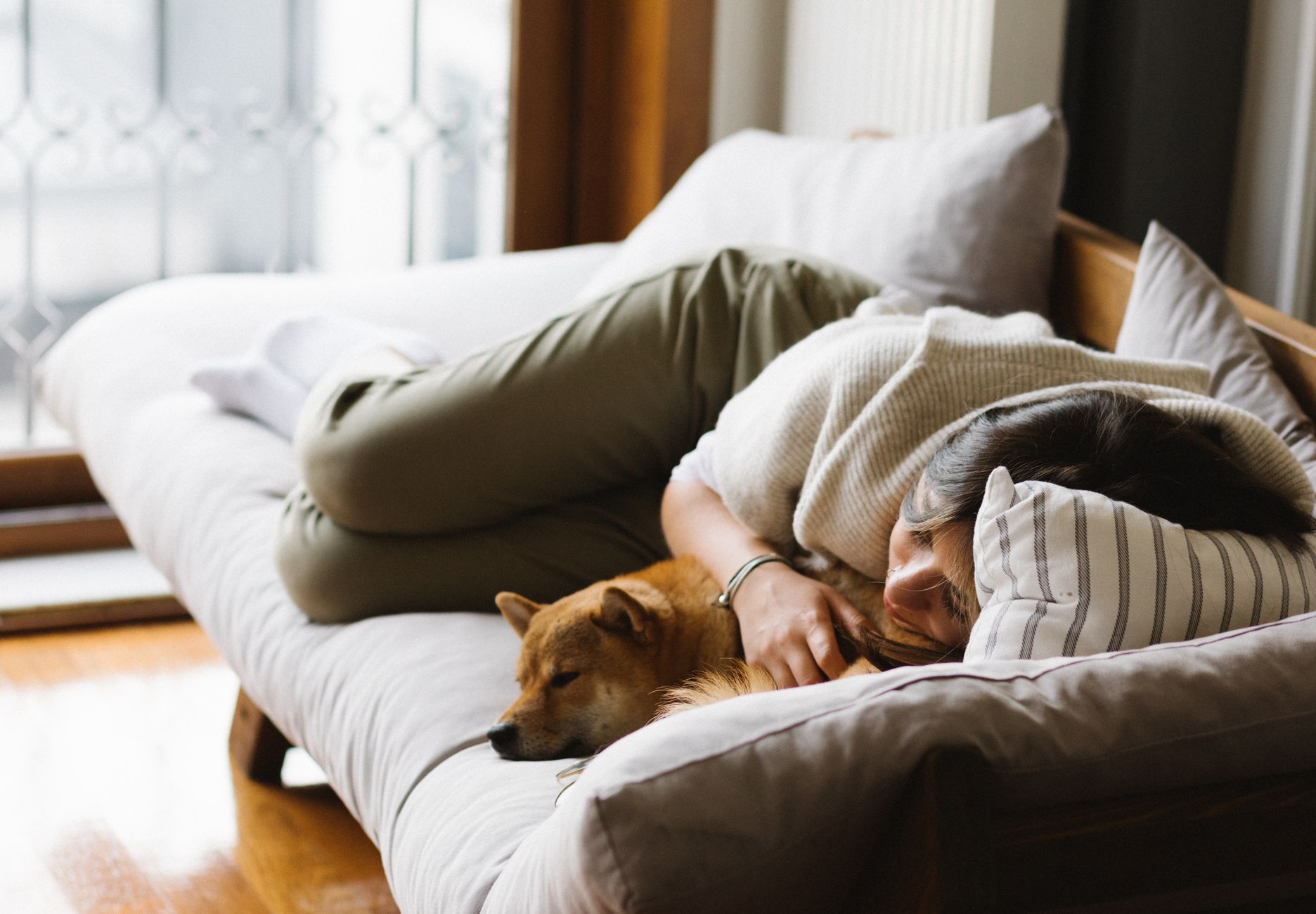
The best room for your dog to sleep in is usually one that’s safe, comfortable, and promotes a sense of security and closeness to their family. Factors such as your dog’s age, breed, health, and your personal preferences all play a crucial role in determining the ideal sleeping location.
Introduction: Understanding Canine Sleep Needs
Deciding which room should dog sleep? is a more nuanced question than many pet owners realize. A dog’s sleeping arrangement significantly impacts its physical and emotional well-being. Just like humans, dogs need a secure and comfortable environment to achieve restful sleep, which is essential for overall health and longevity. This decision shouldn’t be arbitrary, but thoughtfully considered based on several contributing factors.
The Importance of a Good Night’s Sleep for Your Dog
Sleep plays a vital role in a dog’s physical and mental health. During sleep, their bodies repair themselves, consolidate memories, and regulate hormones. Insufficient or disturbed sleep can lead to a variety of problems, including:
- Weakened immune system
- Behavioral issues (e.g., increased anxiety, aggression)
- Cognitive decline
- Increased risk of certain diseases
Factors to Consider When Choosing a Dog’s Sleeping Room
Several factors should influence your decision on which room should dog sleep?:
- Dog’s Age and Health: Puppies and senior dogs may have different needs. Puppies need frequent bathroom breaks and might benefit from sleeping closer to their owner. Senior dogs may have mobility issues or require temperature regulation. A dog with chronic health conditions might need a room that allows for easy monitoring.
- Dog’s Breed and Temperament: Some breeds are naturally more independent, while others are prone to separation anxiety. Consider your dog’s natural tendencies when choosing their sleeping space.
- Family’s Lifestyle and Preferences: Your daily routine, the presence of children, and your personal preferences are important. For example, if you have young children, keeping the dog separate from their bedrooms at night might be a sensible choice.
- House Layout and Size: The size and layout of your home will also play a role. A large house might require multiple dog beds in different areas to ensure the dog always has a comfortable spot nearby.
- Climate: In hot climates, a cool room is essential for your dog’s comfort. In colder climates, a warmer room or heated bed might be necessary.
Popular Sleeping Room Options and Their Pros & Cons
Here’s a breakdown of common choices for which room should dog sleep?, along with their advantages and disadvantages:
| Room Option | Pros | Cons | Suitable For |
|---|---|---|---|
| Owner’s Bedroom | Promotes bonding, reduces anxiety, allows for early detection of health issues. | May disrupt sleep, can reinforce dependence, potential hygiene concerns. | Dogs with separation anxiety, puppies, senior dogs needing monitoring. |
| Guest Room | Provides a dedicated space, reduces disruption, can be easily cleaned. | May feel isolating, especially if seldom used; can be seen as a form of punishment. | Independent dogs, dogs prone to shedding, owners who prioritize undisturbed sleep. |
| Living Room | Central location, allows for daytime naps near family, social integration. | High traffic area, may be noisy, potential for disturbance, not always conducive to rest. | Dogs that enjoy being part of the family activity, need supervision but are relatively independent. |
| Kitchen | Easy to clean, often cooler, allows for monitoring of feeding. | Can be chaotic, not always comfortable, may be associated with food and begging behavior. | Dogs that are prone to accidents (puppies), dogs with specific dietary needs, owners with limited options. |
| Crate in a Room | Creates a den-like space, provides security, aids in potty training. | May be perceived as confinement if not properly introduced, requires proper sizing. | Puppies, dogs prone to anxiety, dogs needing a secure space. |
Creating a Comfortable Sleep Environment
Regardless of which room should dog sleep?, focus on creating a comfortable and inviting space. Here are some tips:
- Choose the right bed: Select a bed that is appropriately sized, supportive, and made of comfortable materials.
- Provide bedding: Add blankets or pillows for extra warmth and comfort.
- Ensure adequate ventilation: The room should be well-ventilated to prevent overheating or stuffiness.
- Minimize noise and light: A quiet, dark environment is ideal for promoting restful sleep.
- Offer familiar toys or blankets: These items can provide comfort and reduce anxiety.
- Establish a routine: A consistent bedtime routine can help your dog relax and prepare for sleep.
Common Mistakes to Avoid
- Forcing a dog to sleep in a specific location: This can create negative associations and lead to anxiety.
- Ignoring the dog’s individual needs and preferences: What works for one dog may not work for another.
- Failing to provide a comfortable and safe environment: A dog’s sleeping space should be clean, dry, and free of hazards.
- Using the sleeping area as punishment: This will create negative associations and undermine its purpose.
- Inconsistency: Changing the sleeping arrangement frequently can confuse and distress the dog.
Integrating Your Dog’s Sleeping Space Gradually
Regardless of which room should dog sleep?, the integration should be gradual and positive. Start by introducing the dog to the space during the day with treats and positive reinforcement. Gradually increase the amount of time the dog spends in the room, eventually leading to overnight stays.

Frequently Asked Questions (FAQs)
How can I tell if my dog is sleeping well?
Observe your dog’s sleep patterns. Signs of good sleep include deep breathing, muscle relaxation, and occasional twitching or whimpering. If your dog is restless, frequently wakes up, or seems tired during the day, they may not be sleeping well. Consult with your veterinarian to rule out any underlying medical conditions. Consider the environment and change it as needed to meet their sleep needs.
Is it okay for my dog to sleep in my bed?
This is a personal decision. If you don’t mind sharing your bed and your dog doesn’t disrupt your sleep, it can be a comforting experience for both of you. However, it can also lead to dominance issues or exacerbate allergies.
My dog keeps whining at night. What should I do?
First, rule out any medical reasons for the whining. If your dog is healthy, they might be whining due to anxiety, boredom, or the need to go to the bathroom. Provide a comfortable sleeping environment, ensure they have plenty of exercise during the day, and establish a consistent bedtime routine.
Should I use a crate for my dog to sleep in?
Crates can provide a sense of security and be useful for potty training. However, it’s crucial to introduce the crate gradually and make it a positive experience. Never use the crate as punishment.
My dog snores loudly. Is this normal?
Some dogs snore due to their breed (e.g., brachycephalic breeds with short snouts). However, excessive snoring could also indicate an underlying health condition, such as allergies or obesity. Consult with your veterinarian.
How often should I wash my dog’s bedding?
Wash your dog’s bedding at least once a week to prevent the buildup of dirt, hair, and allergens. More frequent washing may be necessary if your dog has skin allergies or tends to get dirty.
Can I change my dog’s sleeping location after they’ve gotten used to it?
Yes, but do it gradually and positively. Introduce the new space slowly and provide plenty of reassurance. Avoid making sudden changes, as this can cause anxiety.
What if my dog chews their bed?
Choose a bed made of durable, chew-resistant materials. Provide plenty of chew toys to satisfy your dog’s natural chewing instincts. If the chewing persists, you may need to supervise your dog more closely or consider a crate.
Is it okay for my puppy to sleep in a different room than me?
It’s generally better for puppies to sleep closer to their owners, especially during the first few months. This helps them feel secure and reduces the risk of accidents. However, if you prefer to keep your puppy in a separate room, make sure they have a comfortable and safe space.
My senior dog has trouble getting up in the morning. What can I do?
Provide a supportive bed that is easy to get in and out of. Consider elevating the bed slightly to reduce strain on their joints. Make sure the room is warm and free of drafts, and consult with your veterinarian about pain management options.
What if my dog wakes me up in the middle of the night?
Determine the reason for the wake-up. They may need to go to the bathroom, be thirsty, or be experiencing anxiety. Address the underlying cause to prevent future disturbances. Ignoring the dog can cause distress.
How important is it to consider temperature when deciding which room should dog sleep?
It’s very important! Dogs can overheat or get too cold easily, especially puppies and senior dogs. Ensure the room is appropriately heated or cooled depending on the season, and provide bedding that allows your dog to regulate their body temperature. Consider a cooling mat in summer or a heated bed in winter.