

Which Part of the Crab is Poisonous? Separating Fact from Fiction
The culinary allure of crab is undeniable, but navigating the anatomy of these crustaceans can be confusing. The answer to which part of the crab is poisonous? is that some parts, primarily the gills and the digestive organs, are best avoided due to potential toxins and unpleasant taste.
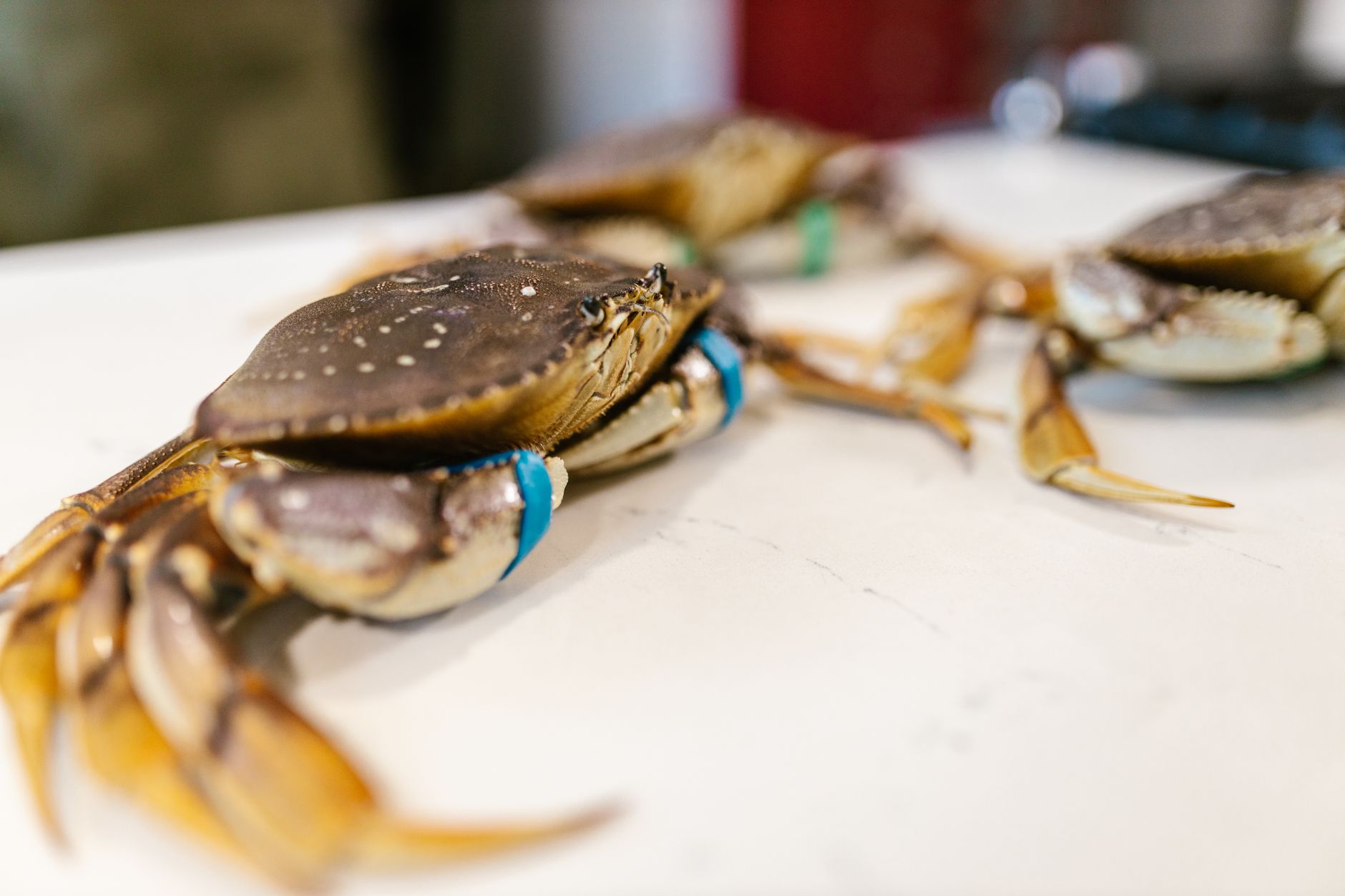
Understanding Crab Anatomy: A Culinary Guide
Crab meat is prized for its delicate flavor and nutritional value, but not all parts of the crab are created equal – or equally safe to eat. Knowing which parts to avoid is crucial for a safe and enjoyable dining experience. Let’s break down the anatomy.
- The Carapace: The hard outer shell of the crab, offering protection but no edible parts.
- The Claws: Often the most sought-after part, containing succulent meat.
- The Legs: Contain smaller amounts of meat, but still flavorful.
- The Body Meat: Found within the main body cavity, offering a unique texture and flavor.
The Risky Business: Parts to Avoid

Knowing which part of the crab is poisonous (or at least unpalatable) is essential. Here’s a breakdown of what to avoid:
- Gills (Dead Man’s Fingers): These feathery structures filter water, and can accumulate toxins and bacteria. They are absolutely not edible.
- Digestive Organs (Intestines, Stomach): Located in the central body cavity, these organs contain undigested food and waste. They are typically dark in color and should be removed.
- The Hepatopancreas (Tomally/Mustard): This organ functions as the liver and pancreas. While some consider it a delicacy, it can contain concentrated toxins and should be consumed with caution, if at all. Risk varies depending on crab species and environment.
- The Mouthparts: Located near the front of the crab, these are not typically consumed.
Why Avoid Certain Crab Parts?
The primary reason for avoiding certain crab parts boils down to two factors: toxins and taste.
- Toxins: Crabs live in aquatic environments and can accumulate toxins from their surroundings, including domoic acid or paralytic shellfish poisoning (PSP). These toxins are concentrated in the gills and digestive organs.
- Taste and Texture: The gills have a feathery, almost papery texture, and a bitter, unpleasant taste. The digestive organs contain waste, leading to an undesirable flavor.
Preparing Crab Safely: A Step-by-Step Guide
Proper preparation is key to enjoying crab safely.
- Thorough Cleaning: After cooking (boiling, steaming, or baking), carefully remove the carapace.
- Gills Removal: Remove and discard the gills on both sides of the crab.
- Digestive Tract Removal: Clean out the central body cavity, removing any dark or discolored material. The digestive tract typically appears as a dark line running through the body.
- Optional Tomalley Consumption: If you choose to consume the tomalley, do so sparingly and be aware of potential risks.
- Enjoy: Once cleaned, extract and enjoy the delicious crab meat from the claws, legs, and body.
Risk Mitigation: Selecting Safe Crab
- Source Matters: Purchase crabs from reputable seafood vendors who adhere to safety standards and regulations.
- Harvesting Location: Be aware of any advisories or warnings regarding shellfish consumption in specific harvesting areas. Some regions are prone to harmful algal blooms that can contaminate crabs with toxins.
- Cooking Thoroughly: Cooking crab thoroughly helps to kill bacteria and viruses, reducing the risk of foodborne illness.
Frequently Asked Questions (FAQs) About Crab Safety
Is crab tomalley safe to eat?
While some consider the tomalley a delicacy, its safety is questionable. It functions as the crab’s liver and pancreas, meaning it can concentrate toxins from the crab’s diet and environment. Consumption should be limited and approached with caution.
Can eating crab gills make you sick?
Yes, eating crab gills can potentially make you sick. The gills filter water and can accumulate bacteria and toxins from the crab’s environment. It is strongly advised to remove and discard them before consuming any other part of the crab.
What happens if you accidentally eat crab intestines?
Accidentally consuming crab intestines is unlikely to cause serious harm in small quantities. However, they contain waste products and can have an unpleasant taste. Larger quantities could lead to digestive upset.
Are all crab species equally risky to eat?
No, some crab species are more prone to accumulating toxins than others, depending on their diet and habitat. It’s crucial to research the specific species of crab you’re consuming and any regional advisories.
How can I tell if a crab is fresh and safe to eat?
Fresh crabs should have a briny, sea-like odor. Avoid crabs with a strong ammonia-like smell, which indicates spoilage. Live crabs should be active and responsive. Cooked crab meat should be firm and not mushy.
Is frozen crab as safe as fresh crab?
Frozen crab can be just as safe as fresh crab, provided it has been properly handled and stored. Ensure the packaging is intact and that the crab was frozen soon after being caught.
Does cooking crab eliminate all toxins?
While cooking kills bacteria and viruses, it does not necessarily eliminate all toxins that may be present in the crab. Some toxins, such as those associated with paralytic shellfish poisoning, are heat-stable and unaffected by cooking.
What are the symptoms of shellfish poisoning?
Symptoms of shellfish poisoning can vary depending on the type of toxin ingested, but may include nausea, vomiting, diarrhea, abdominal cramps, tingling or numbness in the lips, tongue, and extremities, muscle weakness, and in severe cases, paralysis and respiratory failure. Seek immediate medical attention if you experience these symptoms after consuming crab.
How do I properly clean a crab after cooking?
To properly clean a crab, start by removing the carapace. Then, remove and discard the gills (dead man’s fingers). Finally, clean out the central body cavity, removing any dark or discolored material, including the intestines.
Is it safe to eat crab from a polluted area?
It is generally not safe to eat crab harvested from polluted areas. Polluted waters can contain harmful bacteria, viruses, and toxins that can accumulate in the crab’s tissues.
What precautions should pregnant women take when eating crab?
Pregnant women should follow the same safety guidelines as everyone else. Avoid eating the gills and digestive organs, and ensure that the crab is thoroughly cooked. It is best to limit crab consumption as a general precaution. Always consult with your healthcare provider for personalized advice.
Which part of the crab is poisonous? Is there any reliable guide to help me identify that?
The most commonly implicated parts that you should avoid are the gills and the digestive organs (including the intestines). If you are unsure, it is always best to err on the side of caution and remove any questionable parts before consuming the crab. Online resources and guides featuring clear anatomical diagrams of crabs can also be very helpful in visually identifying which parts to avoid. Purchasing crabs from reputable seafood vendors ensures that the product has been handled with safety in mind.