

Which Direction is Best for a Bird Box?
The best direction for a bird box is generally considered to be facing between northeast and southeast, sheltering the entrance from prevailing winds and strong sunlight while still providing good light levels. This orientation offers the most protection from harsh weather and predators.
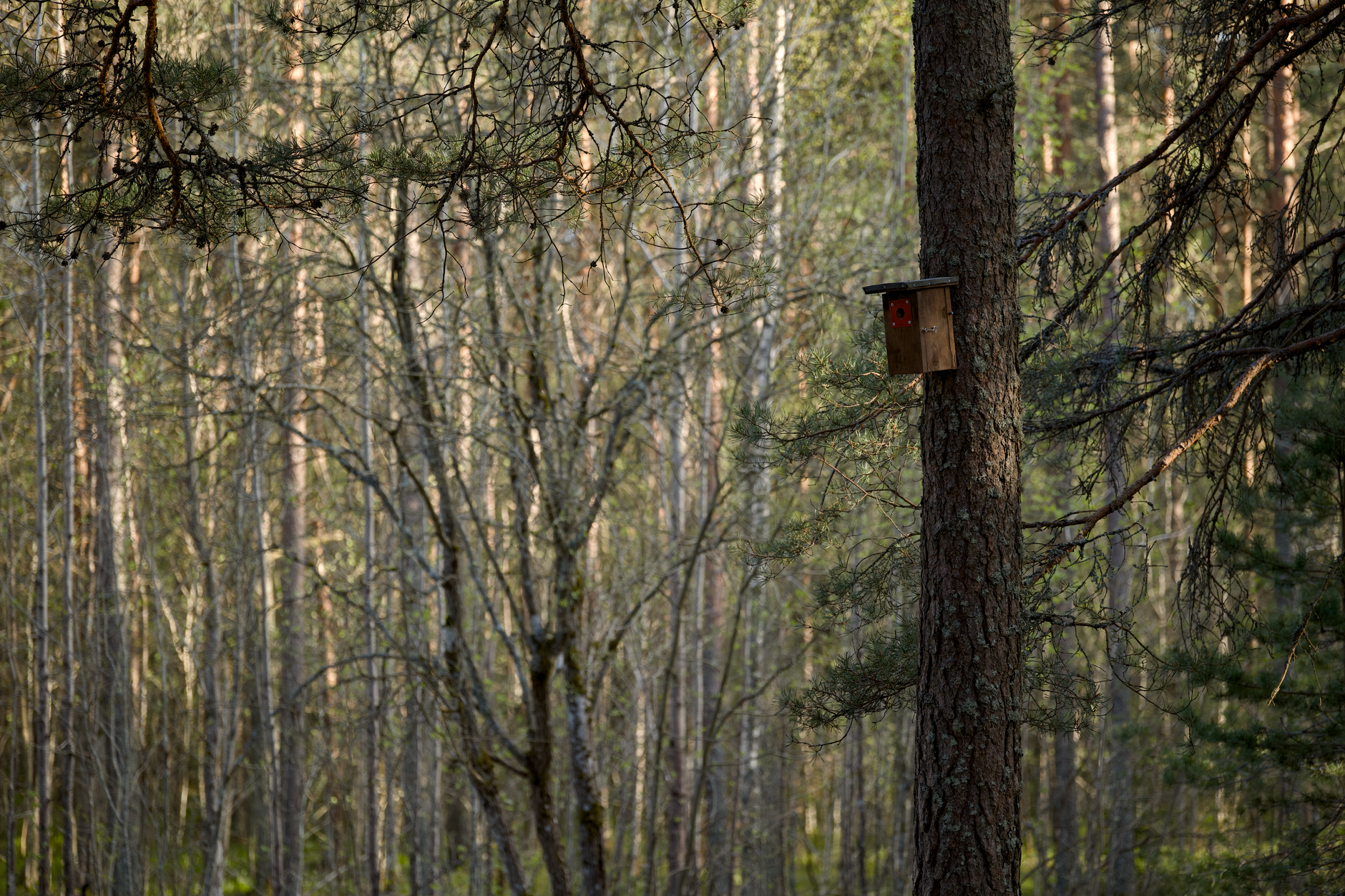
Introduction: A Safe Haven for Feathered Friends
Providing a bird box can significantly contribute to local bird populations, offering them much-needed nesting sites, especially in areas where natural cavities are scarce. But simply putting up a bird box isn’t enough; its placement and orientation are crucial to its success. Which direction is best for a bird box? Understanding the factors influencing this decision will increase the chances of your box becoming a welcoming home for birds.
Understanding Environmental Factors

The environment surrounding your bird box directly impacts its suitability for nesting birds. Several factors come into play:
- Wind: Prevailing winds can make a bird box uncomfortable and even dangerous, especially for fledglings.
- Sunlight: Excessive direct sunlight can overheat the box, potentially harming or even killing nestlings.
- Rain: Driving rain can soak the nest and chill the chicks.
- Predators: Visibility and accessibility for predators are also important considerations.
The Northeast to Southeast Sweet Spot
As stated in the opening summary, the generally accepted “sweet spot” for bird box orientation is between northeast and southeast. Let’s break down why this range is preferred.
- Protection from Prevailing Winds: In many regions, prevailing winds come from the west or southwest. Facing the box away from these winds minimizes drafts and rain entering the box.
- Avoiding Direct Sunlight: A northeast to southeast facing box receives morning sun, providing warmth, but avoids the harsh afternoon sun that can overheat the box.
- Moderate Sunlight Exposure: Some sunlight is important for warmth and helping to dry out the nest. The morning sun provides this benefit without being overwhelming.
Other Orientation Considerations
While northeast to southeast is the general recommendation, there are situations where other directions might be more suitable:
- Sheltered Locations: If the bird box is well-sheltered by trees or buildings, the direction becomes less critical.
- Local Conditions: Observe the specific conditions in your area. If your location experiences strong winds from a different direction, adjust the orientation accordingly.
- Predator Access: Avoid facing the box directly towards obvious predator perches like fences or branches.
Best Height for Bird Box Mounting
The ideal height for mounting a bird box varies depending on the species you are hoping to attract. A general guideline is:
| Species | Recommended Height (feet) |
|---|---|
| Bluebirds | 5-6 |
| Chickadees | 6-15 |
| Wrens | 6-10 |
| Tree Swallows | 6-15 |
Common Mistakes in Bird Box Placement
- Mounting the Box Too High: Birds need to feel safe and secure, which is often better achieved at lower heights (within their comfort zone).
- Placing the Box in Direct Sunlight: As mentioned, overheating can be deadly.
- Ignoring Predator Access: Consider how predators might reach the box and take steps to deter them.
- Overlooking Noise Pollution: Avoid placing the box near busy roads or other sources of excessive noise.
Best Practices for Bird Box Maintenance
- Annual Cleaning: Clean out the old nest material after the breeding season (usually in late summer or early autumn).
- Repairs: Check for any damage and make necessary repairs to ensure the box remains weatherproof and secure.
- Monitoring: Observe the box to see what species are using it and make adjustments as needed.

Frequently Asked Questions (FAQs)
Does the type of bird box material affect the optimal direction?
Yes, the material of the bird box can influence the optimal direction. For example, metal boxes heat up more quickly in direct sunlight, making a northeast-facing orientation even more crucial. Conversely, thicker wooden boxes offer better insulation and may tolerate a slightly wider range of orientations.
What if I can only mount the bird box facing west?
If a west-facing orientation is unavoidable, consider adding extra shade to the box. This could involve planting a shrub or tree to the west of the box or adding an overhanging roof to the box itself. Regularly check the box’s temperature during hot afternoons.
How important is it to consider prevailing winds?
Considering prevailing winds is extremely important. Strong winds can make the box uncomfortable and even dangerous for nestlings. Choose a location that offers some protection from the wind.
Are there specific directions to avoid altogether?
Generally, it’s best to avoid facing the bird box directly south or west if possible, due to the intense afternoon sun and prevailing winds, respectively. However, local conditions always need to be considered.
What kind of trees or shrubs should I plant near the bird box?
Planting native trees and shrubs provides food and shelter for birds and can also help to shade the bird box. Consider species that offer berries or attract insects, which are valuable food sources for nesting birds.
Does the color of the bird box impact the direction it should face?
Darker-colored bird boxes absorb more heat, making them more susceptible to overheating. If you have a dark-colored box, a northeast-facing orientation is even more important. Lighter-colored boxes reflect more sunlight and may be more tolerant of a wider range of orientations.
How can I deter predators from accessing the bird box?
Several methods can deter predators:
- Install a predator guard around the entrance hole.
- Choose a location that is difficult for predators to reach.
- Avoid mounting the box on a tree with branches that are easily accessible to cats.
How often should I check the bird box after it’s been mounted?
It’s best to avoid disturbing nesting birds as much as possible. Observe the box from a distance to see if it is being used. Check the box after the breeding season to clean it out and make any necessary repairs.
What if birds don’t use the bird box in the first year?
It can take time for birds to find and accept a new bird box. Don’t be discouraged if it’s not used immediately. Make sure the box is clean and in good repair, and consider moving it to a different location if it remains unused after a year or two.
Does the direction matter more for certain bird species?
Yes, some bird species are more sensitive to the orientation of the bird box than others. For example, species that nest in warmer climates may be more tolerant of a south-facing box than species that prefer cooler conditions.
How do I know if the bird box is getting too hot?
You can check the temperature inside the box on a hot day. If it feels excessively hot to the touch, consider adding more shade or moving the box to a cooler location.
If I live in a very cold climate, does the direction need to be adjusted?
In very cold climates, a south-facing orientation might be beneficial, providing more warmth during the winter months. However, it’s still important to consider the potential for overheating during the summer. Ensure the box is well-insulated to protect against both cold and heat. The overall goal is to create a safe and habitable home, so which direction is best for a bird box will depend on the local environmental conditions.