

Which California Beach Has Seals?
Numerous California beaches offer opportunities to observe seals in their natural habitat, but Point Lobos State Natural Reserve near Carmel-by-the-Sea, and Año Nuevo State Park south of San Francisco, are among the best known and most accessible for guaranteed sightings.
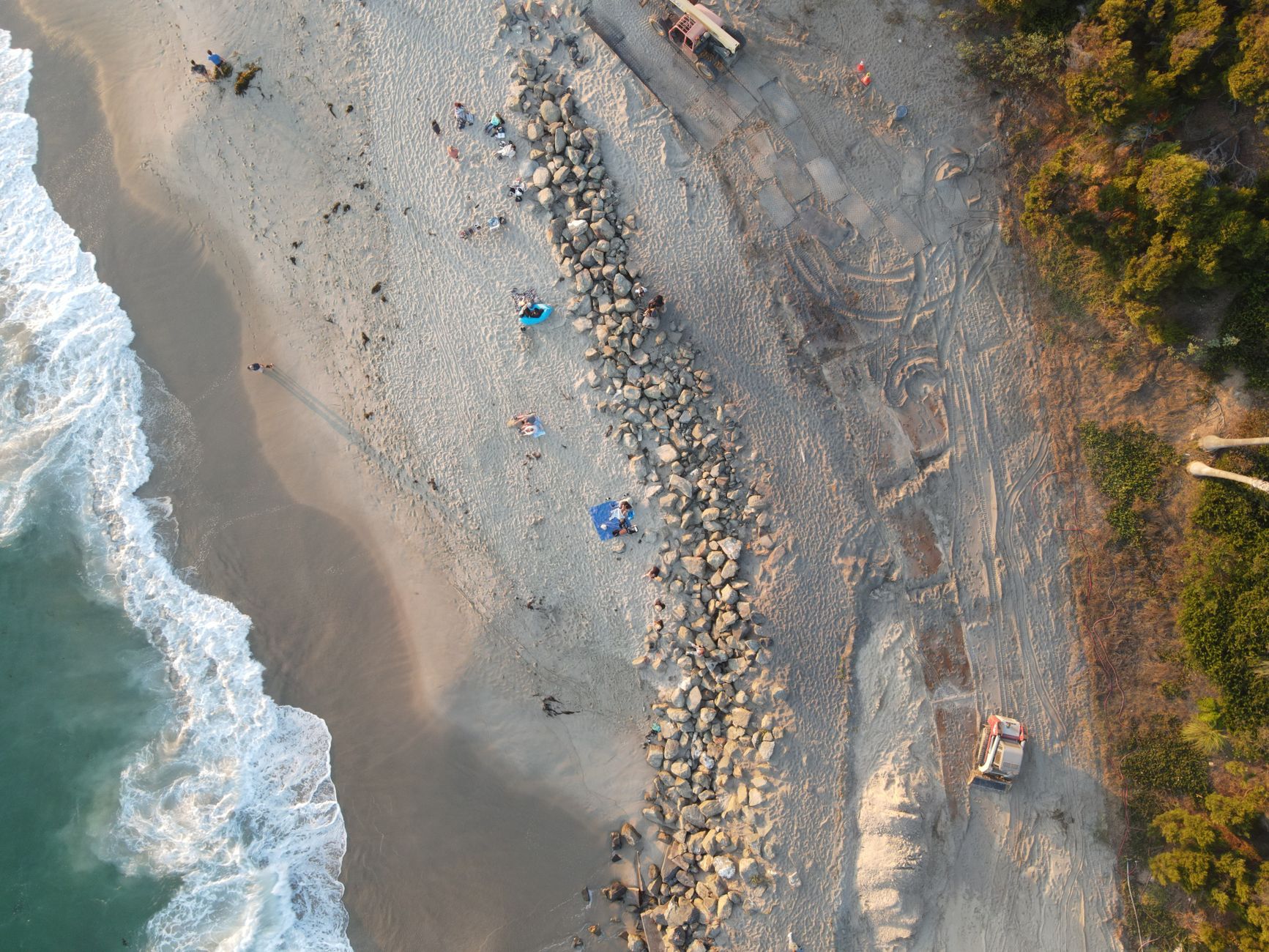
Introduction: California’s Seal Havens
California’s coastline is a thriving ecosystem, home to a diverse range of marine life, including the charismatic and often playful seal. Observing these animals in their natural environment is a rewarding experience. However, it is crucial to do so responsibly, maintaining a safe distance and respecting their space. This article delves into which California beach has seals and provides insights for planning a respectful and enjoyable wildlife viewing experience.
The Star Attractions: Harbor Seals and Elephant Seals

While multiple seal species may occasionally visit California shores, the most common species you’ll encounter are the harbor seal and the northern elephant seal. These two species have established significant breeding colonies at various points along the coast.
- Harbor Seals: Smaller and more numerous, harbor seals are known for their spotted coats and docile nature.
- Northern Elephant Seals: These massive creatures are easily identifiable by the males’ prominent noses, which resemble an elephant’s trunk. During breeding season, these beaches teem with activity.
Prime Seal-Viewing Locations
Which California beach has seals in abundant numbers? Let’s explore some top locations:
- Año Nuevo State Park: Famous for its northern elephant seal rookery, offering guided walks during breeding season (December-March). Reservations are often required. This site is arguably the best place to observe elephant seals up close (though with restrictions).
- Point Lobos State Natural Reserve: Offers stunning coastal scenery and frequent sightings of harbor seals hauled out on rocks and swimming in the kelp forests. This is a great choice for photographers.
- Monterey Bay: Seals can be seen from various points along the Monterey Bay shoreline, including Fisherman’s Wharf and Cannery Row.
- La Jolla Cove: A popular spot in Southern California where seals often haul out on the beach. Be aware of large crowds, especially on weekends.
- Piedras Blancas: Just north of San Simeon, home to a large and easily accessible elephant seal colony.
Responsible Seal Viewing: Guidelines for Respect
Watching seals in their natural habitat is a privilege. To ensure these animals thrive and to avoid disrupting their behavior, follow these guidelines:
- Maintain a safe distance: Use binoculars or a telephoto lens for close-up views.
- Avoid making loud noises: Keep your voice down to prevent startling the seals.
- Never feed the seals: Feeding wildlife can alter their natural behaviors and make them dependent on humans.
- Keep dogs on leash: Dogs can frighten or injure seals.
- Respect closures: Certain areas may be closed to protect seals during breeding or pupping season.
- Observe from a distance Do not approach a seal, especially if it’s looking at you
Planning Your Trip: Timing and Considerations
The best time to view seals depends on the location and species you’re hoping to see.
| Location | Species | Best Viewing Time |
|---|---|---|
| Año Nuevo State Park | Elephant Seals | December – March (breeding) |
| Point Lobos State Reserve | Harbor Seals | Year-round |
| Piedras Blancas | Elephant Seals | Year-round, Peak Winter |
Consider weather conditions, accessibility, and any park fees or reservation requirements before you go. Some locations offer guided tours, providing valuable insights into seal behavior and ecology.
Equipment for a Seal-Watching Adventure
- Binoculars: Essential for observing seals from a safe distance.
- Camera with telephoto lens: For capturing stunning photos.
- Sunscreen and hat: Protect yourself from the sun.
- Layers of clothing: Coastal weather can be unpredictable.
- Water and snacks: Stay hydrated and energized.
Comparing the Best California Beach to see Seals
When deciding which California beach has seals and is the best fit for you, here’s a comparison:
| Beach | Species | Accessibility | Crowds | Notes |
|---|---|---|---|---|
| Año Nuevo State Park | Elephant Seals | Limited | High | Guided walks during breeding season; reservations often required. |
| Point Lobos State Reserve | Harbor Seals | Good | Moderate | Scenic beauty; excellent for photographers. |
| Piedras Blancas | Elephant Seals | Excellent | High | Large, easily accessible colony; close-up views. |
| La Jolla Cove | Harbor Seals | Good | Very High | Convenient location; often crowded. |

FAQs
What’s the difference between a seal and a sea lion?
Seals and sea lions are both pinnipeds, but they have distinct characteristics. Seals generally lack external ear flaps, have shorter flippers, and move on land by wiggling their bodies. Sea lions have external ear flaps, longer flippers, and can walk on all fours. Visually, this is the easiest way to differentiate them.
When is the best time to see elephant seals pupping?
The peak pupping season for northern elephant seals is typically from late December through February. During this time, beaches like Año Nuevo State Park and Piedras Blancas become bustling nurseries, offering a remarkable spectacle.
Is it dangerous to be near seals?
While seals are generally docile, they are wild animals and can bite if they feel threatened. It’s essential to maintain a safe distance and avoid approaching or disturbing them.
How can I help protect seals and their habitat?
Support organizations dedicated to marine mammal conservation, reduce your use of single-use plastics (which can harm marine life), and be mindful of your impact on coastal ecosystems. Report any signs of distressed or injured seals to local authorities or marine mammal rescue organizations.
Can I swim with seals in California?
While it may be tempting, swimming with seals is generally discouraged and sometimes prohibited. Seals are wild animals, and approaching them too closely can disturb their natural behavior. Moreover, in some locations, disturbing seals can lead to fines.
What should I do if I see a stranded seal?
Do not approach or touch the seal. Contact your local marine mammal stranding network. They are trained to assess the animal’s condition and provide appropriate assistance. In most areas, touching the seal will cause the stranding to become a rescue case.
Are there any permits needed to view seals at specific locations?
Some locations, like Año Nuevo State Park during elephant seal breeding season, require permits or reservations for guided walks. Check the specific park’s website or contact them directly for details.
What do seals eat?
Seals have a varied diet that includes fish, squid, crustaceans, and other marine invertebrates. The specific diet varies depending on the species and location.
Are seals protected by law?
Yes, seals are protected under the Marine Mammal Protection Act (MMPA). This law prohibits the harassment, hunting, capture, or killing of marine mammals.
Where in Southern California can I see seals?
La Jolla Cove is a prime location in Southern California to view harbor seals. They frequently haul out on the beach, although crowds can be significant, especially on weekends.
Are dogs allowed on beaches where seals are present?
In most cases, dogs are not allowed on beaches frequented by seals, or they must be kept on a leash. This is to prevent dogs from disturbing or injuring the seals. Check local regulations before bringing your dog to the beach.
What months are best for seeing seals near the beaches of California?
Generally speaking, any time of the year is good for seal-watching in California, though the best timing will be at the breeding season of the specific seal colony you’re visiting. Elephant seals breed in the winter, while harbor seals give birth in the spring and summer. Regardless of when you visit, remember to respect these wild animals and keep your distance!