
Which Bird Has a Colourful Tail? A Kaleidoscope of Plumage
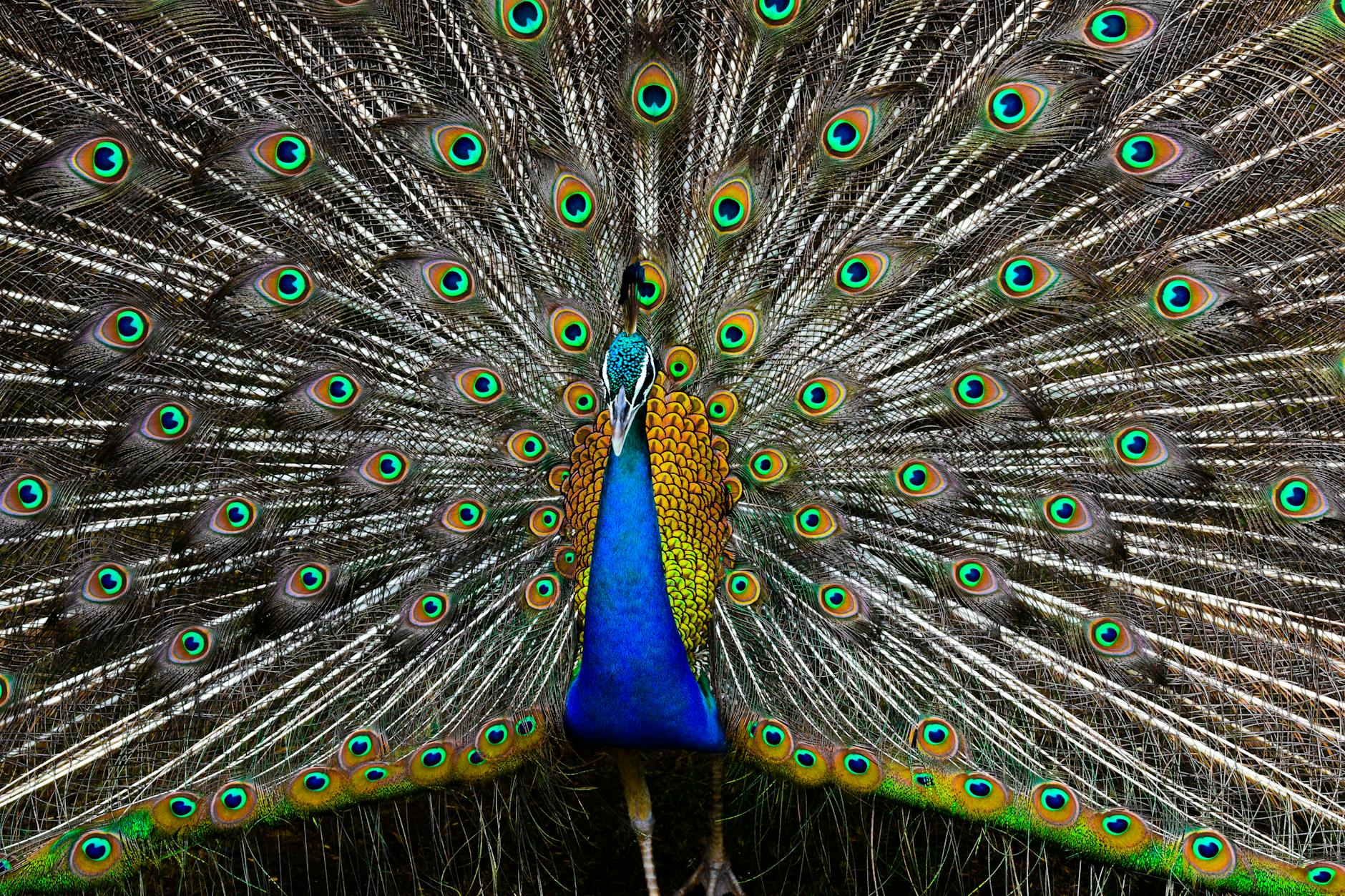
The world boasts countless birds with vibrant tails, but the peacock unequivocally reigns supreme as the most recognized example of a bird celebrated for its colourful tail, a dazzling display of iridescent beauty used for courtship.

Introduction: The Allure of Colourful Tails
The avian world is a canvas painted with a dazzling array of colours, and nowhere is this more evident than in the tails of many bird species. These vibrant appendages serve a variety of crucial functions, from attracting mates to providing essential aerodynamic control during flight. Understanding which bird has a colourful tail is not merely a question of aesthetics; it unlocks a deeper appreciation for the intricate evolutionary strategies that drive the natural world. This exploration delves into the mesmerizing spectrum of avian tail plumage, highlighting some of the most spectacular examples found across the globe and answering the question of which bird has a colourful tail.
The Significance of Colour in Avian Tails

Colour plays a pivotal role in the lives of birds, particularly in their tails. These colours are not simply random embellishments; they are often the result of carefully evolved adaptations that serve distinct purposes:
- Mate Attraction: Bright, showy tails are often used by males to attract potential mates. The vibrancy and complexity of the tail can indicate the male’s health, genetic quality, and overall fitness. A more vibrant tail often indicates a more successful male.
- Camouflage and Deception: While bright colours are often associated with display, some colourful tails can also serve as camouflage. Iridescent colours can break up the bird’s outline in dense foliage, making it harder for predators to spot.
- Aerodynamics and Flight Control: The shape and structure of the tail feathers are essential for flight. Different tail shapes allow birds to maneuver in the air with varying degrees of agility and precision. The colours themselves do not directly affect aerodynamics, but their presence is linked to the overall health and quality of the bird, indirectly impacting flight performance.
- Species Recognition: Distinct tail patterns and colours can help birds of the same species identify each other, facilitating communication and social interaction.
Notable Birds with Colourful Tails
Identifying just which bird has a colourful tail is a challenging task, given the sheer diversity of avian species. However, certain birds stand out for the sheer brilliance and complexity of their tail plumage:
- Peacocks: As mentioned, these birds are iconic examples, their magnificent trains not technically tails, but elongated upper tail coverts. Their iridescent blue, green, and gold plumage, adorned with eye-like spots (ocelli), is an unparalleled spectacle.
- Birds of Paradise: Found in New Guinea, these birds are renowned for their extravagant and often bizarre tail feathers. Each species boasts unique colours, shapes, and patterns, making them some of the most visually stunning birds on Earth.
- Quetzals: Central American quetzals, particularly the Resplendent Quetzal, possess long, iridescent green tail feathers that shimmer in the sunlight. These birds are revered in Mesoamerican cultures and are considered symbols of beauty and freedom.
- Macaws: These large parrots from South America are known for their vibrant colours, including brilliant blues, reds, yellows, and greens. Their long, colourful tails contribute to their striking appearance.
- Painted Buntings: While smaller than the other birds on this list, the male Painted Bunting boasts a vibrant combination of blue, green, red, and yellow plumage, including a colourful tail.
The Evolutionary Drivers of Tail Colouration
The evolution of colourful tails is driven by a complex interplay of natural and sexual selection.
- Sexual Selection: Darwin’s theory of sexual selection suggests that traits that enhance an individual’s attractiveness to potential mates, even if they compromise survival, can be favoured by evolution. Colourful tails are often a prime example of this, as males with the most elaborate and vibrant tails are more likely to attract mates, even if those tails make them more conspicuous to predators.
- Natural Selection: While sexual selection often drives the evolution of extravagant colours, natural selection plays a role in shaping the specific colours and patterns that are most advantageous in a given environment. For example, birds living in dense forests might evolve iridescent colours that provide camouflage by reflecting light in a way that breaks up their outline.
The Chemicals Behind the Colours
The colours in birds’ tails are produced by a combination of pigments and structural colouration.
- Pigments: These are molecules that absorb certain wavelengths of light and reflect others. Common pigments in bird feathers include melanins (producing blacks, browns, and greys), carotenoids (producing reds, oranges, and yellows), and porphyrins (producing reds, browns, and greens).
- Structural Colouration: This occurs when the microscopic structure of the feather interacts with light to produce iridescent or metallic colours. Examples include the iridescent blues and greens of peacock feathers, which are created by the scattering of light by tiny, regularly spaced structures within the feathers.
Table Comparing Birds With Colorful Tails
| Bird | Tail Colour(s) | Primary Function | Habitat |
|---|---|---|---|
| Peacock | Iridescent blue, green, gold | Mate attraction, display | Forests, grasslands |
| Bird of Paradise | Varies by species, often vibrant reds, yellows, blues | Mate attraction, species recognition | Rainforests |
| Resplendent Quetzal | Iridescent green | Mate attraction, display | Cloud forests |
| Macaw | Blue, red, yellow, green | Social signaling, species recognition | Tropical rainforests |
| Painted Bunting | Blue, green, red, yellow | Mate attraction, territorial defense | Brushy areas, woodlands |

Frequently Asked Questions (FAQs)
Which bird has a Colourful tail and is also a symbol of luxury?
The peacock, with its dazzling array of iridescent tail feathers, is not only a bird boasting a colourful tail, but also a long-standing symbol of luxury, royalty, and beauty across many cultures.
What is the function of the “eyes” on a peacock’s tail?
The “eyes,” or ocelli, on a peacock’s tail are primarily used for mate attraction. Research suggests that females, or peahens, prefer males with more ocelli, larger ocelli, and greater iridescence.
Are the colourful tail feathers on peacocks actually their tails?
Technically, no. The long, iridescent feathers on a peacock are not actually tail feathers, but rather elongated upper tail coverts. The true tail feathers are shorter and support the train. The train is the visual spectacle associated with peacocks and their colourful tails.
Which bird has a Colourful tail and is considered sacred in some cultures?
The Resplendent Quetzal, with its long, flowing, iridescent green tail feathers, is considered sacred in several Mesoamerican cultures, representing freedom, goodness, and light. Identifying which bird has a colourful tail that also carries such cultural significance is fascinating.
How do birds create iridescent colours in their tails?
Iridescent colours are created through structural colouration. Tiny, regularly spaced structures within the feathers scatter light, producing a shimmering effect that changes with the viewing angle.
Do female birds ever have colourful tails?
While colourful tails are more common in males, some female birds also exhibit vibrant tail plumage. In some species, both males and females have colourful tails, which may be used for mutual mate attraction or species recognition.
Which bird has a Colourful tail and can be found in New Guinea?
The diverse group of Birds of Paradise, found primarily in New Guinea, boasts some of the most spectacular and unique colourful tails in the avian world.
What is the role of carotenoid pigments in bird tail colouration?
Carotenoid pigments are responsible for producing red, orange, and yellow colours in bird feathers. These pigments are obtained through the bird’s diet, and the intensity of the colour can reflect the bird’s health and nutritional status.
Do birds shed their tail feathers?
Yes, birds regularly shed their tail feathers during molting. This is a natural process in which old, damaged feathers are replaced with new ones.
How do scientists study the colours in bird tails?
Scientists use a variety of techniques to study bird tail colours, including spectrophotometry (measuring the wavelengths of light reflected by the feathers), microscopy (examining the microscopic structure of the feathers), and chemical analysis (identifying the pigments present in the feathers).
Which bird has a Colourful tail and uses it to attract a mate through a courtship dance?
Many birds use their colourful tails as part of elaborate courtship displays. Birds of Paradise are particularly well-known for their complex dances, where males showcase their vibrant tail plumage to attract females. Knowing which bird has a colourful tail and employs it in such a dynamic display is truly captivating.
Can pollution affect the colours of birds’ tails?
Yes, pollution can negatively impact the colours of birds’ tails. Exposure to pollutants can damage feathers, reduce the availability of pigments, and impair the bird’s ability to produce vibrant plumage. This can affect their ability to attract mates and survive.