
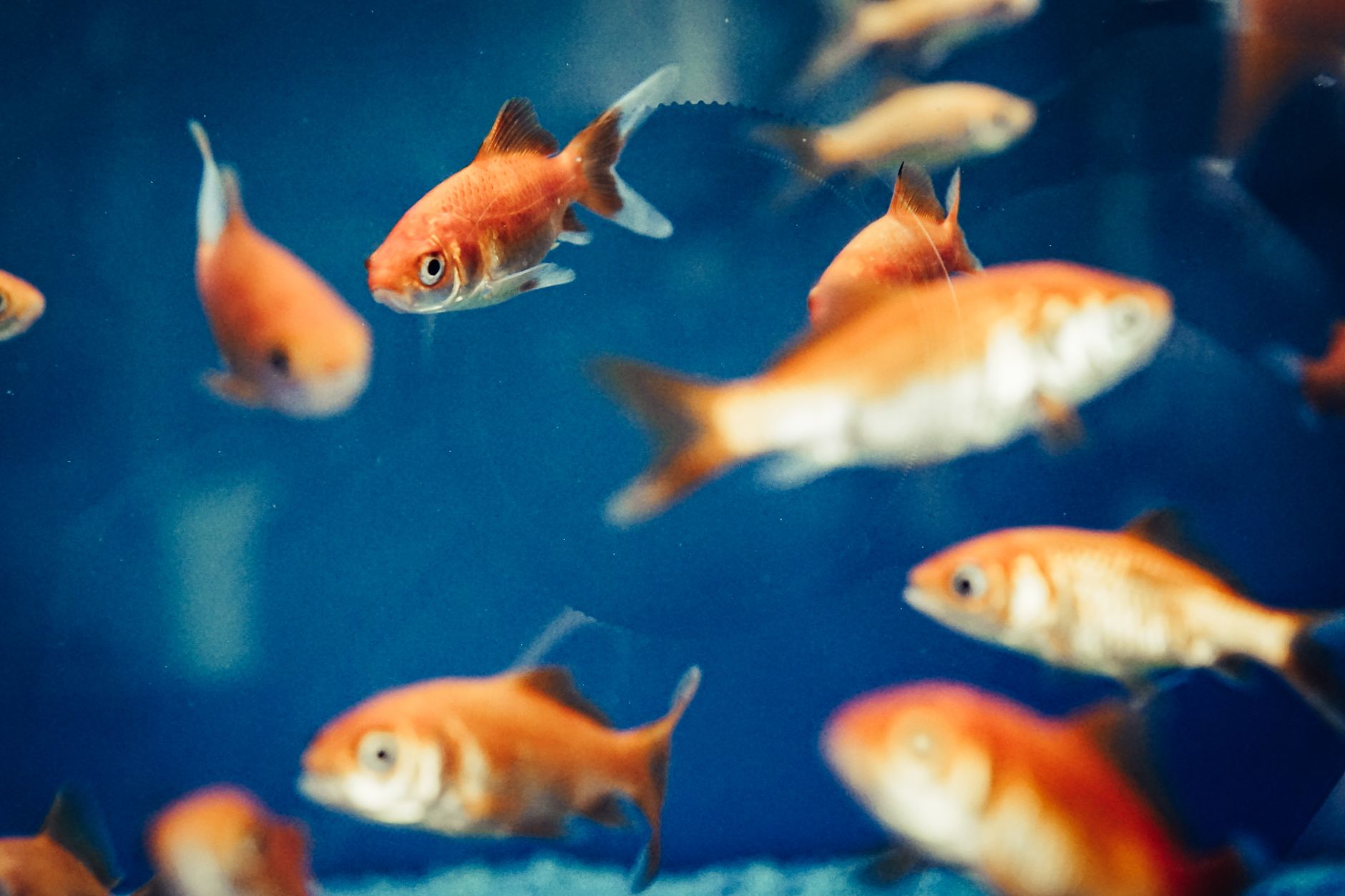
Where Do Goldfish Live Naturally?: Unveiling the Wild Ancestry
The natural habitat of the goldfish isn’t a shimmering bowl, but rather the slow-moving rivers and shallow, weedy lakes of East Asia. These hardy fish are descendants of the Prussian carp and have adapted to these specific environments for millennia.

The image of a goldfish often conjures up visions of small glass bowls, plastic castles, and floating food flakes. However, this domesticated life is a far cry from the ancestral origins of this popular pet. To truly understand the goldfish, we must delve into the question: Where do goldfish live naturally? This exploration reveals a fascinating journey from wild carp to the vibrant, diverse breeds we see today, and provides insights into their ecological roles and conservation considerations.
Tracing the Origins: The Prussian Carp Connection
The common goldfish, Carassius auratus, didn’t simply materialize in a pet store. Its lineage traces back to the Prussian carp, also known as Carassius gibelio, a fish native to East Asia. Understanding the natural habitat of the Prussian carp is crucial to answering, “Where do goldfish live naturally?“
- Geographic Distribution: Prussian carp thrive across a wide range of habitats in eastern Asia, including China, Korea, Japan, and parts of Russia.
- Habitat Preference: They prefer slow-moving or still waters, such as:
- Rivers
- Lakes
- Ponds
- Oxbows
- Marshy areas
The Ideal Natural Habitat for Wild Goldfish Ancestors
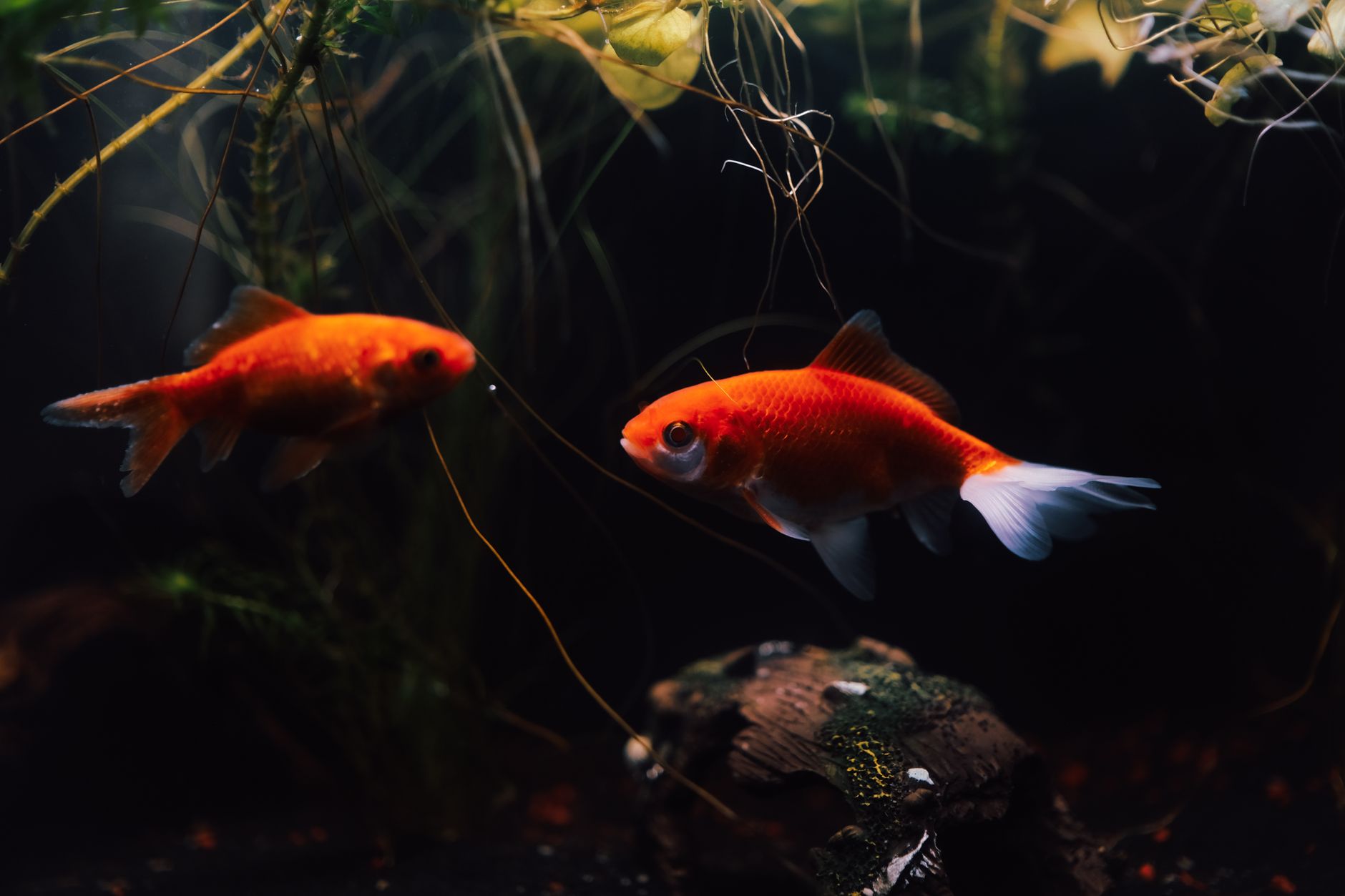
The ideal natural habitat for the wild ancestors of goldfish is characterized by several key features:
- Shallow Water: The carp prefer shallow areas where sunlight penetrates, promoting the growth of aquatic plants.
- Abundant Vegetation: These plants provide:
- Shelter from predators
- Spawning grounds
- A source of food, both directly and indirectly, by supporting populations of insects and other invertebrates.
- Muddy or Silty Bottoms: The soft substrate allows them to forage for food buried in the sediment.
- Moderate Water Temperatures: While tolerant of a range of temperatures, they thrive in waters that remain relatively warm during the summer months.
- Low Oxygen Levels: Prussian carp are remarkably tolerant of low oxygen conditions, allowing them to survive in environments where other fish species may struggle.
The Domestication Journey: From Carp to Colorful Companion
The domestication of goldfish began in China centuries ago. Selective breeding practices, driven by aesthetic preferences, transformed the drab Prussian carp into the vibrant, varied breeds we know today. During the Song Dynasty (960-1279 AD), keeping carp in ornamental ponds became popular, and variations in color began to be noticed and selectively bred.
- Early Selective Breeding: Focused on color variations, particularly gold, yellow, and orange.
- Further Development: Subsequent breeding efforts led to variations in fin shape, body structure, and eye configuration.
- Global Spread: Goldfish eventually made their way to other parts of the world, including Europe and North America, where they became popular pets.
The Impact of Introduced Goldfish Populations
While goldfish are native to East Asia, they have been introduced into aquatic ecosystems around the world, often with negative consequences. Released or escaped pet goldfish can establish themselves in natural environments, impacting native species and disrupting ecological balance. So while we ask, “Where do goldfish live naturally?” we must acknowledge the impacts of their unnatural expansion.
- Competition: Goldfish compete with native fish species for food and habitat.
- Habitat Alteration: They can stir up sediments, reducing water clarity and affecting aquatic plants.
- Disease Transmission: Introduced goldfish can carry diseases that can harm native fish populations.
- Hybridization: Goldfish can hybridize with other carp species, potentially diluting the genetic integrity of native populations.
Conservation Considerations
Understanding the origins and impacts of goldfish populations is crucial for conservation efforts. Responsible pet ownership, including preventing the release of goldfish into the wild, is essential. Additionally, management strategies may be necessary to control or eradicate established populations in areas where they pose a threat to native ecosystems. This all stems from knowing, “Where do goldfish live naturally?” so we can understand where they do not belong.

Frequently Asked Questions (FAQs)
Are goldfish considered an invasive species?
Yes, in many regions outside of their native range in East Asia, goldfish are considered an invasive species. They can outcompete native fish for resources and disrupt aquatic ecosystems. This is why responsible pet ownership is crucial.
Can goldfish survive in the wild?
Absolutely. Goldfish are surprisingly hardy and can survive in a variety of freshwater environments. They can tolerate low oxygen levels and a wide range of temperatures, making them adaptable to different conditions. However, surviving and thriving are different things, and introduced populations can have detrimental effects.
What do goldfish eat in the wild?
In their natural habitat, goldfish are omnivores. They feed on a variety of items, including:
- Aquatic plants
- Algae
- Insects
- Small crustaceans
- Detritus
Do goldfish have any natural predators?
Yes, in their natural range, goldfish are preyed upon by various species of fish, birds, and mammals. Larger predatory fish, herons, kingfishers, and even otters may prey on goldfish.
How long do goldfish live in the wild?
The lifespan of a goldfish in the wild can vary depending on environmental conditions and predation pressure. While they can potentially live for several years, their lifespan is often shorter than that of pet goldfish due to the challenges of surviving in a natural environment.
Do goldfish need sunlight in their natural habitat?
Yes, sunlight is important for goldfish in their natural habitat. Sunlight promotes the growth of aquatic plants, which provide food and shelter for goldfish and other aquatic organisms.
Can goldfish interbreed with other carp species in the wild?
Yes, goldfish can hybridize with other carp species, such as Prussian carp and common carp, in the wild. This can lead to genetic mixing and potentially affect the long-term viability of native populations.
What is the ideal water temperature for goldfish in their natural habitat?
While goldfish can tolerate a range of temperatures, they generally prefer water temperatures between 68°F and 74°F (20°C and 23°C). However, they can also survive in cooler or warmer waters for short periods.
Do goldfish hibernate in the wild?
Goldfish do not technically hibernate, but they can become less active during the colder months. Their metabolism slows down, and they may spend more time near the bottom of the waterbody.
How does water quality affect goldfish in their natural habitat?
Water quality is crucial for the health and survival of goldfish in their natural habitat. Poor water quality, such as high levels of pollutants or low oxygen levels, can stress goldfish and make them more susceptible to disease.
Are there any conservation efforts focused on protecting goldfish in their natural habitat?
While goldfish themselves are not typically the focus of conservation efforts, conservation initiatives that protect and restore aquatic ecosystems in East Asia can indirectly benefit goldfish populations. These efforts often focus on improving water quality, managing invasive species, and protecting native fish populations.
What are the biggest threats to goldfish in their natural habitat?
The biggest threats to goldfish in their natural habitat include:
- Habitat loss and degradation
- Pollution
- Overfishing
- The introduction of invasive species