
When Should I Take My Bird to the Vet?
It’s crucial to recognize signs of illness in your feathered friend. Immediately take your bird to the vet if you observe any significant changes in behavior, appearance, or bodily functions, as birds often mask illness until it’s severe.

Introduction: Understanding Avian Health
Birds are masters of disguise when it comes to illness. In the wild, appearing weak makes them vulnerable to predators. This instinct remains even in our domesticated companions. This means that subtle signs can indicate a serious problem, and delaying veterinary care can be fatal. Knowing when should I take my bird to the vet? is paramount for responsible bird ownership. This article will guide you through common signs and symptoms, providing a framework for making informed decisions about your bird’s health.
Recognizing Early Warning Signs
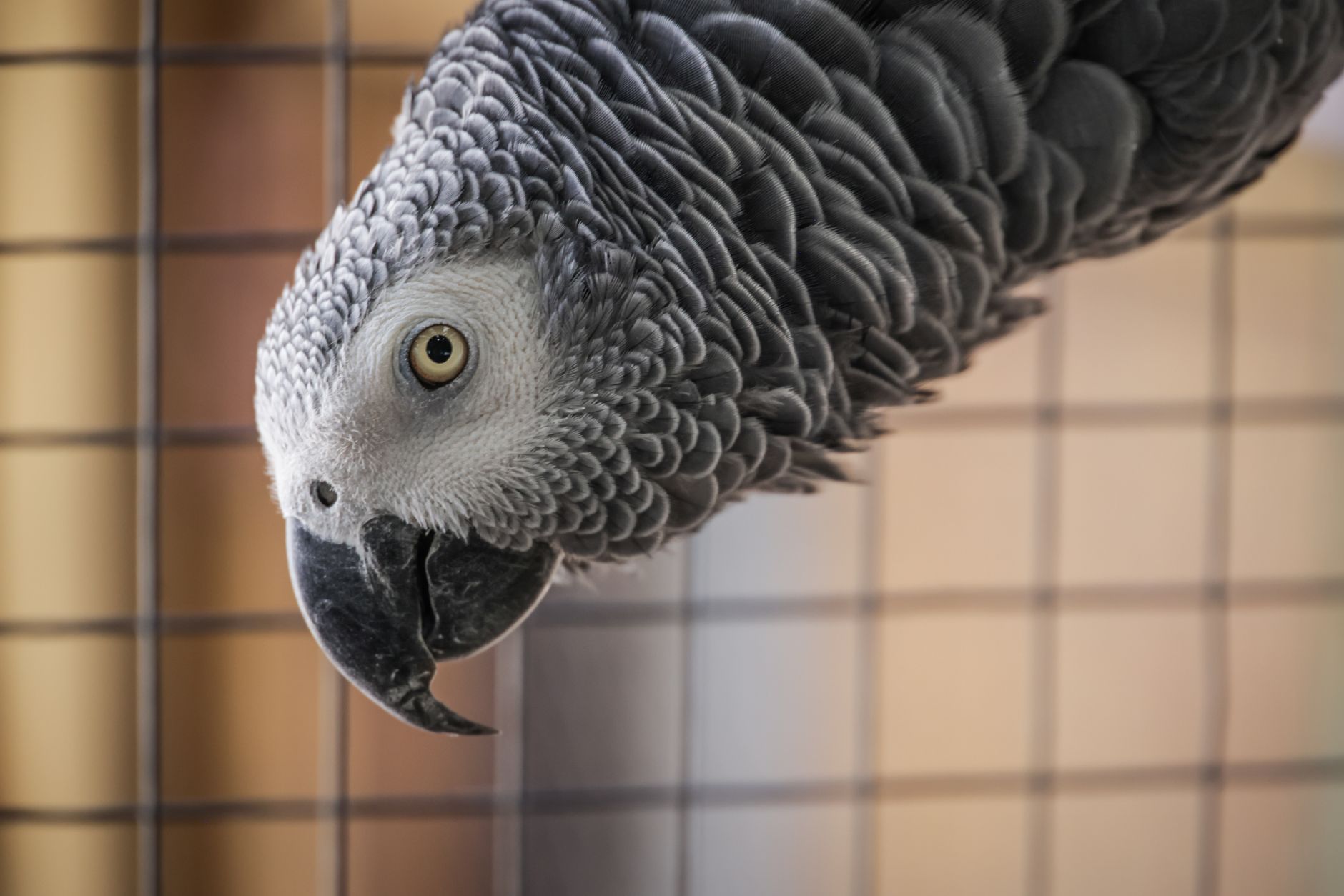
Identifying early warning signs is crucial. Birds are adept at hiding illness, so noticing subtle changes is paramount. Being proactive can mean the difference between a quick recovery and a life-threatening situation.
- Changes in Appetite: Decreased food or water consumption is a red flag.
- Altered Droppings: Changes in color, consistency, or volume of droppings.
- Respiratory Distress: Tail bobbing, labored breathing, sneezing, or discharge.
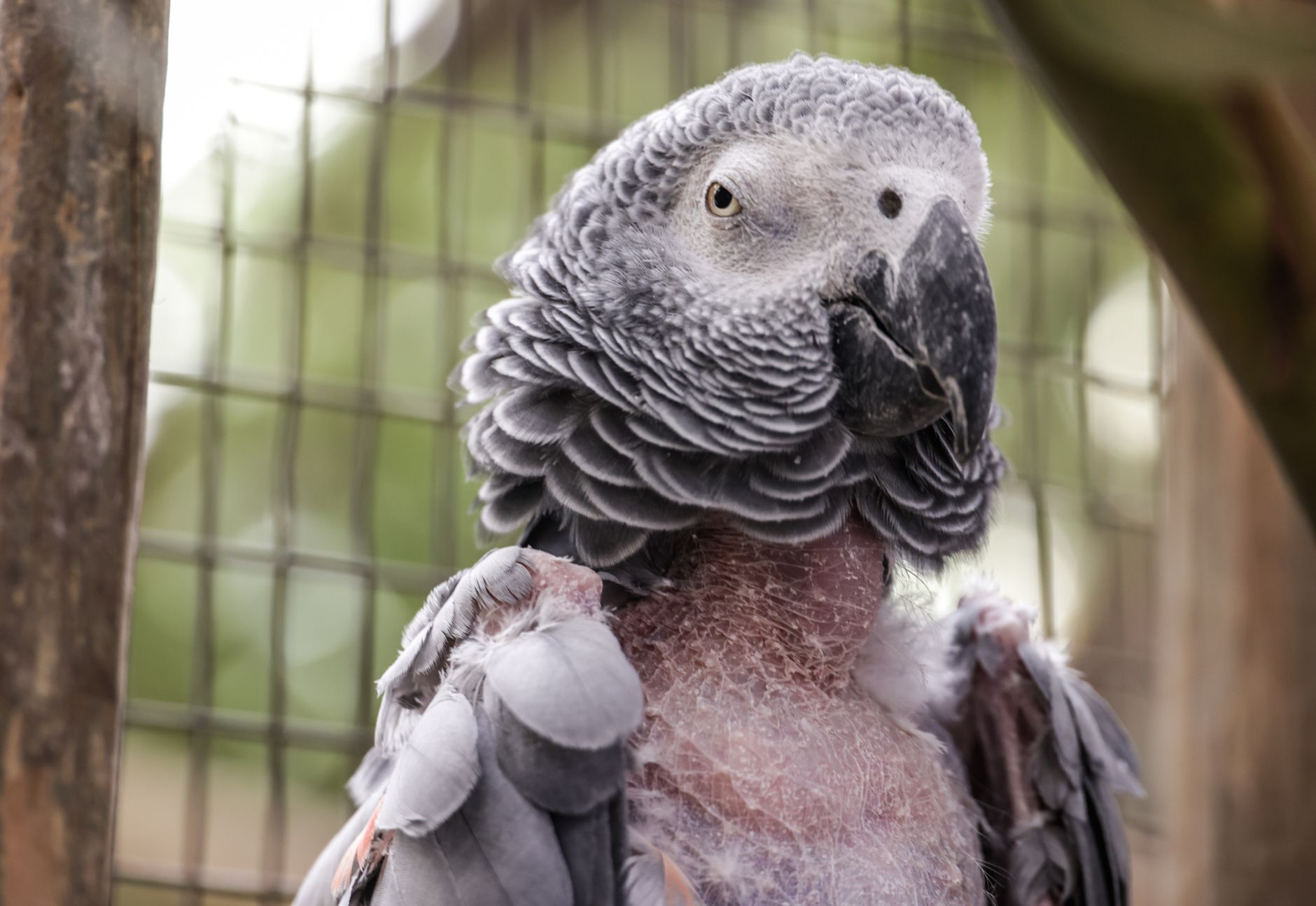
- Feather Abnormalities: Fluffed feathers (especially if persistent), feather plucking, or excessive molting.
- Behavioral Changes: Lethargy, depression, decreased vocalization, or unusual aggression.
- Physical Abnormalities: Lumps, bumps, wounds, or discharge from eyes or nostrils.
- Posture: Sitting at the bottom of the cage, inability to perch, or tilting the head.
Proactive Veterinary Care: The Well-Bird Exam
Just like humans, birds benefit from regular check-ups. A well-bird exam allows a veterinarian to establish a baseline of health, identify potential problems early, and provide preventative care. This preventative care can help answer “When should I take my bird to the vet?” before it becomes an emergency.
- Frequency: Annual well-bird exams are generally recommended. However, senior birds or those with pre-existing conditions may require more frequent visits.
- What to Expect: A physical examination, fecal examination, and blood work may be performed. Your veterinarian can also provide advice on diet, environment, and enrichment.
Emergency Situations: Act Immediately
Certain situations demand immediate veterinary attention. These are instances where time is of the essence, and delaying care could have severe consequences. If you’re asking yourself, “When should I take my bird to the vet?,” and the bird shows any of the following, the answer is now:
- Bleeding: Any visible bleeding should be addressed immediately.
- Seizures: Convulsions or tremors require urgent veterinary care.
- Difficulty Breathing: Labored breathing, gasping, or open-mouth breathing.
- Trauma: Injuries from falls, attacks, or accidents.
- Poisoning: Suspected ingestion of toxins (e.g., chocolate, avocado, cleaning products).
- Prolapse: Any organ protruding from the vent.
- Loss of Consciousness: Unresponsiveness or fainting.
Finding an Avian Veterinarian
Not all veterinarians are equipped to handle birds. It is vital to find a veterinarian specializing in avian medicine.
- Certification: Look for veterinarians board-certified by the American Board of Veterinary Practitioners (ABVP) in avian practice.
- Experience: Choose a veterinarian with extensive experience treating birds.
- Facilities: Ensure the clinic has appropriate facilities and equipment for avian patients.
Creating a Bird-Friendly Environment
Preventative care also includes creating a safe and enriching environment for your bird. Proper nutrition, hygiene, and mental stimulation are essential for maintaining optimal health. These efforts will help you know “When should I take my bird to the vet?” through preventative actions.
- Diet: Provide a balanced diet consisting of high-quality pellets, fresh fruits, and vegetables. Avoid feeding your bird avocados, chocolate, caffeine, or salty snacks.
- Hygiene: Clean the cage regularly to prevent the build-up of bacteria and fungi. Provide fresh water daily.
- Enrichment: Offer plenty of toys and opportunities for mental stimulation. Rotate toys regularly to keep your bird engaged.
- Safety: Bird-proof your home to remove potential hazards such as exposed electrical cords, open windows, and toxic plants.
Common Mistakes Bird Owners Make
Even with the best intentions, bird owners can make mistakes that compromise their pet’s health. Understanding these common pitfalls can help you avoid them.
- Ignoring Subtle Signs: As mentioned earlier, birds are masters of hiding illness. Don’t dismiss subtle changes in behavior or appearance.
- Self-Treating: Attempting to treat your bird at home without consulting a veterinarian can be dangerous.
- Neglecting Preventative Care: Skipping annual well-bird exams can allow problems to go undetected.
- Poor Diet: Feeding your bird an improper diet can lead to nutritional deficiencies and health problems.
- Unsafe Environment: Failing to bird-proof your home can expose your bird to dangerous hazards.
Building a Relationship with Your Avian Veterinarian
Developing a strong relationship with your avian veterinarian is crucial for ensuring your bird receives the best possible care.
- Communication: Openly communicate with your veterinarian about your bird’s health and behavior.
- Trust: Choose a veterinarian you trust and feel comfortable with.
- Emergency Plan: Discuss emergency procedures with your veterinarian in advance.
Table: Comparing Normal and Abnormal Bird Behaviors
| Behavior | Normal | Abnormal | When should I take my bird to the vet? |
|---|---|---|---|
| Eating | Eats regularly, enjoys food | Loss of appetite, picky eating, regurgitation | If persistent or accompanied by other signs |
| Droppings | Formed, colored appropriately | Watery, discolored, bloody droppings | Immediately |
| Activity | Playful, active, curious | Lethargic, depressed, inactive | If persistent |
| Feathers | Well-groomed, preened regularly | Plucked, ruffled, excessively molting | If new or excessive |
| Breathing | Quiet, effortless | Labored, wheezing, tail bobbing | Immediately |
| Vocalization | Chirping, talking, singing | Unusual silence, gasping, altered sounds | If abrupt and unusual |
Conclusion
Knowing when should I take my bird to the vet? is a crucial responsibility for every bird owner. By understanding the subtle signs of illness, providing proactive care, and building a strong relationship with an avian veterinarian, you can help ensure your feathered friend enjoys a long, healthy, and happy life. Proactive and preventive healthcare are the keys to avoiding emergencies.
Frequently Asked Questions (FAQs)
What are the signs of a sick bird?
The signs of a sick bird can be subtle and varied, but common indicators include changes in appetite, altered droppings, respiratory distress (tail bobbing, sneezing), feather abnormalities (fluffed feathers, plucking), lethargy, decreased vocalization, and physical abnormalities like lumps or discharge. Remember, birds often hide illness, so even subtle changes warrant closer observation and potential veterinary consultation.
How often should I take my bird to the vet for a check-up?
Generally, annual well-bird exams are recommended for most birds. However, senior birds or those with pre-existing health conditions may benefit from more frequent check-ups, possibly every six months. These exams allow the veterinarian to establish a health baseline and detect potential problems early.
What should I do if my bird is bleeding?
Any visible bleeding in a bird requires immediate veterinary attention. Apply direct pressure to the wound with a clean cloth to help stop the bleeding while transporting your bird to the vet. Consider keeping styptic powder on hand for minor bleeding, but always consult a vet for guidance.
My bird is losing feathers. Is this normal?
Molting, the natural shedding and replacement of feathers, is normal. However, excessive feather loss or feather plucking can indicate underlying health problems such as nutritional deficiencies, parasites, allergies, or behavioral issues. Consult your avian veterinarian to determine the cause.
What are common toxins that can harm my bird?
Many common household items are toxic to birds, including avocado, chocolate, caffeine, onions, garlic, salt, lead-based paints, cleaning products, and certain houseplants. Keep these substances out of reach of your bird.
My bird is acting differently; should I be concerned?
Any sudden or significant change in your bird’s behavior, such as lethargy, depression, decreased vocalization, or unusual aggression, should be investigated. These changes can be indicative of illness or stress.
How can I prevent my bird from getting sick?
Providing a balanced diet, clean cage, fresh water, and mental stimulation are crucial for preventing illness. Bird-proofing your home to eliminate hazards and scheduling regular well-bird exams are also essential.
What do I need to know about my bird’s diet?
A balanced diet for most pet birds should consist primarily of high-quality pelleted food, supplemented with fresh fruits, vegetables, and small amounts of seeds or nuts. Avoid feeding your bird processed human foods and always provide fresh, clean water.
Can I treat my bird’s illness at home?
It is strongly discouraged to self-treat your bird at home. Avian illnesses require specialized knowledge and treatment. Always consult an avian veterinarian for diagnosis and treatment recommendations.
What is an avian veterinarian?
An avian veterinarian is a veterinarian who specializes in the care and treatment of birds. They have specific training and experience in avian medicine and are better equipped to diagnose and treat bird illnesses.
What should I expect during a well-bird exam?
A well-bird exam typically includes a physical examination, a fecal examination, and potentially blood work. Your veterinarian will assess your bird’s overall health, check for signs of illness, and provide recommendations for preventative care.
How do I find a qualified avian veterinarian near me?
You can search for avian veterinarians online using resources like the Association of Avian Veterinarians (AAV) website. Ask your local veterinarian for recommendations, or check with local bird clubs or rescue organizations. Look for veterinarians who are board-certified in avian practice and have experience treating birds like yours.