

When to Transition Your Feline Friend: When Can I Stop Feeding My Cat Kitten Wet Food?
The ideal time to stop feeding your cat kitten wet food and transition them to adult food is typically around 12 months of age, although individual needs may vary; this change supports their continued growth and health as they enter adulthood.

Understanding the Nutritional Needs of Kittens vs. Adults
Kittens have significantly different nutritional requirements than adult cats. Their bodies are rapidly developing, demanding more calories, protein, and certain vitamins and minerals to support bone growth, muscle development, and overall health. Kitten food, whether wet or dry, is formulated to meet these heightened needs. Failing to provide the appropriate nutrition during this crucial growth phase can have lasting negative effects.
The Benefits of Kitten Wet Food
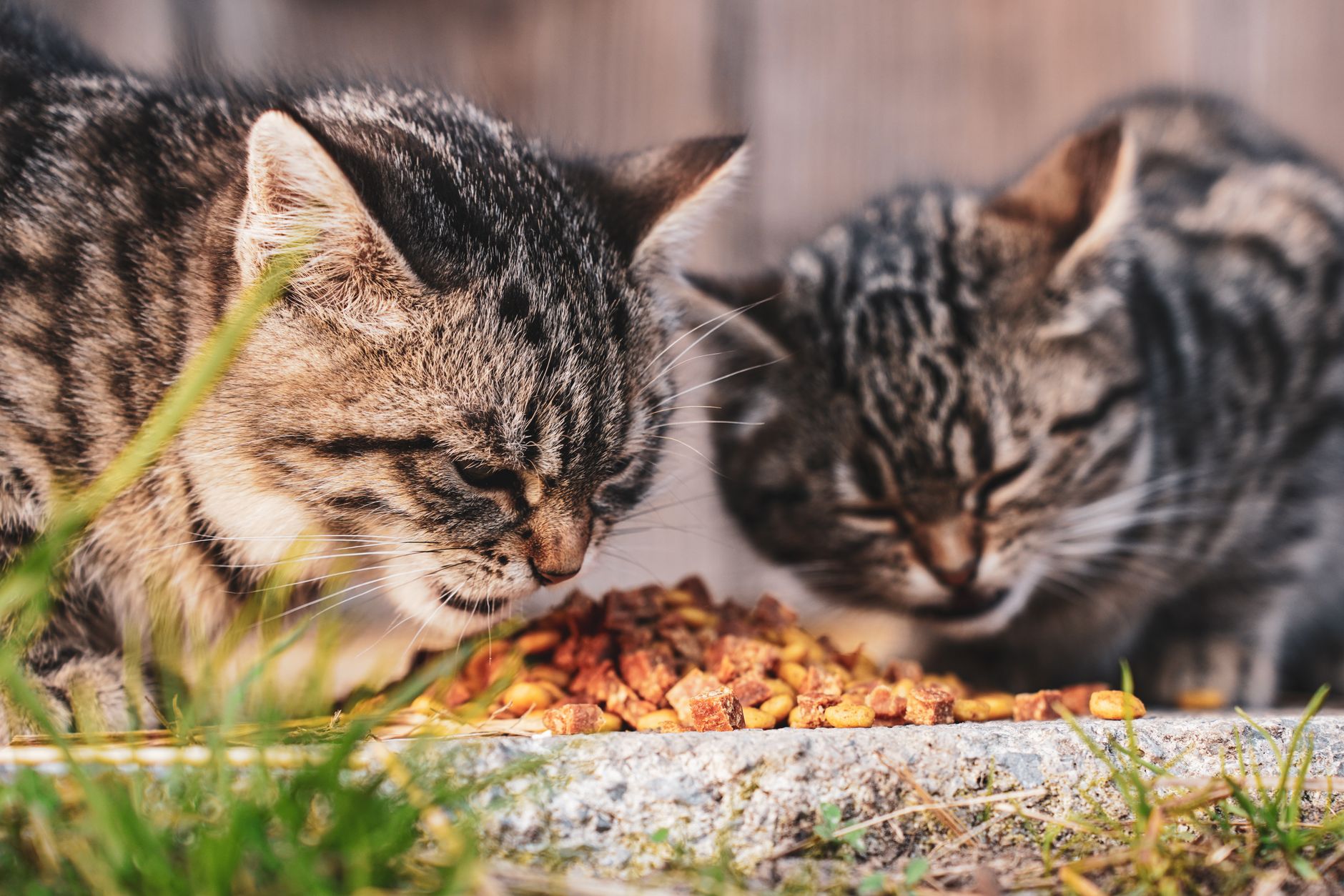
Wet food, in particular, offers several advantages for kittens:
- High Moisture Content: Helps prevent dehydration, especially important for kittens who may not drink enough water.
- Easier to Chew: Soft texture is ideal for kittens with developing teeth.
- Appetizing Aroma: Often more palatable than dry food, encouraging fussy eaters to consume essential nutrients.
- Nutrient-Dense: Provides a concentrated source of the nutrients needed for rapid growth.
However, continuing to feed kitten food beyond the kitten stage isn’t ideal, as it can lead to weight gain and other health problems. Adult cats don’t require the same high-calorie, nutrient-dense formula.
Determining the Right Time for Transition
When can I stop feeding my cat kitten wet food? The answer is generally around 12 months of age. However, observe your cat’s physical development and consult with your veterinarian. Factors to consider include:
- Breed: Larger breeds, like Maine Coons, may continue to grow for longer and might benefit from kitten food for a slightly extended period.
- Activity Level: Highly active cats may require more calories than sedentary cats, potentially influencing the timing of the transition.
- Body Condition: If your cat is already overweight, transitioning to adult food sooner may be recommended.
- Veterinarian’s Advice: Your vet can assess your cat’s individual needs and provide personalized recommendations.
How to Gradually Transition to Adult Cat Food
A sudden switch in diet can cause digestive upset. A gradual transition is key. Here’s a recommended approach:
- Week 1: Mix 25% adult food with 75% kitten food.
- Week 2: Mix 50% adult food with 50% kitten food.
- Week 3: Mix 75% adult food with 25% kitten food.
- Week 4: Feed 100% adult food.
Monitor your cat’s stool consistency and appetite during the transition. If you notice any signs of digestive upset (vomiting, diarrhea, loss of appetite), slow down the transition or consult with your veterinarian.
Choosing the Right Adult Wet Food
Selecting a high-quality adult wet food is crucial. Look for formulas that:
- Are complete and balanced according to AAFCO (Association of American Feed Control Officials) guidelines.
- List meat, poultry, or fish as the primary ingredient.
- Are appropriate for your cat’s life stage (adult) and any specific health needs (e.g., urinary health, weight management).
- Are free of artificial colors, flavors, and preservatives.
Common Mistakes to Avoid
- Switching Diets Abruptly: Can lead to digestive upset.
- Overfeeding: Adult cats need fewer calories than kittens.
- Ignoring Individual Needs: Every cat is different; consult with your veterinarian.
- Choosing Low-Quality Food: Opt for a reputable brand with high-quality ingredients.

Frequently Asked Questions
When should I definitely stop feeding my cat kitten food, regardless of breed?
While 12 months is a general guideline, even large breed cats should transition to adult food around 18 months at the latest. Continuing beyond this point increases the risk of obesity and other health issues related to excessive calorie intake.
What are the signs my cat is ready to switch from kitten to adult food?
Signs include a slowing of growth, reaching their expected adult size (based on breed), and a tendency to leave food uneaten. However, the most reliable way to determine readiness is through consultation with your veterinarian, who can assess your cat’s overall health and development.
What if my cat refuses to eat the adult wet food?
Try different flavors and textures of adult wet food. You can also gradually mix a small amount of the adult food with the kitten food to encourage acceptance. If your cat consistently refuses to eat, consult with your veterinarian to rule out any underlying medical conditions.
Can I mix kitten wet food and adult dry food?
While it’s possible to mix kitten wet food with adult dry food during the transition period, it’s generally recommended to stick to either wet or dry food for each meal to ensure proper nutrient balance. It’s best to provide adult wet food and adult dry food separately during the transition.
Is it okay to switch back to kitten food if my adult cat seems to be losing weight?
If your adult cat is losing weight, consult with your veterinarian. It could be due to an underlying medical condition. Switching back to kitten food is not usually the appropriate solution without a proper diagnosis.
What are the potential health risks of feeding adult cats kitten food long-term?
Long-term feeding of kitten food to adult cats can lead to obesity, diabetes, and orthopedic problems due to the higher calorie and nutrient content designed for growing kittens.
My kitten seems to prefer dry food. Should I force them to eat wet food?
No, you shouldn’t force your kitten to eat wet food if they prefer dry food. As long as they are eating a high-quality kitten dry food that meets their nutritional needs and have access to fresh water, they will be fine. Wet food provides hydration but isn’t strictly necessary if your kitten prefers dry.
What if my kitten is already overweight – should I switch to adult food sooner?
If your kitten is overweight, consult with your veterinarian. They may recommend reducing portion sizes or switching to a weight management kitten food rather than immediately switching to adult food. The key is to address the issue while still providing the nutrients needed for growth.
How does wet food benefit senior cats?
While this article is about switching from kitten wet food, it’s worth noting that wet food can also be beneficial for senior cats. Its high moisture content helps with hydration, and the soft texture is easier to chew for cats with dental problems. Consider introducing/reintroducing wet food to older cats as needed.
Are grain-free wet foods better for cats?
Grain-free wet foods are not necessarily better for cats. Unless your cat has a diagnosed grain allergy (which is rare), grains can be a healthy source of carbohydrates and fiber. Focus on choosing a high-quality wet food with meat as the primary ingredient, regardless of whether it contains grains.
What are some signs of a food allergy in cats?
Signs of a food allergy in cats include skin problems (itching, hair loss), digestive upset (vomiting, diarrhea), and respiratory issues (sneezing, coughing). If you suspect your cat has a food allergy, consult with your veterinarian.
What is AAFCO and why is it important?
AAFCO (Association of American Feed Control Officials) is a non-profit organization that sets standards for pet food. Look for pet foods that state they are complete and balanced according to AAFCO guidelines, as this ensures they meet the minimum nutritional requirements for your cat’s life stage.