
What’s the Most Talkative Bird? Decoding Avian Vocalizations
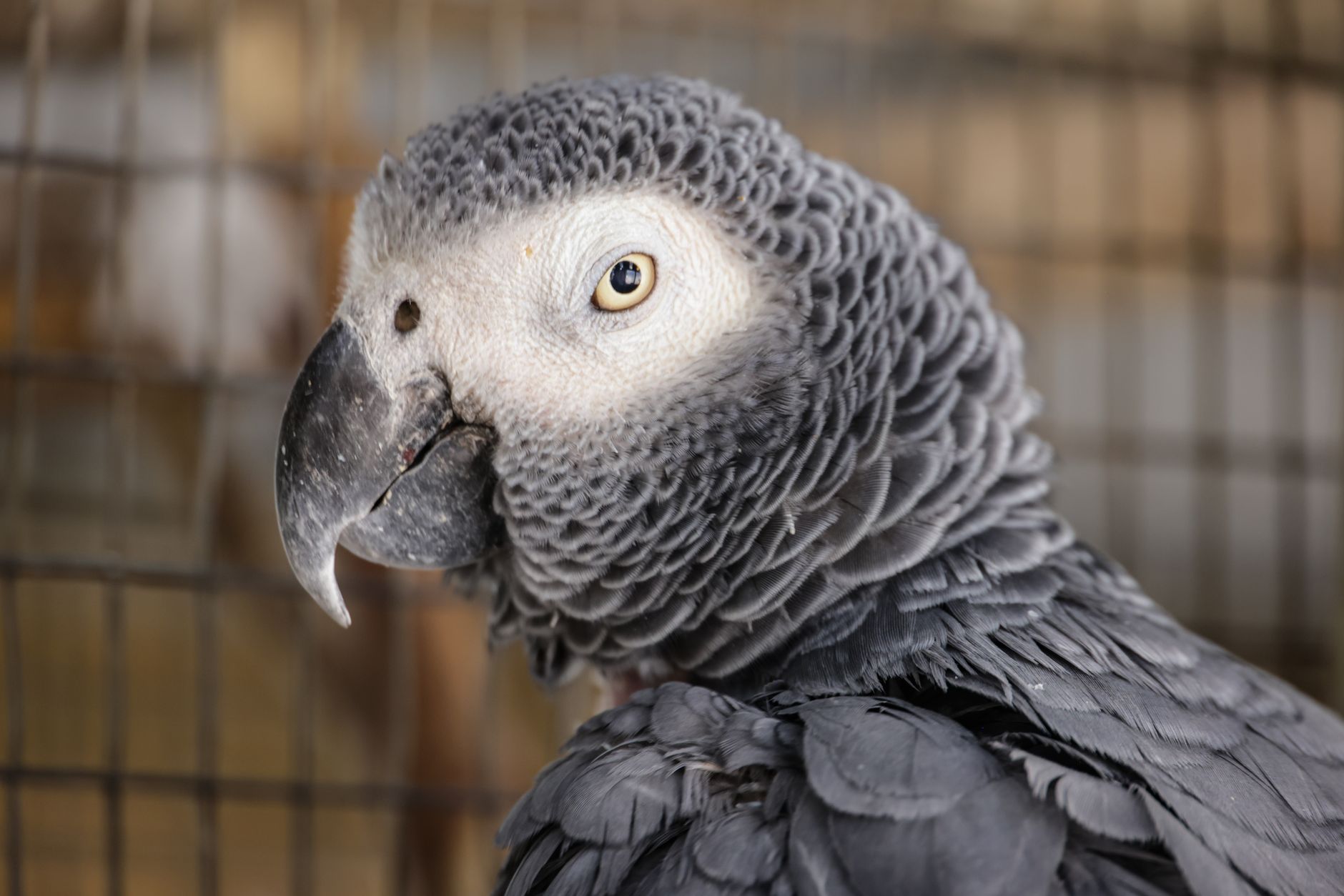
The title of the most talkative bird undoubtedly belongs to the African Grey Parrot. These intelligent birds possess an unparalleled ability to mimic human speech and even understand the context of some words, making them exceptional communicators.
The Art of Avian Vocalization: Beyond Simple Chirps
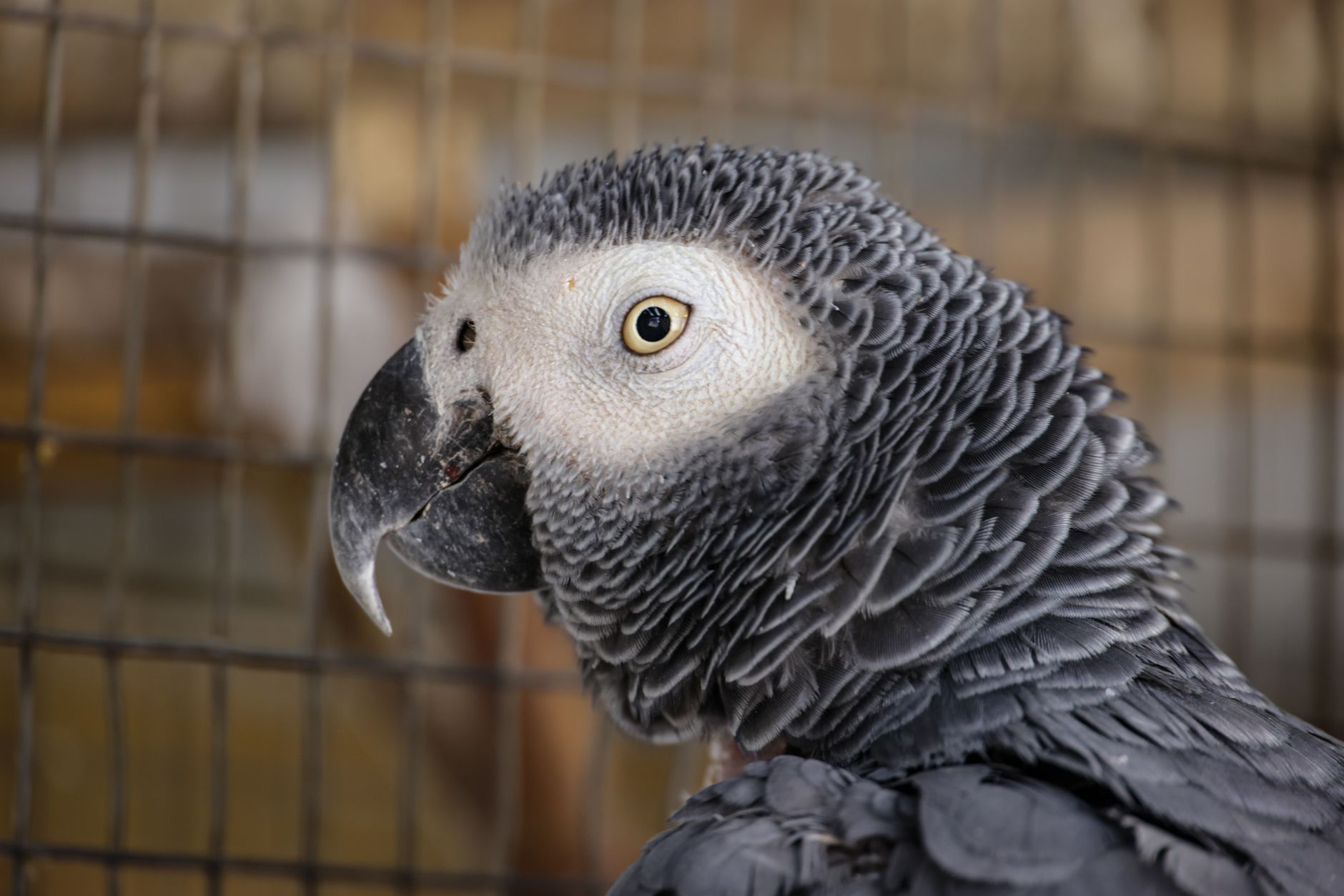
The world of bird sounds is a symphony of chirps, trills, songs, and calls, all serving crucial purposes. While many birds are vocal, using their voices to attract mates, warn of danger, and establish territory, a select few have mastered the art of mimicry and complex vocal learning. Understanding what makes a bird “talkative” requires considering several factors beyond mere volume. These include the variety of sounds they produce, the context in which they use them, and their capacity for imitating other species, especially humans.
The African Grey Parrot: A Linguistic Genius
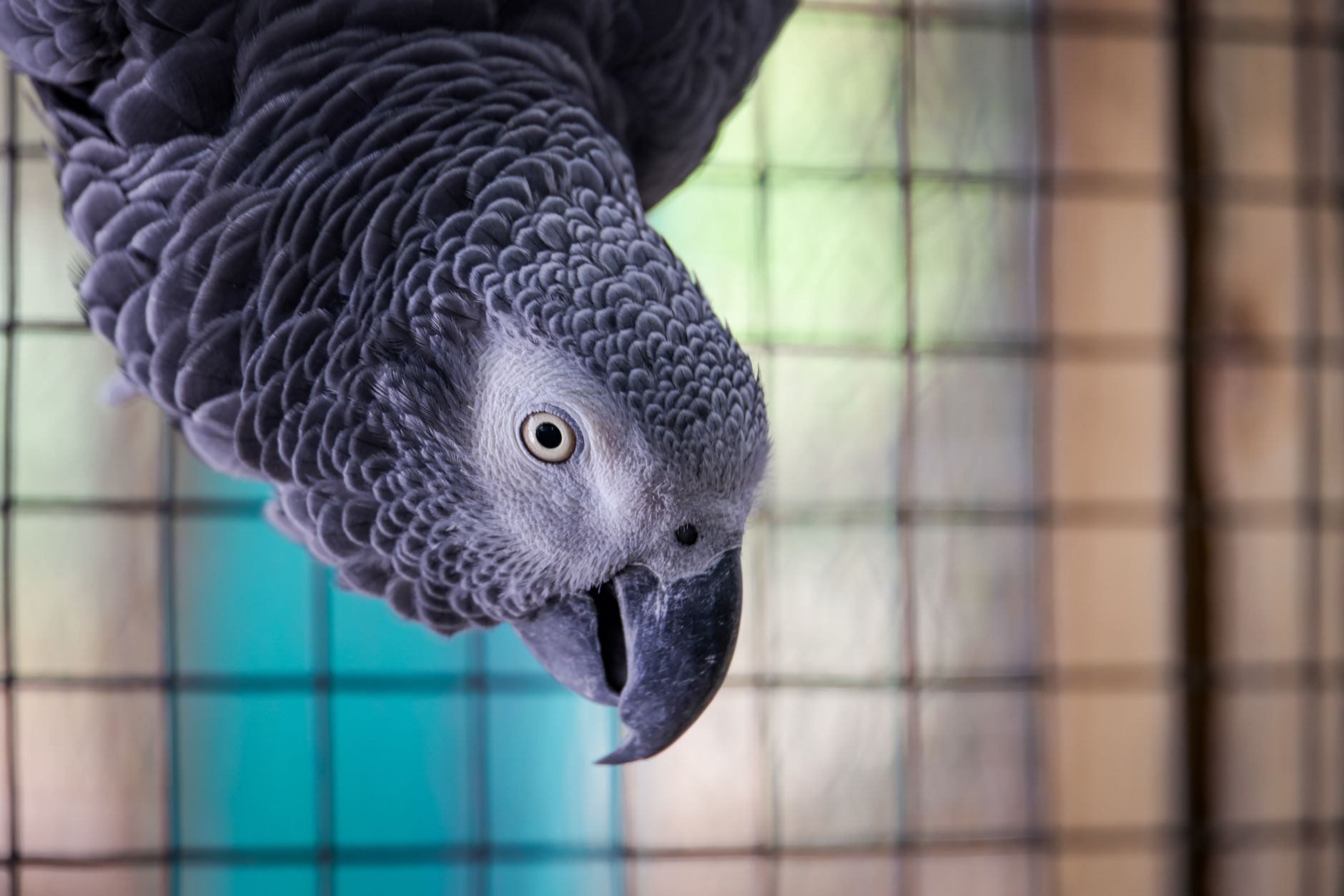
The African Grey Parrot ( Psittacus erithacus) reigns supreme in the world of avian vocalization. Native to Central and West Africa, these birds aren’t just talented mimics; they demonstrate a level of cognitive ability rarely seen in the animal kingdom.
- Mimicry Expertise: African Grey Parrots can replicate an astonishing range of sounds, from human speech and laughter to household noises like microwave beeps and telephone rings.
- Cognitive Understanding: Studies have shown that some African Greys can associate words with objects, colors, and actions, using language in a meaningful way. The famous African Grey Parrot, Alex, demonstrated an impressive vocabulary and the ability to answer questions about objects.
- Social Communication: Beyond mimicry, African Greys use their vocalizations for social interaction, communicating with their flock and establishing bonds with their human caregivers.
Other Contenders in the “Talkative Bird” Arena
While the African Grey Parrot is generally considered the most talkative bird, several other species deserve recognition for their vocal abilities:
- Budgerigars (Parakeets): These small parrots are known for their ability to learn and repeat words and phrases. Some budgies have even been taught to speak in sentences.
- Cockatoos: While not as adept at mimicking human speech as African Greys, Cockatoos are highly vocal birds with a wide repertoire of calls and screeches. They are very social birds and use vocalizations to communicate with their flock and express their emotions.
- Hill Mynas: These birds are excellent mimics, capable of imitating human speech with remarkable clarity. They are commonly kept as pets in some parts of the world due to their vocal abilities.
- Amazon Parrots: Many species of Amazon parrots are capable of learning to speak, often with clear pronunciation and the ability to use words in context.
What Makes a Bird a Good Talker? Factors to Consider
Several factors contribute to a bird’s ability to learn and mimic sounds:
- Brain Structure: The syrinx, the bird’s vocal organ, and the brain regions associated with vocal learning play a crucial role. Species with larger and more complex brain structures related to vocalization tend to be better mimics.
- Social Environment: Birds that are raised in social environments with frequent exposure to human speech are more likely to learn to talk.
- Age and Learning Period: Young birds are generally more receptive to learning new sounds and words.
- Individual Personality: Just like humans, some birds are naturally more inclined to communicate and learn than others.
The Ethical Considerations of Keeping Talkative Birds as Pets
Keeping a talkative bird like an African Grey Parrot as a pet is a significant commitment. These intelligent creatures require:
- Mental Stimulation: They need constant interaction, toys, and enrichment activities to prevent boredom and behavioral problems.
- Social Interaction: They thrive on social interaction and can become depressed if left alone for extended periods.
- Specialized Care: They require a balanced diet, regular veterinary care, and a safe and stimulating environment.
- Long Lifespan: African Grey Parrots can live for 50-80 years, so potential owners must be prepared to provide lifelong care.
Potential owners should carefully consider whether they can meet the complex needs of a talkative bird before bringing one into their home.
Comparing Vocal Abilities: A Table of Top Talkative Birds
| Bird Species | Mimicry Ability | Cognitive Understanding | Vocal Complexity | Social Vocalization |
|---|---|---|---|---|
| African Grey Parrot | Excellent | High | High | High |
| Budgerigar (Parakeet) | Good | Moderate | Moderate | High |
| Cockatoo | Moderate | Moderate | High | Very High |
| Hill Myna | Excellent | Low | High | Moderate |
| Amazon Parrot | Good | Moderate | Moderate | High |
Frequently Asked Questions (FAQs)
Are all African Grey Parrots good talkers?
Not necessarily. While African Grey Parrots are known for their talking abilities, individual birds can vary in their inclination and aptitude for learning human speech. Environmental factors and early socialization play a significant role in their development as talkers.
Is it cruel to teach a bird to talk?
It’s not inherently cruel, but it’s crucial to do it ethically. Positive reinforcement techniques are key. Forcing a bird or using negative methods can be harmful and stressful. The bird should enjoy the interaction.
Do birds understand what they are saying?
The level of understanding varies. While some birds, like the African Grey Parrot Alex, have shown evidence of associating words with objects and concepts, most mimicry is likely based on association and imitation. They may not fully grasp the meaning in the same way humans do.
What’s the best way to teach a bird to talk?
Use positive reinforcement, repetition, and association. Reward the bird with treats, praise, or attention when it attempts to mimic a word or phrase. Keep sessions short and fun, and associate words with specific objects or actions.
Can any bird learn to talk?
While some species are more predisposed to talking than others, many birds are capable of learning at least a few words or phrases. The key is patience, consistency, and positive reinforcement.
How do birds produce sounds?
Birds produce sounds using a vocal organ called the syrinx, located at the base of the trachea. The syrinx has membranes that vibrate when air passes over them, creating a wide range of sounds.
Why do birds mimic sounds?
Mimicry can serve various purposes, including attracting mates, establishing territory, deceiving predators, and facilitating social bonding within a flock.
Are there any health benefits to talking to my bird?
Talking to your bird can strengthen the bond between you and your pet, providing companionship and mental stimulation for both of you.
How long does it take for a bird to start talking?
The time it takes for a bird to start talking varies depending on the species, individual bird, and training methods. Some birds may start mimicking sounds within a few weeks, while others may take months or even years.
Do female birds talk as much as male birds?
In some species, males are more vocal than females. However, in other species, both males and females are equally capable of learning to talk. Individual variation is also a factor.
What are some common mistakes people make when trying to teach their bird to talk?
Common mistakes include being impatient, using negative reinforcement, not being consistent, and not providing enough mental stimulation and social interaction.
What should I do if my bird stops talking?
If your bird suddenly stops talking, it’s essential to rule out any underlying health issues. Consult with an avian veterinarian to ensure your bird is healthy. Also, evaluate the bird’s environment and routine for any changes that might be causing stress.