
What Year Will All the Rainforests Be Gone?
While an exact year is impossible to predict with certainty, current deforestation rates suggest that if significant changes aren’t made, it’s plausible rainforests could effectively disappear within the next 100 years. The situation is dire, but hope remains through conservation efforts and sustainable practices.

The Urgent Crisis of Rainforest Deforestation
Rainforests, the lungs of our planet, are disappearing at an alarming rate. Understanding the factors driving this devastation and the potential timelines is crucial for galvanizing action. This article explores the complex issues surrounding rainforest deforestation and addresses the burning question: What year will all the rainforests be gone?

Do all snakes have poison in them?
Are all shrimps born female?
What is the GREY African clawed frog?
Is distilled water good for goldfish?
Why Rainforests Matter: Unveiling the Vital Benefits
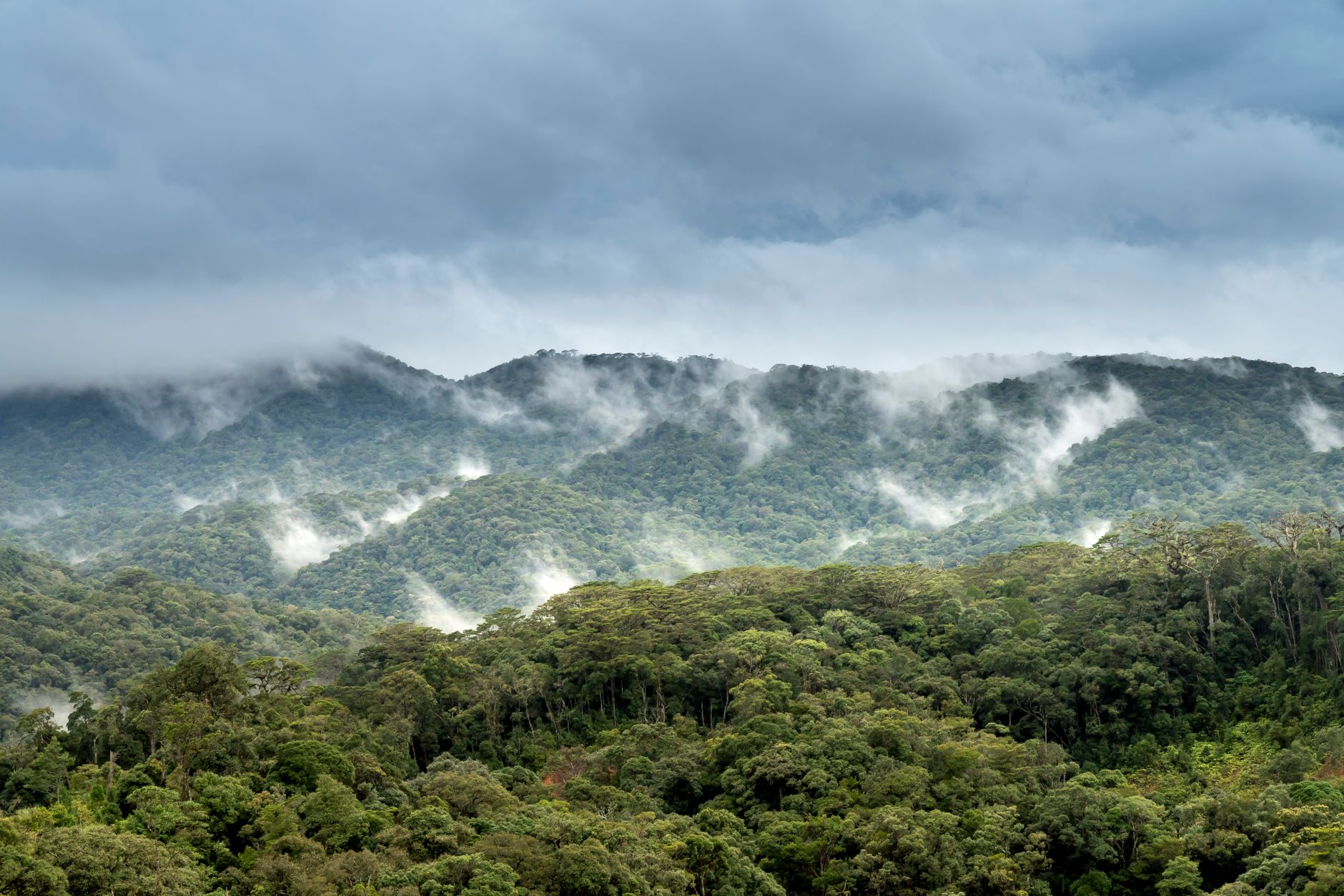
Rainforests aren’t just pretty landscapes; they are vital ecosystems providing a multitude of essential benefits:
- Biodiversity Hotspots: Home to an estimated half of the world’s plant and animal species, rainforests are critical for maintaining biodiversity. Loss of rainforests means extinction of countless species.
- Climate Regulation: Rainforests play a critical role in regulating the Earth’s climate through carbon sequestration. They absorb vast amounts of carbon dioxide, helping to mitigate climate change. Their destruction releases this stored carbon back into the atmosphere.
- Oxygen Production: While the ocean produces most of the earth’s oxygen, rainforests are still significant contributors to the atmospheric oxygen balance.
- Water Cycle Regulation: Rainforests are crucial for maintaining regional and global water cycles, influencing rainfall patterns and preventing droughts.
- Medicinal Resources: Many of the world’s medicines are derived from rainforest plants. Loss of rainforests means losing potential cures for diseases.
- Indigenous Communities: Rainforests are home to numerous indigenous communities whose cultures and livelihoods are intricately linked to the forest’s health.
The Drivers of Deforestation: Understanding the Threats
Several factors contribute to rainforest deforestation:
- Agriculture: Expansion of agricultural land, particularly for cattle ranching and large-scale farming of crops like soy and palm oil, is a primary driver.
- Logging: Illegal and unsustainable logging practices lead to the destruction of vast areas of rainforest.
- Mining: Mining activities, including both legal and illegal operations, clear forests and contaminate water sources.
- Infrastructure Development: Construction of roads, dams, and other infrastructure projects often leads to deforestation and fragmentation of rainforest habitats.
- Population Growth and Poverty: These factors can indirectly contribute to deforestation as people seek land and resources to survive.
Modeling the Future: Predicting Rainforest Loss
Predicting what year will all the rainforests be gone? requires complex modeling that considers multiple factors and their interactions. However, current models based on deforestation rates and projected trends paint a grim picture.
| Factor | Impact on Deforestation Rate | Notes |
|---|---|---|
| Agricultural Demand | High | Increased demand for beef, soy, and palm oil drives deforestation. |
| Climate Change | Moderate to High | Increased droughts and wildfires can accelerate rainforest loss. |
| Policy and Enforcement | Variable | Effective policies and enforcement can slow deforestation. |
| Conservation Efforts | Moderate | Conservation efforts can protect vulnerable areas. |
These models often operate on a “business as usual” scenario, assuming that current trends will continue without significant intervention. Under such scenarios, estimates suggest that the majority of rainforests could be lost within the next century. Some models, particularly those focused on specific regions like the Amazon, project even more rapid decline.
The Path Forward: Conservation and Sustainable Solutions
While the situation is dire, it’s not hopeless. There are numerous solutions that can help protect rainforests:
- Sustainable Agriculture: Promoting sustainable agricultural practices that minimize deforestation, such as agroforestry and integrated farming systems.
- Sustainable Logging: Implementing sustainable logging practices that ensure forest regeneration and biodiversity conservation.
- Protecting Protected Areas: Establishing and effectively managing protected areas, such as national parks and reserves.
- Supporting Indigenous Communities: Empowering indigenous communities to protect their ancestral lands and manage resources sustainably.
- Reducing Consumption of Deforestation-Linked Products: Making conscious choices to reduce consumption of products linked to deforestation, such as unsustainable palm oil and beef.
- Promoting Reforestation and Afforestation: Planting trees to restore degraded rainforest areas and create new forests.
Common Misconceptions About Rainforests
There are many misconceptions about rainforests, including the role they play in producing oxygen, the primary drivers of deforestation, and the effectiveness of various conservation efforts. Addressing these misconceptions is crucial for fostering informed action.
Frequently Asked Questions (FAQs) About Rainforests
What is the current rate of rainforest deforestation globally?
The rate varies by region, but globally, we are losing rainforests at an alarming pace. According to the Global Forest Watch, primary rainforest loss in 2023 was 9.0 million hectares (22.2 million acres), which equates to losing the equivalent of 11 football (soccer) fields every minute. This is a significant increase compared to previous years, highlighting the urgency of the situation.
Which rainforests are disappearing the fastest?
The Amazon rainforest, the Congo Basin rainforest, and the rainforests of Southeast Asia are experiencing particularly high rates of deforestation. The Amazon is facing a double threat – deforestation coupled with increasing droughts due to climate change. The Congo Basin is struggling with illegal logging and agricultural expansion. Southeast Asian rainforests, particularly in Indonesia and Malaysia, are under immense pressure from palm oil plantations.
How does deforestation contribute to climate change?
Deforestation contributes to climate change by releasing stored carbon into the atmosphere. Rainforests act as carbon sinks, absorbing and storing vast amounts of carbon dioxide. When forests are cleared, this carbon is released, contributing to the greenhouse effect and global warming. Furthermore, the loss of forests reduces the planet’s capacity to absorb carbon dioxide in the future.
Are all types of logging equally harmful to rainforests?
No. Selective logging, when done sustainably, can be less harmful than clear-cutting. However, even selective logging can have negative impacts, such as disrupting forest ecosystems and increasing the risk of illegal logging. The key is sustainable logging practices that prioritize forest regeneration and biodiversity conservation. Illegal logging, which is often rampant, is always extremely harmful.
Can reforestation efforts truly compensate for deforestation?
Reforestation can help to mitigate the impacts of deforestation, but it’s not a perfect solution. Reforestation efforts can restore degraded lands and help to sequester carbon. However, it takes time for newly planted forests to mature and develop the complex ecosystems that characterize old-growth rainforests. Furthermore, reforestation efforts need to consider native species and ecological restoration to be truly effective.
What role do consumers play in rainforest conservation?
Consumers play a critical role in rainforest conservation. By making informed choices and reducing consumption of products linked to deforestation, such as unsustainable palm oil, beef, and timber, consumers can send a powerful message to businesses and governments. Supporting companies that prioritize sustainability and ethical sourcing is also crucial.
How can I tell if a product is linked to deforestation?
Look for certifications like the Forest Stewardship Council (FSC) for timber products and the Roundtable on Sustainable Palm Oil (RSPO) for palm oil. Research companies and their supply chains to understand their environmental impact. Support companies that are transparent about their sourcing practices and committed to sustainable practices.
What is the role of governments in protecting rainforests?
Governments have a crucial role to play in protecting rainforests by enacting and enforcing strong environmental regulations, establishing and managing protected areas, supporting sustainable development initiatives, and combating illegal logging and mining. International cooperation is also essential to address deforestation and promote rainforest conservation on a global scale.
What is being done to stop illegal logging?
Efforts to combat illegal logging include strengthening law enforcement, improving forest monitoring, promoting transparency in the timber trade, and supporting community-based forest management. Technology is also playing a role, with satellite imagery and DNA testing being used to track and identify illegally sourced timber.
What is the impact of climate change on rainforests?
Climate change poses a significant threat to rainforests. Rising temperatures, changing rainfall patterns, and increased frequency of droughts can stress rainforest ecosystems and make them more vulnerable to deforestation, wildfires, and disease. Climate change can also exacerbate the impacts of deforestation, leading to a vicious cycle of environmental degradation.
Are there any success stories of rainforest conservation?
Yes, there are success stories. Some regions have successfully reduced deforestation rates through effective policies, community-based conservation, and sustainable development initiatives. Costa Rica, for example, has significantly increased its forest cover through a combination of conservation policies and economic incentives. These successes demonstrate that it’s possible to reverse deforestation and protect rainforests.
So, realistically, what year will all the rainforests be gone?
It’s impossible to provide an exact date. However, based on current deforestation rates and a lack of significant global change, the majority of rainforests could be gone within the next 100 years, or even sooner for specific regions. This is a stark warning, emphasizing the urgent need for action to protect these vital ecosystems and change the current destructive path.