

What to do when a dog pulls while walking? A Comprehensive Guide
If your dog transforms into a miniature husky during walks, frustratingly straining against the leash, you’re not alone. What to do when a dog pulls while walking? The answer involves consistent training, the right equipment, and understanding your dog’s motivation. It’s about teaching your dog that walking politely on a loose leash is more rewarding than pulling.

Understanding the Pull: Why Dogs Pull on Leashes
Dogs pull for various reasons, often linked to their natural instincts and how we, as humans, inadvertently reinforce the behavior. Understanding the underlying causes is crucial to effective training.
- Instinct and Breed: Many breeds, particularly those bred for herding, hunting, or sledding, have a strong instinct to explore and move forward quickly.
- Excitement and Exploration: The outside world is full of exciting sights, sounds, and smells. Dogs often pull to get closer to these stimuli.
- Speed Differential: Dogs naturally walk faster than humans. Pulling allows them to maintain a pace that feels more natural to them.
- Learned Behavior: If pulling consistently gets a dog to where it wants to go faster, it learns that pulling works. This is a primary factor in reinforcing the habit.
- Lack of Training: Many dogs simply haven’t been taught proper leash manners.
The Benefits of Loose-Leash Walking
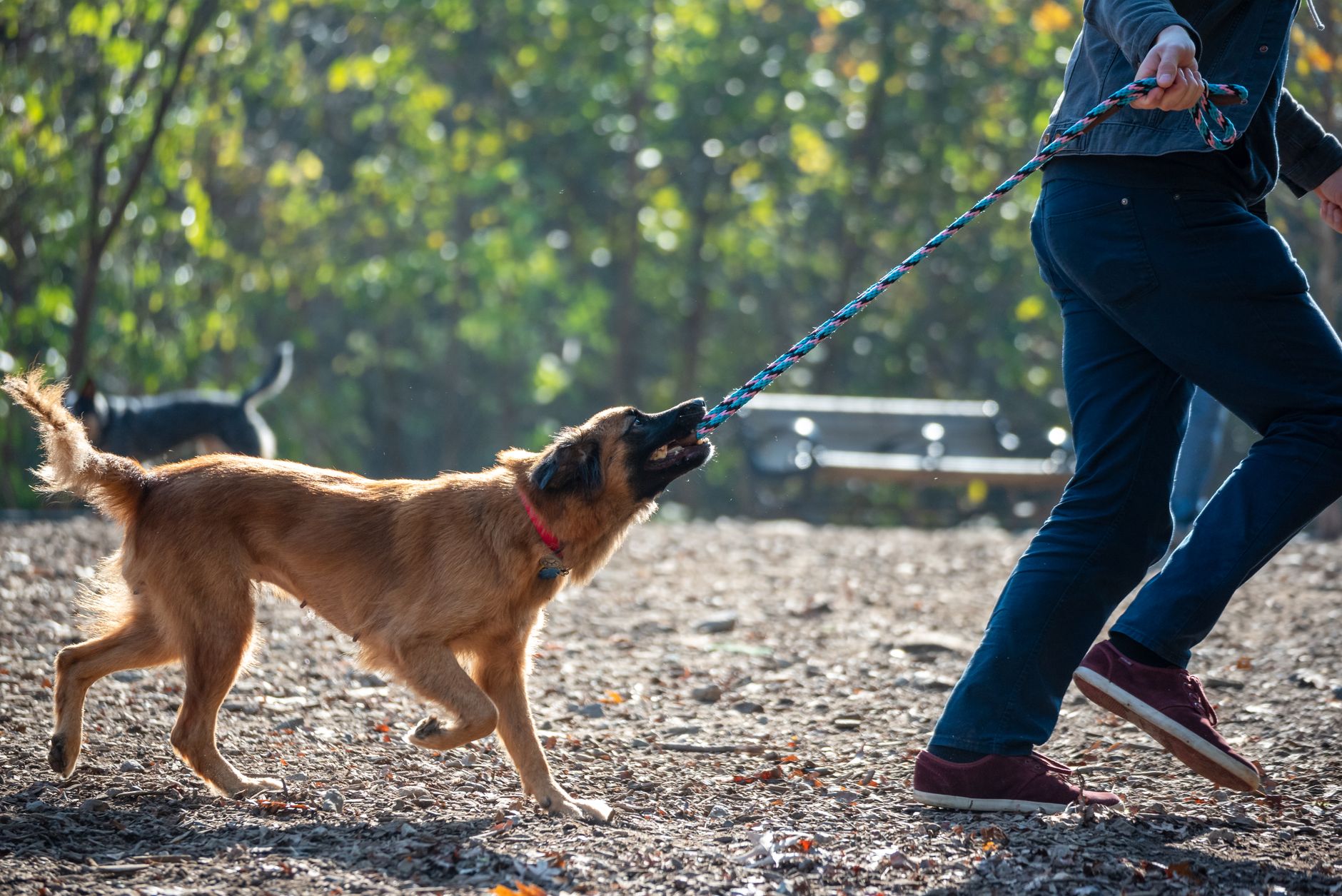
Teaching your dog to walk nicely on a leash offers benefits for both you and your furry friend.
- Enjoyable Walks: Walking becomes a pleasant experience rather than a constant battle.
- Reduced Risk of Injury: Pulling can strain your arms, shoulders, and back. It can also injure your dog’s neck.
- Improved Relationship: Training creates a stronger bond and enhances communication between you and your dog.
- Better Socialization: A well-behaved dog is more welcome in public places.
- Increased Exercise: More consistent walks lead to a healthier and happier dog.
The Loose-Leash Walking Training Process: A Step-by-Step Guide
Here’s a practical approach to teaching your dog loose-leash walking:
-
Choose the Right Equipment: This includes a well-fitting harness or a front-clip harness, a standard leash (not a retractable one), and high-value treats. Avoid choke chains or prong collars, as these can cause pain and fear.
-
Start Indoors: Practice in a low-distraction environment. Reward your dog for staying close to you with a loose leash.
-
Lure and Reward: Hold a treat near your dog’s nose and lure it to walk alongside you. As long as the leash remains loose, reward the dog frequently.
-
Change Direction: Suddenly change direction while walking. Your dog should follow you to maintain a loose leash.
-
Introduce the “Red Light/Green Light” Method:
- Red Light: When the leash tightens, immediately stop walking. Stand still and wait for your dog to stop pulling. Do not move forward until the leash is slack.
- Green Light: Once the leash is loose, praise your dog and begin walking again. Repeat this process consistently.
-
Gradually Increase the Distance and Distractions: Once your dog understands the concept indoors, move to a less-distracting outdoor environment, such as your backyard. Eventually, progress to walks in your neighborhood.
-
Consistency is Key: Practice short, frequent training sessions rather than long, infrequent ones. Consistency is essential for success.
Common Mistakes to Avoid
While the training process seems straightforward, some mistakes can hinder progress.
- Using a Retractable Leash: Retractable leashes encourage pulling because they provide constant tension.
- Inconsistent Training: Inconsistent cues or rewards confuse the dog.
- Ignoring Distractions: Gradually introduce distractions, but be prepared to manage them. If your dog becomes overwhelmed, move to a less stimulating environment.
- Lack of Patience: Loose-leash walking takes time and patience. Don’t get discouraged if your dog doesn’t learn overnight.
- Using Punishment: Punishment-based training methods can create fear and anxiety and damage the relationship with your dog. Focus on positive reinforcement.
Choosing the Right Equipment
The right equipment is essential for successful loose-leash walking training.
| Equipment | Pros | Cons |
|---|---|---|
| Standard Leash | Simple, affordable, good for general control. | Can be difficult to manage if the dog pulls strongly. |
| Harness (Back Clip) | Comfortable for the dog. | May not be effective for strong pullers. |
| Harness (Front Clip) | Deters pulling by redirecting the dog’s movement. Offers better control. | Requires careful fitting to avoid chafing. Some dogs may initially dislike the sensation. |
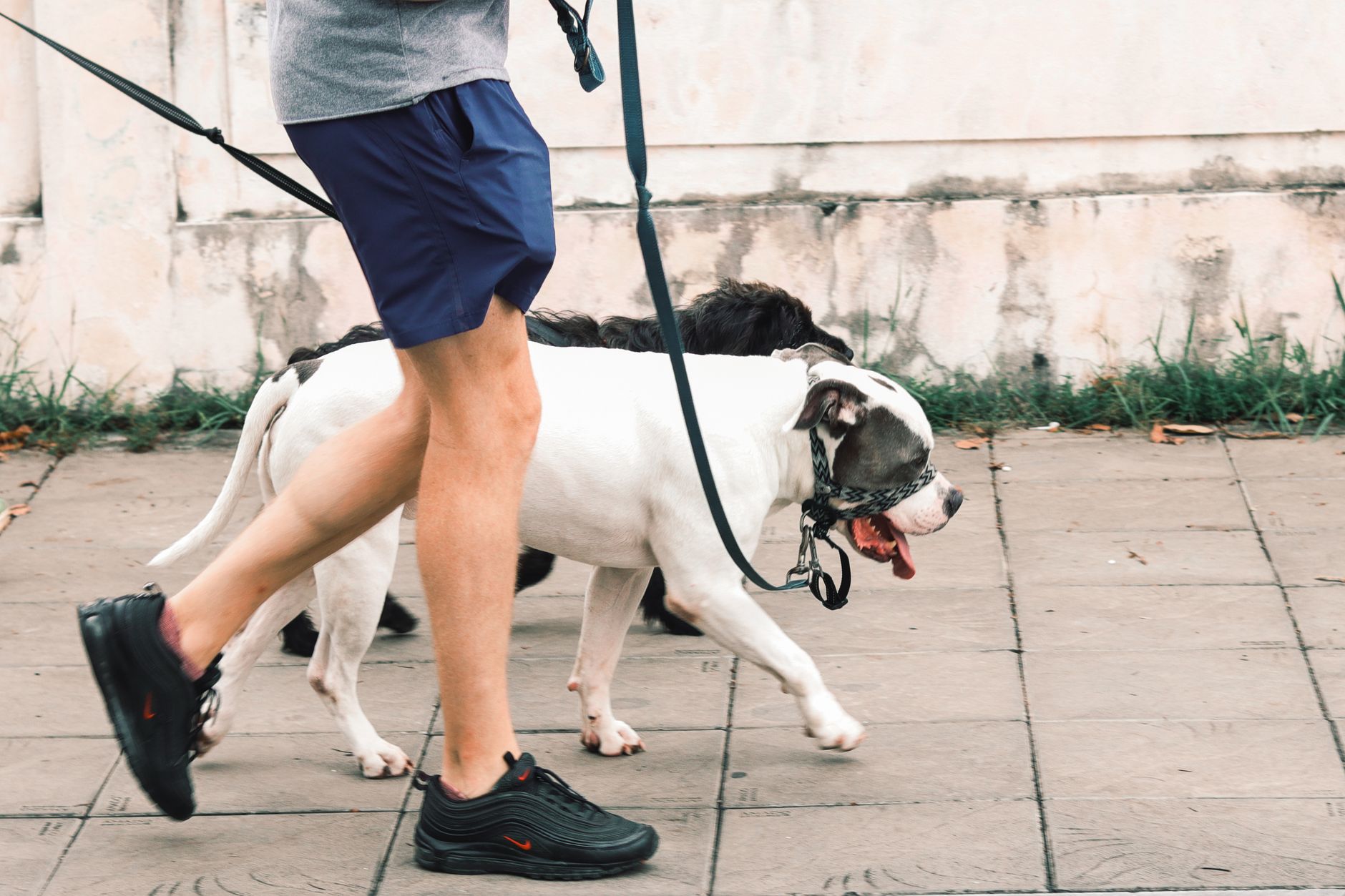
| Head Halter | Provides excellent control and can be very effective for strong pullers. | Requires gradual introduction and acclimation. Some dogs may find it uncomfortable or try to remove it. |
Alternative Techniques for Managing Pulling
While loose-leash walking is the ultimate goal, there are other helpful techniques you can use in the meantime.
- Changing Direction: Immediately turn and walk in the opposite direction when your dog starts to pull.
- Using a “U-Turn” Technique: Make a 180-degree turn, causing the dog to re-orient and follow you.
- Engaging Your Dog’s Attention: Use treats or toys to distract your dog when encountering triggers that cause pulling.
Frequently Asked Questions (FAQs)
How long does it take to train a dog to stop pulling?
The time it takes varies depending on the dog’s age, breed, temperament, and consistency of training. Some dogs may learn in a few weeks, while others may take several months. Patience and consistent practice are crucial.
Is it possible to train an older dog to stop pulling?
Yes, it is possible to train an older dog to stop pulling. While it might take more time and patience than with a younger dog, older dogs can learn new behaviors with consistent training and positive reinforcement.
What are the best types of treats to use for loose-leash walking training?
Use high-value treats that your dog finds irresistible, such as small pieces of cooked chicken, cheese, or hot dogs. The treats should be small and easy for your dog to consume quickly.
My dog pulls more when he sees other dogs. What should I do?
Practice loose-leash walking in less distracting environments first. Gradually introduce your dog to other dogs from a distance, rewarding calm behavior. If your dog becomes overly excited, increase the distance and try again.
Can I use a retractable leash for loose-leash walking training?
Retractable leashes are not recommended for loose-leash walking training because they encourage pulling. They provide constant tension, which reinforces the pulling behavior.
What if my dog starts pulling suddenly after doing well for a while?
Backslide can happen. It’s usually a sign that the environment is too distracting or the training is not being reinforced frequently enough. Go back to practicing in a less distracting environment and increase the frequency of rewards.
Should I use a harness or a collar for loose-leash walking?
A harness is generally recommended, especially a front-clip harness, as it offers better control and reduces strain on the dog’s neck. However, a well-fitting collar can also be used, provided the dog is not a strong puller.
What do I do if my dog gets distracted and starts sniffing everything?
Allow your dog to sniff for a short period, then gently redirect its attention back to you using a treat or toy. Balance is key – allow some exploration while maintaining control.
Is it okay to give my dog treats constantly during walks?
No, constant treat delivery is not ideal. Instead, use treats strategically to reward good behavior, such as walking nicely on a loose leash or responding to cues. Fade out treat frequency over time, replacing treats with verbal praise and other rewards.
My dog pulls even with a front-clip harness. What am I doing wrong?
Ensure the harness fits properly. Also, you might need to refine your training technique. Use the “red light/green light” method consistently, and make sure you’re rewarding your dog at the exact moment the leash goes slack.
What is the “engage/disengage” game, and how can it help?
The engage/disengage game involves marking and rewarding your dog for looking at you when they notice a potential trigger (e.g., another dog, a squirrel). This helps build focus and self-control, making it easier to prevent pulling.
When should I consider getting professional help from a dog trainer?
If you are struggling to make progress despite consistent effort, or if your dog has other behavioral issues, consider consulting a certified professional dog trainer or behaviorist. They can provide personalized guidance and address any underlying issues.