

What to Do if Your Cat is Not Eating: A Comprehensive Guide
If your cat refuses to eat, it’s crucial to act quickly. Determining the cause of your cat’s loss of appetite and providing appropriate support, potentially including veterinary intervention, are essential for their health and well-being.
Understanding Feline Anorexia
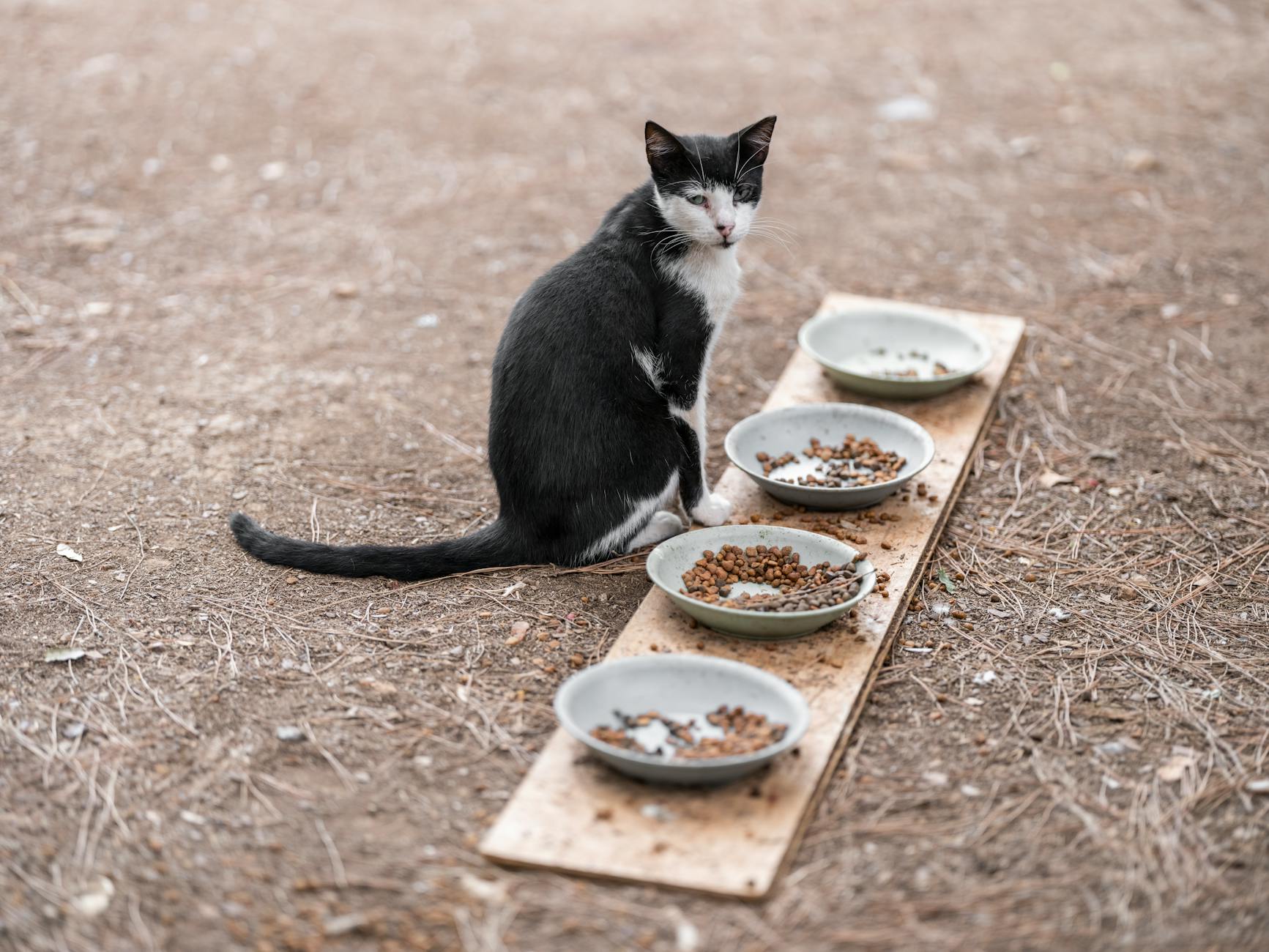
A cat’s refusal to eat, often referred to as anorexia (although true anorexia is rare in cats, loss of appetite is more common), can be a significant cause for concern. Unlike dogs, cats cannot tolerate prolonged periods without food. After just a few days, their bodies begin breaking down fat reserves for energy, which can lead to a dangerous condition called hepatic lipidosis, or fatty liver disease.
The Importance of Early Intervention
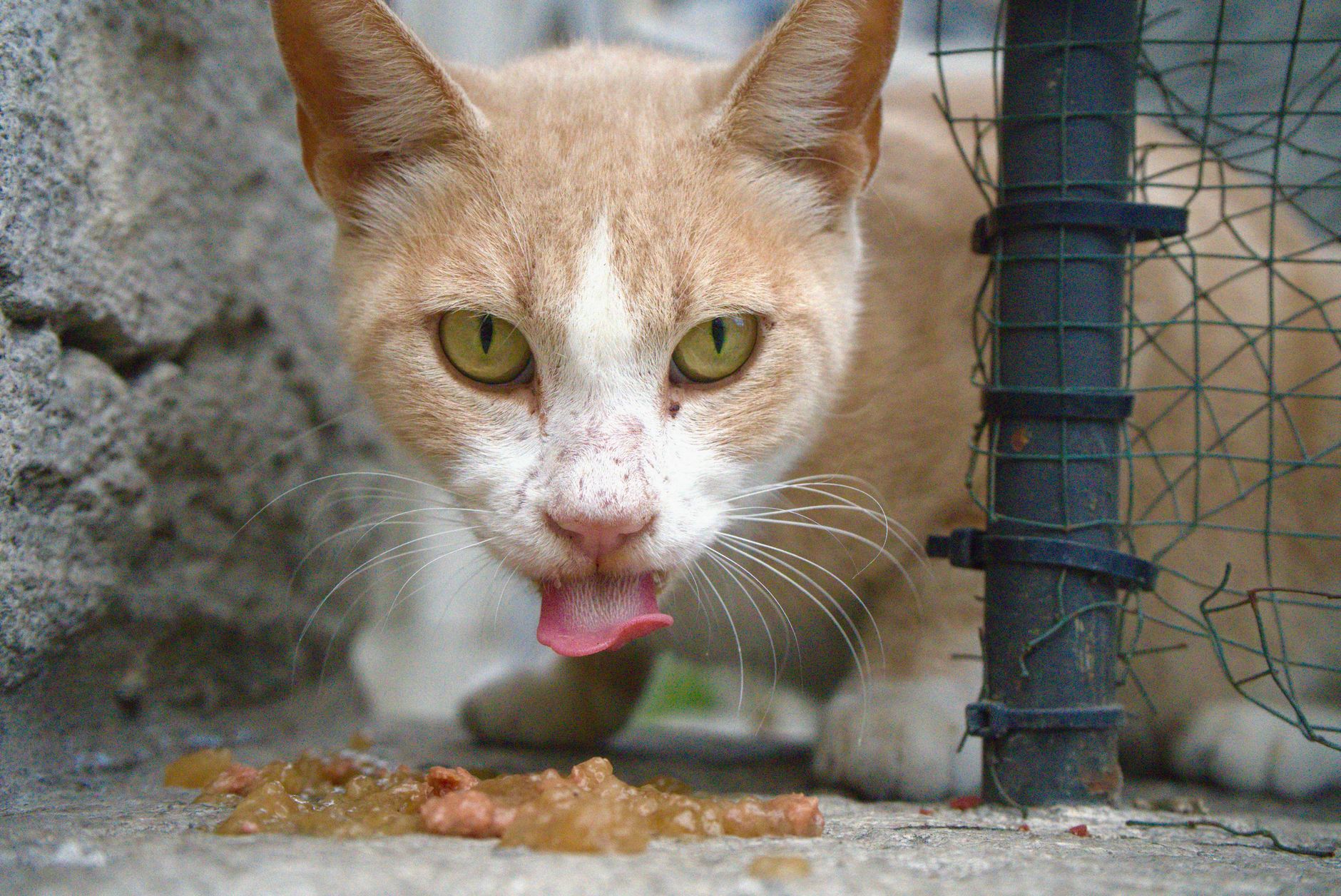
Early intervention is critical when you notice your cat isn’t eating. The sooner you identify the problem and seek veterinary advice, the better the chances of a successful recovery. Ignoring the issue can lead to severe complications and even death.
Identifying Potential Causes
Several factors can contribute to a cat’s loss of appetite. It’s important to consider these possibilities to help your veterinarian diagnose the problem:
- Medical Conditions:
- Dental problems (e.g., tooth decay, gum disease)
- Kidney disease
- Liver disease
- Pancreatitis
- Infections (e.g., upper respiratory infection)
- Cancer
- Intestinal parasites
- Behavioral Issues:
- Stress or anxiety (e.g., new pet, moving, loud noises)
- Fussy eating habits
- Competition for food (in multi-cat households)
- Changes in routine
- Environmental Factors:
- Dirty food or water bowls
- Stale or spoiled food
- Change in food type
- Location of food bowl (e.g., near a litter box)
- Medications: Certain medications can cause a decrease in appetite as a side effect.
What To Do if Your Cat is Not Eating: A Step-by-Step Approach
If you observe that your cat is not eating, take these steps:
- Monitor and Observe: Pay close attention to your cat’s behavior, energy levels, and any other symptoms they may be exhibiting (e.g., vomiting, diarrhea, lethargy). Record your observations to share with your veterinarian.
- Offer Tempting Foods: Try offering a variety of enticing foods, such as warmed-up wet food, tuna in water (in moderation), plain cooked chicken, or baby food (ensure it is onion and garlic-free).
- Ensure Fresh Water: Always provide fresh, clean water. Cats are often drawn to running water, so consider using a pet fountain.
- Check for Dental Problems: Gently examine your cat’s mouth for any signs of dental disease, such as red gums, bad breath, or difficulty chewing.
- Reduce Stress: Minimize any potential stressors in your cat’s environment. Provide a safe and comfortable space where they can relax.
- Clean Food Bowls: Ensure your cat’s food and water bowls are clean and hygienic.
- Consult Your Veterinarian: If your cat refuses to eat for more than 24 hours, or if they exhibit other concerning symptoms, seek veterinary attention immediately.
- Follow Veterinary Recommendations: Adhere strictly to your veterinarian’s treatment plan, which may include medication, fluid therapy, or nutritional support.
Common Mistakes to Avoid
- Ignoring the Problem: Delaying veterinary care can worsen the underlying condition and lead to serious complications.
- Force-Feeding: Forcing a cat to eat can create a negative association with food and cause further stress. It can also lead to aspiration pneumonia.
- Self-Treating: Administering medications without veterinary guidance can be dangerous and potentially harmful.
- Giving Milk: Many adult cats are lactose intolerant, and giving them milk can cause digestive upset.
Monitoring Your Cat’s Recovery
After veterinary treatment, closely monitor your cat’s progress. Ensure they are eating regularly and regaining their strength. If their appetite does not improve, or if they develop new symptoms, contact your veterinarian.
Frequently Asked Questions (FAQs)

What are the early signs that my cat is not eating enough?
Even before a complete refusal of food, you might notice subtle signs such as picking at food, eating only a small amount, losing weight, or showing less interest in mealtimes. Paying attention to these subtle changes is crucial for early detection.
How long can a cat go without eating before it becomes dangerous?
Generally, 24-48 hours without food is considered the danger zone for cats. After this point, the risk of hepatic lipidosis increases significantly. Prompt veterinary attention is paramount.
What human foods are safe to offer a cat who isn’t eating?
Plain cooked chicken (boneless and skinless), tuna in water (in moderation due to mercury), or baby food (ensure it’s onion and garlic-free) can be palatable options to tempt a picky eater. Always check the ingredient list for harmful additives.
Why is my cat suddenly not eating her favorite food?
A sudden aversion to a favorite food can indicate an underlying medical issue or a negative association with the food (e.g., if they felt sick after eating it). It is also possible that the food has simply gone bad.
Can stress cause my cat to stop eating?
Yes, stress is a common cause of decreased appetite in cats. Changes in the environment, new pets, loud noises, or even a change in routine can trigger stress.
How can I encourage my cat to eat if they are being picky?
Try warming up wet food to enhance its aroma, offering a variety of textures and flavors, feeding smaller meals more frequently, or using a puzzle feeder to stimulate their appetite.
Is it normal for older cats to lose their appetite?
While a decrease in appetite can occur in older cats, it’s not necessarily normal. It can be a sign of age-related medical conditions. A veterinary check-up is essential to rule out underlying issues.
What is hepatic lipidosis and why is it so dangerous for cats?
Hepatic lipidosis, or fatty liver disease, occurs when a cat’s body breaks down fat reserves for energy due to starvation. This overloads the liver with fat, causing it to malfunction. It is a life-threatening condition.
What tests will my veterinarian likely perform to diagnose the cause of my cat’s loss of appetite?
Your veterinarian may perform a physical examination, blood tests (including a complete blood count and biochemistry profile), urine analysis, and possibly imaging (X-rays or ultrasound) to identify the underlying cause of the anorexia.
Are there medications that can help stimulate my cat’s appetite?
Yes, there are medications available to stimulate appetite in cats. These medications should only be administered under the supervision of a veterinarian, as they may not be appropriate for all conditions.
How do I properly syringe-feed my cat if they refuse to eat voluntarily?
Syringe-feeding should only be done under the guidance of a veterinarian. They can demonstrate the proper technique to avoid aspiration. Patience and gentleness are key.
What can I do to prevent future episodes of appetite loss in my cat?
Maintain a consistent routine, provide a stress-free environment, feed a high-quality diet, schedule regular veterinary check-ups, and address any underlying medical conditions promptly.