
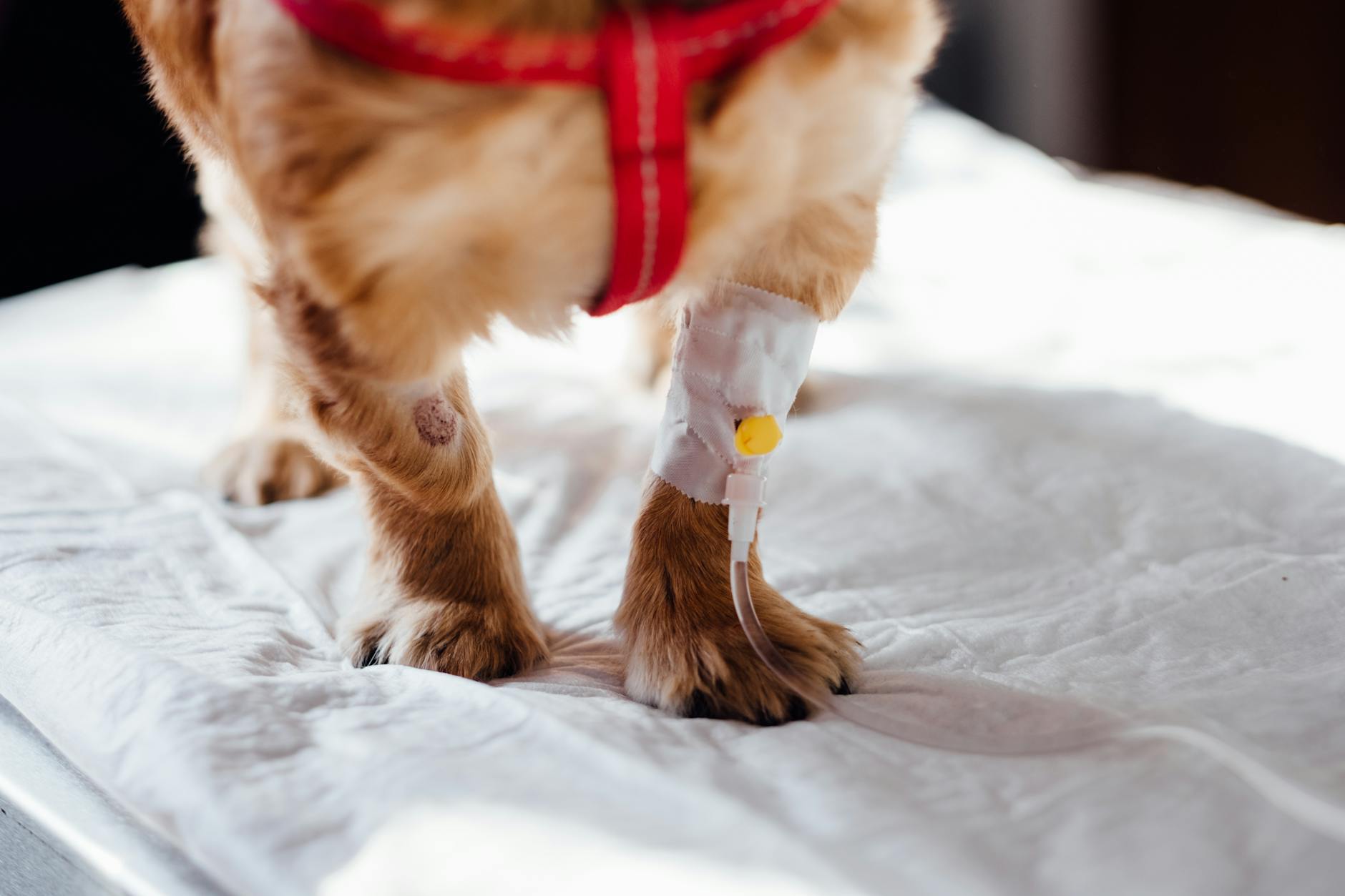
What to do if I Step on My Dog’s Paw?
If you accidentally step on your dog’s paw, the first and most important thing is to remain calm and assess your dog’s reaction; then, gently examine the paw for signs of injury like swelling, bleeding, or limping, and contact your veterinarian for advice if you notice any serious symptoms.

Stepping on your dog’s paw is a common occurrence, especially with smaller breeds or in busy households. While it’s rarely intentional, the immediate aftermath can be stressful for both you and your furry friend. Knowing what to do if I step on my dog’s paw? is crucial for ensuring their well-being and minimizing any potential harm. This article provides a comprehensive guide to handling the situation effectively, from immediate reactions to preventative measures.
Understanding the Potential Consequences
Stepping on a dog’s paw can result in a range of reactions and injuries, depending on the force and the dog’s individual sensitivity. Here are some possible outcomes:
- No Apparent Injury: Often, the dog may yelp or show brief discomfort, but there are no lasting effects.
- Minor Discomfort: The dog might limp slightly for a short period, possibly indicating a bruise or minor sprain.
- More Serious Injury: In rarer cases, a step on the paw can lead to fractures, dislocations, lacerations, or nerve damage.
Immediate Response: Staying Calm and Observing

Your immediate reaction is crucial in de-escalating the situation. Here’s what to do right after you’ve stepped on your dog’s paw:
-
Stay Calm: Avoid panicking, as this can frighten your dog further. Speak in a soothing tone.
-
Observe Your Dog’s Reaction: Pay close attention to your dog’s immediate response. A sharp yelp followed by immediate recovery is often a good sign. However, persistent whining, limping, or reluctance to put weight on the paw indicate a potential problem.
-
Gently Assess the Paw: Once the dog appears calmer, gently examine the affected paw. Look for:
- Swelling
- Redness
- Bleeding or cuts
- Tenderness to the touch
- Deformity
-
Check Between the Toes: Don’t forget to look between the toes for any small cuts, embedded objects, or signs of inflammation.
-
Monitor Their Behavior: Observe your dog over the next few hours for any changes in appetite, activity level, or general demeanor.
-
Consider a vet visit: If anything seems concerning, don’t hesitate to contact your vet. It’s always better to be safe than sorry.
First Aid for Minor Injuries
If you identify a minor injury, such as a small cut or bruise, here’s how to provide basic first aid:
- Clean the Wound: If there’s a cut, gently clean it with mild soap and water.
- Apply a Cold Compress: A cold compress can help reduce swelling and alleviate pain. Apply it for 10-15 minutes at a time.
- Bandage (If Necessary): If the cut is bleeding slightly, apply a sterile bandage. Change the bandage regularly and keep the area clean.
- Limit Activity: Restrict your dog’s activity to prevent further injury.
- Monitor Closely: Keep a close eye on the paw for signs of infection (increased redness, swelling, pus discharge).
When to Seek Veterinary Attention
Certain symptoms warrant immediate veterinary attention. Consult your veterinarian if you observe any of the following:
- Severe pain or distress: Constant whining, whimpering, or reluctance to move.
- Significant swelling or deformity: Obvious signs of bone or joint damage.
- Profuse bleeding: Bleeding that doesn’t stop with gentle pressure.
- Limping that persists for more than 24 hours: Even if there are no visible injuries, persistent limping warrants a check-up.
- Signs of infection: Redness, swelling, pus, or fever.
- Broken nail or deeply embedded object: These situations often require professional treatment.
Prevention: Reducing the Risk of Accidental Stepping
While accidents happen, there are steps you can take to minimize the risk of stepping on your dog’s paw:
- Be Aware of Your Surroundings: Pay attention to where your dog is, especially in busy areas or dimly lit rooms.
- Use Visual Cues: If your dog tends to be underfoot, consider using a brightly colored collar or harness to make them more visible.
- Train Your Dog: Teach your dog commands like “Stay” or “Move” to keep them out of your walking path.
- Avoid Clutter: Keep walkways clear of obstacles that could make it harder to see your dog.
- Consider a Bell: Attaching a small bell to your dog’s collar can alert you to their presence.
| Prevention Strategy | Description |
|---|---|
| :—————— | :——————————————————————————– |
| Awareness | Paying attention to your dog’s location, especially in low-light conditions. |
| Training | Teaching your dog commands like “stay” to keep them out of harm’s way. |
| Clutter Reduction | Removing obstacles from walkways to improve visibility and reduce tripping hazards. |
| Auditory Alert | Using a bell or other noise-making device to alert you to your dog’s presence. |
Long-Term Considerations
Even after a minor incident, it’s important to be mindful of your dog’s paw health. Regular paw checks can help identify potential problems early on.
- Regular Paw Inspections: Check your dog’s paws regularly for cuts, abrasions, or embedded objects.
- Nail Trimming: Keep your dog’s nails trimmed to prevent them from becoming too long and causing discomfort.
- Paw Protection: Consider using paw wax or booties to protect your dog’s paws from harsh surfaces or extreme weather conditions.
- Maintain a Healthy Weight: Overweight dogs are more prone to joint problems, which can make paw injuries more painful.
The Importance of Positive Reinforcement
After stepping on your dog’s paw, even if unintentionally, they might be scared or wary of you. Use positive reinforcement to reassure them and rebuild trust. Offer treats, praise, and gentle petting to help them feel safe and secure.
What to do if I step on my dog’s paw? It’s a situation that requires immediate attention, but one you can handle with the right knowledge and approach. By remaining calm, assessing the situation carefully, and seeking veterinary care when necessary, you can ensure your dog’s well-being and maintain a strong bond of trust.

Frequently Asked Questions (FAQs)
Is it always necessary to take my dog to the vet if I step on their paw?
No, it’s not always necessary. If your dog yelps briefly but resumes normal activity with no signs of limping, swelling, or discomfort, it’s likely that the paw is fine. However, if you observe any signs of injury or distress, contacting your veterinarian is always the safest course of action.
How can I tell if my dog’s paw is fractured?
Signs of a potential fracture include severe pain, significant swelling, deformity, and reluctance to put any weight on the paw. Your dog may also vocalize in pain or exhibit a loss of appetite. An x-ray is typically required to confirm a fracture.
What if my dog bites me when I try to examine their paw after stepping on it?
If your dog is in pain, they may be more prone to biting out of fear and self-defense. In this case, it’s important to prioritize your safety. Muzzle your dog if possible, or ask someone else to help restrain them while you examine the paw. If you are unable to safely examine the paw, seek veterinary assistance immediately.
What are the signs of a paw infection?
Signs of a paw infection include redness, swelling, pus discharge, foul odor, and tenderness to the touch. Your dog may also lick or chew at the affected area excessively. A paw infection requires veterinary treatment, usually with antibiotics.
Can I give my dog pain medication after stepping on their paw?
Never give your dog human pain medication without consulting your veterinarian. Many human pain relievers, such as ibuprofen and acetaminophen, are toxic to dogs. Your vet can recommend a safe and effective pain medication for your dog.
My dog seems fine, but I still feel guilty. What should I do?
It’s natural to feel guilty after accidentally stepping on your dog’s paw. Focus on making amends by showering them with extra love and attention. Provide them with their favorite treats, engage in their favorite activities, and reassure them that you didn’t mean to hurt them.
How long will it take for my dog’s paw to heal after a minor injury?
The healing time for a minor paw injury can vary, but most minor bruises and sprains will typically resolve within a few days to a week with rest and proper care. More serious injuries, such as fractures, can take several weeks to months to heal.
What type of bandage should I use for my dog’s paw?
Use a sterile, non-adhesive bandage to cover the wound. Avoid using adhesive bandages directly on your dog’s skin, as they can cause irritation and pull out fur. Use a self-adhering wrap to secure the bandage in place, but be careful not to wrap it too tightly.
Should I limit my dog’s activity even if they don’t seem to be in pain?
Yes, even if your dog doesn’t appear to be in pain, it’s generally a good idea to limit their activity for a day or two after stepping on their paw. This allows any minor injuries to heal and prevents further irritation.
Are certain breeds more susceptible to paw injuries?
While any dog can sustain a paw injury, certain breeds may be more prone due to their size, activity level, or paw structure. Smaller breeds might be more vulnerable because they are closer to the ground and more easily stepped on. Active breeds that participate in high-impact activities may be at higher risk of paw injuries.
Can cold weather affect my dog’s paws?
Yes, extreme cold can be harmful to your dog’s paws. Snow and ice can cause frostbite, and road salt can irritate the pads of their paws. Consider using paw wax or booties to protect their paws during cold weather.
If my dog is limping on their front paw after I stepped on it, is it more serious than if it was a hind paw?
Not necessarily. Limping on a front or hind paw both warrant careful observation. However, it is important to be aware that the front legs carry a greater percentage of the dog’s weight. Therefore, if they limp noticeably on their front paw after you step on it, it can potentially be a serious matter. It’s best to consult a veterinarian to ensure there are no breaks.