

What to do if an Alligator is Chasing You? Survival Guide
If an alligator is chasing you, your immediate goal is to escape; run away in a straight line and seek a barrier, as alligators aren’t built for prolonged chases or overcoming obstacles. This guide details steps to minimize your risk and maximize your safety in the unlikely event of an alligator pursuit.
Understanding Alligator Behavior and Chase Dynamics
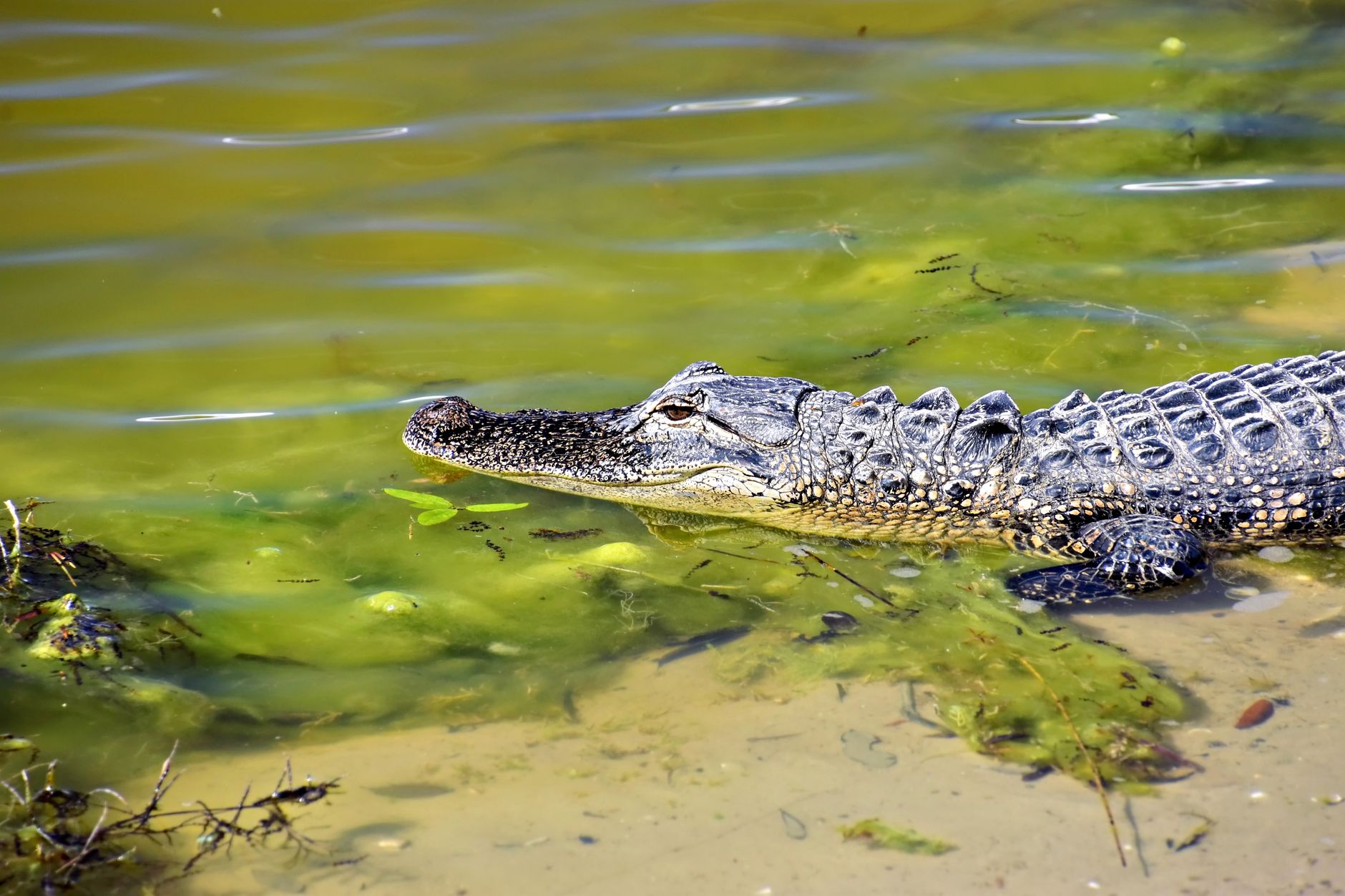
While alligator attacks are rare, understanding their behavior can significantly improve your chances of survival. Alligators are ambush predators, meaning they typically prefer to lie in wait and strike unsuspecting prey. Chases are uncommon because alligators are not built for sustained speed. They rely on short bursts of power. The circumstances under which an alligator might actually pursue a human are limited but often involve perceived threats to their young or territory.
- Ambush Predators: Alligators are masters of camouflage and patience.
- Limited Stamina: They excel in short bursts, not extended chases.
- Territoriality: Alligators protect their nesting areas and young.
The Ideal Response: Prevention and Early Detection

The best approach is always prevention. Awareness and responsible behavior around alligator habitats are crucial.
- Observe Warning Signs: Heed posted warnings about alligators.
- Maintain Distance: Stay at least 20-30 feet away from alligators.
- Avoid Feeding: Never feed alligators, as this habituates them to humans and encourages aggressive behavior.
- Be Vigilant: Keep children and pets under close supervision near water.
What to do if an Alligator is Chasing You? Run!
If an alligator is charging or appears to be chasing you, the most important thing is to run away. This may seem obvious, but there are nuances to consider.
- Run in a Straight Line: Despite popular belief, alligators aren’t as fast as they seem. They can reach speeds of up to 35 mph in short bursts, but only in a straight line. So running in a zig-zag pattern is a myth.
- Create Distance: Focus on putting as much distance as possible between you and the alligator.
- Seek a Barrier: If possible, run towards a building, car, or any other obstacle that the alligator would have to navigate around. Alligators are less likely to continue a chase when faced with obstacles.
What to do if an Alligator is Chasing You? Fight Back (if necessary)
If escape is impossible, and the alligator makes contact, you must fight back aggressively. This is a last resort, but it can increase your chances of survival.
- Target Vulnerable Areas: Focus your attacks on the alligator’s eyes, snout, and throat.
- Use Available Weapons: Use anything you can find as a weapon, such as sticks, rocks, keys, or even your bare hands.
- Fight with Intensity: Make as much noise as possible. The goal is to startle the alligator and make it realize that you are not an easy target.
Post-Attack Actions
Even if you successfully repel an alligator attack, it is important to seek medical attention immediately. Alligator bites can cause serious infections.
- Seek Medical Care: Alligator bites can introduce bacteria that cause serious infections.
- Report the Incident: Report the attack to local wildlife authorities.
Alligator Safety: Myths vs. Facts
| Myth | Fact |
|---|---|
| Alligators are afraid of humans. | Alligators are opportunistic predators and can attack humans, especially if they feel threatened. |
| Running in a zig-zag pattern will help you escape an alligator. | Running in a straight line is more effective because alligators have limited stamina and maneuverability. |
| Alligators are only active during the day. | Alligators are most active at dusk and dawn, but can be active at any time of day or night. |
| Alligators are always aggressive. | Alligators are generally shy and avoid human contact unless provoked or habituated to humans. |
FAQ: Frequently Asked Questions about Alligator Encounters
What is the likelihood of being chased by an alligator?
Alligator attacks are rare, and chases are even rarer. Most alligators will avoid humans. However, it’s essential to be cautious near alligator habitats. The odds are very low, but precautions are always wise.
What should I do if I see an alligator near my home?
If you see an alligator near your home, contact your local wildlife authorities or animal control. Do not attempt to capture or relocate the alligator yourself. Maintaining a safe distance is paramount.
Is it true that alligators can’t run fast?
Alligators can run fast, but only for short distances. They can reach speeds of up to 35 mph, but they tire quickly. This limited stamina is your biggest advantage.
What is the best time of day to avoid alligators?
Alligators are most active during dusk and dawn, so it is best to avoid being near alligator habitats during these times. However, they can be active at any time of day or night.
What should I do if an alligator bites me?
If an alligator bites you, fight back aggressively. Target the eyes, snout, and throat. Seek medical attention immediately, as alligator bites can cause serious infections. Report the incident to local wildlife authorities.
What are some common signs that an alligator may be aggressive?
Signs of aggression include hissing, bellowing, and a raised tail. An alligator that is approaching you rapidly is likely feeling threatened or territorial.
Can alligators climb fences?
Yes, alligators can climb fences, particularly smaller ones. This is more common for younger alligators, but larger ones are also capable of climbing.
What type of habitat do alligators prefer?
Alligators prefer freshwater habitats such as lakes, ponds, rivers, swamps, and marshes. They can also tolerate brackish water, but they are not typically found in saltwater.
Are there any devices that can help protect me from alligators?
There are no devices that can guarantee protection from alligators. The best defense is prevention and awareness. Always maintain a safe distance and be vigilant.
How can I teach my children about alligator safety?
Teach your children to respect alligators and to avoid approaching them. Explain the importance of staying away from the water’s edge and to never feed alligators. Supervision is crucial.
What should I do if my pet is attacked by an alligator?
If your pet is attacked by an alligator, try to distract the alligator by throwing objects or making loud noises. Once your pet is free, seek veterinary care immediately. Report the incident to local wildlife authorities.
What is the best way to coexist with alligators in areas where they are common?
The best way to coexist with alligators is to respect their space, avoid feeding them, and maintain a safe distance. By being responsible and aware, you can minimize the risk of an encounter.