
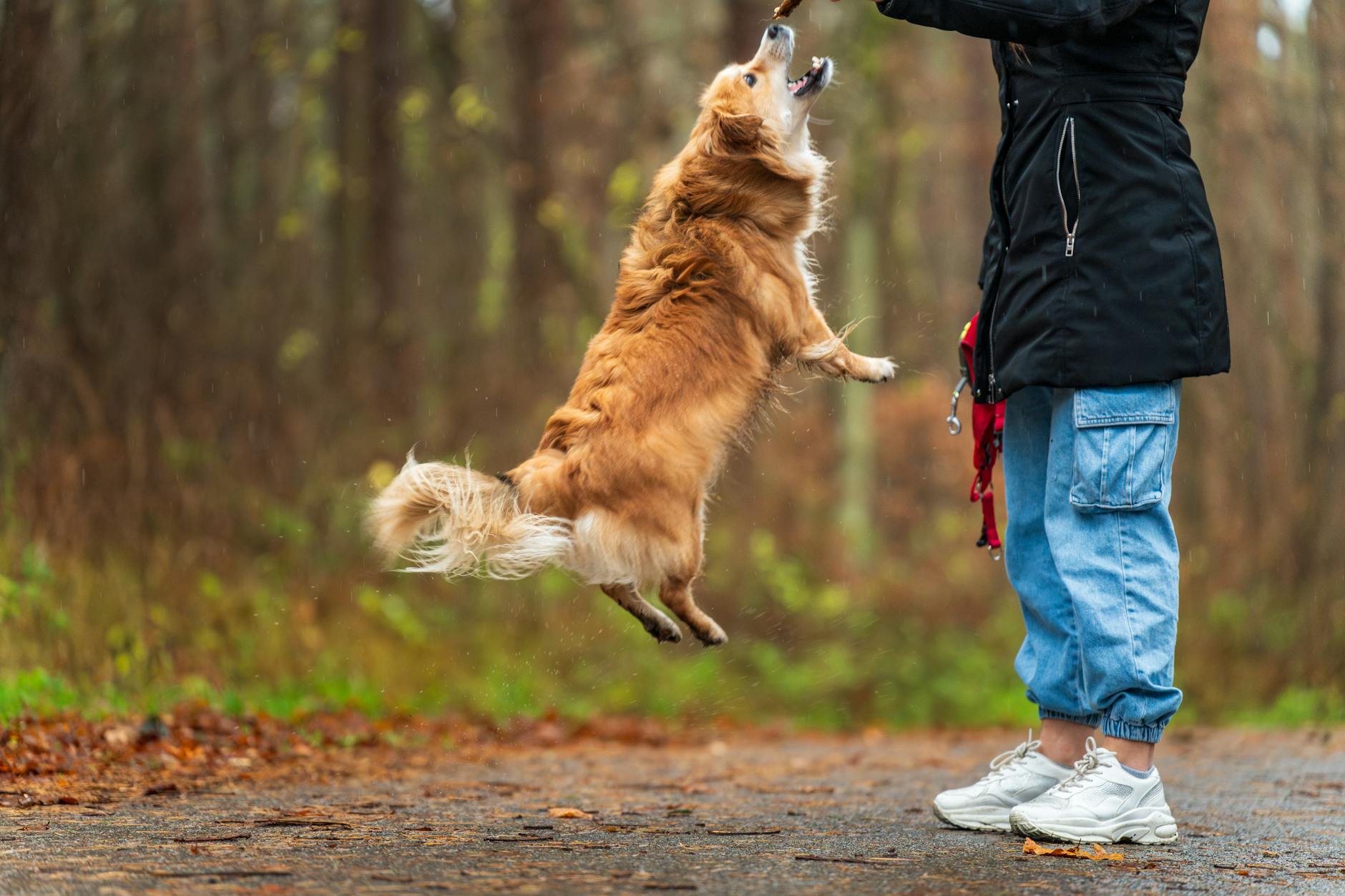
What to Do When Fido Flies: A Guide to Handling Jumping Dogs
Stop unwanted jumping immediately with these simple strategies. What to do if a dog jumps on you? Implement these positive reinforcement techniques to train your canine companion and maintain a safe and respectful interaction.

Understanding the Jumping Behavior
Jumping is a common behavior in dogs, often stemming from excitement, seeking attention, or dominance. It’s crucial to understand the root cause of the jumping to effectively address it. While a friendly greeting, a jumping dog can be intimidating, dangerous (especially for children and the elderly), and overall disruptive.
The Dangers of Ignoring Jumping
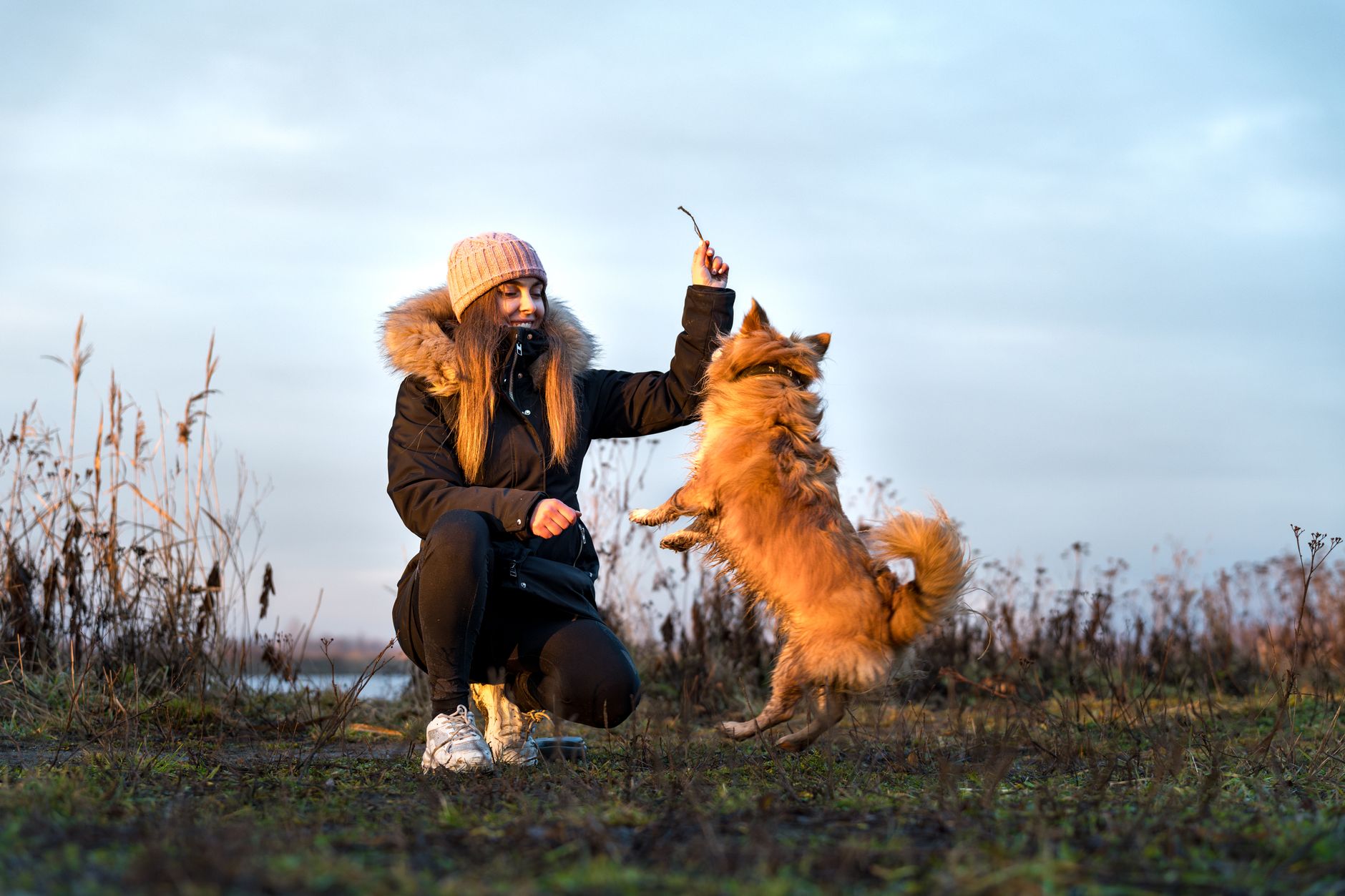
Ignoring a dog’s jumping behavior isn’t just a matter of politeness. It can have more serious consequences.
- Safety Concerns: Jumping dogs can knock people over, causing injuries like bruises, sprains, or even broken bones, particularly in vulnerable individuals.
- Reinforcing Negative Behavior: By not addressing the jumping, you inadvertently teach the dog that it’s an acceptable way to get attention.
- Damage to Clothing and Property: Jumping can lead to ripped clothing, muddy paw prints on furniture, and general wear and tear on belongings.
- Aggression Escalation: While less common, jumping can sometimes be a precursor to more aggressive behaviors, especially if the dog feels frustrated or challenged.
Effective Strategies for Preventing Jumping
What to do if a dog jumps on you? Here are some highly effective strategies to prevent your dog from jumping:
- Turn Away: The most immediate reaction should be to turn your body away completely, avoiding eye contact and any verbal communication. This removes the attention the dog is seeking.
- Knee Up (Use with Caution): Some trainers suggest gently raising a knee to block the dog’s jump. This method requires careful execution to avoid hurting the dog and should be combined with other techniques.
- Positive Reinforcement: The cornerstone of long-term success is to reward desired behaviors. When the dog has all four paws on the ground, immediately offer praise, a treat, or a toy.
- Teach an Alternative Behavior: Train your dog to perform a different action when greeting people, such as sitting or lying down. Reward this alternative behavior consistently.
- Manage the Environment: If you know visitors are coming, keep your dog on a leash initially to control their movements.
Training Your Dog to Sit on Command
Training your dog to sit on command is an essential part of preventing jumping. It gives you a way to redirect the dog’s attention and reward the desired behavior.
- Hold a Treat: Hold a treat near your dog’s nose.
- Move the Treat: Slowly move the treat over the dog’s head towards their tail. This usually encourages them to sit.
- Say the Command: As the dog sits, say “Sit.”
- Reward: Immediately give the treat and praise the dog.
- Practice: Repeat this exercise regularly in short sessions.
Consistency is Key
Remember, consistency is absolutely crucial when training a dog. Everyone who interacts with your dog needs to follow the same rules and use the same commands. If one person allows the dog to jump while another discourages it, the dog will become confused and the training will be ineffective.
Tools and Resources
Here are some helpful tools and resources to assist you in training your dog:

- Clicker Training: A clicker can be used to mark the exact moment the dog performs the desired behavior.
- High-Value Treats: Use treats that your dog finds particularly appealing to motivate them during training.
- Online Resources: Websites and YouTube channels dedicated to dog training offer valuable tips and tutorials.
- Professional Dog Trainers: If you’re struggling with training, consider consulting a certified professional dog trainer for personalized guidance.
When to Seek Professional Help
While many jumping behaviors can be addressed with consistent training, some situations require professional intervention. If the jumping is accompanied by aggression, excessive barking, or other concerning behaviors, consult a certified professional dog trainer or a veterinary behaviorist. They can assess the underlying causes and develop a tailored training plan to address the specific issues.
Frequently Asked Questions
Can I discourage jumping by ignoring my dog?
While ignoring can sometimes work, it’s not always the most effective solution, especially if the dog is highly persistent. It’s usually better to combine ignoring with redirecting the dog’s attention to an alternative behavior.
Is it okay to push my dog off when they jump?
Pushing a dog off is generally not recommended because it can be perceived as aggressive and can damage your relationship with the dog. It’s more effective to turn away and ignore the jumping or teach an alternative behavior.
How long does it take to train a dog not to jump?
The amount of time it takes to train a dog not to jump varies depending on the dog’s age, temperament, and consistency of training. With consistent effort, you should see improvement within a few weeks, but it may take several months to fully eliminate the behavior.
What should I do if my dog jumps on guests?
Before guests arrive, put the dog on a leash. When guests arrive, have them ignore the dog until it is calm and sitting. Reward the dog with treats and praise for remaining calm.
Why does my dog only jump on certain people?
The dog may be jumping on certain people because they react in a way that reinforces the behavior, such as giving attention, even if it’s negative. Or perhaps, they gave treats or attention once. It’s crucial that everyone interacts with the dog consistently.
Is jumping always a sign of dominance?
Jumping is not always a sign of dominance. While it can sometimes be related to establishing social hierarchy, it’s more often a sign of excitement, seeking attention, or a learned behavior.
What are some alternative behaviors I can teach my dog?
Some alternative behaviors include sitting, lying down, giving a paw, or going to a designated spot. These behaviors can be taught using positive reinforcement and can be used to redirect the dog’s attention when greeting people.
Can I use a spray bottle to deter jumping?
While some people use spray bottles to deter unwanted behaviors, it’s generally not recommended as it can be aversive and damage your relationship with the dog. Positive reinforcement methods are more effective and create a more positive training experience.
What if my dog jumps when excited, even after training?
Even with training, excitement can sometimes override a dog’s learned behaviors. In these situations, it’s important to remain calm and consistent with your commands. Continue to reward the desired behavior when the dog calms down.
Is it ever okay for a dog to jump on someone?
In some situations, jumping may be acceptable, such as when greeting close friends or family who enjoy it. However, it’s important to have control over the behavior and be able to redirect the dog when necessary.
What kind of treats should I use for training?
Use high-value treats that your dog finds particularly appealing. This could be small pieces of cooked chicken, cheese, or commercial dog treats. The key is to use treats that are motivating for your dog.
What if my dog jumps on me when I am carrying something?
This is a common challenge. Try to ignore the dog’s behavior and avoid giving attention. Place the item on the ground and then use your sit or down command. Reward the dog for obeying.