
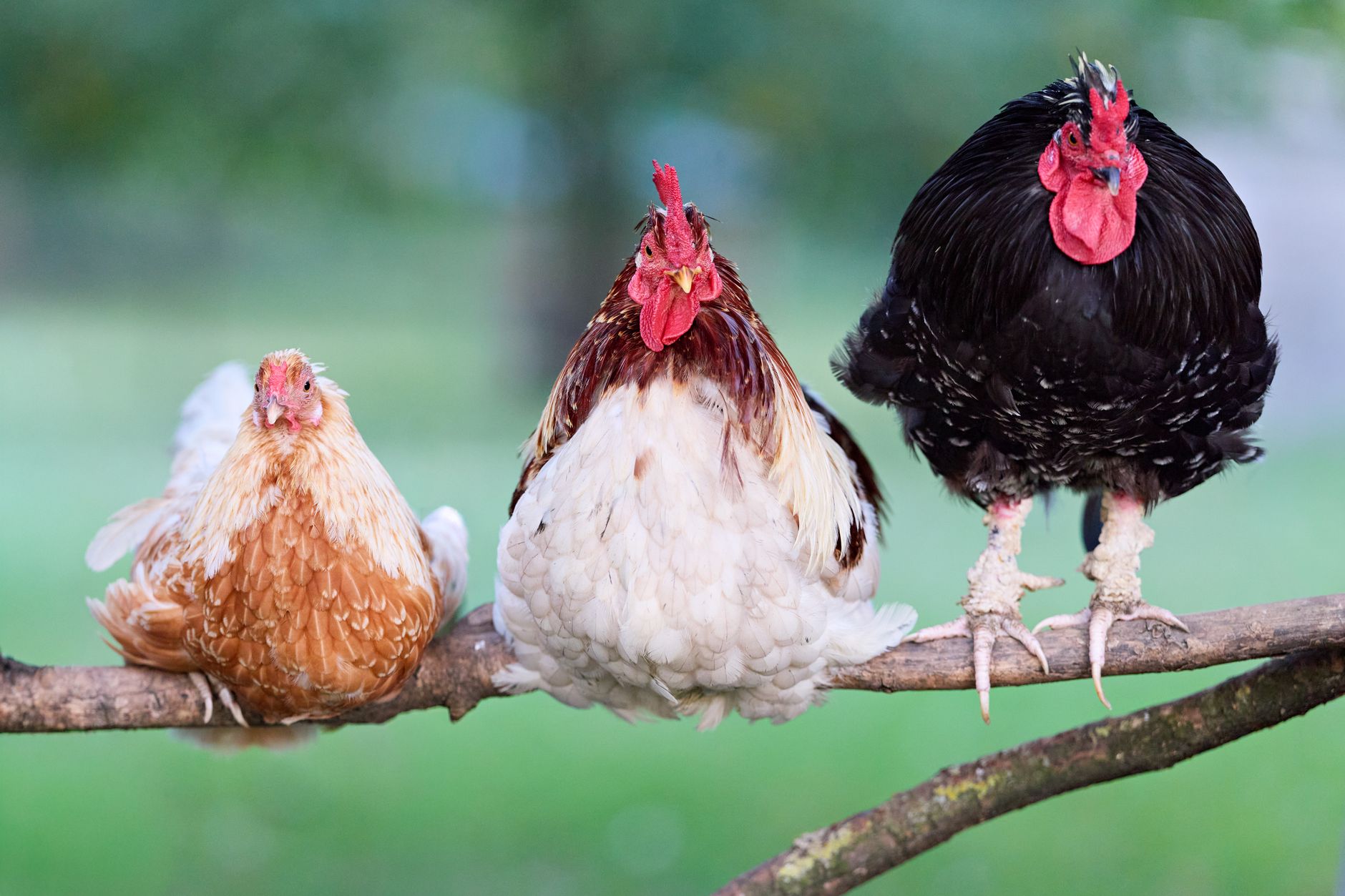
What Species Make Up A Chicken? Exploring Avian Ancestry
The domestic chicken, Gallus gallus domesticus, is primarily descended from the red junglefowl, with genetic contributions from other closely related species, shaping the breeds we know today.

Introduction to the Chicken: A Domesticated Wonder
The chicken, a ubiquitous presence in farms and tables around the world, is more than just a source of eggs and meat. Understanding “what species make up a chicken?” requires delving into its evolutionary history and acknowledging the pivotal role of domestication in shaping its current form. From its wild ancestor, the red junglefowl, to the myriad breeds exhibiting a stunning range of traits, the chicken’s story is a testament to the power of selective breeding and the enduring relationship between humans and animals. The chicken is, without a doubt, one of the most successful examples of animal domestication in human history.
The Primary Ancestor: Red Junglefowl
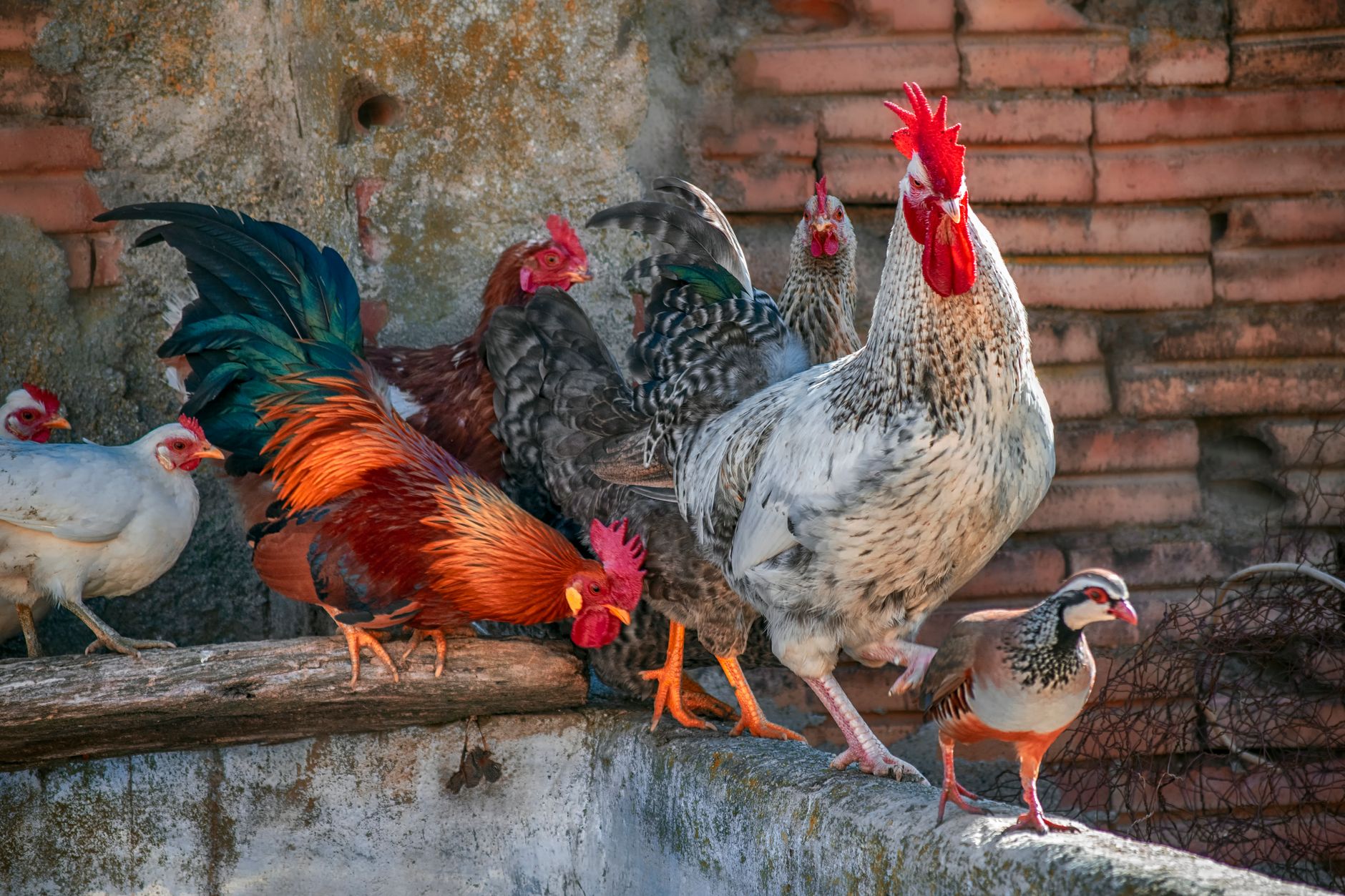
The Gallus gallus species, specifically the red junglefowl, stands as the primary ancestor of the domestic chicken. Originating in Southeast Asia, the red junglefowl possessed traits that made it suitable for domestication, including a relatively docile temperament and the ability to produce eggs regularly. Archaeological and genetic evidence overwhelmingly supports this connection, tracing the lineage of modern chickens back to this resilient and adaptable bird.
- Geographic Location: Southeast Asia
- Key Characteristics: Docile temperament, regular egg production
- Scientific Name: Gallus gallus
Secondary Contributors: Other Junglefowl Species
While the red junglefowl is the primary ancestor, recent genetic studies reveal that other junglefowl species, particularly the grey junglefowl (Gallus sonneratii), Ceylon junglefowl (Gallus lafayettii) and green junglefowl (Gallus varius) may have also contributed to the genetic makeup of modern chickens. These contributions, though potentially less significant than that of the red junglefowl, have introduced valuable traits such as disease resistance and unique plumage characteristics.
- Grey Junglefowl (Gallus sonneratii): Potential contributions to disease resistance.
- Ceylon Junglefowl (Gallus lafayettii): Possible influence on plumage coloration.
- Green Junglefowl (Gallus varius): Some evidence of hybridization in certain breeds.
The Role of Domestication and Selective Breeding
The domestication of the red junglefowl, likely occurring several thousand years ago, marked the beginning of the chicken’s transformation. Humans began selectively breeding chickens for desired traits such as increased egg production, larger body size, and specific plumage colors. This process of selective breeding has resulted in the incredible diversity of chicken breeds we see today, each adapted to different environments and purposes.
- Egg Production: Breeding for increased egg laying capacity.
- Meat Production: Selection for larger body size and faster growth rates.
- Ornamental Traits: Development of breeds with unique plumage colors and patterns.
Genetic Evidence and Hybridization
Modern genetic analysis, including whole-genome sequencing, provides compelling evidence of the chicken’s ancestry and the contributions of different junglefowl species. Hybridization, the interbreeding of different species, has likely played a role in the chicken’s genetic makeup, introducing new traits and increasing its adaptability. Ongoing research continues to refine our understanding of the complex genetic history of the domestic chicken. In essence, “What species make up a chicken?” is a question actively being answered by genetic scientists.
Chicken Breeds: A Spectrum of Traits
The result of selective breeding is the impressive diversity of chicken breeds. Each breed has unique characteristics, including size, plumage, egg-laying capacity, and temperament. Some breeds are prized for their meat, while others are valued for their egg production or ornamental qualities. Examples include:
- Leghorn: Known for high egg production.
- Rhode Island Red: A dual-purpose breed valued for both meat and eggs.
- Cochin: An ornamental breed with fluffy plumage.
Impact on Human Society and Economy
The domestication of the chicken has had a profound impact on human society and economy. Chickens provide a readily available and affordable source of protein, contributing significantly to food security worldwide. The poultry industry is a major economic force, providing employment and generating billions of dollars in revenue annually. Understanding “what species make up a chicken?” allows for greater understanding of breeding and disease control within this significant industry.
Future Directions in Chicken Research
Ongoing research focuses on improving chicken health, productivity, and sustainability. This includes efforts to develop disease-resistant breeds, optimize feed efficiency, and reduce the environmental impact of poultry farming. Advances in genomics and breeding technologies hold the promise of further enhancing the chicken’s role in global food production.

FAQs
Is the chicken a bird or a reptile?
The chicken is unequivocally a bird. Birds are classified as a distinct group of warm-blooded vertebrates characterized by feathers, wings, and the laying of hard-shelled eggs. While birds share an evolutionary lineage with reptiles, they have evolved into a separate and highly successful class of animals.
Are all chickens the same species?
Yes, all domestic chickens belong to the same species: Gallus gallus domesticus. However, there is an enormous amount of variation among different breeds, due to selective breeding for desired traits over hundreds of years.
What is the difference between a chicken and a rooster?
A chicken is a general term for the domesticated fowl, while a rooster is a male chicken. Roosters are typically larger than hens (female chickens) and possess characteristic features such as a larger comb, wattles, and spurs. They also exhibit distinct behaviors, including crowing and displaying to attract mates.
Can chickens fly?
Most domestic chicken breeds retain the ability to fly, although their flight capabilities are often limited due to their body weight and wing size. Some breeds, particularly those bred for meat production, are less capable of flight than others. Wild junglefowl are more agile flyers.
What did chickens evolve from?
The primary ancestor of domestic chickens is the red junglefowl (Gallus gallus), native to Southeast Asia. Genetic evidence suggests that other junglefowl species may have also contributed to the chicken’s genetic makeup, although to a lesser extent. “What species make up a chicken?” is predominantly answered by referencing the red junglefowl.
Are chickens related to dinosaurs?
Yes, birds, including chickens, are now widely recognized as direct descendants of theropod dinosaurs, the group that included Tyrannosaurus rex. This evolutionary connection is supported by a wealth of fossil and genetic evidence.
How long have chickens been domesticated?
Chickens are believed to have been domesticated thousands of years ago, with archaeological evidence suggesting domestication as early as 4000 years ago in Southeast Asia. The exact timeline and process of domestication are still under investigation.
Do chickens have good memories?
Yes, research indicates that chickens have surprisingly good memories. They can recognize individual faces, remember complex routes, and even learn from past experiences. This intelligence challenges the common perception of chickens as simple-minded animals.
What is the lifespan of a chicken?
The lifespan of a chicken varies depending on the breed and living conditions. In general, chickens can live for 5 to 10 years, although some individuals may live longer. Factors such as diet, housing, and exposure to disease can influence their lifespan.
What are the different breeds of chickens used for?
Chicken breeds are broadly categorized based on their primary purpose: egg production, meat production, or ornamental traits. Egg-laying breeds, such as Leghorns, are prolific egg layers. Meat breeds, such as Cornish crosses, grow quickly and provide a large amount of meat. Ornamental breeds are valued for their unique plumage colors and patterns.
How can I care for chickens properly?
Proper chicken care involves providing a safe and comfortable environment, a balanced diet, access to fresh water, and regular health checks. Chickens require a coop for shelter, nesting boxes for egg laying, and a run for foraging and exercise. Maintaining a clean and sanitary environment is essential for preventing disease.
What are the biggest threats to chicken populations?
The biggest threats to chicken populations include disease outbreaks, such as avian influenza, and predation by foxes, coyotes, and other animals. Biosecurity measures, such as vaccination and strict sanitation practices, are crucial for protecting chicken flocks from disease. Secure housing and fencing can help prevent predation.