
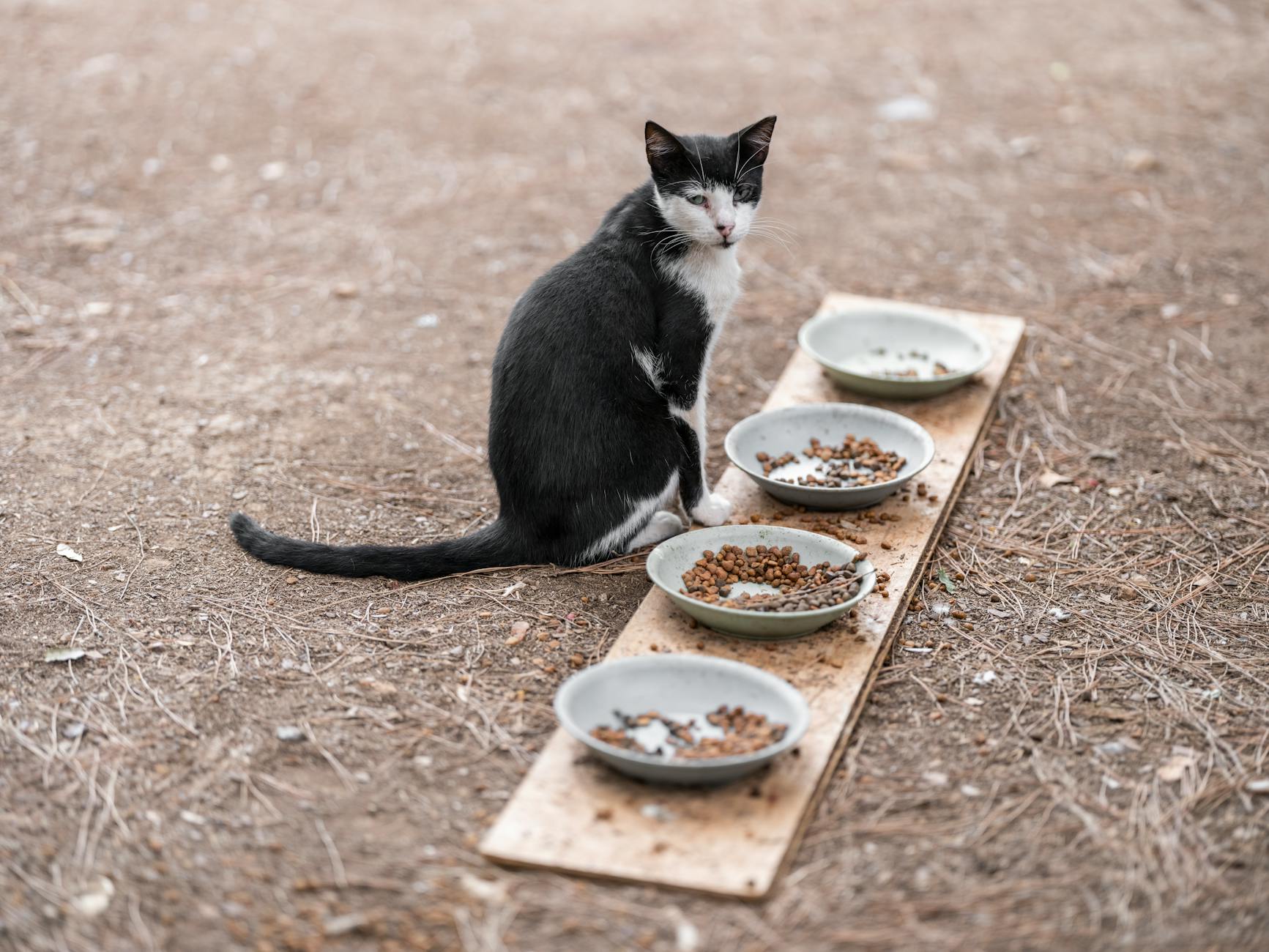
What To Feed Your Cat After Vomiting: A Comprehensive Guide
After your cat vomits, the best approach is typically a gentle and gradual reintroduction to food, starting with a bland diet to soothe their stomach and prevent further upset.

Understanding Feline Vomiting: A Background
Vomiting in cats, while often alarming for pet owners, is a relatively common occurrence. It’s important to differentiate between vomiting and regurgitation. Vomiting involves forceful expulsion of stomach contents, often preceded by retching or heaving. Regurgitation, on the other hand, is a passive process where undigested food or fluid is brought up without much effort. Determining the cause of the vomiting is paramount for proper treatment, but initially, managing the immediate aftermath with appropriate diet is key. What should I feed my cat after vomiting? The answer lies in easily digestible foods that won’t irritate their system further.
Why a Special Diet is Crucial

After a vomiting episode, your cat’s gastrointestinal system is likely inflamed and sensitive. Regular cat food, with its potentially high-fat content or complex ingredients, could exacerbate the issue. A bland diet helps to:
- Reduce stomach irritation.
- Provide easily digestible nutrients.
- Prevent further vomiting episodes.
- Allow the digestive system to recover.
- Minimize the risk of dehydration.
The Ideal Bland Diet for Post-Vomiting Cats
The cornerstone of a post-vomiting diet is a bland, easily digestible protein and carbohydrate source. Here’s what to consider:
- Protein Source: Boiled and skinless chicken breast is an excellent choice. It’s lean and easily digestible.
- Carbohydrate Source: Plain, boiled white rice provides easily accessible energy and helps to bind the stools.
- Preparation: Ensure both the chicken and rice are thoroughly cooked and served unseasoned. Avoid adding any oils, butter, or spices.
- Quantity: Offer small, frequent meals. Start with a tablespoon or two every few hours.
A good ratio is 1 part boiled chicken to 2 parts boiled rice.
Gradual Reintroduction of Food
Once your cat has tolerated the bland diet for 24-48 hours without further vomiting, you can gradually reintroduce their regular food.
- Day 1-2: Continue with the bland diet.
- Day 3: Mix a small amount (approximately 25%) of their regular food with the bland diet.
- Day 4: Increase the proportion of regular food to 50%.
- Day 5: Increase to 75% regular food.
- Day 6: If all goes well, you can return to their normal diet.
If vomiting recurs at any stage, revert to the bland diet and consult your veterinarian.
Hydration is Key
Vomiting can lead to dehydration, so ensuring your cat stays hydrated is essential. Offer fresh water frequently. If your cat is reluctant to drink, try:
- Offering low-sodium chicken broth (ensure it contains no onion or garlic, which are toxic to cats).
- Adding a small amount of water to their food.
- Providing a cat water fountain to encourage drinking.
- Offering flavored ice cubes made from diluted chicken broth or tuna water.
Monitor for signs of dehydration, such as sunken eyes, dry gums, and decreased skin elasticity. If you suspect dehydration, seek veterinary attention immediately.
When to Seek Veterinary Advice
While dietary adjustments can often resolve mild vomiting episodes, it’s crucial to know when veterinary intervention is necessary. Consult your veterinarian if your cat:
- Vomits repeatedly or forcefully.
- Shows signs of lethargy or weakness.
- Has blood in their vomit.
- Has abdominal pain.
- Has concurrent diarrhea.
- Is not eating or drinking.
- Has a history of underlying health conditions.
- If the vomiting persists for more than 24 hours despite dietary changes.
Common Mistakes to Avoid
- Feeding too much too soon: Overwhelming their system can trigger more vomiting.
- Using seasoned or fatty foods: These can irritate the stomach.
- Ignoring dehydration: Dehydration can be life-threatening.
- Delaying veterinary care when necessary: Prompt treatment can prevent complications.
- Giving human medication: Many human medications are toxic to cats.
- Assuming the vomiting is always diet-related: There could be underlying medical issues.
Alternative Bland Diet Options
While chicken and rice is the standard recommendation, other options may be suitable depending on your cat’s preferences and sensitivities:
| Food Item | Notes |
|---|---|
| Boiled Turkey | Similar to chicken, but ensure it’s skinless and unseasoned. |
| Boiled White Fish | Cod or haddock can be easily digested. Ensure no bones are present. |
| Pumpkin Puree | A small amount can help soothe the digestive tract. (Not pumpkin pie filling) |
| Commercial Bland Diets | Available from your vet; formulated for sensitive stomachs. |
Always introduce new foods gradually and monitor for any adverse reactions. Remember, determining what should I feed my cat after vomiting also depends on their individual health and prior experiences with different foods.
The Importance of Probiotics
After a vomiting episode, your cat’s gut flora may be disrupted. Consider adding a cat-specific probiotic supplement to their food, once they are tolerating food again. Probiotics can help restore the balance of beneficial bacteria in the gut and promote digestive health. Consult your veterinarian for recommendations on appropriate probiotic products and dosages.

Frequently Asked Questions (FAQs)
How long should I wait to feed my cat after they vomit?
It’s generally recommended to withhold food for 2-4 hours after your cat vomits. This allows their stomach to settle and reduces the likelihood of further vomiting. However, ensure they have access to fresh water unless they are actively vomiting it up.
Can I give my cat milk after vomiting?
No, you should not give your cat milk after vomiting. Many cats are lactose intolerant, and milk can further upset their stomach. Stick to water or low-sodium chicken broth for hydration.
My cat seems hungry after vomiting, should I still withhold food?
Even if your cat appears hungry, it’s best to wait the recommended 2-4 hours before offering food. Giving food too soon can trigger another vomiting episode. You can offer small amounts of water in the meantime.
What if my cat refuses to eat the bland diet?
If your cat refuses the bland diet, try offering a different protein source like boiled turkey or white fish. Warming the food slightly can also make it more appealing. If they still refuse to eat, consult your veterinarian. It’s crucial they resume eating within 24-48 hours to prevent hepatic lipidosis.
Can I give my cat treats after vomiting?
No, avoid giving your cat treats after vomiting until they have fully recovered and are back on their regular diet. Treats often contain ingredients that can be difficult to digest and irritate their stomach.
My cat vomited only once and seems fine now, do I still need to feed them a bland diet?
Even if your cat seems fine after a single vomiting episode, it’s still advisable to offer a bland diet for 12-24 hours to give their stomach a chance to fully recover. Monitor them closely for any signs of recurring vomiting or other symptoms.
How do I know if my cat is dehydrated?
Signs of dehydration in cats include sunken eyes, dry gums, decreased skin elasticity, and lethargy. Gently pinch the skin on the back of their neck; if it doesn’t snap back quickly, they may be dehydrated. If you suspect dehydration, seek veterinary care immediately.
What are some common causes of vomiting in cats?
Common causes of vomiting in cats include eating too quickly, hairballs, dietary indiscretion (eating something they shouldn’t), food allergies or sensitivities, parasitic infections, and underlying medical conditions such as kidney disease or hyperthyroidism.
When should I suspect a more serious medical issue is causing my cat’s vomiting?
Suspect a more serious medical issue if your cat’s vomiting is frequent, forceful, contains blood, is accompanied by other symptoms (e.g., lethargy, diarrhea, abdominal pain), or if they have a history of underlying health conditions. Prompt veterinary care is essential in these cases.
Can I add anything to the bland diet to make it more palatable?
A small amount of low-sodium chicken broth (ensure it’s onion and garlic-free) can be added to the bland diet to make it more palatable. Avoid adding any other seasonings or spices. A tiny bit of tuna juice (canned tuna in water, drained) may also entice a cat, but use sparingly.
Are there any over-the-counter medications I can give my cat for vomiting?
Do not give your cat any over-the-counter medications without consulting your veterinarian first. Many human medications are toxic to cats and can cause serious health problems.
What is hepatic lipidosis, and why is it a concern after a cat vomits?
Hepatic lipidosis (fatty liver disease) is a serious liver condition that can develop in cats when they stop eating. After a vomiting episode, if a cat refuses to eat for several days, they are at risk of developing this condition. Prompt veterinary intervention is crucial if a cat is not eating after vomiting. This underscores the importance of answering what should I feed my cat after vomiting with readily available and palatable choices to encourage eating.