

What Should I Add to My Fish Tank Before Adding Fish? Setting Up Your Aquarium for Success
Before introducing any aquatic life, you must establish a stable and healthy environment. What should I add to my fish tank before adding fish? Critically, you must add dechlorinator, substrate, decorations, a filter, a heater (if needed), beneficial bacteria (either bottled or by cycling), and lighting to ensure a safe and thriving ecosystem for your new finned friends.

Understanding the Importance of a Well-Prepared Aquarium
Setting up a new fish tank isn’t just about filling it with water; it’s about creating a miniature ecosystem that can support life. The process, often referred to as “cycling,” establishes the nitrogen cycle, a crucial biological process that converts harmful fish waste into less toxic substances. Introducing fish too early can lead to ammonia poisoning and potentially fatal consequences. By understanding the steps involved in preparing your tank, you’ll significantly increase your fish’s chances of survival and create a more enjoyable experience for yourself.
Essential Components for a Healthy Aquarium
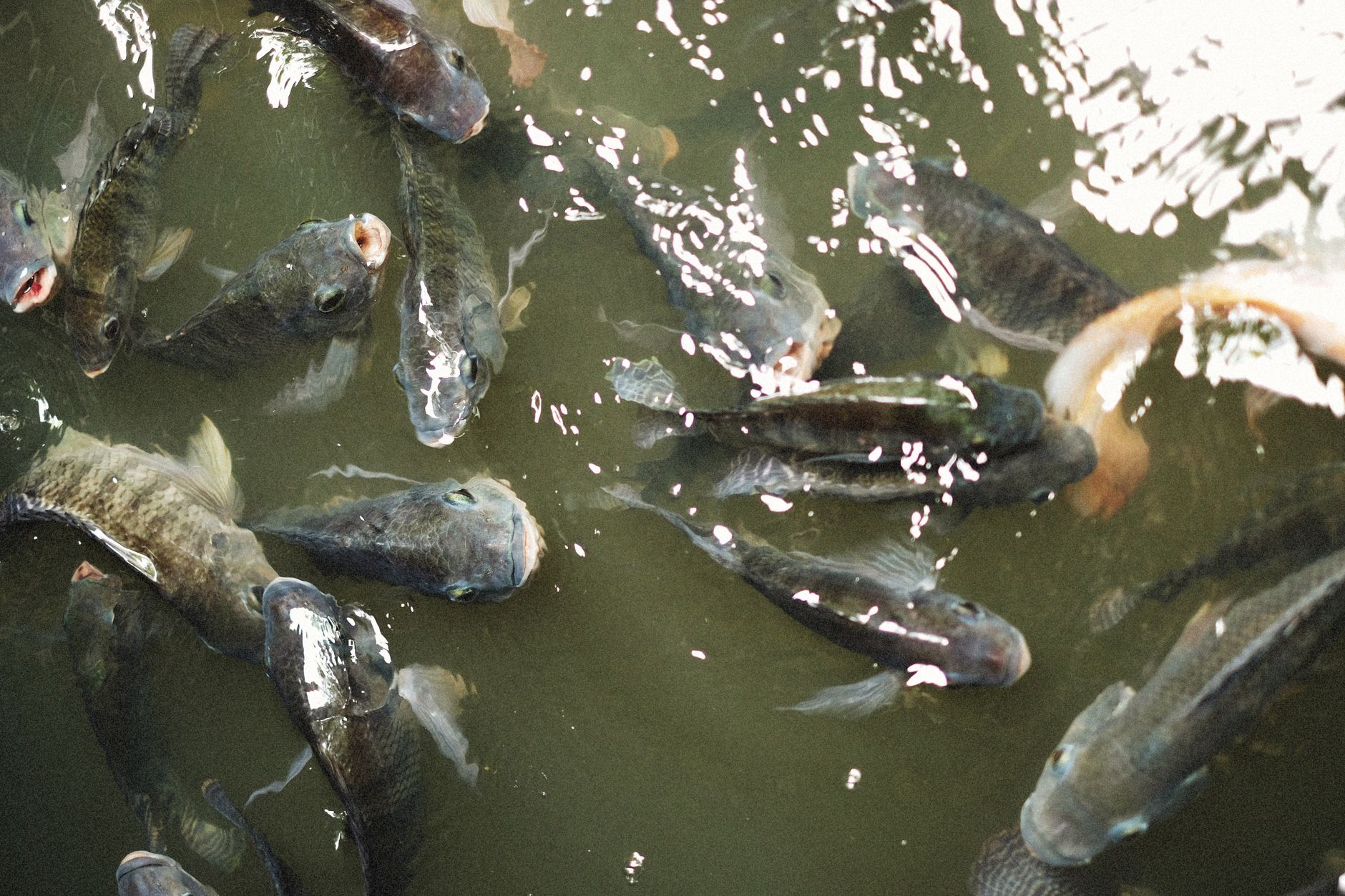
Before introducing fish, consider these crucial components:
-
The Tank: Select an appropriate size for the type of fish you plan to keep. Larger tanks are generally more stable. Consider glass or acrylic, each with advantages and disadvantages in terms of cost, weight, and clarity.
-
Substrate: This is the material that covers the bottom of the tank. Options include gravel, sand, and specialized aquarium substrates. It provides a surface for beneficial bacteria to colonize.
-
Decorations: Rocks, driftwood, and plants (both real and artificial) provide hiding places and visual interest for your fish. Ensure decorations are aquarium-safe and free of sharp edges.
-
Filter: Essential for removing debris and maintaining water quality. Different types of filters exist (e.g., hang-on-back, canister, sponge), each with varying flow rates and filtration capabilities.
-
Heater: Most tropical fish require a water temperature of 72-82°F (22-28°C). An aquarium heater maintains a consistent temperature.
-
Lighting: Provides illumination for viewing and, if using live plants, for photosynthesis.
The Critical Cycling Process: Establishing the Nitrogen Cycle
The nitrogen cycle is the core of a healthy aquarium ecosystem. Fish waste produces ammonia, which is highly toxic. Beneficial bacteria convert ammonia into nitrite, which is also toxic. Another type of bacteria then converts nitrite into nitrate, which is less toxic and can be removed through regular water changes.
To establish this cycle, you need to introduce beneficial bacteria to your tank. This can be done through several methods:
-
Fishless Cycling: This is the preferred method. Add an ammonia source (e.g., pure ammonia or fish food) to the tank. Monitor the water parameters (ammonia, nitrite, nitrate) daily using a test kit. Once ammonia and nitrite consistently read zero, and nitrate is present, the tank is cycled.
-
Adding Bottled Bacteria: Commercially available bacteria starters can accelerate the cycling process. Follow the product instructions carefully.
-
Seeding from an Established Tank: Adding filter media or gravel from a healthy, established tank can introduce beneficial bacteria.
Water Chemistry: Dechlorination and pH
Tap water contains chlorine and chloramine, which are harmful to fish and beneficial bacteria. Always use a dechlorinator to neutralize these substances before adding water to your tank. Water pH is another important factor. Most freshwater fish thrive in a pH range of 6.5 to 7.5. Test your water and adjust the pH if necessary, using aquarium-safe products.
Step-by-Step Guide: Setting Up Your Fish Tank Before Adding Fish
- Position the Tank: Choose a stable, level surface away from direct sunlight.
- Add Substrate: Rinse the substrate thoroughly before adding it to the tank.
- Install Equipment: Place the filter, heater, and lighting.
- Add Decorations: Arrange decorations in a way that provides hiding places and visual appeal.
- Fill the Tank: Slowly fill the tank with dechlorinated water.
- Start Cycling: Begin the cycling process, either fishless or with bottled bacteria.
- Monitor Water Parameters: Test ammonia, nitrite, and nitrate levels regularly.
- Perform Water Changes: Once cycled, perform regular water changes (typically 25% weekly) to maintain water quality.
- Acclimatize Your Fish: Slowly introduce your fish to the tank by floating the bag in the tank for 15-30 minutes to equalize temperature, then gradually mixing tank water into the bag.
Common Mistakes to Avoid
- Adding Fish Too Soon: This is the most common mistake. Patience is key!
- Overfeeding: Uneaten food decomposes and pollutes the water.
- Not Performing Water Changes: Regular water changes are essential for removing nitrates and maintaining water quality.
- Using Unsafe Decorations: Ensure all decorations are aquarium-safe.
- Ignoring Water Parameters: Regular testing and adjustment of water parameters are crucial.

Frequently Asked Questions (FAQs)
Is it really necessary to cycle my tank?
Yes, cycling your tank is absolutely essential. Without a cycled tank, harmful ammonia and nitrite will build up, leading to fish poisoning and death. It’s the foundation of a healthy aquarium ecosystem, and skipping this step is a recipe for disaster.
How long does it take to cycle a fish tank?
The cycling process typically takes 4-8 weeks. The exact duration depends on factors such as water temperature, the presence of beneficial bacteria, and the size of the tank. Regular testing of water parameters is the best way to determine when the tank is fully cycled.
Can I use tap water in my fish tank?
Yes, but you must use a dechlorinator to remove chlorine and chloramine, which are toxic to fish and beneficial bacteria. Some tap water may also contain other harmful substances, so testing your water source is advisable.
What type of substrate is best for my fish tank?
The best substrate depends on the type of fish and plants you plan to keep. Gravel is a common choice, but sand is better for bottom-dwelling fish. Specialized aquarium substrates can provide nutrients for plants. Consider the needs of your fish and plants when making your choice.
How often should I change the water in my fish tank?
A general rule of thumb is to perform a 25% water change every week or two. The frequency may vary depending on the size of the tank, the number of fish, and the effectiveness of the filtration system.
What is the ideal temperature for a freshwater aquarium?
Most tropical freshwater fish thrive in a temperature range of 72-82°F (22-28°C). Research the specific temperature requirements of the fish you plan to keep.
Do I need to use a heater in my fish tank?
If you are keeping tropical fish, a heater is essential to maintain a consistent and appropriate water temperature. Even in warmer climates, temperature fluctuations can stress fish.
What kind of filter should I use?
The best type of filter depends on the size of your tank and the number of fish. Common options include hang-on-back filters, canister filters, and sponge filters. Choose a filter with a flow rate appropriate for your tank volume.
Are live plants better than fake plants?
Live plants offer several benefits, including oxygen production, nutrient absorption, and natural hiding places. However, they require more care and may not be suitable for all aquariums. Fake plants are easier to maintain but don’t provide the same ecological benefits.
What do I do if my fish get sick?
If your fish show signs of illness, isolate them in a quarantine tank. Research the specific symptoms and consult with a veterinarian specializing in aquatic animals. Early detection and treatment are crucial.
How do I clean my fish tank?
Clean the inside glass with an aquarium-safe algae scraper or sponge. Vacuum the substrate to remove debris during water changes. Avoid using soap or detergents, as they are toxic to fish.
What should I add to my fish tank before adding fish specifically to lower the pH if my tap water is too alkaline?
If your tap water has a high pH, you can gradually lower it using aquarium-safe pH-lowering products. However, make slow and incremental adjustments to avoid stressing the fish. Using driftwood or peat moss in your filter can also naturally lower the pH over time. Monitor the pH levels regularly to maintain the stability of the aquarium water. Remember that stability is more important than hitting a precise number as rapid changes in pH can be very harmful to aquatic life.