

What Should a Rabbit’s Front Teeth Look Like? A Guide to Healthy Incisors
A healthy rabbit’s front teeth, or incisors, should appear bright white, smoothly aligned, and properly proportioned, crucial for their continuous grazing habits. Understanding what should a rabbits front teeth look like? is key to ensuring their overall well-being.
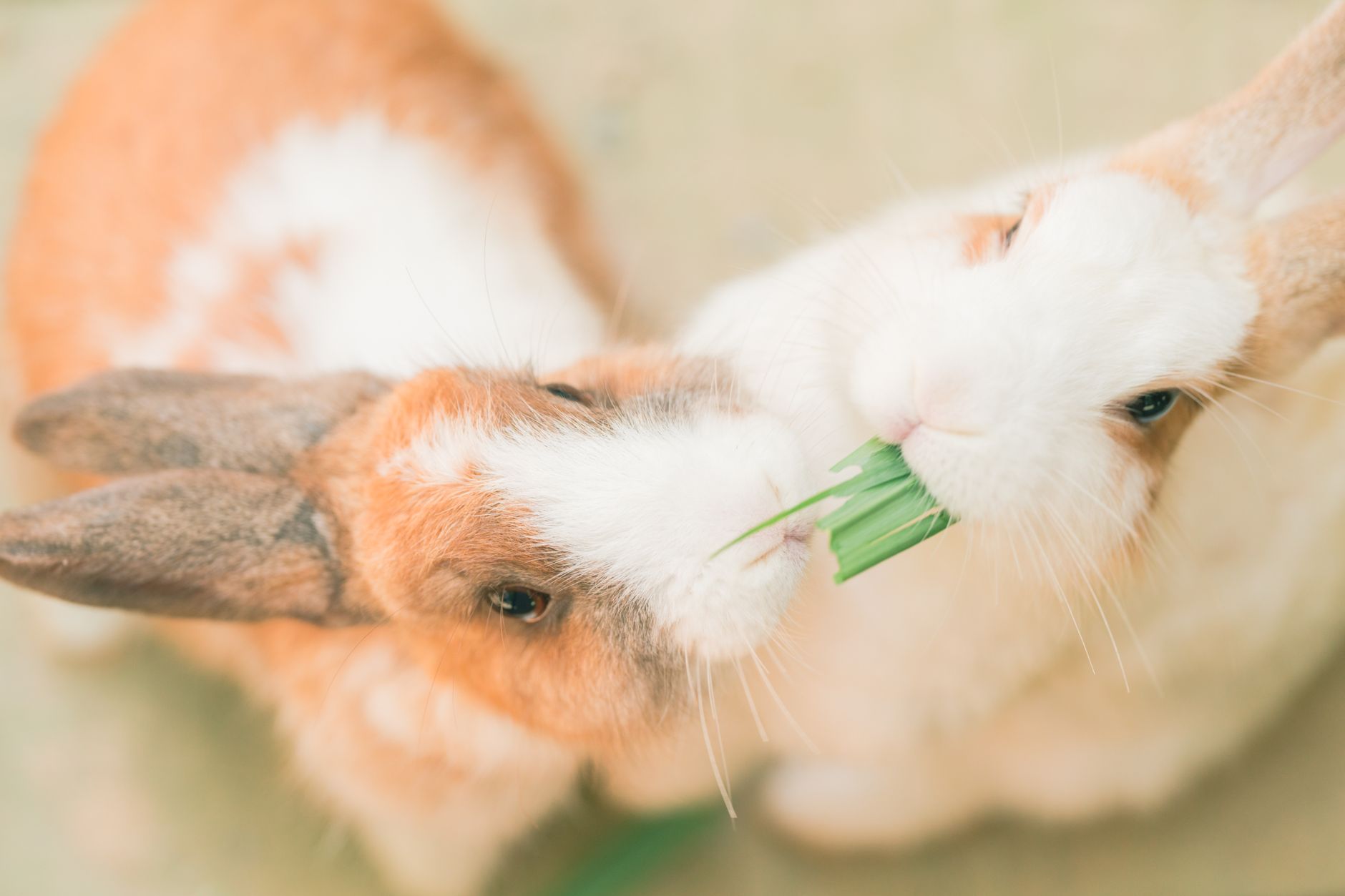
Understanding Rabbit Incisors: The Foundation of Their Diet
Rabbits are hypsodonts, meaning their teeth continuously grow throughout their lives. This is essential due to the abrasive nature of their diet, which primarily consists of grasses, hay, and other fibrous vegetation. The front teeth, or incisors, are particularly important for initially clipping and grasping food. Therefore, maintaining proper incisor health is paramount.
The Ideal Appearance of a Rabbit’s Front Teeth
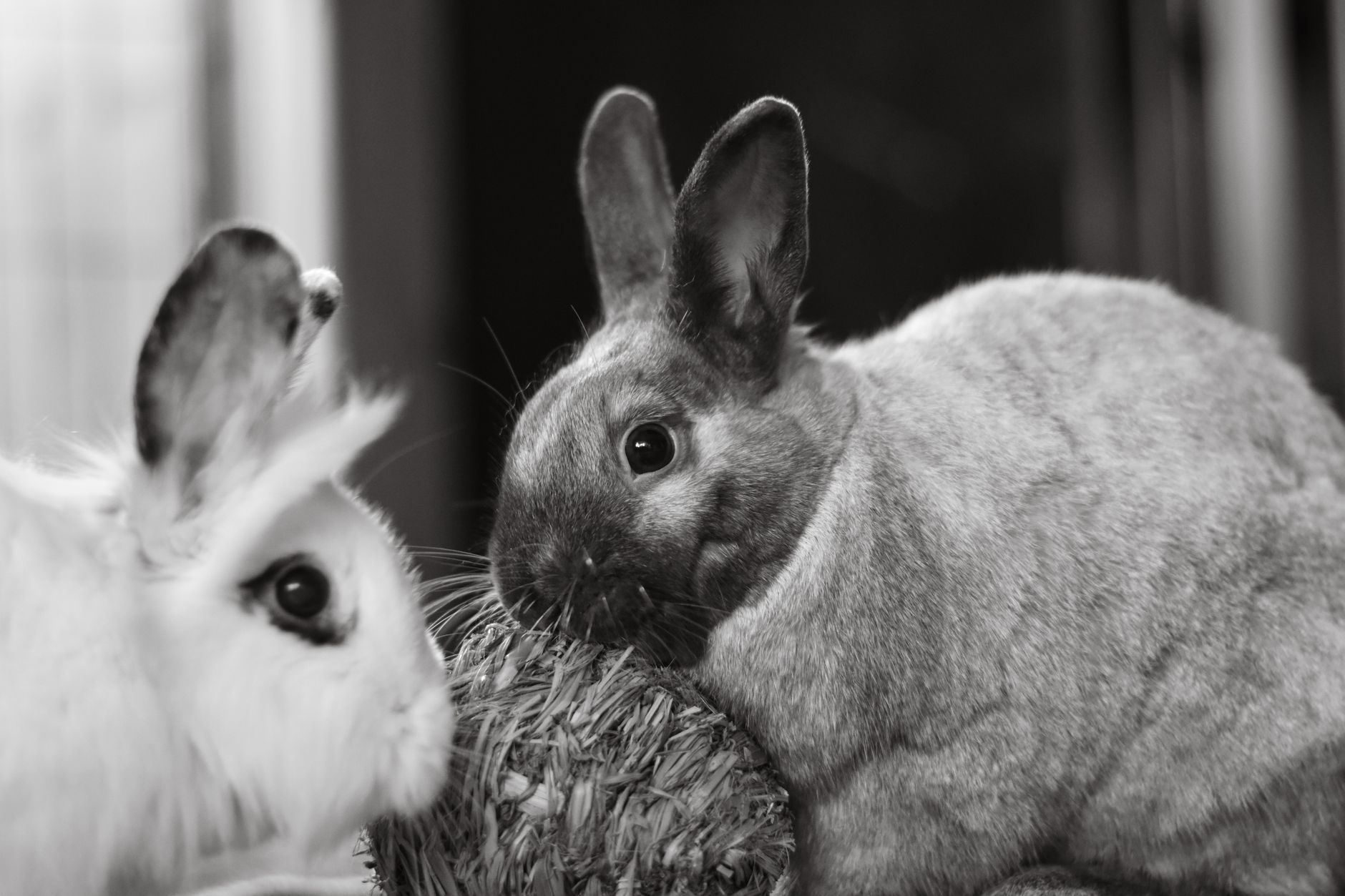
So, what should a rabbits front teeth look like in a healthy animal? Let’s break down the key characteristics:
- Color: Incisors should be bright white. Yellowing or discoloration can indicate underlying health issues, dietary problems, or staining.
- Alignment: The top incisors should slightly overlap the bottom incisors, creating a clean and efficient biting surface. Misalignment, known as malocclusion, is a common dental problem in rabbits.
- Length: The length of the incisors should be proportionate to the rabbit’s size and breed. Overgrown teeth can lead to difficulty eating, pain, and other health complications. Typically, the top incisors are slightly longer than the bottom ones.
- Surface Texture: The surface should be smooth and free from cracks, chips, or sharp edges.
- Number: Rabbits have two pairs of incisors on the top jaw and one pair on the bottom. Behind the top incisors is a smaller pair of peg teeth or auxiliary incisors.
Factors Affecting Incisor Health
Several factors can influence the appearance and health of a rabbit’s incisors:
- Diet: A diet primarily consisting of pellets can contribute to dental problems. Hay, a high-fiber food, is crucial for promoting natural tooth wear.
- Genetics: Some breeds are predisposed to malocclusion due to their skull shape.
- Trauma: Injury to the jaw or teeth can lead to misalignment and abnormal growth.
- Underlying Medical Conditions: Certain systemic illnesses can affect tooth development and health.
Identifying Potential Problems
Regularly examining your rabbit’s teeth is essential for early detection of dental issues. Look for the following signs:
- Overgrown Teeth: Noticeable elongation of the incisors.
- Misalignment: Teeth that are not properly aligned.
- Discoloration: Yellowing, browning, or other unusual colors.
- Swelling or Redness: Around the mouth or jaw.
- Drooling: Excessive salivation can indicate dental pain or difficulty swallowing.
- Weight Loss: Difficulty eating can lead to weight loss.
- Decreased Appetite: Reluctance to eat, especially hard foods.
- Changes in Fecal Output: Smaller or fewer fecal pellets.
Treatment Options
If you suspect your rabbit has dental problems, consult a veterinarian experienced in rabbit care. Treatment options may include:
- Tooth Trimming: The veterinarian can trim overgrown teeth to restore proper length and alignment. This should only be performed by a qualified professional.
- Tooth Extraction: In severe cases, extraction may be necessary.
- Dietary Changes: Increasing hay intake to promote natural tooth wear.
- Pain Management: Providing pain relief medication.
- Antibiotics: If infection is present.
Prevention is Key: Promoting Optimal Dental Health
Prevention is always better than cure. Here are some steps you can take to promote optimal dental health in your rabbit:
- Provide Unlimited Hay: Hay should make up the majority of your rabbit’s diet.
- Offer a Balanced Diet: Supplement hay with fresh vegetables and a limited amount of high-quality pellets.
- Provide Chew Toys: Offer safe chew toys made of wood, willow, or untreated cardboard to encourage chewing.
- Regular Veterinary Checkups: Schedule regular checkups with a veterinarian experienced in rabbit care.
- Monitor Tooth Growth: Regularly examine your rabbit’s teeth for any signs of problems.
| Category | Recommendation |
|---|---|
| Diet | High-fiber hay (Timothy, orchard, or meadow hay) |
| Supplements | Limited quantity of rabbit pellets |
| Treats | Fresh vegetables in moderation |
| Chew Toys | Safe wood, willow, or cardboard toys |
| Vet Care | Regular checkups and dental exams |

Frequently Asked Questions (FAQs)
Why is hay so important for a rabbit’s teeth?
Hay is crucial for rabbit dental health because the act of chewing hay for extended periods promotes natural tooth wear. The abrasive nature of hay helps to grind down the teeth, preventing them from overgrowing. Hay also provides essential fiber for digestive health.
What are peg teeth, and what is their function?
Peg teeth, also known as auxiliary incisors, are a smaller pair of incisors located behind the main top incisors. While their exact function isn’t fully understood, it’s believed they help to grip food and stabilize the bite. They are a normal anatomical feature and should not be mistaken for dental abnormalities.
Can I trim my rabbit’s teeth myself?
No, it is strongly discouraged to trim your rabbit’s teeth at home. Improper trimming can lead to cracking, splitting, and infection. Only a qualified veterinarian should perform tooth trimming.
What is malocclusion, and why is it a problem?
Malocclusion is a condition in which the teeth are misaligned, preventing them from wearing down properly. This can lead to overgrown teeth, difficulty eating, pain, and other health complications. It is often caused by genetics, injury, or poor diet.
How often should I check my rabbit’s teeth?
You should examine your rabbit’s teeth at least once a week. Look for any signs of overgrown teeth, misalignment, discoloration, or other abnormalities. Early detection is key to preventing serious dental problems.
What are the signs that my rabbit is experiencing dental pain?
Signs of dental pain in rabbits can include decreased appetite, drooling, weight loss, changes in fecal output, and reluctance to eat hard foods. They may also paw at their face or grind their teeth.
Can a rabbit’s dental problems affect their overall health?
Yes, dental problems can significantly impact a rabbit’s overall health. Difficulty eating can lead to malnutrition, weight loss, and other health complications. Untreated dental issues can also cause pain, infection, and abscesses.
Are some rabbit breeds more prone to dental problems than others?
Yes, some rabbit breeds, such as dwarf breeds and those with shortened faces, are more prone to dental problems due to their skull shape. These breeds require particularly close monitoring of their dental health.
What type of chew toys are safe for rabbits?
Safe chew toys for rabbits include those made of untreated wood, willow, apple branches, or untreated cardboard. Avoid giving your rabbit plastic toys or anything that could splinter easily. Ensure the toys are free from harmful chemicals or dyes.
What are the costs associated with rabbit dental care?
The cost of rabbit dental care can vary depending on the severity of the problem and the treatment required. Simple tooth trimming may be relatively inexpensive, while more complex procedures, such as tooth extraction, can be more costly. Regular dental checkups can help to prevent costly treatments in the long run.
What if my rabbit refuses to eat hay?
If your rabbit refuses to eat hay, try offering different types of hay, such as Timothy, orchard, or meadow hay. You can also try wetting the hay or mixing it with fresh vegetables. Gradually increase the amount of hay in their diet while decreasing the amount of pellets.
How do I find a veterinarian experienced in rabbit dental care?
Ask your local rabbit rescue or shelter for recommendations. You can also search online for veterinarians specializing in exotic animal care or rabbit medicine. Be sure to choose a veterinarian who is knowledgeable and experienced in treating rabbit dental problems. What should a rabbits front teeth look like? depends largely on breed, but regular checkups are vital for all rabbits.