
What Repels Blue Jays?
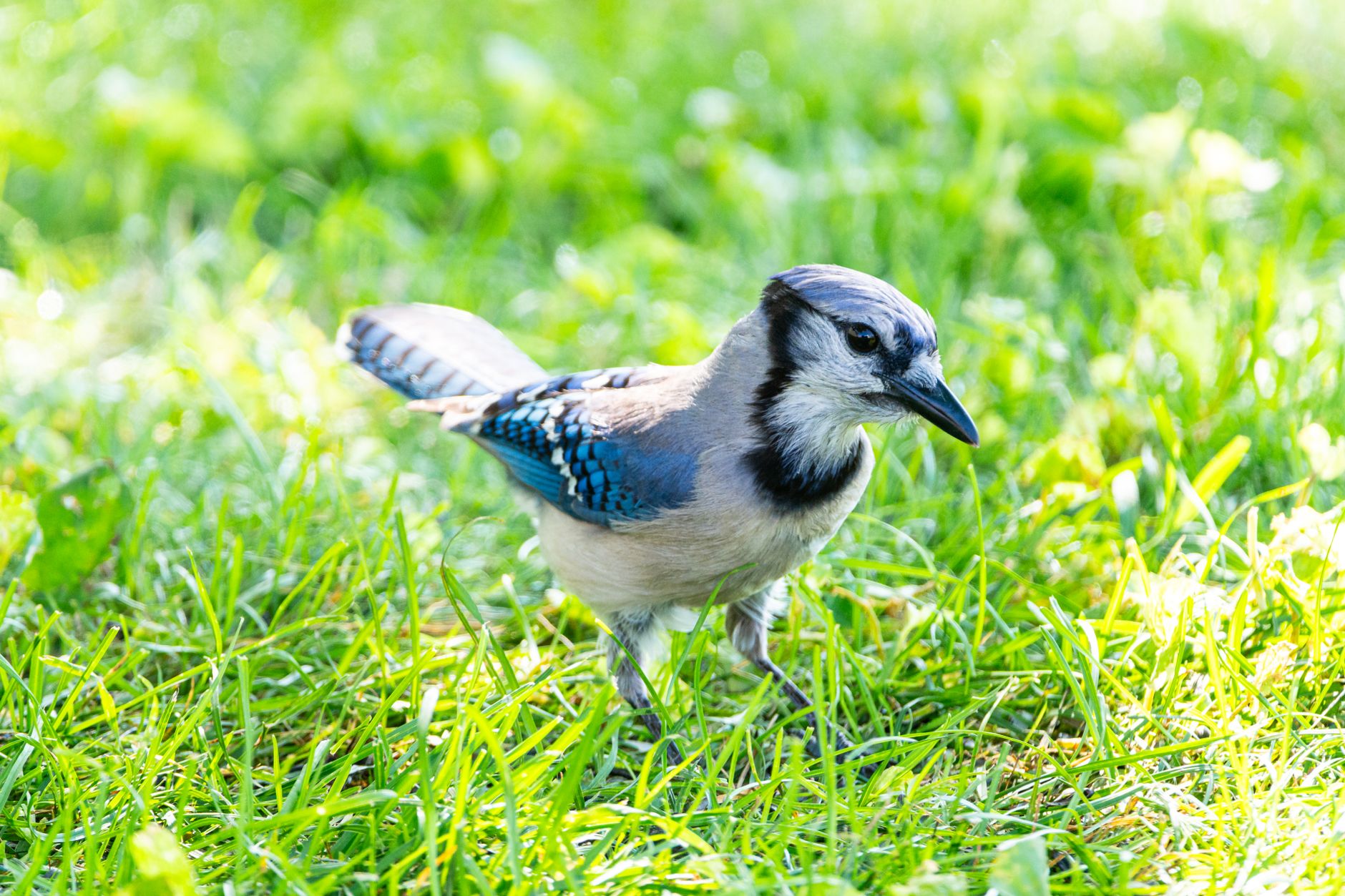
What repels blue jays? is a common question for gardeners and bird enthusiasts; the answer primarily involves understanding their food preferences and utilizing visual and physical deterrents that make your yard less attractive. By focusing on these strategies, you can effectively discourage these bold and beautiful birds without causing them harm.

Understanding Blue Jay Behavior
Blue jays, known for their intelligence and striking plumage, are a common sight across North America. While admired for their beauty, their appetite for certain foods, particularly nuts and seeds, can sometimes make them unwelcome visitors to gardens and bird feeders. Understanding their behavior and preferences is crucial to finding effective, humane repellents. They are opportunistic feeders, meaning they’ll take advantage of readily available food sources. They’re also known to mimic the calls of hawks, potentially scaring away other birds.
Strategic Feeding Alternatives

One of the most effective strategies to manage blue jay presence is to provide alternative food sources away from the areas you wish to protect. This creates a “redirection” effect, catering to their needs without sacrificing your garden or specific bird feeders.
- Dedicated Feeder: A feeder specifically designed for larger birds, filled with peanuts or acorns, can distract them from smaller feeders intended for songbirds. Place this feeder away from the areas you want to protect.
- Natural Food Sources: Planting oak trees or allowing some areas to remain “wild” with natural seed-bearing plants can provide blue jays with their preferred food source.
- Timing Your Feeding: Offering supplemental food during periods when natural sources are scarce (like late winter or early spring) can help prevent them from becoming reliant on your specific feeders or garden.
Visual and Physical Deterrents
Blue jays are intelligent and cautious birds. They are easily startled by unexpected sights and sounds. Utilizing visual and physical deterrents can make your yard less appealing to them.
- Shiny Objects: Hanging reflective tape, CDs, or aluminum foil strips can startle blue jays and deter them from approaching. The movement and reflections create an unwelcome environment.
- Scarecrows and Decoys: While not always 100% effective, scarecrows or owl decoys can initially deter blue jays, especially if their position is changed regularly.
- Netting and Barriers: Covering vulnerable plants or fruit trees with netting can prevent blue jays from accessing the food source. Similarly, physical barriers around bird feeders can discourage larger birds.
- Motion-Activated Sprinklers: A sudden burst of water will startle and deter blue jays, associating the area with an unpleasant experience.
Plants Blue Jays Dislike
While blue jays are known for consuming nuts and seeds, certain plants can naturally repel them due to their taste, texture, or scent. Incorporating these plants into your garden can help deter these birds.
- Plants with Strong Aromas: Herbs like mint, lavender, and rosemary have strong scents that blue jays tend to avoid.
- Thorny or Prickly Plants: Blue jays prefer easy access to food. Plants with thorns or prickly leaves make it difficult for them to forage. Examples include roses and certain types of shrubs.
- Plants with Bitter Tastes: Although not a definitive solution, some evidence suggests that blue jays may be less attracted to plants with a bitter taste. This is a less reliable method compared to other strategies.
Common Mistakes
While trying to deter blue jays, it’s important to avoid common mistakes that could harm the birds or prove ineffective.
- Using Harmful Repellents: Avoid using poisons, sticky traps, or other harmful substances. These can harm not only blue jays but also other birds and wildlife.
- Inconsistent Application: Deterrents need to be consistently applied and maintained to be effective. Regularly check and replace shiny objects, move decoys, and ensure netting is intact.
- Ignoring Other Factors: Consider other factors that may be attracting blue jays, such as readily available water sources or the presence of insects they feed on.
Alternatives to Consider
While you try to keep blue jays away, there are ways to still provide them with food in controlled areas and ways that don’t harm them or other birds.

- Provide them with a bird bath in an area you don’t mind them being around.
- Place feeders in a separate location.
Comparing Deterrent Methods
| Deterrent Method | Effectiveness | Cost | Maintenance | Potential Drawbacks |
|---|---|---|---|---|
| :———————– | :———— | :—- | :———- | :——————————— |
| Shiny Objects | Medium | Low | Low | Can lose effectiveness over time |
| Scarecrows/Decoys | Medium | Low | Medium | Requires regular repositioning |
| Netting/Barriers | High | Medium | Medium | Can be visually unappealing |
| Motion-Activated Sprinklers | High | Medium | Low | May startle other wildlife |
| Dedicated Feeder | Medium | Medium | Medium | Requires ongoing food supply |
Frequently Asked Questions (FAQs)
What is the most effective way to repel blue jays from my bird feeders?
The most effective method is a combination of approaches. Start with exclosure methods such as caging around the bird feeders. This prevents large birds from accessing the food while still allowing smaller birds to feed. Supplement this with visual deterrents like shiny objects near the feeders to further discourage blue jays.
Are there any natural repellents that work against blue jays?
While not guaranteed, certain natural repellents may offer some level of deterrence. Strong-smelling herbs like mint and rosemary planted near bird feeders or gardens can sometimes deter blue jays. However, their effectiveness varies depending on the individual birds and the availability of other food sources.
Will simply removing bird feeders solve the blue jay problem?
Removing bird feeders can temporarily solve the problem, but blue jays are adaptable and will likely search for alternative food sources in your yard. A more sustainable approach is to manage their access to feeders and supplement their diet with dedicated feeding stations in less sensitive areas.
Do ultrasonic devices repel blue jays?
The effectiveness of ultrasonic devices in repelling blue jays is debatable. While some studies suggest they may have a limited effect, others show no significant impact. These devices may also disturb other wildlife and pets, so their use is generally not recommended.
Can I use bird netting to protect my fruit trees from blue jays?
Yes, bird netting is an effective way to protect fruit trees from blue jays and other birds. Choose a netting with a small mesh size to prevent birds from getting caught. Ensure the netting is properly installed and securely fastened to prevent access from underneath.
Are there any plants that blue jays avoid eating?
Blue jays generally avoid plants with strong fragrances or thorny foliage. While they may occasionally sample these plants, they are less likely to feed on them consistently. Consider incorporating these plants into your garden to make it less appealing to blue jays.
Will blue jays eventually leave my yard if I consistently use repellents?
With consistent and appropriate use of repellents, blue jays are likely to reduce their presence in your yard. It is possible to change their habits by making the area less appealing and providing them with food elsewhere.
Is it illegal to harm or kill blue jays?
Yes, blue jays are protected under the Migratory Bird Treaty Act in the United States. It is illegal to intentionally harm, kill, or possess them without a permit. Therefore, all deterrent methods should be humane and non-lethal.
How do I prevent blue jays from nesting in my yard?
Preventing blue jays from nesting requires reducing suitable nesting sites. Trim dense shrubs and trees, remove old nests, and block access to potential nesting locations. However, remember that blue jays are persistent, so ongoing maintenance is essential.
Are blue jays beneficial to the environment in any way?
Yes, blue jays play a crucial role in seed dispersal, particularly for oak trees. They bury acorns in the ground, often forgetting where they buried them, which helps spread oak trees across the landscape. They also consume insects, helping to control pest populations.
What should I do if I find an injured blue jay?
If you find an injured blue jay, contact a local wildlife rehabilitation center or animal control agency. They have the expertise and resources to provide appropriate care and rehabilitation for the bird. Do not attempt to treat the bird yourself, as this could cause further harm.
Can I coexist peacefully with blue jays in my yard?
Absolutely! By understanding their behavior and needs, you can create a balanced ecosystem that benefits both blue jays and your garden. Provide alternative food sources, use humane deterrents when necessary, and appreciate their beauty and ecological contributions. You can enjoy their presence without sacrificing your garden or bird feeders.