
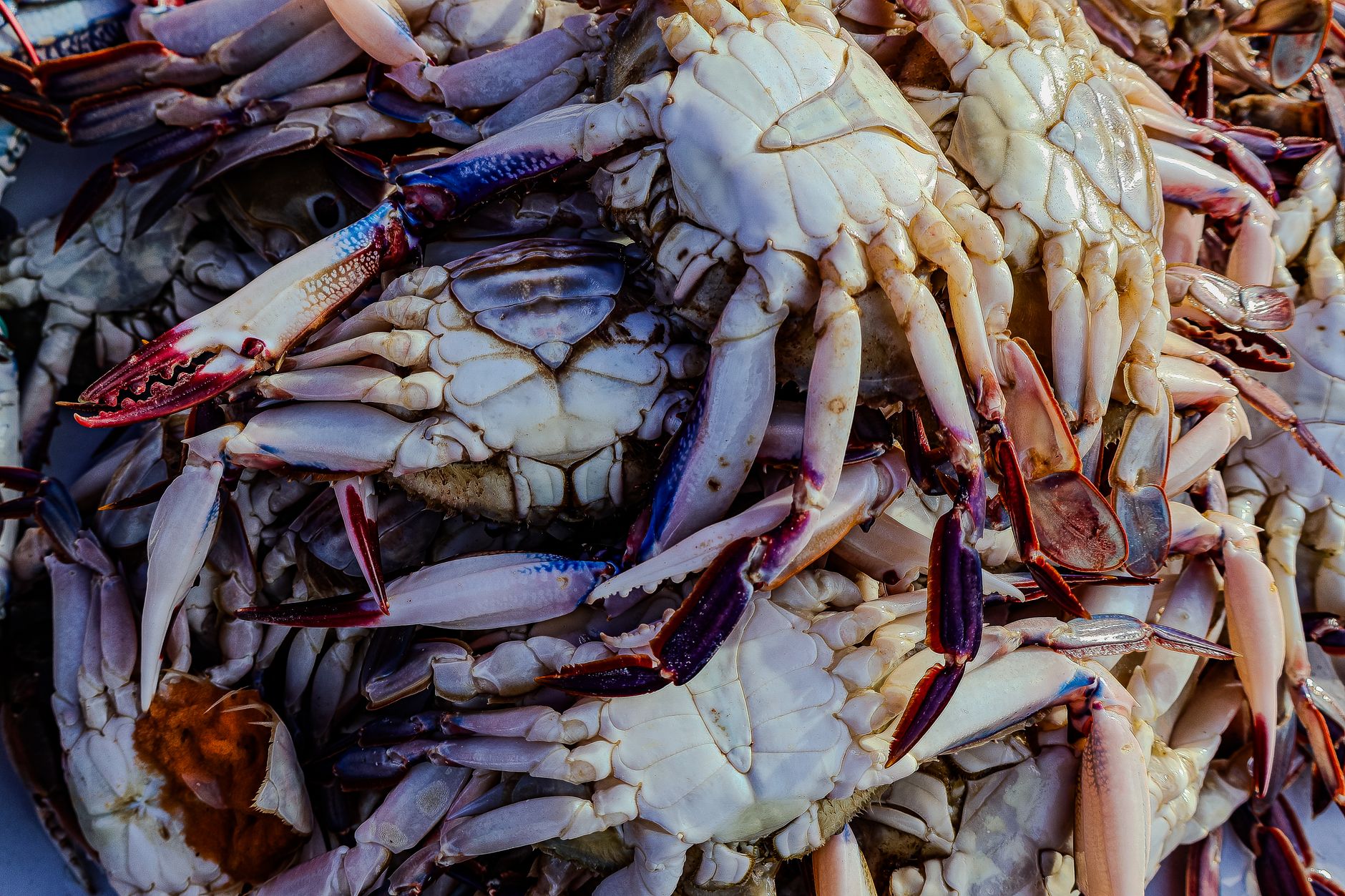
What Part of a Crab Should You Not Eat? A Definitive Guide
The parts of a crab you should definitely avoid consuming are the gills, the digestive tract (also known as the “dead man’s fingers”), and the inedible shell components to prevent potential health risks and ensure a more enjoyable culinary experience.

Crab, a culinary delicacy enjoyed around the world, offers a unique and flavorful dining experience. However, knowing what part of a crab should you not eat? is crucial for both safety and enjoyment. This guide provides a comprehensive overview, drawing on expert knowledge to ensure you can confidently navigate the world of crab consumption. We will explore the specific components to avoid, the reasons why, and best practices for preparing and eating crab.
Understanding Crab Anatomy: Edible vs. Inedible
Before diving into the specifics, understanding the basic anatomy of a crab is essential. A crab’s body consists of a hard exoskeleton, which protects its internal organs. The edible parts primarily include the body meat and the claw meat. However, some internal organs are not only unpalatable but also potentially harmful.
The Culprits: Parts to Avoid

So, specifically, what part of a crab should you not eat? Here’s a breakdown:
-
Gills (or “dead man’s fingers”): These feathery structures are located inside the crab’s shell near the body. They filter water, potentially accumulating bacteria, parasites, and toxins. While some might argue about the level of risk, it’s generally considered unsafe to consume them. They are typically gray or brownish in color.
-
Digestive Tract (Intestine): This long, dark tube runs through the body of the crab. It contains undigested food and waste products, making it unappetizing and potentially carrying harmful bacteria. This is often referred to as the “dead man’s fingers” in some regions, though some consider the gills to be “dead man’s fingers” instead.
-
Shell: The hard exoskeleton is indigestible and should never be eaten. While some people might use crushed shells in certain culinary applications (like making stock), they are heavily processed and purified before being used in that manner. Consuming the shell directly is not advised.
-
The “Apron”: While not toxic, the apron, a triangular flap on the underside of the crab, doesn’t contain much meat and is generally removed during preparation.
Why Avoid These Parts?
The reasons for avoiding these parts are threefold:
- Hygiene and Safety: The gills and digestive tract can harbor bacteria, parasites, and toxins that could cause food poisoning.
- Taste and Texture: These parts generally have an unpleasant taste and texture, detracting from the overall culinary experience.
- Digestibility: The shell is indigestible and can cause discomfort.
Best Practices for Crab Preparation
To ensure a safe and enjoyable crab-eating experience, follow these guidelines:
- Purchase from Reputable Sources: Buy crabs from trusted vendors who handle seafood properly.
- Cook Thoroughly: Ensure the crab is cooked thoroughly to kill any harmful bacteria or parasites. The internal temperature should reach 165°F (74°C).
- Clean Carefully: Remove the gills, digestive tract, and apron before or after cooking.
- Use Clean Utensils: Use clean utensils to handle cooked crab to prevent cross-contamination.
Differences in Crab Species
While the basic principles apply to all crab species, there might be slight variations. For instance, the size and location of the digestive tract might differ slightly between blue crabs and Dungeness crabs. Always research the specific species you are preparing.
Nutritional Value of Edible Crab Meat
The edible parts of a crab are a great source of protein, vitamins, and minerals. Crab meat is low in fat and calories, making it a healthy and delicious option. It is rich in Vitamin B12, Zinc, and Copper.
| Nutrient | Amount per 100g |
|---|---|
| Calories | 82 |
| Protein | 16.5g |
| Fat | 1.5g |
| Vitamin B12 | 9.0 mcg |
| Zinc | 3.8 mg |
Conclusion: Enjoy Crab Responsibly
Enjoying crab is a delightful culinary experience, but knowing what part of a crab should you not eat? is paramount. By following the guidelines outlined above, you can ensure a safe, healthy, and delicious meal. Always prioritize hygiene, thorough cooking, and proper cleaning to savor the best that crab has to offer.

Frequently Asked Questions (FAQs)
What is the “dead man’s fingers” in a crab?
The term “dead man’s fingers” often refers to the gills of the crab, which are located under the carapace. However, in some regions, it is also used to describe the digestive tract (intestine). Both are generally considered inedible.
Can eating the gills of a crab make you sick?
Yes, eating the gills can potentially make you sick. They filter water and may contain bacteria, parasites, or toxins that can cause food poisoning or other illnesses.
Is the mustard in a crab safe to eat?
The “mustard,” or the yellowish substance found inside the crab, is the hepatopancreas, which functions similarly to the liver and pancreas. While some consider it a delicacy, it’s important to be aware that it may contain accumulated toxins. Moderation is key. Some health organizations advise against consuming it regularly.
What is the safest way to clean a crab?
The safest way to clean a crab is to remove the carapace (top shell), gills, and digestive tract thoroughly after cooking. Rinse the body cavity under running water to remove any remaining debris.
How can I tell if a crab is cooked properly?
A properly cooked crab will have bright red shell (if it wasn’t already), and the meat will be opaque and firm. The internal temperature should reach 165°F (74°C).
Are there any crabs where you can eat the whole thing?
While some soft-shell crabs are eaten whole, it’s important to note that these crabs have shed their hard shell and are consumed while their new shell is still soft. Even with soft-shell crabs, it is recommended to remove the face, gills, and apron, though some people leave the apron on.
What is the best way to store leftover cooked crab?
Leftover cooked crab should be stored in an airtight container in the refrigerator and consumed within 2-3 days. Ensure it is properly cooled before refrigerating.
Is it safe to eat crab if I have a shellfish allergy?
No. If you have a known shellfish allergy, you should avoid eating crab entirely. Shellfish allergies can be severe and even life-threatening.
What are the health benefits of eating crab meat?
Crab meat is a good source of protein, vitamin B12, zinc, and copper. It’s also low in fat and calories, making it a healthy choice when consumed in moderation.
Can I eat crab during pregnancy?
Pregnant women can generally eat cooked crab in moderation, as long as it’s thoroughly cooked and sourced from a reputable vendor. However, it’s important to be aware of potential mercury levels and follow guidelines from your healthcare provider.
Why does crab sometimes taste bitter?
A bitter taste in crab can be caused by poor handling, improper cooking, or the presence of certain algae in the crab’s diet. Make sure the crab is fresh and cooked correctly.
Is it ethical to eat crab?
The ethics of eating crab, like any animal product, are a matter of personal belief. Considerations include the sustainability of crabbing practices, the welfare of crabs, and the environmental impact. Researching sustainable seafood options and supporting responsible fishing practices are ways to make more ethical choices.