

What Overstimulates a Cat?
Overstimulation in cats happens when they receive more sensory input than they can comfortably process, leading to stress and sometimes aggressive behavior. It’s important to understand what overstimulates a cat to create a safe and happy environment for your feline friend.
Understanding Feline Sensitivity
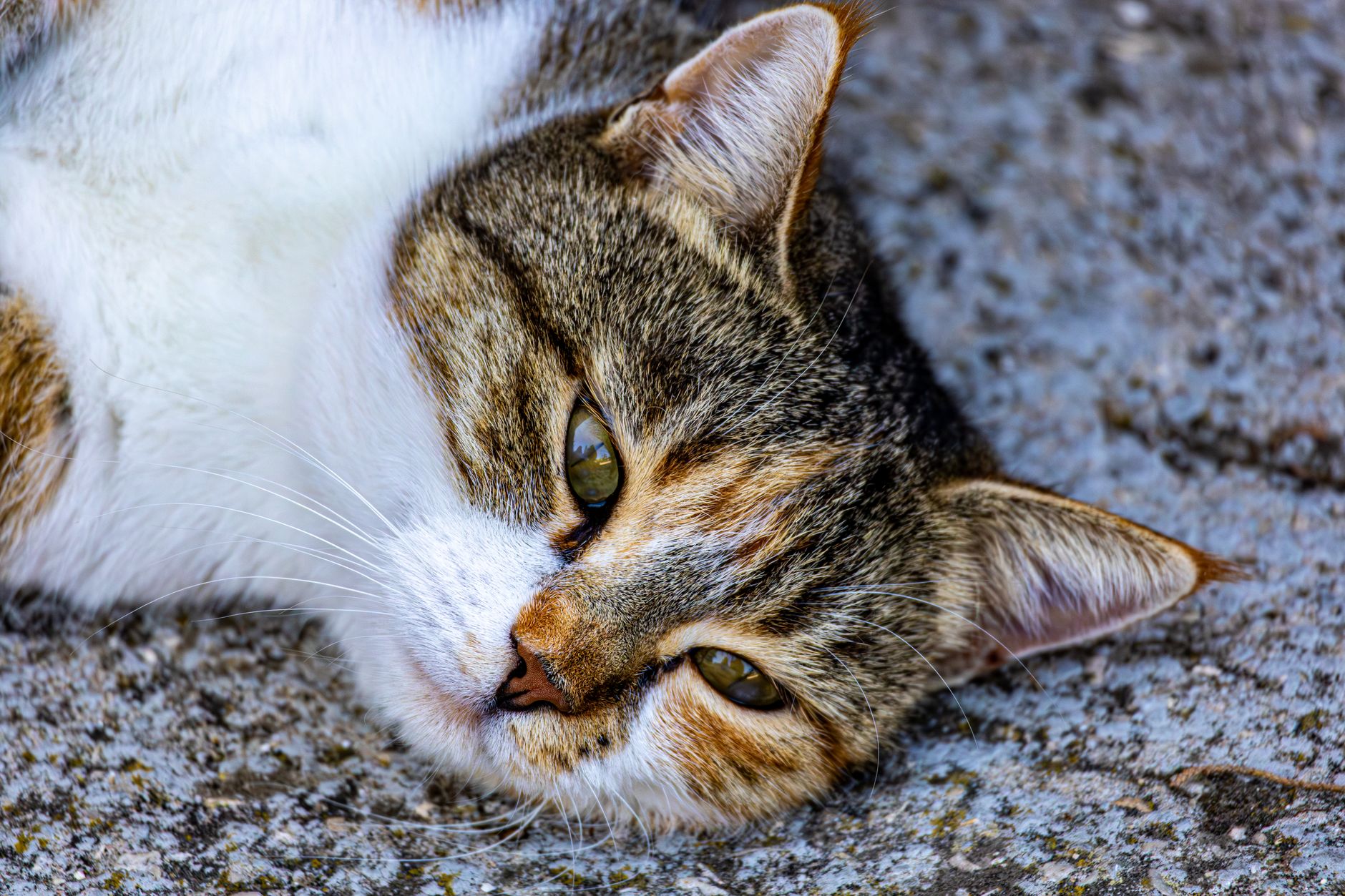
Cats, while often perceived as independent, are incredibly sensitive creatures. Their senses are finely tuned to their environment, allowing them to detect subtle changes that we humans often miss. This heightened sensitivity, while beneficial for hunting and survival, can also make them prone to overstimulation. What overstimulates a cat? It’s not just about the intensity of the stimulus, but also its duration, the cat’s personality, and their overall stress level.
Common Triggers of Overstimulation
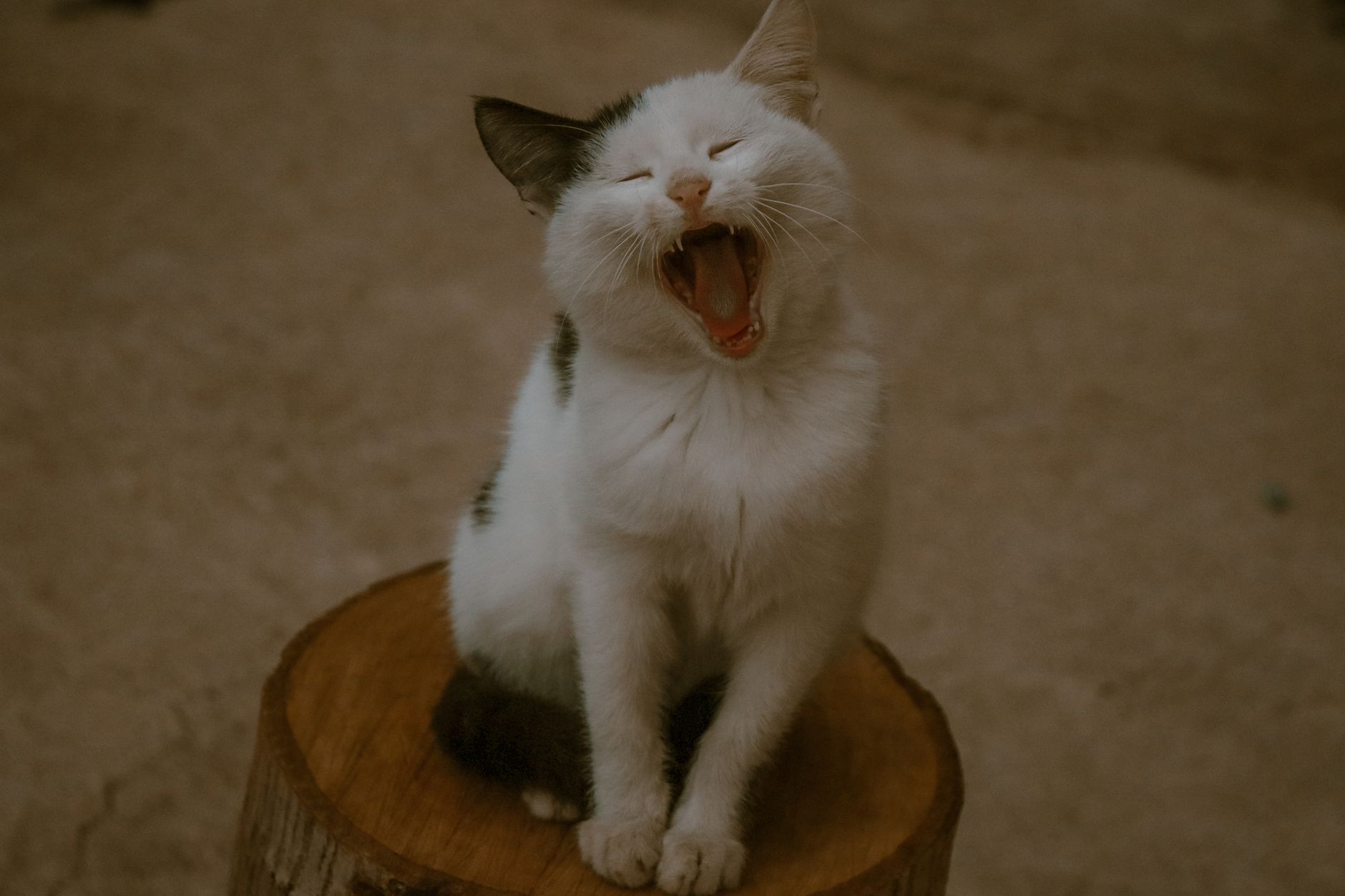
Several common triggers can lead to overstimulation in cats. Recognizing these can help you prevent unwanted behaviors.
- Petting: Ironically, petting is a significant culprit. While most cats enjoy being petted, too much petting, especially in sensitive areas like the belly or base of the tail, can quickly become overwhelming.
- Playtime: Energetic play sessions are vital for a cat’s well-being, but they can also lead to overstimulation. Using toys that mimic prey, like feather wands or laser pointers, can heighten their predatory instincts, leading to frustration if they never “catch” the prey.
- Environmental Changes: Loud noises, sudden movements, or even rearranging furniture can be highly disruptive and overstimulating.
- Other Animals/People: The presence of other pets or unfamiliar people can create a stressful and overstimulating environment, particularly if the cat feels threatened or lacks adequate space.
- Visual Stimulation: Rapidly changing images on screens, flashing lights, or even watching birds outside a window can sometimes be too much for a cat to handle.
Recognizing the Signs of Overstimulation
Identifying the signs of overstimulation is crucial for intervening before a cat becomes distressed or aggressive. These signs can be subtle, so pay close attention to your cat’s body language.
- Tail Twitching: A rapidly twitching or thumping tail is a strong indicator of agitation.
- Dilated Pupils: Enlarged pupils, even in a well-lit environment, often signal heightened arousal or fear.
- Flattened Ears: Ears held close to the head or rotated backward are a sign of stress or defensiveness.
- Skin Twitching: Muscle spasms along the back, often accompanied by rippling fur, indicate irritation or discomfort.
- Sudden Biting or Scratching: This is a clear sign that the cat has reached its limit and is trying to create distance.
- Vocalization: Hissing, growling, or even excessive meowing can be expressions of discomfort or anxiety.
Managing Overstimulation
Once you understand what overstimulates a cat, you can implement strategies to manage and prevent overstimulation.
- Short, Frequent Interactions: Instead of long petting sessions, opt for several shorter, more controlled interactions throughout the day. Pay attention to your cat’s cues and stop petting before they become agitated.
- Provide Safe Spaces: Ensure your cat has access to quiet, secluded areas where they can retreat when feeling overwhelmed. This could be a cat tree, a covered bed, or even just a quiet room.
- Structured Playtime: Keep playtime sessions relatively short and predictable. Allow the cat to “catch” the toy at the end of the session to satisfy their hunting instinct.
- Gradual Introductions: When introducing new pets or people, do so gradually and provide the cat with plenty of space and opportunities to escape.
- Environmental Enrichment: Offer a variety of stimulating activities, such as puzzle toys, scratching posts, and window perches, to keep your cat entertained and mentally stimulated without overwhelming them.
- Routine: Cats thrive on routine. A consistent feeding schedule, playtime, and bedtime can help reduce stress and anxiety.
Table: Signs of Overstimulation and What to Do
| Sign | Meaning | What to Do |
|---|---|---|
| Tail Twitching | Agitation, irritation | Stop the interaction immediately, give the cat space. |
| Dilated Pupils | Arousal, fear | Assess the environment for potential stressors, remove the cat if possible. |
| Flattened Ears | Stress, defensiveness | Reduce stimulation, provide a safe escape route. |
| Skin Twitching | Irritation, discomfort | Stop petting or handling the cat. |
| Biting/Scratching | Overwhelmed, needs space | Immediately disengage, allow the cat to retreat. |
| Hissing/Growling | Warning, fear | Avoid approaching the cat, identify and remove the trigger. |
The Role of Personality
Every cat is an individual, and their tolerance for stimulation varies greatly. Some cats are naturally more sensitive than others. Consider your cat’s personality when determining what overstimulates a cat. A shy or anxious cat will likely be more easily overstimulated than a confident and outgoing one. Observe your cat’s behavior and adjust your interactions accordingly.
Bullet Points for Reducing Cat Overstimulation
- Create quiet zones in your home.
- Use calming pheromone diffusers.
- Avoid sudden, loud noises.
- Provide scratching posts and toys for enrichment.
- Observe your cat’s body language closely.
- Keep routines consistent and predictable.
- Offer vertical space for climbing and observing.

Frequently Asked Questions (FAQs)
Why does my cat suddenly bite me when I’m petting them?
Sudden biting during petting is often a sign of petting-induced overstimulation. The cat may have reached their limit and is communicating that they want you to stop. Pay attention to early warning signs like tail twitching and flattened ears to avoid this.
Can certain toys overstimulate my cat?
Yes, certain toys can indeed overstimulate cats. Laser pointers, for example, can be frustrating because the cat can never catch the light, leading to stress and anxiety. Toys that overly stimulate their hunting instincts without a satisfying conclusion can be problematic.
Is it possible for a cat to be overstimulated by too much attention?
Absolutely. Even though cats crave affection, too much attention can lead to overstimulation. Cats need time to decompress and recharge, and constant interaction can be overwhelming.
How do I introduce a new cat to my resident cat without overstimulating them?
Introduce them gradually. Start by keeping them in separate rooms and allowing them to exchange scents. Supervise short, controlled visits, increasing the duration over time. Ensure both cats have plenty of space and resources to avoid competition and stress.
What are some calming techniques for overstimulated cats?
Creating a calm environment is key. Provide a quiet space, use calming pheromone diffusers, and avoid loud noises or sudden movements. Gentle, soothing vocalizations can also help to reassure the cat.
Can diet affect a cat’s sensitivity to overstimulation?
While not a direct cause, a poor diet can contribute to overall stress and anxiety, making a cat more susceptible to overstimulation. Ensure your cat is eating a high-quality, balanced diet appropriate for their age and activity level.
Are certain breeds of cats more prone to overstimulation than others?
While breed-specific sensitivities exist, individual personality plays a larger role. Some breeds may be inherently more energetic or sensitive, but every cat is unique. Careful observation and understanding of your cat’s individual needs are crucial.
What should I do if my cat becomes aggressive when overstimulated?
Give them space immediately. Do not attempt to handle or restrain the cat. Allow them to retreat to a safe place and calm down. If the aggression is frequent or severe, consult with a veterinarian or a certified cat behaviorist.
How can I prevent my cat from getting overstimulated during playtime?
Keep play sessions short and predictable. Allow the cat to “catch” the toy at the end of the session to satisfy their hunting instinct. Avoid overly stimulating toys and monitor your cat’s body language for signs of overstimulation.
Is it normal for a cat to become overstimulated by watching birds outside the window?
It can be. The intense visual stimulation of moving birds can be overwhelming for some cats, leading to heightened arousal and frustration. Consider limiting their access to the window or providing alternative activities to redirect their attention.
Can changes in my home environment cause overstimulation in my cat?
Yes, changes in the home environment can be very stressful for cats. Moving furniture, loud construction, or introducing new appliances can all be overstimulating. Try to introduce changes gradually and provide your cat with extra reassurance and safe spaces.
What are pheromone diffusers, and how do they help with cat overstimulation?
Pheromone diffusers release synthetic versions of natural feline pheromones that have a calming effect on cats. These pheromones can help reduce anxiety and stress, making cats less susceptible to overstimulation. They mimic the pheromones cats release when they feel safe and secure.