

What Not to Feed a Dog with Pancreatitis: A Nutritional Guide for Recovery
What not to feed a dog with pancreatitis? The crucial first step is to avoid foods high in fat, as they directly aggravate the inflamed pancreas; instead, focus on easily digestible, low-fat options to facilitate healing.

Understanding Pancreatitis in Dogs
Pancreatitis, or inflammation of the pancreas, is a serious condition in dogs that can range from mild to life-threatening. The pancreas is responsible for producing digestive enzymes and insulin, both critical for proper digestion and blood sugar regulation. When the pancreas becomes inflamed, these enzymes can activate prematurely within the pancreas itself, leading to self-digestion and significant pain. Factors contributing to pancreatitis include dietary indiscretion (eating fatty foods), obesity, certain medications, and genetics. Understanding the condition is vital to manage it effectively. What not to feed a dog with pancreatitis? is a question that is a daily concern for owners with dogs with this condition.
The Importance of Diet in Managing Pancreatitis
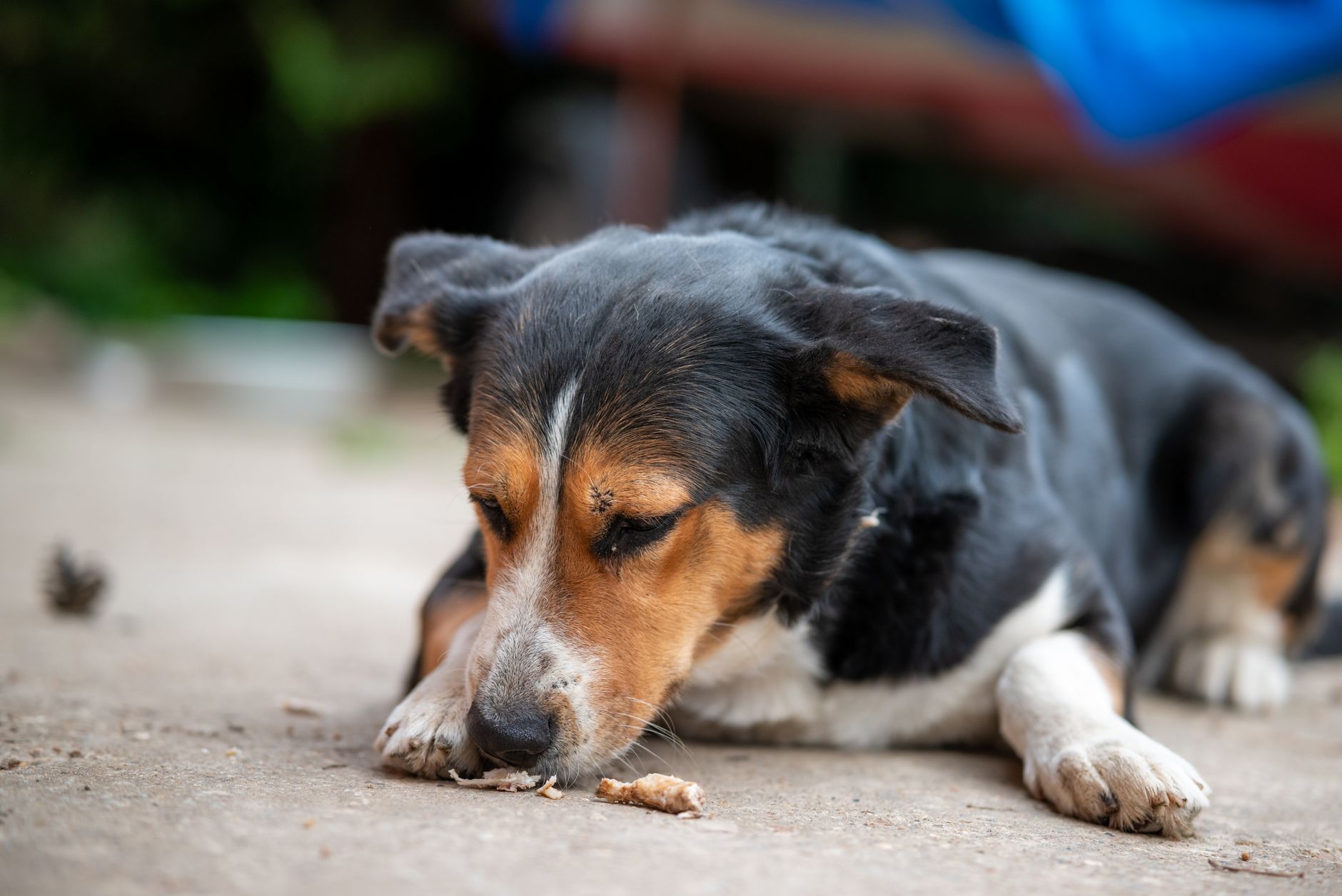
Diet plays a pivotal role in managing pancreatitis in dogs. A carefully chosen diet helps to reduce pancreatic stimulation, allowing the organ to rest and recover. Conversely, an inappropriate diet can worsen the inflammation, prolong recovery, and even lead to recurrent episodes. Knowing what not to feed a dog with pancreatitis is paramount to ensure a positive outcome. Proper nutritional management can dramatically improve your dog’s quality of life.
Foods to Absolutely Avoid When a Dog Has Pancreatitis
Knowing what not to feed a dog with pancreatitis is crucial. Certain foods can dramatically exacerbate the condition and hinder recovery. The following are the absolute no-nos:
- High-Fat Foods: This is the primary culprit. Avoid:
- Fatty meats like bacon, sausage, and ribs.
- Oily fish like salmon and tuna in oil.
- Dairy products like cheese, cream, and butter.
- Table scraps, which often contain hidden fats and seasonings.
- Processed Foods: These are often high in fat and sodium and offer little nutritional value.
- Commercial dog treats, especially those with added oils or flavorings.
- Fast food.
- Human snacks like chips, crackers, and pretzels.
- Foods with High Sugar Content: Sugar can also stimulate the pancreas.
- Candy and chocolate (which are also toxic to dogs).
- Sweetened beverages.
- Fruit juices.
- Spicy Foods: These can irritate the digestive system.
- Any foods containing chili powder, peppers, or hot sauces.
- Raw Meat & Bones: These can carry bacteria and pose a risk of infection, especially when the digestive system is already compromised.
Recommended Foods for Dogs Recovering from Pancreatitis
After addressing what not to feed a dog with pancreatitis, let’s focus on what you can feed your dog to aid in recovery:
- Low-Fat Protein: Lean sources of protein are essential for healing.
- Boiled chicken breast (skinless).
- White fish (e.g., cod, flounder, pollock) steamed or baked.
- Tofu (plain and unsalted).
- Lean ground turkey (fat drained).
- Easily Digestible Carbohydrates: These provide energy without overtaxing the digestive system.
- Boiled white rice.
- Mashed sweet potatoes (no added sugar or butter).
- Cooked oatmeal (plain, unsweetened).
- Low-Fat Probiotics: To support gut health.
- Plain, non-fat yogurt (check for xylitol-free).
- Probiotic supplements specifically formulated for dogs.
| Food Category | Recommended Foods | Foods to Avoid |
|---|---|---|
| Protein | Boiled chicken breast, white fish, lean ground turkey, tofu | Bacon, sausage, ribs, fatty meats, salmon/tuna in oil |
| Carbohydrates | Boiled white rice, mashed sweet potatoes, cooked oatmeal | Bread, pastries, sugary cereals |
| Fats | Limited amounts of healthy fats like flaxseed oil | Butter, cheese, cream, fried foods |
| Treats | Low-fat, vet-approved dog treats | Commercial dog treats high in fat or sugar, table scraps |
Feeding Schedule and Portion Control
Equally important as choosing the right foods is implementing a proper feeding schedule and adhering to strict portion control. Start with small, frequent meals throughout the day (e.g., 4-6 small meals) to ease the burden on the pancreas. Gradually increase the amount as your dog’s condition improves, always under the guidance of your veterinarian. Never overfeed your dog, as this can trigger another pancreatitis episode.
Working Closely with Your Veterinarian
This article offers a general overview of what not to feed a dog with pancreatitis. However, each dog’s needs are unique, and it is crucial to consult with your veterinarian or a veterinary nutritionist to create a tailored dietary plan. Your vet can assess the severity of the pancreatitis, identify any underlying causes, and recommend the most appropriate foods and feeding schedule.
Long-Term Dietary Management
Even after your dog has recovered from a pancreatitis episode, long-term dietary management is essential to prevent recurrence. This typically involves sticking to a low-fat, easily digestible diet for the rest of your dog’s life. Regularly monitor your dog for any signs of abdominal pain, vomiting, or diarrhea, and consult with your veterinarian if you notice any changes in their condition. The commitment to proper diet is key to a happy life.
FAQs
What is the first thing I should do if I suspect my dog has pancreatitis?
- If you suspect your dog has pancreatitis, the most crucial step is to contact your veterinarian immediately. Do not attempt to treat the condition at home without professional guidance. Your vet can perform the necessary diagnostics (blood tests, ultrasound) to confirm the diagnosis and initiate appropriate treatment.
How long will my dog need to be on a special diet after having pancreatitis?
- In most cases, dogs who have had pancreatitis will require a special low-fat diet long-term, potentially for the rest of their lives. This is to prevent recurrence of the condition. Your veterinarian can advise you on the specific duration and dietary requirements based on your dog’s individual needs.
Can I give my dog treats while they are recovering from pancreatitis?
- While your dog is recovering, it’s best to avoid most commercial dog treats. If you want to give your dog a treat, opt for low-fat, vet-approved options. Homemade treats made from the recommended foods, like boiled chicken or sweet potato, can also be a good alternative, but always in moderation.
Are there any supplements that can help my dog recover from pancreatitis?
- Some supplements, such as probiotics and digestive enzymes, may be beneficial in aiding recovery from pancreatitis. However, it’s essential to consult with your veterinarian before giving your dog any supplements, as some may interact with medications or be contraindicated in certain cases.
Is it okay to give my dog table scraps if they have pancreatitis?
- Absolutely not. Table scraps are almost always a bad idea for dogs with pancreatitis. Table scraps often contain high levels of fat, seasonings, and other ingredients that can exacerbate the condition. Stick to the prescribed diet.
How can I prevent my dog from getting pancreatitis in the first place?
- To help prevent pancreatitis, avoid feeding your dog high-fat foods, maintain a healthy weight, and be cautious about giving them medications known to be associated with the condition. Regular veterinary checkups can also help detect any early signs of pancreatic issues.
What if my dog refuses to eat the recommended diet?
- If your dog is refusing to eat the recommended diet, talk to your veterinarian. They may be able to suggest alternative low-fat options that are more palatable. Warming the food slightly or adding a small amount of low-sodium broth can also help entice your dog to eat.
Can stress trigger pancreatitis in dogs?
- While stress isn’t a direct cause of pancreatitis, it can weaken the immune system and potentially make your dog more susceptible to the condition. Managing stress levels through a consistent routine, adequate exercise, and a calm environment can be beneficial.
What is the best type of water to give my dog during their recovery?
- Fresh, clean water is always the best choice for your dog. There is no need for special types of water unless specifically recommended by your veterinarian for other underlying health issues. Ensure your dog always has access to plenty of water to stay hydrated.
Can pancreatitis be cured in dogs?
- While acute pancreatitis can sometimes resolve completely with appropriate treatment and dietary management, chronic pancreatitis is often a long-term condition that requires ongoing management. The goal is to control the inflammation and prevent flare-ups.
If my dog has pancreatitis once, are they more likely to get it again?
- Yes, dogs who have had pancreatitis once are more likely to experience recurring episodes. This is why long-term dietary management and close monitoring are so important.
Is grain-free food better for dogs with pancreatitis?
- The decision to feed a grain-free diet is not directly related to pancreatitis. While some dogs may benefit from grain-free diets due to allergies or sensitivities, there is no inherent advantage for dogs with pancreatitis. The most important factor is that the food is low in fat and easily digestible. Consult your vet about the best choice for your dog.