

What Not To Do With A Pregnant Dog: Ensuring a Safe and Healthy Pregnancy
Avoid making critical errors during your dog’s pregnancy by understanding what not to do. This article highlights common mistakes and offers expert advice to help you ensure a safe and healthy pregnancy for your canine companion.

Introduction: Navigating Canine Pregnancy with Care
A pregnant dog requires special attention and care to ensure the health of both the mother and her pups. Understanding the crucial “don’ts” of canine pregnancy is just as important as knowing what to do. Many well-intentioned owners unintentionally make mistakes that can jeopardize the pregnancy, leading to complications, stillbirths, or health problems for the mother dog. This guide, informed by veterinary expertise, provides a comprehensive overview of what what not to do with a pregnant dog?
Early Detection and Veterinary Consultation
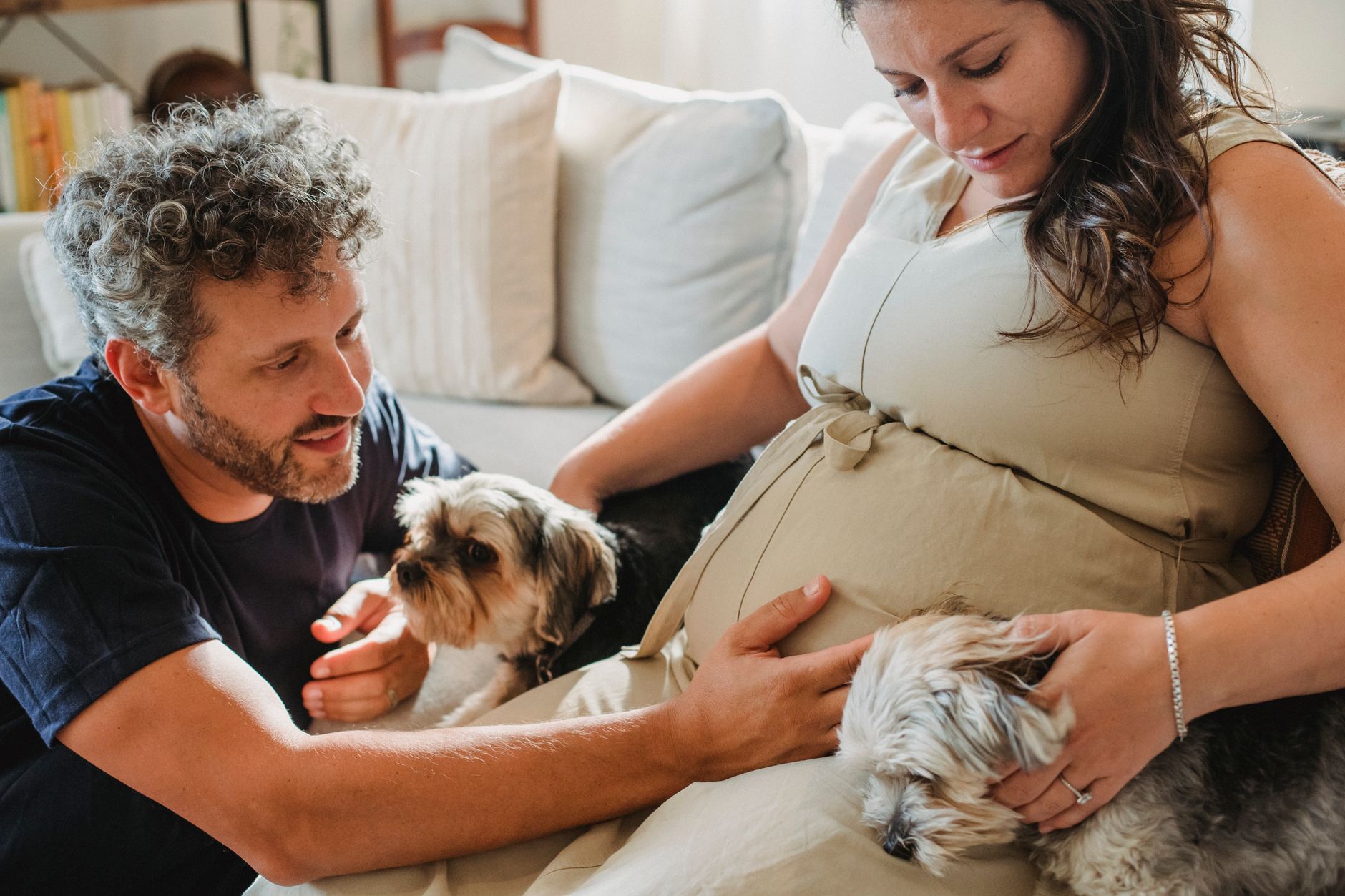
Recognizing the early signs of pregnancy in your dog is crucial. These signs can include:
- Increased appetite
- Nipple enlargement (often called “pinking up”)
- Morning sickness (vomiting) in the early stages
- Weight gain
- Behavioral changes (increased rest, nesting behavior)
However, these signs can be subtle, and some dogs exhibit very few noticeable symptoms. Therefore, a veterinary consultation is essential for a definitive diagnosis. The vet can confirm the pregnancy through palpation (around 3-4 weeks), ultrasound (around 3 weeks), or radiography (X-rays) after 45 days. Ignoring early veterinary care is one of the most crucial things what not to do with a pregnant dog?
Nutritional Needs During Pregnancy
A pregnant dog’s nutritional needs change significantly. Providing proper nutrition is vital for the healthy development of the puppies.
What Not To Do:
- Don’t feed a low-quality or generic dog food.
- Don’t drastically overfeed to “feed the puppies” early on. This can lead to obesity and pregnancy complications.
- Don’t supplement with calcium without veterinary advice. Too much calcium can be harmful.
Recommended Nutrition:
- Switch to a high-quality puppy food (specifically formulated for growth) around week 5 of pregnancy.
- Increase food intake gradually, following your veterinarian’s recommendations.
- Ensure constant access to fresh, clean water.
Exercise and Activity Levels
While pregnant dogs need exercise, it’s crucial to adjust their activity levels appropriately.
What Not To Do:
- Don’t engage in strenuous activities or high-impact exercises that could cause injury or miscarriage.
- Don’t allow the dog to overexert herself, especially in the later stages of pregnancy.
- Don’t introduce any new or rigorous activities during the pregnancy.
Recommended Exercise:
- Maintain regular, gentle walks.
- Allow for free play in a safe, enclosed area.
- Monitor for signs of fatigue or discomfort and adjust activity levels accordingly.
Medications and Vaccinations
Administering medications and vaccinations during pregnancy requires careful consideration.
What Not To Do:
- Don’t administer any medications, including over-the-counter drugs, without consulting your veterinarian. Some medications are teratogenic (can cause birth defects).
- Don’t vaccinate with modified live vaccines during pregnancy. Inactivated vaccines are generally considered safer.
- Don’t deworm without veterinary guidance. Some deworming medications are safe for pregnant dogs, while others are not.
Recommended Actions:
- Discuss all medications and vaccinations with your veterinarian before administering them.
- Ensure the dog is up-to-date on all necessary vaccinations before becoming pregnant.
Stress and Environmental Factors
Minimizing stress and maintaining a safe environment are crucial for a healthy pregnancy.
What Not To Do:
- Don’t expose the pregnant dog to stressful situations, such as loud noises, overcrowding, or aggressive animals.
- Don’t make significant changes to the dog’s environment, such as moving to a new home, during pregnancy.
- Don’t allow the dog to become overheated or dehydrated.
Recommended Actions:
- Provide a quiet, comfortable, and safe environment.
- Maintain a consistent routine.
- Ensure access to shade and fresh water, especially during hot weather.
Preparing for Whelping
Proper preparation for whelping (giving birth) is essential for a smooth delivery.
What Not To Do:
- Don’t wait until the last minute to prepare the whelping box.
- Don’t neglect to gather necessary supplies, such as towels, antiseptic solution, and puppy milk replacer (in case of emergencies).
- Don’t fail to research the signs of labor and potential complications.
Recommended Actions:
- Prepare a whelping box in a quiet, warm, and draft-free location.
- Gather all necessary supplies well in advance.
- Learn the stages of labor and recognize signs of dystocia (difficult birth).
- Have your veterinarian’s contact information readily available.
| Stage of Labor | Description | What to Expect |
|---|---|---|
| Stage 1 | Cervical dilation and uterine contractions | Restlessness, nesting behavior, panting, reduced appetite |
| Stage 2 | Delivery of puppies | Strong abdominal contractions, straining, expulsion of puppies |
| Stage 3 | Delivery of placentas | Expulsion of placentas after each puppy or in clusters. |
Monitoring During and After Whelping
Close monitoring during and after whelping is critical for identifying and addressing potential problems.
What Not To Do:
- Don’t leave the dog unattended during labor, especially if she is a first-time mother.
- Don’t hesitate to contact your veterinarian if you observe any signs of dystocia or complications.
- Don’t neglect post-partum care for the mother dog and puppies.
Recommended Actions:
- Monitor the dog closely during labor.
- Intervene if necessary (e.g., assisting with puppy delivery, clearing airways).
- Ensure the puppies are nursing properly.
- Monitor the mother for signs of infection or complications (e.g., fever, vaginal discharge).
Neglecting Post-Natal Care
Proper post-natal care is paramount for the health of both the mother and puppies.
What Not To Do:
- Don’t discontinue high-quality puppy food immediately after whelping. Continue providing it until the puppies are weaned.
- Don’t neglect the mother’s hygiene, especially around the mammary glands.
- Don’t separate the puppies from their mother prematurely.
Recommended Actions:
- Continue feeding the mother a high-quality puppy food until the puppies are weaned.
- Provide a clean and comfortable environment for the mother and puppies.
- Monitor the puppies’ weight and growth.
- Consult your veterinarian for post-natal check-ups and vaccinations.
By avoiding these critical mistakes, you can significantly increase the chances of a safe and healthy pregnancy for your dog and her puppies. The goal is to provide the best possible care during this delicate time. Remember, consulting with your veterinarian throughout the pregnancy is crucial.
Frequently Asked Questions (FAQs)
What are the earliest signs of pregnancy in a dog?
Early signs can be subtle and include increased appetite, nipple enlargement (pinking up), morning sickness, weight gain, and behavioral changes like increased rest. These signs are not always definitive, so veterinary confirmation is essential.
How often should I feed my pregnant dog?
The frequency and amount of feeding should be adjusted as the pregnancy progresses. Generally, increasing the frequency to 3-4 smaller meals per day in the later stages can be beneficial. Consult your veterinarian for personalized recommendations.
Can I give my pregnant dog calcium supplements?
Calcium supplementation should only be given under the direct guidance of a veterinarian. Over-supplementation can lead to eclampsia (milk fever) after whelping, a dangerous condition.
Is it safe to walk my pregnant dog?
Yes, gentle walks are generally safe and beneficial, promoting circulation and preventing excessive weight gain. Avoid strenuous activities or high-impact exercises. Adjust the duration and intensity based on the dog’s comfort level.
What vaccinations are safe during pregnancy?
Modified live vaccines are generally avoided during pregnancy due to the risk of causing harm to the developing puppies. Inactivated or killed vaccines are considered safer. Always consult with your veterinarian before administering any vaccinations.
How long is a dog’s gestation period?
A dog’s gestation period is typically around 63 days from ovulation, but can range from 58 to 68 days.
How can I prepare a whelping box?
The whelping box should be large enough for the mother to comfortably lie down, stand up, and turn around, and made of a material that is easy to clean. Line it with soft, absorbent bedding like blankets or towels. It should be placed in a quiet, warm, and draft-free location.
What are the signs of labor in a dog?
Signs of labor include restlessness, nesting behavior, panting, reduced appetite, a drop in body temperature (typically 1-2 degrees Fahrenheit), and visible uterine contractions.
What is dystocia, and when should I be concerned?
Dystocia is difficult birth. You should be concerned if the dog is straining without producing a puppy for more than 30 minutes, if there is a puppy partially delivered and stuck, or if the dog shows signs of severe pain or distress. Contact your veterinarian immediately.
What should I do if a puppy is born not breathing?
Gently rub the puppy with a clean towel to stimulate breathing. You can also use a bulb syringe to clear the airways of any mucus. If the puppy still isn’t breathing, seek immediate veterinary assistance.
How often should puppies nurse?
Newborn puppies should nurse frequently, typically every 2-3 hours. Ensure all puppies have access to the teats and are nursing properly.
When should I start weaning the puppies?
Weaning typically begins around 3-4 weeks of age. Gradually introduce a puppy food slurry (mixture of puppy food and water) alongside nursing. Full weaning usually occurs by 6-8 weeks of age.