

What Kind of Fish Makes Noise? The Symphony Beneath the Sea
Many species of fish are capable of producing sounds, using them for a variety of purposes. The ability to create noise is far more common in the underwater world than most people realize, and the reasons behind this sonic activity are diverse and fascinating. So, what kind of fish makes noise?
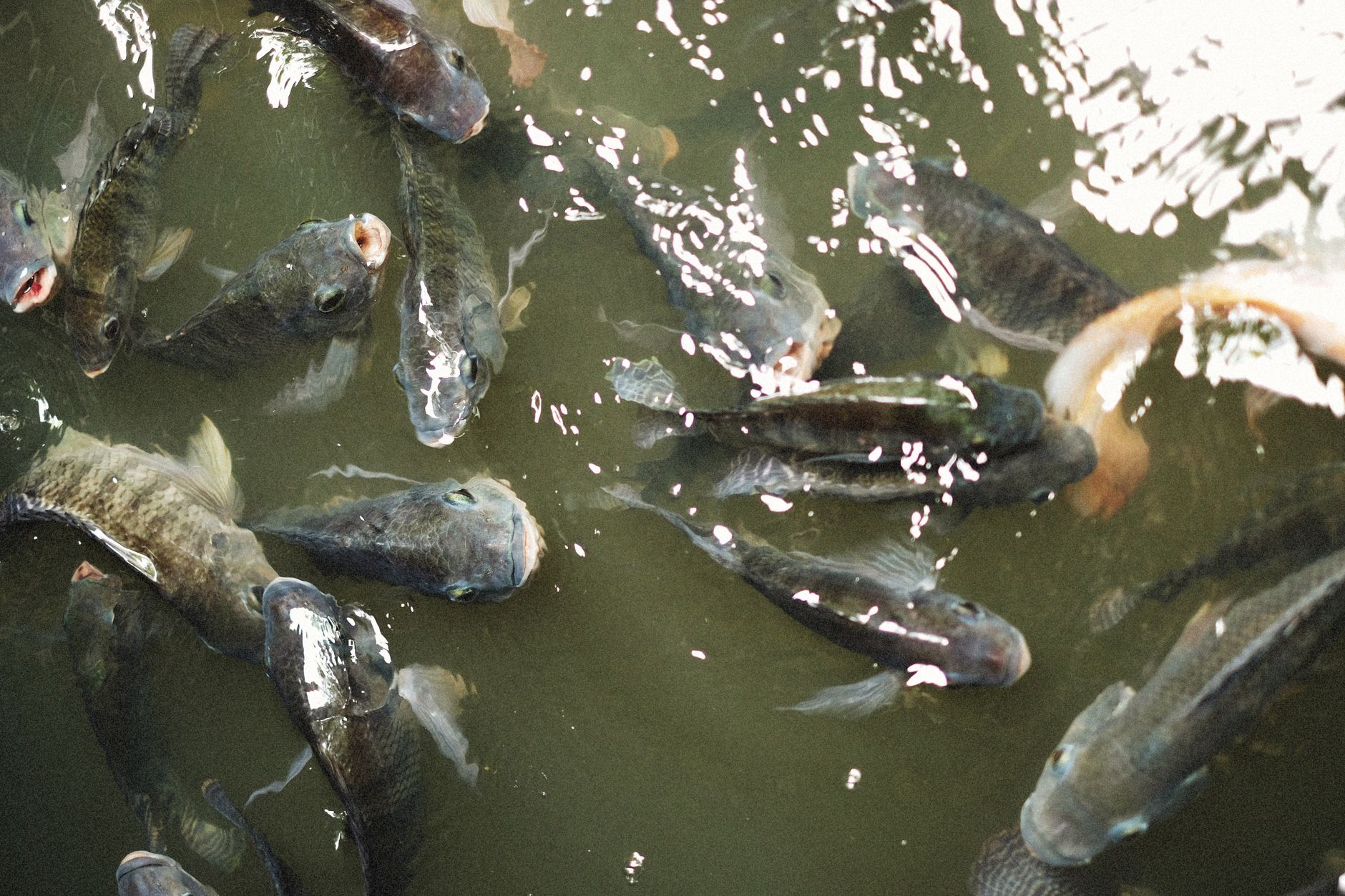
The Surprising Prevalence of Vocal Fish
The idea that fish are silent denizens of the deep is a pervasive misconception. Scientists are increasingly documenting the sonic abilities of a wide array of fish species. These sounds range from subtle clicks and grunts to surprisingly loud booming noises, revealing a complex acoustic world beneath the waves.
Mechanisms of Sound Production in Fish

Fish employ a variety of fascinating methods to generate sound:
- Swim Bladder: The swim bladder, a gas-filled sac used for buoyancy, is frequently used as a resonator. Muscles attached to the swim bladder vibrate, amplifying the sound.
- Stridulation: Some fish produce sound by stridulation, rubbing together bony structures, such as fin spines or pectoral fins.
- Sonic Muscles: Specialized sonic muscles vibrate against the swim bladder or other structures.
- Jaw and Teeth Clattering: Some fish grind or snap their jaws and teeth together.
The complexity of these mechanisms varies significantly across different fish families.
Why Fish Make Noise: Communication and Survival
Fish use sound for numerous critical functions:
- Mate Attraction: Many species use sounds to attract mates, with males often producing distinctive calls during breeding season.
- Territorial Defense: Fish may use sounds to defend their territory against rivals, warning them to stay away.
- Predator Avoidance: Some fish emit sounds to startle predators or warn other fish of danger.
- Schooling Coordination: Sounds can help fish coordinate their movements within a school, particularly in murky waters.
- Hunting: Some predatory fish use sounds to locate prey.
Examples of Noisy Fish Species
Numerous fish species are known to be vocal. Here are just a few examples:
- Toadfish: Known for their loud, foghorn-like calls, toadfish use sound for mate attraction and territorial defense.
- Cod: Cod are highly vocal fish that produce grunting and knocking sounds, especially during spawning.
- Grouper: Groupers make a range of sounds, including booms and thumps, often associated with aggression and courtship.
- Drums and Croakers: These fish are named for the drumming or croaking sounds they produce using their swim bladders.
- Squirrelfish: Squirrelfish create clicking sounds by vibrating their teeth, often used for communication.
- Gurnards: Gurnards “grunt” using specialized muscles and swim bladders.
These diverse examples illustrate the breadth of the fish vocal repertoire.

The Importance of Understanding Fish Sounds
Understanding fish sounds is becoming increasingly crucial for several reasons:
- Monitoring Fish Populations: Acoustic monitoring can provide valuable insights into fish population size and distribution, especially for species that are difficult to observe visually.
- Assessing Ecosystem Health: Changes in fish soundscapes can indicate environmental stress or degradation.
- Mitigating Human Impacts: Understanding how human activities, such as shipping noise, affect fish communication is essential for developing effective mitigation strategies.
Challenges in Studying Fish Sounds
Studying fish sounds presents several challenges:
- Sound Propagation: Sound travels differently in water than in air, making it difficult to predict how far fish sounds will travel and how they will be distorted.
- Identifying Sound Sources: It can be challenging to identify the source of a particular sound, especially in complex marine environments with multiple vocal species.
- Technological Limitations: Specialized equipment is needed to record and analyze underwater sounds, and these technologies are constantly evolving.
- Species Identification: Many fish species look incredibly similar, making it extremely difficult to ascertain what kind of fish makes noise, even when recording them.
Table of Vocal Fish and their Sounds
| Fish Species | Sound Type | Purpose |
|---|---|---|
| Toadfish | Booming, Grunting | Mate Attraction, Territorial Defense |
| Cod | Grunting, Knocking | Spawning, Communication |
| Grouper | Booms, Thumps | Aggression, Courtship |
| Drum/Croaker | Drumming, Croaking | Communication, Mate Attraction |
| Squirrelfish | Clicking | Communication |
| Gurnard | Grunting | Communication |
The Future of Fish Acoustics Research
The field of fish acoustics is rapidly advancing, with new technologies and research methods constantly being developed. Future research will likely focus on:
- Developing more sophisticated acoustic monitoring techniques.
- Investigating the effects of anthropogenic noise on fish behavior and physiology.
- Exploring the role of sound in fish evolution and speciation.
- Building comprehensive libraries of fish sounds to aid in species identification.
Frequently Asked Questions (FAQs)
What kind of fish makes noise loudest?
Some of the loudest fish include the toadfish, especially during mating season, and certain species of grouper. Their booming calls can be surprisingly powerful and travel considerable distances underwater. The intensity often correlates with the size of the fish and the purpose of the call, whether it’s attracting a mate or defending a territory.
Why do scientists study fish sounds?
Studying fish sounds provides valuable insights into fish behavior, ecology, and population dynamics. Acoustic monitoring is a non-invasive way to assess fish populations, track their movements, and understand how they are affected by environmental changes, including pollution and climate change. It is an essential tool for conservation efforts.
How can you tell what species of fish is making a sound underwater?
Scientists use hydrophones (underwater microphones) to record sounds, then analyze the acoustic properties of the sounds, such as frequency, duration, and pattern. By comparing these characteristics to known recordings of different fish species, they can often identify the source of the sound. This requires extensive sound libraries and expert knowledge.
What equipment is used to record fish sounds?
The primary tool is a hydrophone, a waterproof microphone designed to capture underwater sounds. These hydrophones are often connected to recording devices and computers for data storage and analysis. Specialized software is used to visualize and analyze the sound waves, helping researchers identify and classify different fish sounds.
Are all fish able to hear sound, even if they don’t make noise?
Most fish species possess the ability to hear sounds, although the sensitivity varies depending on the species and the presence of specialized structures like the Weberian ossicles in some freshwater fish. Even fish that don’t vocalize rely on hearing for navigation, predator avoidance, and communication with other fish.
How does human noise pollution affect fish that make noise?
Anthropogenic noise, such as from shipping, construction, and sonar, can interfere with fish communication, making it difficult for them to find mates, avoid predators, or coordinate their movements. Chronic noise exposure can also lead to stress, hearing damage, and reduced reproductive success.
What are some common misconceptions about fish and sound?
A widespread misconception is that fish are silent creatures. In reality, many species are quite vocal, using sound for a variety of purposes. Another misconception is that fish lack the ability to hear well, which is also incorrect. They are adapted to both make and detect sounds in their aquatic environment.
Can fish sounds be used to assess the health of coral reefs?
Yes, coral reef soundscapes are complex ecosystems filled with the sounds of fish, invertebrates, and other marine organisms. Changes in these soundscapes, such as a decrease in fish sounds, can indicate degradation of the reef ecosystem due to factors like pollution, overfishing, or climate change.
Is it possible to attract fish using specific sounds?
Yes, it is possible. Fishermen sometimes use devices that emit specific sounds to attract certain species of fish, particularly predatory fish like tuna. These sounds mimic the calls of prey species or attractants, luring the fish closer for easier capture.
What role does the swim bladder play in fish sound production and hearing?
The swim bladder is a gas-filled sac that serves as a resonator for sound production in many fish species. Muscles attached to the swim bladder vibrate, amplifying the sound. It also plays a role in hearing, by detecting pressure waves in the water. In some species, the swim bladder is connected to the inner ear by bones or other structures, enhancing their hearing sensitivity.
How do fish sounds differ in freshwater versus saltwater environments?
Fish sounds can differ due to variations in the acoustic properties of freshwater and saltwater. Saltwater, being denser than freshwater, allows sound to travel faster and further. Furthermore, the species composition differs significantly, resulting in different soundscapes. The types of sounds produced by freshwater fish may also differ compared to their saltwater counterparts due to variations in habitat and behavior.
What are the long-term consequences of increasing noise levels on fish populations?
Increasing noise levels in aquatic environments pose significant threats to fish populations. Long-term exposure to anthropogenic noise can lead to chronic stress, behavioral changes, reduced reproductive success, and even physical damage to hearing organs. These cumulative effects can ultimately lead to population declines and disruptions in ecosystem function. Understanding what kind of fish makes noise, and protecting their acoustic environment, is crucial for their survival.