

What Kind of Dog Bite Needs Injection?: Protecting Yourself from Infection
Dog bites requiring injection are those carrying a significant risk of rabies or bacterial infection. Prompt medical attention is crucial for proper wound care and preventative treatment.
Understanding Dog Bites and Infection Risk
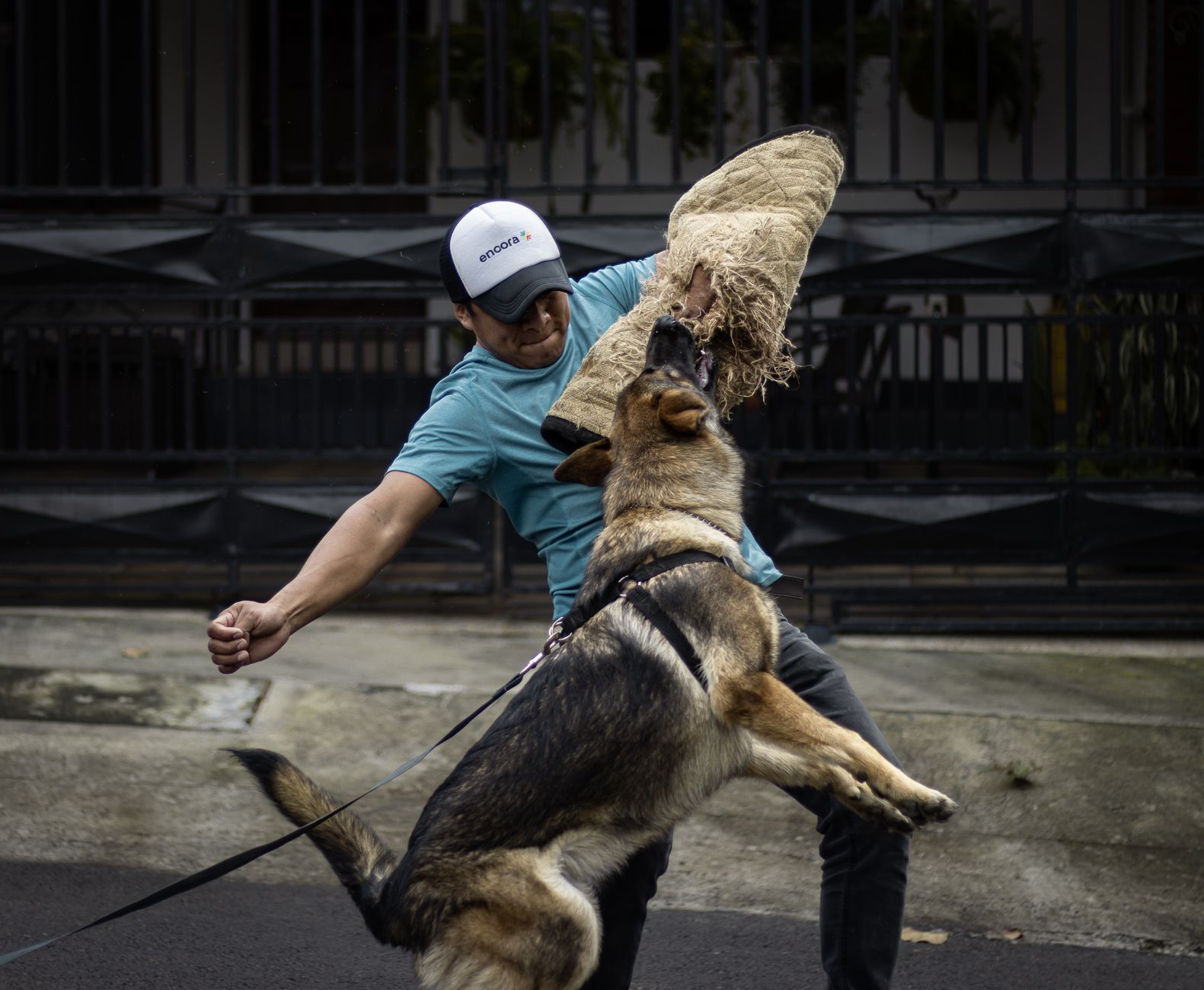
Dog bites are a common occurrence, and while many are minor, some pose a serious risk of infection. Understanding the different types of infections that can result from a dog bite is crucial in determining the appropriate course of action. Rabies, a deadly viral disease affecting the central nervous system, is a primary concern. Bacterial infections from bacteria present in a dog’s mouth are also common and can lead to severe complications if left untreated. The decision of what kind of dog bite needs injection relies heavily on factors like the dog’s vaccination history, the severity of the wound, and the geographical location where the bite occurred.
Assessing the Risk: Rabies
Rabies is a viral disease transmitted through saliva, typically from an infected animal. While rabies is preventable with prompt treatment, it is almost invariably fatal if left untreated. The decision to administer post-exposure prophylaxis (PEP), which includes rabies immunoglobulin (RIG) and a series of rabies vaccinations, is a critical one.
- Factors to Consider for Rabies Risk:
- Status of the Biting Animal: If the dog is vaccinated against rabies and can be observed for ten days, the risk is minimal. However, if the dog is unvaccinated, stray, or exhibiting signs of rabies (e.g., aggression, drooling, incoordination), PEP is usually recommended.
- Geographic Location: Rabies is more prevalent in certain regions. Public health authorities can provide information about local rabies activity.
- Type of Exposure: Bites that break the skin carry a higher risk of rabies transmission than superficial scratches or licks on intact skin.
- Availability of the Dog: If the dog can be captured and tested for rabies, the need for PEP can be determined more accurately.
Addressing Bacterial Infections
Beyond rabies, bacterial infections are a significant concern after a dog bite. Dogs’ mouths contain a diverse range of bacteria, some of which can cause serious infections in humans.
- Common Bacteria Involved:
- Staphylococcus
- Streptococcus
- Pasteurella multocida
- Capnocytophaga canimorsus
The severity of the bite and the individual’s immune status play a role in the risk of infection.
- Factors Contributing to Bacterial Infection Risk:
- Deep Puncture Wounds: These wounds are harder to clean and provide a favorable environment for bacteria to thrive.
- Crush Injuries: Tissue damage from crush injuries can impair the body’s ability to fight infection.
- Individuals with Compromised Immune Systems: Those with conditions such as diabetes, HIV/AIDS, or undergoing immunosuppressant therapy are at higher risk.
- Location of the Bite: Bites on the hands and feet tend to have a higher risk of infection due to the presence of more bacteria and poorer circulation.
Types of Injections Needed After a Dog Bite
Depending on the assessment of risk, different types of injections may be necessary after a dog bite. The main injections are:
- Rabies Post-Exposure Prophylaxis (PEP): As described above, this includes rabies immunoglobulin (RIG) and a series of rabies vaccines. RIG provides immediate passive immunity, while the vaccine stimulates the body to produce its own antibodies against the rabies virus.
- Tetanus Booster: Tetanus is a bacterial infection that affects the nervous system. Dog bites can introduce tetanus spores into the body. If an individual’s tetanus vaccination is not up-to-date (usually within the past ten years, or five years for a deep or dirty wound), a tetanus booster is recommended.
- Antibiotics: Antibiotics may be prescribed to prevent or treat bacterial infections. The choice of antibiotic depends on the type of bacteria suspected and the individual’s medical history. Amoxicillin-clavulanate (Augmentin) is a commonly used antibiotic for dog bite infections.
Wound Care: The First Line of Defense
Proper wound care is essential to minimize the risk of infection after a dog bite. Even if injections are deemed necessary, wound care remains a crucial component of treatment.
- Steps for Wound Care:
- Wash the Wound Thoroughly: Use soap and water to clean the wound for at least 5-10 minutes.
- Control Bleeding: Apply direct pressure to the wound with a clean cloth until bleeding stops.
- Apply Antiseptic: Use an antiseptic solution such as povidone-iodine or chlorhexidine to further disinfect the wound.
- Cover the Wound: Apply a sterile bandage to protect the wound from further contamination.
- Seek Medical Attention: Consult a healthcare professional for further evaluation and treatment.
Deciding What Kind of Dog Bite Needs Injection: A Summary Table
| Risk Factor | Rabies PEP Required? | Tetanus Booster Required? | Antibiotics Required? |
|---|---|---|---|
| Vaccinated Dog | Generally no, if dog can be observed for 10 days and shows no signs of rabies. | Check vaccination history; booster if not up-to-date (within 10 years, 5 for deep/dirty). | Usually not, unless signs of infection develop. |
| Unvaccinated Dog | Usually yes, especially if dog cannot be observed or is exhibiting suspicious behavior. | Check vaccination history; booster if not up-to-date (within 10 years, 5 for deep/dirty). | Consider for deep puncture wounds, crush injuries, or bites in high-risk locations (hands, feet). |
| Unknown Dog | Yes, especially in rabies-endemic areas, unless dog is found and tests negative for rabies. | Check vaccination history; booster if not up-to-date (within 10 years, 5 for deep/dirty). | Consider for deep puncture wounds, crush injuries, or bites in high-risk locations (hands, feet). |
| Severe Wound | Decision based on rabies risk assessment. | Check vaccination history; booster if not up-to-date (within 10 years, 5 for deep/dirty). | Consider for deep puncture wounds, crush injuries, or bites in high-risk locations (hands, feet). Usually yes. |
| Minor Wound | Low risk; observe for signs of infection. Consult with doctor. | Check vaccination history; booster if not up-to-date (within 10 years, 5 for deep/dirty). | Usually not, unless signs of infection develop. |
| Immunocompromised | Consult doctor immediately. Rabies PEP likely. | Check vaccination history; booster if not up-to-date (within 10 years, 5 for deep/dirty). | Consider regardless of wound severity due to increased risk. |

Frequently Asked Questions (FAQs)
What are the first steps I should take after a dog bite?
The first steps after a dog bite involve immediately washing the wound thoroughly with soap and water, controlling any bleeding with direct pressure, and applying an antiseptic. Then, it is crucial to seek medical attention to assess the risk of infection and determine the need for further treatment, including injections.
How can I tell if a dog bite is infected?
Signs of a dog bite infection include increasing pain, redness, swelling, warmth around the wound, pus or drainage, fever, and swollen lymph nodes. If you experience any of these symptoms, seek immediate medical attention.
Is rabies always fatal if left untreated?
Rabies is almost always fatal if left untreated after the onset of symptoms. This is why prompt post-exposure prophylaxis (PEP) is so crucial for preventing the disease.
If the dog is vaccinated against rabies, do I still need an injection?
If the dog is vaccinated against rabies and can be observed for ten days without showing signs of illness, the risk of rabies is low, and PEP may not be necessary. However, consult with a healthcare professional or local health department for guidance.
How long after a dog bite can rabies be prevented?
Rabies can be prevented with post-exposure prophylaxis (PEP) if administered promptly after the bite. PEP is most effective if started as soon as possible, ideally within days of the exposure. However, it can still be effective even if started later, depending on the individual circumstances.
When is a tetanus booster necessary after a dog bite?
A tetanus booster is necessary after a dog bite if your tetanus vaccination is not up-to-date, typically within the past ten years. For deep or dirty wounds, a booster may be recommended if your last vaccination was more than five years ago.
Which antibiotics are typically prescribed for dog bites?
Amoxicillin-clavulanate (Augmentin) is a commonly prescribed antibiotic for dog bites due to its broad spectrum of activity against bacteria commonly found in dogs’ mouths. Other antibiotics may be used depending on the specific circumstances.
What are the potential side effects of rabies PEP?
Side effects of rabies PEP are generally mild and may include pain, redness, or swelling at the injection site. More serious side effects are rare.
Can I treat a dog bite at home without seeing a doctor?
While you can clean minor dog bites at home, it’s crucial to seek medical attention for any bite that breaks the skin, is deep, involves significant tissue damage, or occurs in a high-risk area. This helps to determine the need for further treatment, including injections and antibiotics.
What is the role of rabies immunoglobulin (RIG) in PEP?
Rabies immunoglobulin (RIG) provides immediate passive immunity against the rabies virus by directly delivering antibodies. It is administered in conjunction with the rabies vaccine as part of PEP.
How long does rabies PEP take to complete?
The rabies vaccine portion of PEP typically involves four injections given over a period of two weeks. The specific schedule may vary depending on the vaccine used and local guidelines.
What should I do if I don’t know the owner of the dog that bit me?
If you don’t know the owner of the dog, report the bite to your local animal control or health department. They can investigate the incident and attempt to locate the dog to assess its rabies risk. You should also seek medical attention immediately for evaluation and possible PEP. Understanding what kind of dog bite needs injection becomes even more crucial when the dog’s vaccination status is unknown.