

What Kind of Bird Attacks Humans?
What kind of bird attacks humans? is a question with a complex answer; most bird attacks are defensive, stemming from the protection of nests or young, but certain species are more prone to aggressive behavior towards people.
Introduction to Avian Aggression
Bird attacks on humans, while relatively rare, can be startling and even dangerous. Understanding why these incidents occur and what kind of bird attacks humans is crucial for preventing future encounters and ensuring personal safety. While the vast majority of birds pose no threat to humans, a few species are known for their territoriality and protective instincts, leading them to occasionally lash out. This article aims to explore the causes and specific birds involved in these attacks.
Causes of Bird Aggression Towards Humans

Several factors contribute to a bird’s decision to attack a human. Often, these attacks are not malicious but driven by the instinct to protect their young, territory, or food source.
- Nesting Season: This is the most common time for bird attacks. Birds become highly protective of their nests and will aggressively defend them against perceived threats.
- Territoriality: Some birds are naturally territorial and will defend their space against intruders, including humans.
- Food Source: Birds guarding a food source, such as a bird feeder, might attack if they feel their access to food is threatened.
- Habituation: In areas where humans regularly feed birds, they may become habituated to human presence and less fearful, potentially leading to bolder behavior and attacks if their expectations aren’t met.
- Perceived Threat: Sometimes, a bird may misinterpret a human’s actions as a threat and react defensively.
Birds Most Likely to Attack Humans
While any bird can potentially attack if provoked, certain species are more frequently associated with aggressive behavior towards humans.
- American Robins: Known for their territoriality, they often attack reflections or defend their nests.
- Northern Mockingbirds: Fiercely protective of their nesting territories.
- Red-winged Blackbirds: Males aggressively defend their breeding territories, often swooping at people who come too close.
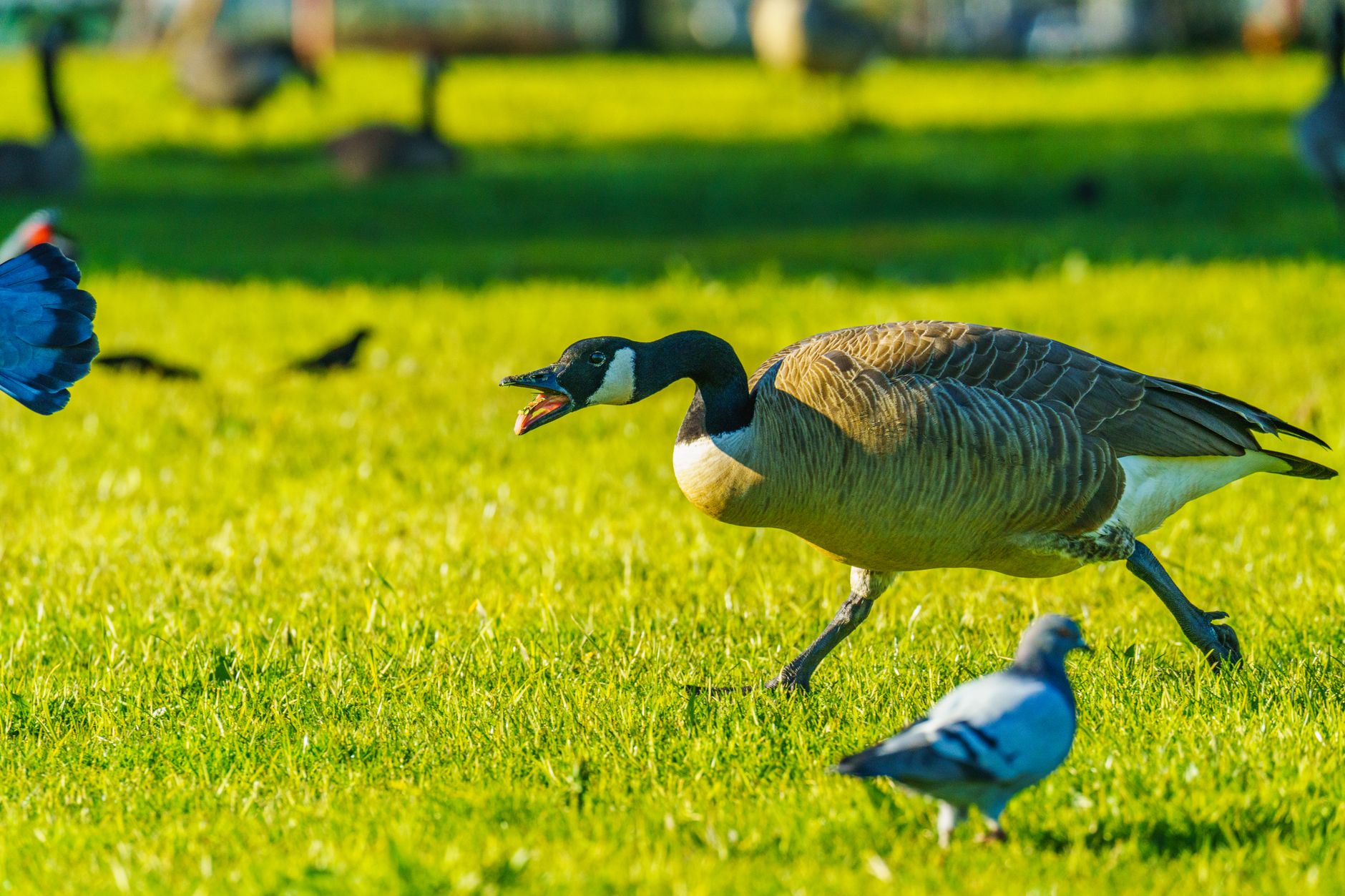
- Canadian Geese: During nesting season, they are fiercely protective of their young and nests.
- Swans: While graceful, swans, especially mute swans, are extremely territorial and can be aggressive, using their powerful wings to deliver painful blows.
- Gulls: In coastal areas, gulls can be aggressive, especially when seeking food.
- Raptors (Hawks, Eagles, Owls): While attacks are rare, they can occur when these birds feel threatened or when protecting their young.
- Australian Magpies: Particularly known in Australia, they swoop down on people during breeding season.
- Crows: Highly intelligent and territorial, crows will defend their nests against perceived threats.
Strategies for Avoiding Bird Attacks
Preventing bird attacks involves understanding their behavior and taking precautions to avoid triggering aggressive responses.
- Be Aware of Nesting Season: Pay extra attention to your surroundings during nesting season and avoid disturbing nests.
- Avoid Feeding Birds: While seemingly harmless, feeding birds can disrupt their natural behavior and make them more dependent on humans.
- Stay Away from Nests: If you spot a nest, give it a wide berth.
- Protect Yourself: If a bird attacks, protect your head and face with your arms or an object like an umbrella.
- Make Eye Contact: Some experts suggest that making eye contact with an aggressive bird can deter an attack.
- Move Away Slowly: Avoid running or making sudden movements, which can further provoke the bird.
- Use Repellents: Bird repellents, such as visual deterrents or sonic devices, can help keep birds away from certain areas.
Addressing Specific Bird Attack Scenarios
Different bird species require different approaches. For instance, dealing with an aggressive goose differs significantly from dealing with a swooping magpie.
| Bird | Aggression Trigger | Recommended Action |
|---|---|---|
| Canadian Goose | Protecting goslings, defending territory | Avoid approaching goslings, maintain distance, move away slowly |
| Magpie | Breeding season, protecting nest | Wear a hat and sunglasses, avoid walking in known magpie attack zones |
| Red-winged Blackbird | Protecting nesting territory | Avoid walking near nesting areas, wave your arms to discourage swooping |
| Gull | Searching for food, protecting chicks | Do not feed gulls, avoid carrying food in open areas |
Conclusion: Understanding and Coexisting
What kind of bird attacks humans? is a multifaceted question. By understanding the reasons behind bird aggression and implementing preventative measures, we can minimize the risk of attacks and coexist peacefully with these fascinating creatures. Remember that most attacks are defensive, not predatory, and respecting their space is key to avoiding conflict. Understanding how to avoid being attacked by birds is crucial for harmonious coexistence.

Frequently Asked Questions
What is the most common reason for bird attacks?
The most common reason for bird attacks is defensive behavior during nesting season. Birds become highly protective of their nests and young and may attack if they perceive a threat to their offspring.
Are bird attacks dangerous?
While most bird attacks are not life-threatening, they can be painful and startling. Large birds like swans or raptors can inflict serious injuries, and any attack carries a risk of infection from scratches or bites.
How can I protect my children from bird attacks?
Teach children to avoid disturbing bird nests and to respect wildlife. If a bird is behaving aggressively, instruct them to cover their head and face and move away slowly. Supervise children closely in areas where aggressive birds are known to reside.
What should I do if I am attacked by a bird?
Protect your head and face with your arms or an object. Avoid running or making sudden movements. Slowly move away from the area. If you are injured, clean the wound thoroughly and seek medical attention if necessary.
Are certain breeds of birds more aggressive than others?
Yes, certain species such as the Australian magpie, red-winged blackbird, Canada goose, and northern mockingbird are known to be more aggressive than others, especially during breeding season.
Does feeding birds make them more aggressive?
Feeding birds can make them less fearful of humans and more likely to approach them, potentially leading to aggressive behavior if their expectations aren’t met. It is generally better to let birds forage for their own food.
Can bird attacks damage my property?
Birds can damage property by nesting in undesirable places, pecking at windows, or leaving droppings. However, physical attacks on property are rare.
Is it legal to kill a bird that attacks me?
Killing a bird is generally illegal under federal and state laws, unless there is an immediate threat to human life. It is best to focus on deterring the bird and avoiding future encounters. Contact local wildlife authorities for advice on managing aggressive birds.
How do I deal with an aggressive goose on my property?
Avoid approaching the goose, especially if it has goslings. Maintain a safe distance and avoid direct eye contact. Use deterrents such as noisemakers or visual barriers to discourage it from entering your property.
Do bird attacks happen more often in certain areas?
Yes, bird attacks are more common in areas where humans and birds frequently interact, such as parks, beaches, and residential neighborhoods with bird feeders.
Can I train a bird not to attack?
Training a wild bird not to attack is generally not feasible. The best approach is to modify your behavior and surroundings to minimize the risk of triggering an attack.
Are bird attacks a sign of environmental problems?
While not directly indicative of environmental problems, changes in bird behavior, including increased aggression, can sometimes be a symptom of habitat loss or food scarcity. Understanding the context of the attacks is important.