
What is the Use of Sodium Bicarbonate in Aquaculture?
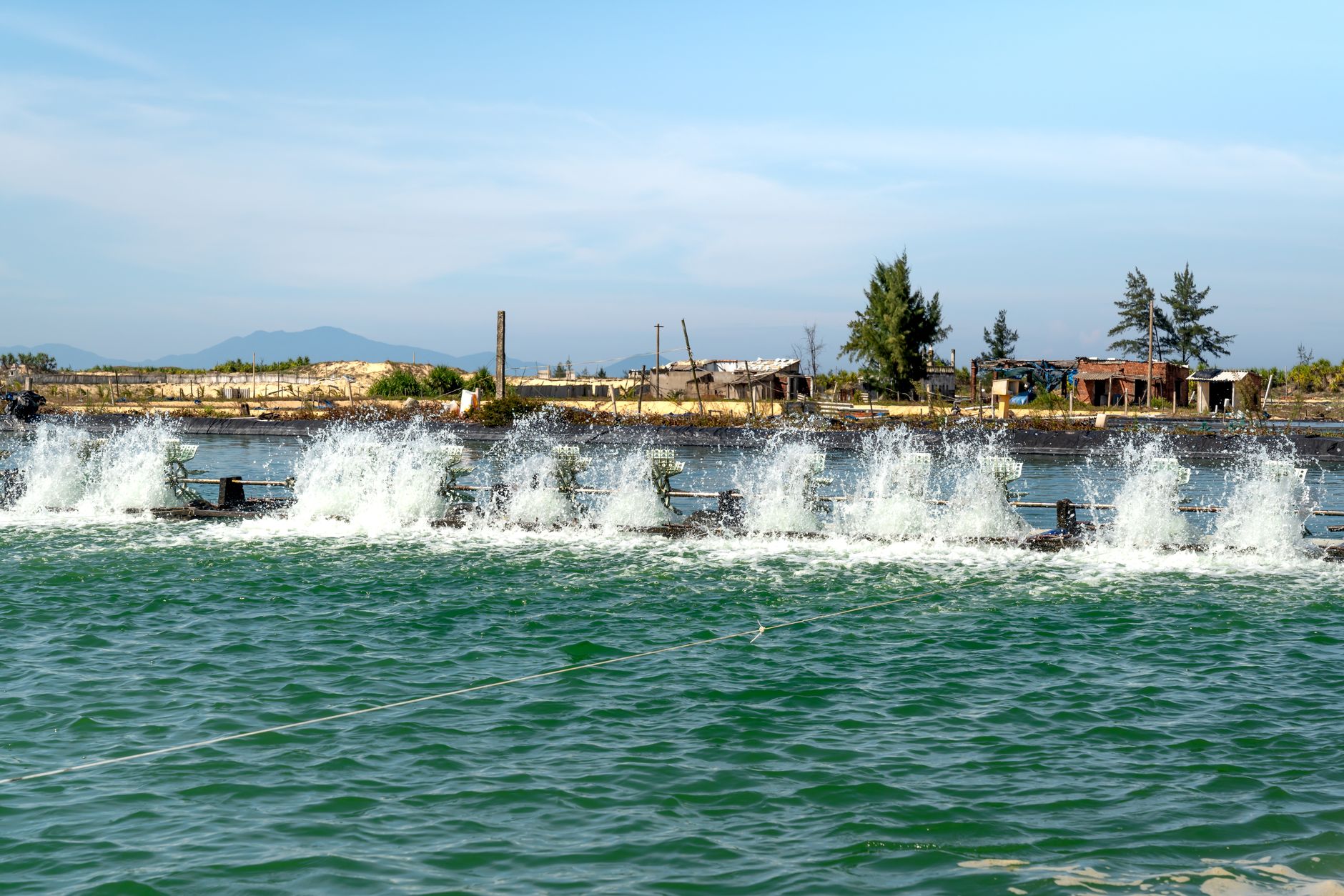
Sodium bicarbonate, also known as baking soda, plays a vital role in aquaculture by stabilizing pH levels and buffering against acidification , which are critical for the health and survival of aquatic organisms. Understanding its application is essential for maintaining optimal water quality in aquaculture systems.

Introduction to Sodium Bicarbonate in Aquaculture
Aquaculture, the farming of aquatic organisms, is a rapidly growing industry providing a significant portion of the world’s seafood. Maintaining optimal water quality is paramount for the success of any aquaculture operation. pH, a measure of acidity or alkalinity, is one of the most critical water quality parameters. Fluctuations in pH can stress aquatic life, hinder growth, and even cause mortality. This is where sodium bicarbonate, a simple yet effective compound, comes into play.
Understanding pH and Alkalinity
pH is a logarithmic scale ranging from 0 to 14, with 7 being neutral. Values below 7 indicate acidity, while values above 7 indicate alkalinity. Many aquatic organisms thrive within a narrow pH range, typically between 6.5 and 9.0.
Alkalinity, on the other hand, is a measure of the water’s capacity to resist changes in pH. It acts as a buffer, preventing drastic pH swings caused by factors like respiration, photosynthesis, and organic matter decomposition. Sodium bicarbonate is a key contributor to alkalinity in aquaculture systems.
Benefits of Sodium Bicarbonate
The use of sodium bicarbonate in aquaculture provides several key benefits:
- pH Stabilization: It helps maintain a stable pH level, preventing stressful fluctuations for aquatic organisms.
- Increased Alkalinity: It increases the water’s buffering capacity, reducing the risk of acidification.
- Improved Water Quality: By stabilizing pH and alkalinity, it contributes to overall improved water quality, promoting healthier growth and survival.
- Enhanced Growth Rates: Optimal pH levels support efficient nutrient uptake and metabolism, leading to faster growth rates.
- Reduced Stress: Stable water quality reduces stress on aquatic organisms, making them less susceptible to disease.
- Cost-Effective Solution: Sodium bicarbonate is a relatively inexpensive and readily available chemical.
The Process of Using Sodium Bicarbonate
The application of sodium bicarbonate in aquaculture typically involves the following steps:
- Water Quality Testing: Regularly monitor pH and alkalinity levels using a reliable testing kit or meter.
- Dosage Calculation: Determine the appropriate dosage based on the current alkalinity level, the desired alkalinity level, and the volume of water in the system. Precise calculations are crucial.
- Preparation: Dissolve the sodium bicarbonate in a separate container of water before adding it to the aquaculture system. This ensures even distribution.
- Application: Slowly add the dissolved sodium bicarbonate to the system, preferably in an area with good water circulation.
- Monitoring: Continuously monitor pH and alkalinity levels after application to ensure the desired levels are achieved and maintained. Re-test frequently.
Factors Influencing Sodium Bicarbonate Dosage
Several factors influence the required dosage of sodium bicarbonate:
- Initial Alkalinity: The lower the initial alkalinity, the more sodium bicarbonate will be needed.
- Water Volume: Larger water volumes require proportionally more sodium bicarbonate.
- Aquaculture System Type: Recirculating aquaculture systems (RAS) may require more frequent additions due to higher organic matter decomposition rates.
- Stocking Density: Higher stocking densities can lead to increased respiration and waste production, potentially lowering pH and requiring more sodium bicarbonate.
- Feed Type: Certain feed types can affect water quality and may necessitate adjustments in sodium bicarbonate dosage.
Common Mistakes to Avoid
- Overdosing: Adding too much sodium bicarbonate can raise the pH to excessively alkaline levels, which can be just as harmful as acidic conditions.
- Incorrect Dosage Calculation: Failure to accurately calculate the required dosage can lead to ineffective treatment or pH imbalances.
- Lack of Monitoring: Failing to monitor pH and alkalinity levels after application can result in undetected problems and potential harm to aquatic organisms.
- Using Impure Sodium Bicarbonate: Ensure that the sodium bicarbonate used is food-grade or aquaculture-grade to avoid introducing harmful contaminants.
- Adding Undissolved Sodium Bicarbonate: Adding solid sodium bicarbonate directly to the system can cause localized high concentrations, which can be harmful.
Comparing Sodium Bicarbonate to Other Alkalinity Buffers
While sodium bicarbonate is a common choice, other options exist:
| Buffer | Advantages | Disadvantages | Cost |
|---|---|---|---|
| Sodium Bicarbonate | Cost-effective, readily available, relatively safe. | May require frequent additions in systems with high organic load. | Low |
| Calcium Carbonate (Lime) | Long-lasting effect, provides calcium for shell formation. | Slow to dissolve, can cause cloudiness, can significantly raise pH. | Moderate |
| Sodium Carbonate (Soda Ash) | More potent than sodium bicarbonate. | Can drastically raise pH, requiring careful monitoring. | Moderate |
The choice of buffer depends on the specific needs of the aquaculture system and the target species.
Frequently Asked Questions
What is the ideal pH range for most aquaculture species?
The ideal pH range varies depending on the specific species, but generally, a range between 6.5 and 9.0 is considered acceptable for most aquaculture species. It’s important to research the optimal pH range for the particular species being cultured.
How often should I test the pH and alkalinity of my aquaculture system?
The frequency of testing depends on the system’s stability. Initially, daily testing is recommended. Once the system stabilizes, testing 2-3 times per week may be sufficient. Sudden changes warrant immediate testing.
What are the signs of low alkalinity in an aquaculture system?
Signs of low alkalinity include rapid pH fluctuations, especially after feeding or water changes, poor growth rates in aquatic organisms, and increased susceptibility to disease.
Can sodium bicarbonate harm aquatic organisms?
While generally safe, excessive amounts of sodium bicarbonate can raise the pH to harmful levels. It’s crucial to follow dosage recommendations and monitor pH levels closely.
Is food-grade sodium bicarbonate safe for aquaculture use?
Yes, food-grade sodium bicarbonate is generally safe for aquaculture use. It’s essential to ensure that the product is free of contaminants that could harm aquatic organisms.
How do I properly dissolve sodium bicarbonate before adding it to my system?
Dissolve the sodium bicarbonate in a separate container of water, stirring until it is completely dissolved. Use warm water to aid in dissolution. Avoid adding undissolved solids directly to the aquaculture system.
What are the alternative names for sodium bicarbonate?
Sodium bicarbonate is also known as baking soda, sodium hydrogen carbonate, and bicarbonate of soda.
Can I use sodium bicarbonate in saltwater aquaculture?
Yes, sodium bicarbonate can be used in saltwater aquaculture. However, the dosage may need to be adjusted based on the salinity of the water and the buffering capacity already present.
Does sodium bicarbonate affect other water quality parameters?
Yes, sodium bicarbonate primarily affects pH and alkalinity. However, changes in pH can indirectly influence other parameters such as ammonia toxicity.
How long does it take for sodium bicarbonate to take effect in an aquaculture system?
The effect of sodium bicarbonate on pH and alkalinity is generally relatively rapid, often noticeable within a few hours. However, it may take several days to fully stabilize the system.
What is the shelf life of sodium bicarbonate?
When stored properly in a cool, dry place, sodium bicarbonate has a very long shelf life. However, it’s always best to check the expiration date on the packaging.
Where can I purchase sodium bicarbonate for aquaculture?
Sodium bicarbonate can be purchased from aquaculture supply stores, farm supply stores, chemical suppliers, and online retailers. Ensure that the product is appropriate for aquaculture use.