

What is the Use of Snakehead Fish?
Snakehead fish are utilized extensively as a high-protein food source, particularly in Asian cuisines, and have shown potential in traditional medicine, although further scientific research is needed to validate these claims.

A Deep Dive into the World of Snakehead Fish
Snakehead fish, belonging to the family Channidae, are freshwater fish native to Asia and parts of Africa. They are characterized by their elongated, cylindrical bodies and their ability to breathe air, allowing them to survive in oxygen-depleted waters and even move short distances across land. This resilience, coupled with their predatory nature, has made them both a valuable resource and an invasive threat in various ecosystems. What is the use of snakehead fish, beyond a mere food source? The answer is multifaceted, encompassing culinary, medicinal, and ecological dimensions.
Culinary Uses: A Protein Powerhouse
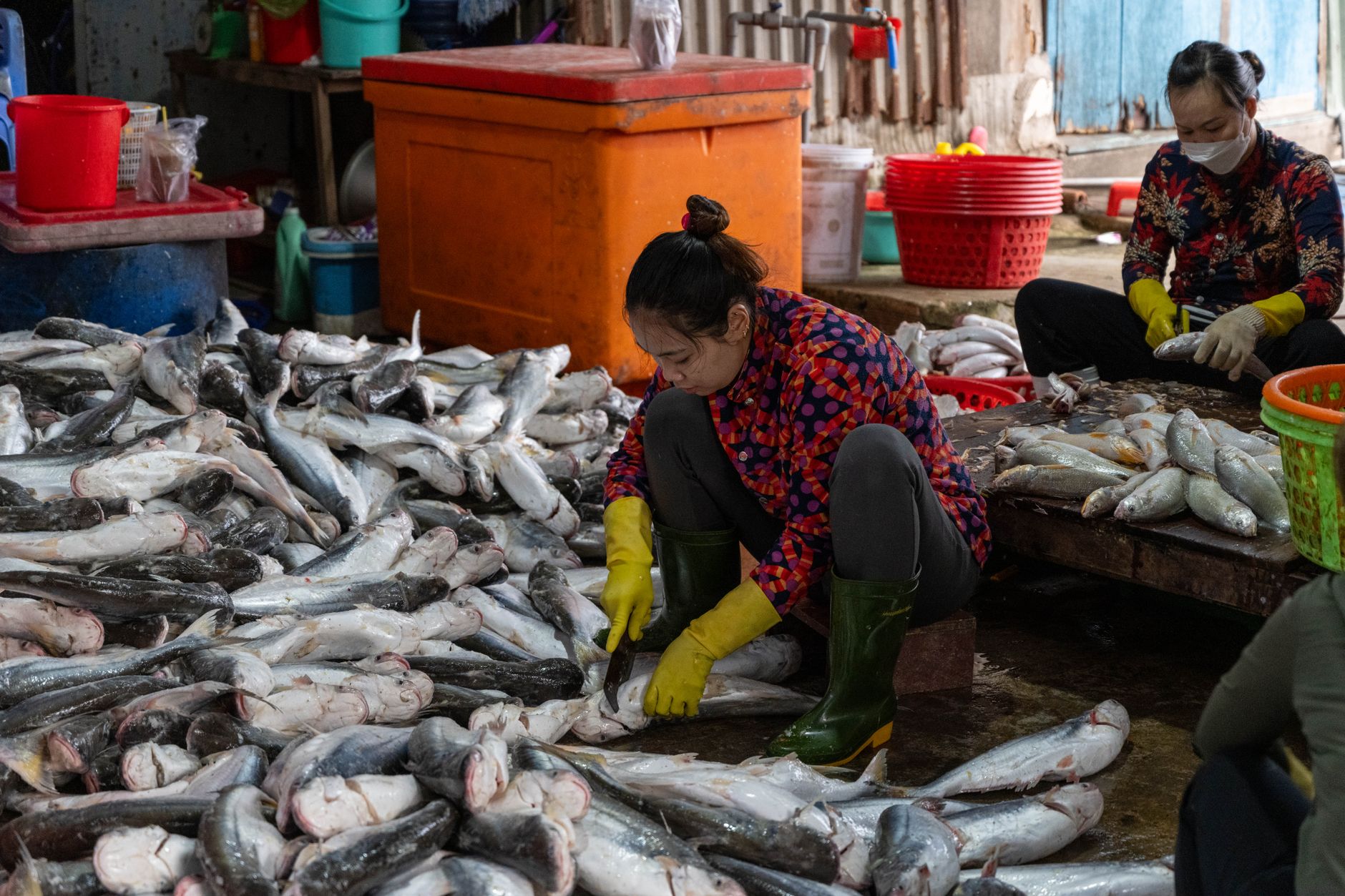
The most common and well-established use of snakehead fish is as a food source. Their firm, white flesh is prized for its delicate flavor and high protein content. In Southeast Asia, particularly in countries like Malaysia, Indonesia, and Thailand, snakehead fish are commonly used in a variety of dishes, including:
- Soups and stews: Snakehead fish is often simmered in flavorful broths, creating nourishing and comforting meals.
- Grilled and fried dishes: The fish can be seasoned and grilled or fried until crispy, offering a delicious and satisfying main course.
- Fish cakes and dumplings: The flesh can be ground and mixed with spices and other ingredients to create flavorful fish cakes and dumplings.
- Fish porridge: especially in Malaysia (Congee)
Snakehead fish is also a popular choice for individuals seeking a lean protein source to support muscle growth and overall health. Its versatility in culinary applications makes it a staple ingredient in many Asian households.
Traditional Medicinal Uses: Claims and Controversies
Beyond their culinary value, snakehead fish have a long history of use in traditional medicine, particularly in Southeast Asia. Proponents claim that snakehead fish possess various medicinal properties, including:
- Wound healing: Extracts from snakehead fish are believed to accelerate wound healing, reduce inflammation, and promote tissue regeneration.
- Post-operative recovery: Some traditional practitioners recommend consuming snakehead fish after surgery to aid in recovery and reduce pain.
- Pain relief: Snakehead fish are thought to possess analgesic properties that can help alleviate pain associated with various conditions.
- Improve overall health: The extract is thought to improve overall health through the high protein content and minerals found in the fish.
However, it is crucial to note that the scientific evidence supporting these claims is limited and often anecdotal. While some studies have shown promising results, more rigorous research is needed to fully understand the potential medicinal benefits of snakehead fish and to identify the active compounds responsible for these effects. It is important to consult with a qualified healthcare professional before using snakehead fish for medicinal purposes. What is the use of snakehead fish, as far as medicine is concerned? While traditional practices highlight potential benefits, further research is crucial for validation.
Ecological Impacts: The Invasive Species Dilemma
While snakehead fish are valued as a food source and for their potential medicinal properties, they are also recognized as a significant invasive species in many parts of the world, including the United States. Their ability to survive in diverse environments, coupled with their aggressive predatory behavior, allows them to outcompete native fish populations and disrupt ecosystems.
Their voracious appetite and lack of natural predators in introduced environments have led to significant ecological damage. Management strategies to control snakehead populations often include:
- Physical removal: Fishermen and wildlife officials actively remove snakehead fish from infested waters.
- Habitat modification: Modifying habitats to make them less suitable for snakehead fish can help control their spread.
- Public awareness campaigns: Educating the public about the dangers of releasing snakehead fish into non-native environments is crucial for preventing further introductions.
The ecological impact of snakehead fish underscores the importance of responsible fishkeeping practices and the need for effective management strategies to mitigate the negative consequences of invasive species. The question of What is the use of snakehead fish? cannot ignore the potential ecological downsides.
Distinguishing Snakehead Species: A Quick Guide
| Species Name | Common Name | Key Characteristics | Native Range |
|---|---|---|---|
| Channa argus | Northern Snakehead | Blotched pattern, reaches up to 3 feet in length | East Asia |
| Channa striata | Striped Snakehead | Dark stripes along body, smaller than C. argus | Southeast Asia |
| Channa micropeltes | Giant Snakehead | Reddish coloration when young, aggressive predator | Southeast Asia |
| Channa marulius | Bullseye Snakehead | Distinctive black spot near tail, larger than C. striata | South Asia |

Frequently Asked Questions About Snakehead Fish
What are the nutritional benefits of eating snakehead fish?
Snakehead fish are an excellent source of lean protein, essential amino acids, and minerals such as iron and calcium. They are relatively low in fat and calories, making them a healthy choice for individuals looking to increase their protein intake without consuming excessive amounts of fat. The high protein content also aids in muscle recovery and tissue repair.
Are snakehead fish safe to eat, considering their invasive status?
Yes, snakehead fish are generally safe to eat if properly cooked. Cooking the fish to an internal temperature of 145°F (63°C) will kill any parasites or bacteria that may be present. Eating snakehead fish can also help control their populations in areas where they are invasive, turning a problem into a resource. What is the use of snakehead fish in this context? It becomes a sustainable control method.
What are the risks associated with consuming snakehead fish from polluted waters?
Snakehead fish, like other fish, can accumulate contaminants from polluted waters, such as mercury and PCBs. Consuming fish from contaminated areas can pose health risks, particularly for pregnant women, nursing mothers, and young children. It’s essential to check local advisories regarding fish consumption before eating snakehead fish caught from potentially polluted waters.
How does snakehead fish compare to other fish in terms of taste and texture?
Snakehead fish has a firm, white flesh with a delicate, slightly sweet flavor. Its texture is often compared to that of snapper or grouper. Unlike some fish, snakehead is not particularly oily, making it a good choice for grilling, baking, or pan-frying.
Are there any ethical concerns surrounding the consumption of snakehead fish, given their invasive status?
Some people may have ethical concerns about consuming invasive species, viewing it as contributing to the problem. However, many argue that eating snakehead fish is a responsible way to help control their populations and minimize their ecological impact. Harvesting and consuming them can be considered a form of active management.
How do snakehead fish breathe air?
Snakehead fish possess a labyrinth organ, a specialized respiratory structure located in their head, which allows them to extract oxygen from the air. This adaptation enables them to survive in oxygen-depleted waters and even move across land for short periods, seeking out new habitats or escaping unfavorable conditions.
Can snakehead fish survive out of water?
Yes, snakehead fish can survive out of water for a considerable amount of time, depending on the species and environmental conditions. Some species can survive for several days if kept moist. This ability contributes to their success as invasive species, allowing them to disperse and colonize new areas.
What is the best way to prepare snakehead fish for cooking?
Snakehead fish can be prepared in various ways, depending on your preferences. Common cooking methods include grilling, baking, frying, and steaming. Proper preparation involves scaling the fish, removing the entrails, and thoroughly cleaning the flesh. Marinating the fish before cooking can enhance its flavor.
What are some popular snakehead fish recipes from different cultures?
Numerous cultures have unique and delicious snakehead fish recipes. Some popular examples include:
- Tom Yum Pla Chon (Thailand): Spicy and sour soup with snakehead fish.
- Pecel Lele (Indonesia): Fried snakehead fish served with sambal and vegetables.
- Canh Chua Ca Loc (Vietnam): Sour fish soup with snakehead fish and vegetables.
Are there any regulations on fishing for snakehead fish in areas where they are invasive?
In many areas where snakehead fish are invasive, there are no regulations or restrictions on fishing for them. In some cases, anglers are even encouraged to catch and keep snakehead fish to help control their populations. It’s always best to check local fishing regulations before targeting snakehead fish.
What research has been done on the medicinal properties of snakehead fish?
While traditional medicine has long touted the benefits of snakehead fish, scientific research is still ongoing. Some studies have investigated the effects of snakehead fish extracts on wound healing, inflammation, and pain relief, with promising but preliminary results. More research is needed to identify the active compounds and to confirm the efficacy and safety of using snakehead fish for medicinal purposes.
Where can I purchase snakehead fish?
Snakehead fish can be found in Asian markets and some specialty seafood stores, particularly in areas with large Asian populations. It is also possible to catch snakehead fish in areas where they are established. Be sure to confirm they are legal to possess in your area and follow all local fishing regulations.