
What is the Seminole Word for Dog? Unveiling a Linguistic Gem
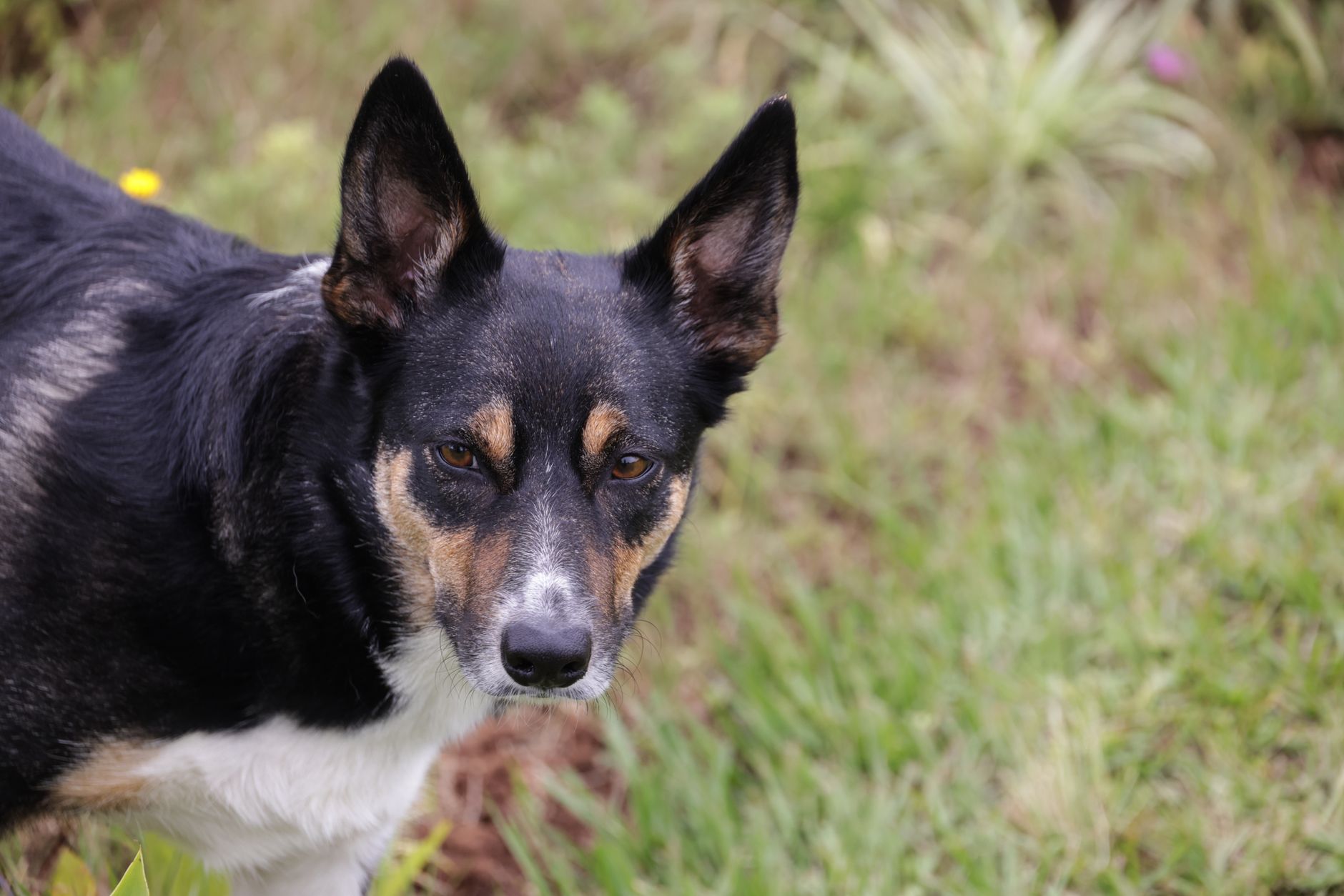
The Seminole word for dog is efv. This article explores the intricacies of the Seminole language, specifically focusing on the term efv and its cultural significance within the Seminole tribes.
Tracing the Linguistic Roots of efv
Understanding the Seminole word for dog, efv, requires a dive into the history and structure of the Seminole languages. The Seminole people are primarily associated with two distinct but related languages: Mikasuki and Creek. While there are some differences, the term for dog, efv, remains relatively consistent across both. This linguistic stability highlights the enduring cultural importance of dogs within Seminole communities. It’s important to note that linguistic variation can occur across different Seminole communities, but efv is generally accepted and understood.
Efv: More Than Just a Translation

The word efv represents more than a simple translation. It carries historical and cultural weight. Historically, dogs played crucial roles in Seminole society as:
- Hunting companions: Aiding in the pursuit of game, providing vital sustenance.
- Guardians: Protecting homes and families from danger.
- Companions: Offering loyalty and friendship.
This multifaceted role is reflected in the reverence often afforded to dogs within Seminole culture. The Seminole connection to the land and nature is deeply intertwined with their relationship with animals, and efv embodies this connection.
Pronunciation and Usage of efv
While the spelling of efv is straightforward, pronunciation nuances exist. Listen to native speakers if possible. Generally, the “e” is pronounced as in “bed,” the “f” as in “fun,” and the “v” with a slightly softer sound, closer to a “u.” Understanding the correct pronunciation helps preserve the integrity of the language and shows respect for the culture.
When using the word efv, it’s important to consider the context. Just as in English, there are descriptive terms that can be added to provide greater specificity. For example, one might describe a dog’s color or breed alongside the term efv.
Related Terms and Concepts
Beyond the basic term efv, several related words and concepts enrich the understanding of dogs within the Seminole languages. These include terms for:

- Puppies: Different variations may exist depending on the specific Seminole language.
- Dog breeds: While traditional breeds might not have had direct equivalents, modern adaptations exist to describe various types of dogs.
- Dog behaviors: Terms for barking, playing, and other common dog actions.
Understanding these related terms provides a more comprehensive view of how dogs are integrated into the Seminole lexicon and culture.
Why is Learning the Seminole Word for Dog Important?
Learning the Seminole word for dog, efv, goes beyond simple vocabulary acquisition. It represents:
- Cultural preservation: Helping to keep the Seminole languages alive.
- Showing respect: Demonstrating a genuine interest in Seminole culture.
- Building bridges: Fostering understanding and communication between different communities.
By actively engaging with the Seminole languages, we contribute to their preservation and appreciation. It’s a small but meaningful way to honor the rich cultural heritage of the Seminole people.
Common Mistakes to Avoid
When learning the Seminole word for dog, efv, and other terms, it’s important to be mindful of potential pitfalls. These include:
- Mispronunciation: Taking the time to learn the correct pronunciation is crucial.
- Lack of context: Understanding the cultural significance of efv enhances its meaning.
- Generalizations: Recognizing the variations that may exist between Mikasuki and Creek.
- Not seeking guidance: Connecting with native speakers or language experts is invaluable.
By avoiding these common mistakes, learners can ensure they are approaching the Seminole language with respect and accuracy.
What is the etymology of the Seminole word efv?
The exact etymology of efv is debated and requires further linguistic research. It’s believed to have roots in the Muskogean language family, to which both Creek and Mikasuki belong. It is important to remember that language evolves, and tracing the specific origin of words can be challenging.
Are there different dialects within the Seminole languages that use slightly different words for “dog?”
Yes, there can be slight variations in vocabulary and pronunciation across different Seminole communities and dialects. While efv is generally understood, regional differences might exist. Always consult with local speakers for the most accurate usage.
How is the word efv used in Seminole storytelling and folklore?
Dogs, and therefore the word efv, often appear in Seminole storytelling, embodying traits such as loyalty, intelligence, and protection. Stories often highlight the symbiotic relationship between humans and dogs, showcasing their roles in hunting and community life.
Is there a specific word for “puppy” in Seminole languages?
Yes, while the specific word can vary slightly between Mikasuki and Creek, there are terms for “puppy.” Exploring specific dictionaries or consulting with native speakers will provide the most accurate translation.
How does the Seminole language differentiate between male and female dogs using the word efv?
Similar to many languages, Seminole can differentiate between male and female dogs by adding descriptive terms to efv. These terms would specify the gender, often using words related to male or female animals in general.
What resources are available for learning more about the Seminole languages?
Several resources exist, including online dictionaries, language learning programs, and community-based initiatives. Connecting with Seminole tribal organizations is a valuable step in finding authentic and reliable learning materials.
Are there any cultural taboos or special considerations when referring to dogs in Seminole culture?
While not universally strict, showing respect for animals is crucial. Avoid using derogatory language or treating dogs disrespectfully. Understanding the cultural context is key to proper etiquette.
Does the Seminole language have words for different dog breeds or types?
Historically, traditional dog breeds might not have had direct equivalents. However, modern speakers often adapt existing words or incorporate loanwords to describe various dog breeds common today.
How has the word efv changed or evolved over time?
Like all languages, the Seminole languages are dynamic. While the core meaning of efv has likely remained relatively stable, its usage and connotations may have evolved alongside cultural shifts. Documenting these changes is essential for linguistic preservation.
What are some common idioms or expressions in the Seminole language that use the word efv?
Exploring idioms involving efv can offer deeper cultural insights. These expressions often reveal underlying values and beliefs about the relationship between humans and animals. Further research and consultation with native speakers are needed.
Is there a religious or spiritual significance associated with dogs in Seminole beliefs?
In some Seminole traditions, dogs hold a spiritual significance, acting as guides or protectors. This significance varies among different communities and belief systems. Stories and folklore can provide further context.
How can I ensure I am using the word efv correctly and respectfully?
The best way to ensure accurate and respectful usage is to learn from native speakers or language experts. Immersion and engagement with the Seminole community are invaluable in gaining a nuanced understanding of the language and its cultural context. Remember to always approach language learning with humility and a genuine desire to learn.