

What Is The Bizarre Relationship Between Cichlids and Cuckoo Catfish?
The relationship between cichlids and cuckoo catfish is a fascinating example of avian-style brood parasitism, where the cuckoo catfish tricks cichlids into raising their young, offering a unique evolutionary strategy with significant implications for both species.

Introduction: A Cross-Species Deception
The intricate ecosystems of African lakes, particularly Lake Tanganyika and Lake Malawi, are home to a diverse array of fish species, among which cichlids and cuckoo catfish (specifically Synodontis multipunctatus) stand out due to their unusual interaction. This interaction showcases a form of brood parasitism, a behavior more commonly associated with birds like cuckoos. What is the relationship between cichlids and cuckoo catfish? It’s a parasitic one, but one of astounding complexity and evolutionary ingenuity. The cuckoo catfish cleverly exploits the cichlids’ strong parental care instincts for its own reproductive benefit.
Background: Cichlids – Devoted Parents of the Aquatic World
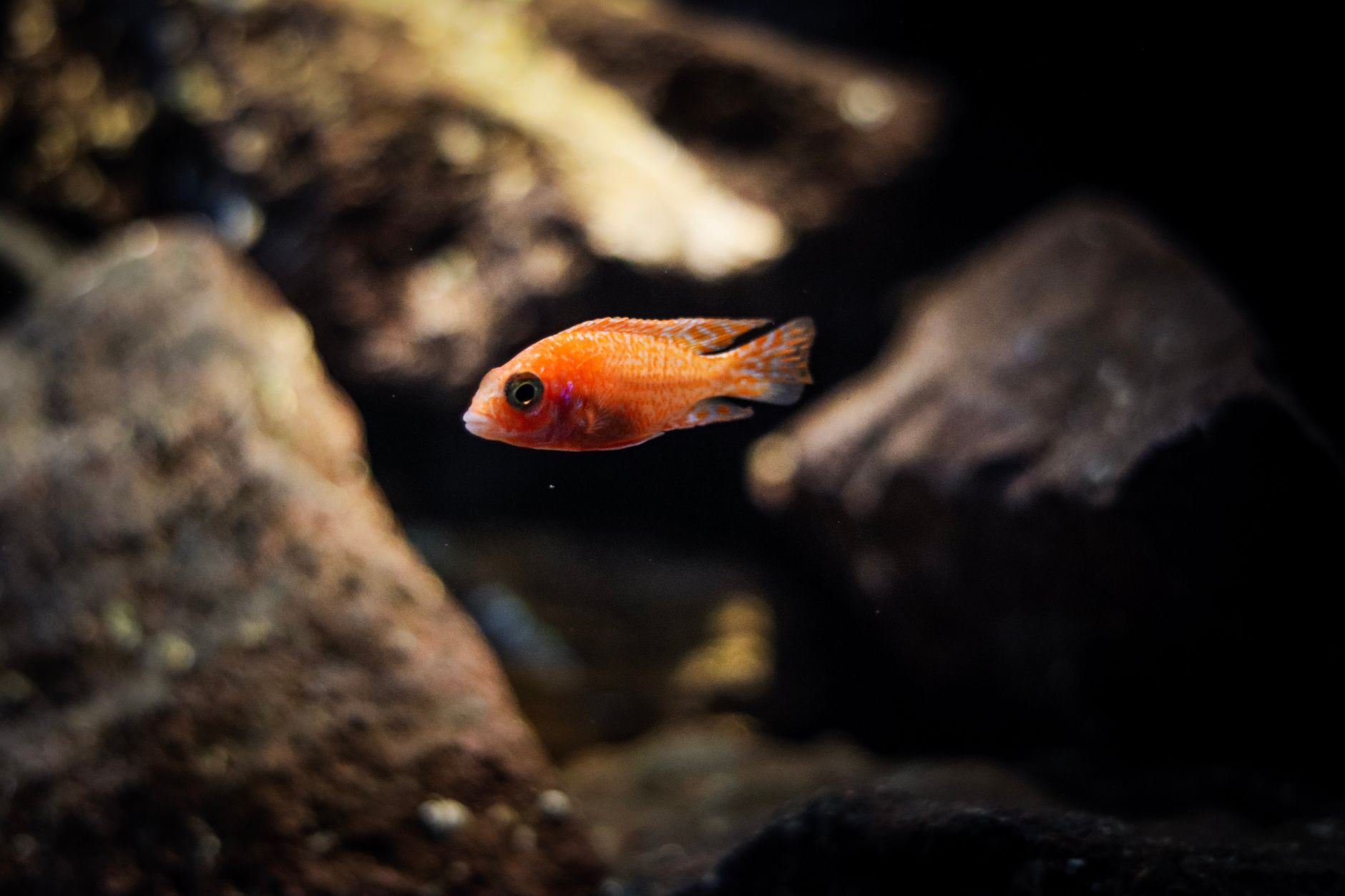
Cichlids, renowned for their vibrant colors and diverse forms, are even more celebrated for their exceptional parental care. Many cichlid species, particularly mouthbrooders, incubate their eggs and protect their fry (young fish) in their mouths. This dedication ensures a higher survival rate for their offspring in the challenging aquatic environment. This intense parental care is the critical point that Synodontis multipunctatus exploits.
The Cuckoo Catfish Strategy: A Masterclass in Deception
The cuckoo catfish’s strategy is deceptively simple yet remarkably effective. The process unfolds as follows:
- Coordination: Cuckoo catfish closely monitor cichlid breeding activity, often congregating near cichlid spawning sites.
- Intervention: During the cichlids’ spawning process, the catfish rush in and quickly release their own eggs and sperm into the water, coinciding with the cichlids’ own release.
- Ingestion: The cichlid, in its instinct to gather and protect its own eggs, inadvertently picks up the catfish eggs as well.
- Incubation: The cichlid then incubates both its own and the catfish eggs in its mouth.
- Hatching Advantage: Crucially, the catfish eggs hatch before the cichlid eggs.
- Predation: The newly hatched catfish fry then consume the cichlid eggs inside the mother’s mouth.
- Release: The unsuspecting cichlid eventually releases the catfish fry, believing them to be her own.
This complex sequence allows the cuckoo catfish to bypass the energy-intensive process of parental care, relying instead on the cichlid’s dedication.
Evolutionary Implications: A Symbiotic Arms Race
The interaction between cichlids and cuckoo catfish represents a fascinating example of coevolution, an ongoing arms race where each species evolves in response to the other. Cichlids may develop behaviors or physical traits to better distinguish their own eggs from those of the catfish, while catfish may evolve more convincing mimicry or faster hatching times to maintain their parasitic advantage. The question of what is the relationship between cichlids and cuckoo catfish is, therefore, an inquiry into a dynamic and evolving system.
Common Misconceptions: Separating Fact from Fiction
There are several common misunderstandings about the relationship between cichlids and cuckoo catfish:
- Complete Host Destruction: While the catfish consume some cichlid eggs, they do not entirely eliminate the cichlid brood. Some cichlid offspring often survive.
- Universal Parasitism: Not all cichlid species are susceptible to cuckoo catfish parasitism. The catfish primarily target mouthbrooding species.
- Deliberate Targeting: While the catfish seem to target spawning cichlids, it’s likely driven by instinct rather than conscious planning.
Conclusion: An Enduring Evolutionary Tale
The relationship between cichlids and cuckoo catfish offers a captivating glimpse into the intricacies of evolutionary adaptation and interspecies interactions. It demonstrates the power of natural selection in shaping even the most unusual and seemingly unfair relationships in the natural world. Further research is continuously shedding light on the genetic and behavioral underpinnings of this fascinating parasitic strategy, deepening our understanding of what is the relationship between cichlids and cuckoo catfish.

Frequently Asked Questions (FAQs)
What specific species of cichlids are most vulnerable to cuckoo catfish parasitism?
The cuckoo catfish, Synodontis multipunctatus, primarily targets mouthbrooding cichlids found in Lake Tanganyika and Lake Malawi. These species, which incubate their eggs in their mouths, provide the perfect opportunity for the catfish to insert their own eggs into the clutch. Examples include many Tropheus, Pseudotropheus, and Mbuna species.
Do cichlids ever recognize and reject cuckoo catfish eggs?
Some evidence suggests that cichlids may develop strategies to recognize and reject foreign eggs. However, the success of these strategies is variable, and the cuckoo catfish continues to refine its mimicry to overcome these defenses. The exact mechanisms and effectiveness of cichlid egg recognition are areas of ongoing research.
How does the cuckoo catfish egg hatching time influence its parasitic success?
The shorter hatching time of cuckoo catfish eggs is absolutely critical to their parasitic success. It allows the catfish fry to hatch before the cichlid fry, giving them a head start in consuming the cichlid eggs and securing a food source within the host’s mouth.
Is the relationship between cichlids and cuckoo catfish detrimental to cichlid populations?
While the parasitic relationship can reduce the number of surviving cichlid offspring, it doesn’t necessarily lead to population decline in healthy ecosystems. Cichlids can produce multiple broods per year, and factors like predation and resource availability also play significant roles in population dynamics.
Are there other fish species that exhibit similar brood parasitism behavior?
Yes, while the cichlid-cuckoo catfish interaction is one of the most well-known examples, other fish species, such as certain minnows and lampreys, have also been observed to exhibit forms of brood parasitism, although often through different mechanisms.
How does the presence of cuckoo catfish affect the behavior of cichlids during spawning?
The presence of cuckoo catfish near spawning cichlids can increase the stress levels of the cichlids. Cichlids may become more cautious and guarded during spawning, and may even abandon nesting sites if the threat from catfish is too high.
Can cuckoo catfish parasitism occur in aquarium settings?
Yes, if cichlids and cuckoo catfish are kept together in an aquarium, the parasitic behavior can occur. However, the confined space can amplify the effects, potentially leading to a higher rate of brood loss for the cichlids.
What is the evolutionary origin of the cuckoo catfish’s parasitic behavior?
The evolutionary origin of this behavior is likely rooted in gradual adaptations over time. Small advantages in hatching time or egg mimicry would have initially increased the survival rate of catfish offspring, leading to the selection and refinement of these traits over generations.
Do cuckoo catfish exhibit any parental care behavior of their own?
No, cuckoo catfish do not exhibit any parental care behavior. Their entire reproductive strategy revolves around exploiting the parental care instincts of other species. This complete reliance on parasitism is a defining characteristic of their reproductive strategy.
How does the size and appearance of cuckoo catfish eggs compare to those of cichlids?
Cuckoo catfish eggs are often slightly smaller and more buoyant than those of the cichlids they parasitize. The subtle differences in appearance may help the catfish eggs to mix more easily with the cichlid eggs during spawning.
What are some conservation efforts aimed at protecting cichlid populations threatened by cuckoo catfish parasitism?
Conservation efforts primarily focus on maintaining healthy and diverse ecosystems in the African Great Lakes. This includes protecting spawning habitats, managing water quality, and preventing the introduction of invasive species that could further disrupt the delicate balance.
Beyond the parasitic relationship, do cichlids and cuckoo catfish interact in other ways within their natural environment?
Yes, besides the parasitic interaction, cichlids and cuckoo catfish also interact as part of the broader food web. Cuckoo catfish can feed on detritus and small invertebrates, contributing to nutrient cycling, and some cichlid species may occasionally prey on small catfish fry. While what is the relationship between cichlids and cuckoo catfish is primarily a parasitic one, they are still integrated into the ecosystem’s larger ecological context.