

What is the Other Name for a King Salmon? Unveiling Its Royal Identity
The other name for a king salmon is the Chinook salmon. This majestic fish, prized for its size and flavor, is known by both names, depending on the region and the context.

Introduction: The Reigning Monarch of the Salmon World
The king salmon, or Chinook salmon, stands as the largest and most prized of all Pacific salmon species. Its impressive size, rich flavor, and nutritional value have earned it the title of “king,” but its scientific name, Chinook, holds its own historical significance and is widely used across North America. Understanding both names provides a comprehensive view of this magnificent fish and its place in both ecological and culinary landscapes.
The Scientific Nomenclature: Oncorhynchus tschawytscha

Oncorhynchus tschawytscha, the scientific name of the king salmon, places it within the genus Oncorhynchus, which encompasses all Pacific salmon and trout. The species name, tschawytscha, is derived from a native Alaskan name for the fish, highlighting its long-standing presence and importance to Indigenous cultures. Knowing the scientific name is crucial for researchers and biologists for clarity in scientific communications.
Chinook: Honoring Indigenous Heritage
The name Chinook derives from the Chinookan peoples, Indigenous groups who lived along the Columbia River in the Pacific Northwest. This name acknowledges the salmon’s deep connection to the region’s history, culture, and economy. The Chinookan people relied heavily on salmon as a primary food source, and their name for this particular species has become synonymous with the fish itself. This name provides a respectful nod to the heritage of these amazing creatures.
Regional Variations and Common Usage
While both names are widely recognized, their prevalence can vary regionally. In Alaska and much of the Pacific Northwest, Chinook is arguably the more common term. In other areas, especially in commercial fishing and retail settings, “king salmon” might be preferred due to its perceived marketing appeal and association with quality.
Culinary Significance and Market Value
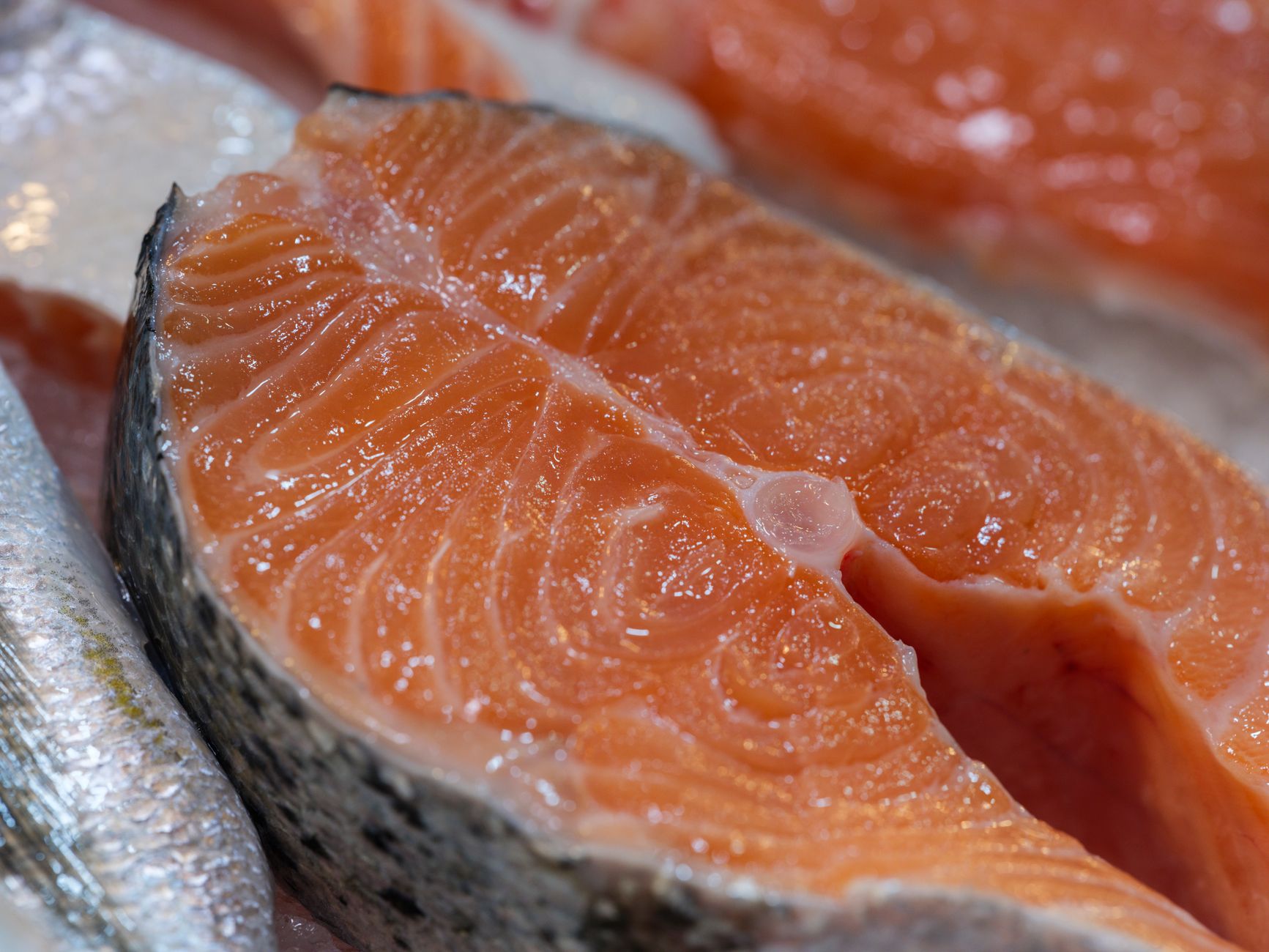
The king salmon, regardless of whether it’s referred to as Chinook, commands a premium price in the market. Its high fat content, rich flavor, and vibrant color make it a sought-after ingredient in fine dining and home kitchens alike. Chefs and consumers recognize its superior quality and are willing to pay a premium for this prized fish.
Identifying Features: Differentiating the King
Key features help differentiate king salmon from other salmon species:
- Size: King salmon are the largest of the Pacific salmon, often exceeding 30 pounds.
- Spots: Irregular black spots on the back and dorsal fin.
- Gums: Black mouth and gums are a key identifier.
- Tail: Spots on both lobes of the tail fin.
| Feature | King Salmon (Chinook) | Other Salmon Species (Example: Sockeye) |
|---|---|---|
| Size | Largest | Smaller |
| Spots | Yes | Variable |
| Mouth/Gums | Black | White/Grey |
| Tail Spots | Yes | Often absent |
Conservation Concerns and Sustainability
King salmon populations have faced significant challenges due to habitat loss, overfishing, and climate change. Sustainable fishing practices and habitat restoration efforts are crucial to ensuring the long-term survival of this iconic species. Conservation efforts focused on the Chinook are vital for the health of Pacific ecosystems.
The Future of the King: Ensuring Its Reign Continues
Protecting the king salmon for future generations requires a concerted effort from governments, conservation organizations, and individuals. By understanding the importance of sustainable practices and supporting responsible fisheries, we can help ensure that this magnificent fish continues to thrive for years to come. This means understanding both King Salmon and Chinook.
Frequently Asked Questions (FAQs)
What is the difference between king salmon and Chinook salmon?
There is no difference; the terms “king salmon” and “Chinook salmon” refer to the same species of fish, Oncorhynchus tschawytscha. One is simply the common name, while the other is derived from an Indigenous name.
Why is it called king salmon?
It’s called “king salmon” because it is the largest of the Pacific salmon species. Its impressive size and superior quality earned it the title, reflecting its status as the “king” of salmon.
Are king salmon always the largest salmon caught?
Yes, typically. While other salmon species can occasionally grow to considerable sizes, the king salmon is generally the largest and most frequently exceeds 30 pounds which is larger than any other salmon.
What does Chinook mean?
Chinook is a name derived from the Chinookan peoples, Indigenous groups of the Pacific Northwest, particularly those along the Columbia River.
Is king salmon the same as Atlantic salmon?
No, king salmon (Chinook salmon) is a Pacific salmon species. Atlantic salmon, Salmo salar, is a separate species found in the Atlantic Ocean. They are related, but distinct.
What are the main threats to king salmon populations?
The main threats include habitat loss (due to dams, deforestation, and urbanization), overfishing, and climate change (which affects water temperatures and food availability).
How can I ensure I’m buying sustainable king salmon?
Look for certifications from organizations like the Marine Stewardship Council (MSC) or consult resources like Seafood Watch to ensure the king salmon you purchase comes from sustainable fisheries.
What is the nutritional value of king salmon?
King salmon is rich in omega-3 fatty acids, protein, vitamins (like Vitamin D and B12), and minerals (like selenium and potassium). It’s a highly nutritious food source.
How do king salmon reproduce?
King salmon are anadromous, meaning they are born in freshwater, migrate to the ocean to mature, and then return to their natal streams to spawn. After spawning, they die.
Where are king salmon found?
King salmon are primarily found in the Pacific Ocean and its tributary rivers in North America and Asia, including Alaska, British Columbia, and the Russian Far East.
What is the lifespan of a king salmon?
The lifespan of a king salmon varies, but typically ranges from 3 to 7 years. Factors like genetics, environmental conditions, and fishing pressure can influence their lifespan.
Why are king salmon important to ecosystems?
King salmon play a crucial role in ecosystems by transferring marine nutrients to freshwater environments when they return to spawn. They also serve as an important food source for predators like bears, eagles, and orcas.