
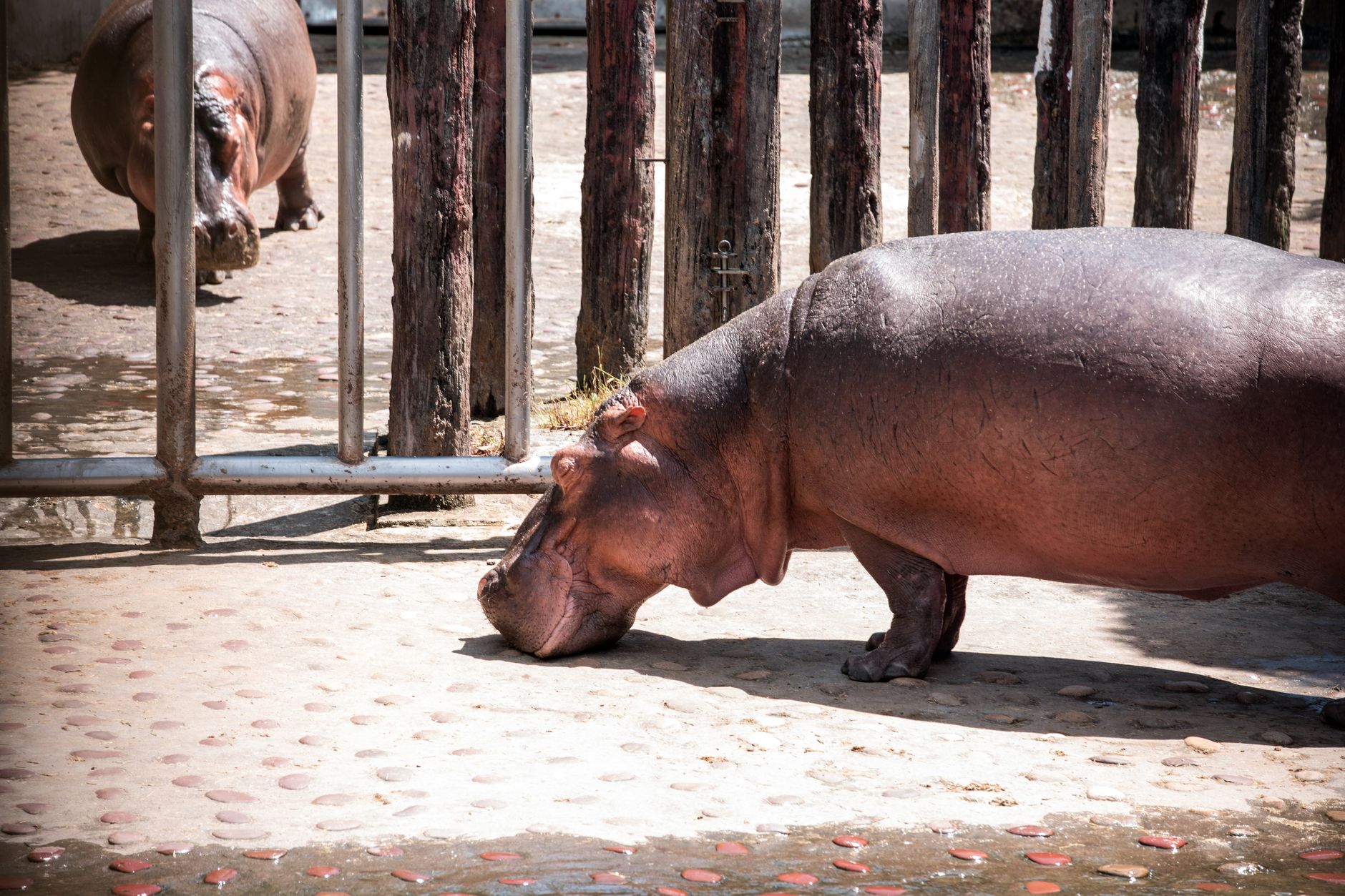
What is the Oldest Hippo to Ever Live?: Unveiling the Longevity Champion
The record for the oldest hippo to ever live belongs to Bertha, who lived to be approximately 65 years old, a testament to the surprising lifespan these magnificent creatures can achieve under the right conditions.

Introduction to Hippo Longevity
Hippos, or Hippopotamus amphibius, are fascinating semi-aquatic mammals native to sub-Saharan Africa. Known for their massive size and territorial nature, they spend much of their time in rivers and lakes to stay cool and protect their sensitive skin from the sun. While they are often perceived as dangerous, understanding their lifespan and factors influencing it offers valuable insight into their biology and conservation needs. This article explores the extraordinary lifespan of the oldest hippo on record and delves into the factors that contribute to hippo longevity.
Understanding Hippo Lifespans in the Wild vs. Captivity

Hippos in the wild typically live between 30 and 50 years. However, the stressors of their natural habitat, including predation (primarily by lions targeting younger hippos), disease, territorial disputes, and food scarcity, can significantly shorten their lives. In contrast, hippos in captivity often benefit from:
- Consistent food supply
- Regular veterinary care
- Protection from predators
- Managed social environments
These advantages contribute to significantly longer lifespans, as exemplified by Bertha.
Bertha: The Hippo Longevity Record Holder
Bertha, a common hippopotamus, resided at the Manila Zoo in the Philippines. She was already an adult when she arrived at the zoo in 1959, indicating she was likely born sometime in the mid-1950s. She lived to the remarkable age of 65 before passing away in 2017. Her longevity is attributed to the consistent care she received at the zoo, which included a balanced diet and dedicated veterinary attention.
Factors Contributing to Exceptional Hippo Lifespan
Several factors may contribute to a hippo exceeding its expected lifespan:
- Genetics: Some hippos may simply be predisposed to longer lives due to their genetic makeup.
- Diet: A consistent and balanced diet can support overall health and longevity.
- Stress Levels: Reduced stress in captivity, compared to the wild, can positively impact lifespan.
- Veterinary Care: Regular check-ups and treatment of illnesses can extend life expectancy.
- Environment: Clean water and appropriate temperature control are crucial for hippo health.
Comparing Hippo Lifespans to Other Large Mammals
Hippos have a comparable lifespan to many other large mammals:

| Animal | Average Lifespan (Years) | Maximum Lifespan (Years) |
|---|---|---|
| Hippo | 30-50 | 65 (Bertha) |
| African Elephant | 60-70 | 70+ |
| White Rhinoceros | 40-50 | 50+ |
| Lion | 10-14 (wild), 20+ (captivity) | 30+ |
This comparison highlights that while Bertha’s lifespan was exceptional for a hippo, it’s within the range of maximum lifespans for other large mammals under optimal conditions.
The Significance of Hippo Longevity Studies
Understanding what is the oldest hippo to ever live and the factors that contributed to their long life can inform:
- Conservation Efforts: Providing optimal conditions for wild hippo populations.
- Zoo Management: Improving the welfare and care of captive hippos.
- Veterinary Science: Advancing our understanding of hippo health and disease.
- Comparative Biology: Learning more about the aging process in mammals.
Frequently Asked Questions (FAQs)
What is the average lifespan of a hippo in the wild?
Hippos in their natural habitat typically live between 30 and 50 years. Their lifespan is often impacted by predation, disease, competition for resources, and environmental factors.
How long do hippos typically live in captivity?
Hippos in zoos and sanctuaries tend to live longer than their wild counterparts, often reaching 50 years or more. The longest-lived hippo, Bertha, achieved 65 years, largely due to quality care.
What was Bertha’s age when she died?
Bertha passed away at the age of approximately 65 years in 2017 at the Manila Zoo in the Philippines, making her the record holder for the oldest hippo to ever live.
Did Bertha have any known health problems during her life?
While specific details about Bertha’s medical history aren’t widely published, it’s safe to assume that she received regular veterinary care at the Manila Zoo. Consistent monitoring would have allowed for the management of any age-related health challenges.
Are there any other hippos known to have lived nearly as long as Bertha?
While Bertha holds the record, several other hippos in captivity have lived into their 50s. However, none have reached the age Bertha achieved.
What specific dietary needs do hippos have to maximize their lifespan?
Hippos are primarily herbivores, requiring a diet rich in grasses and aquatic plants. In captivity, they are often fed a combination of hay, vegetables, and specialized pellets to ensure they receive the necessary nutrients for optimal health. Fiber is crucial for proper digestion.
Does gender play a role in hippo longevity?
There is no conclusive evidence to suggest that gender significantly impacts hippo lifespan. Both male and female hippos can live long lives, influenced more by environmental factors and care.
What are the biggest threats to hippo longevity in the wild?
The biggest threats to hippo longevity in the wild include: habitat loss, poaching for their ivory teeth, conflict with humans, disease, and predation.
How can humans help to improve hippo lifespans in the wild?
Humans can help improve hippo lifespans by: supporting conservation efforts that protect their habitats, combating poaching, promoting sustainable tourism, and working with local communities to mitigate human-wildlife conflict.
Why are hippos considered vulnerable or threatened?
Hippos are considered vulnerable due to declining populations and habitat loss. Protecting their habitats and combating poaching are crucial for their survival.
What is the significance of studying hippo longevity for conservation efforts?
Studying hippo longevity provides valuable insights into the factors that contribute to their survival and well-being. This knowledge can be used to improve conservation strategies and management practices, helping to ensure the long-term survival of these magnificent animals. Understanding what is the oldest hippo to ever live can inspire better animal care practices across the board.
Beyond care and genetics, what other factors could contribute to hippo lifespan differences?
Water quality is a crucial factor. Polluted water sources can lead to skin infections and other health problems, shortening a hippo’s life. Also, social dynamics can play a role. Aggressive competition for resources and territory can cause injuries and stress, which may ultimately impact longevity.