
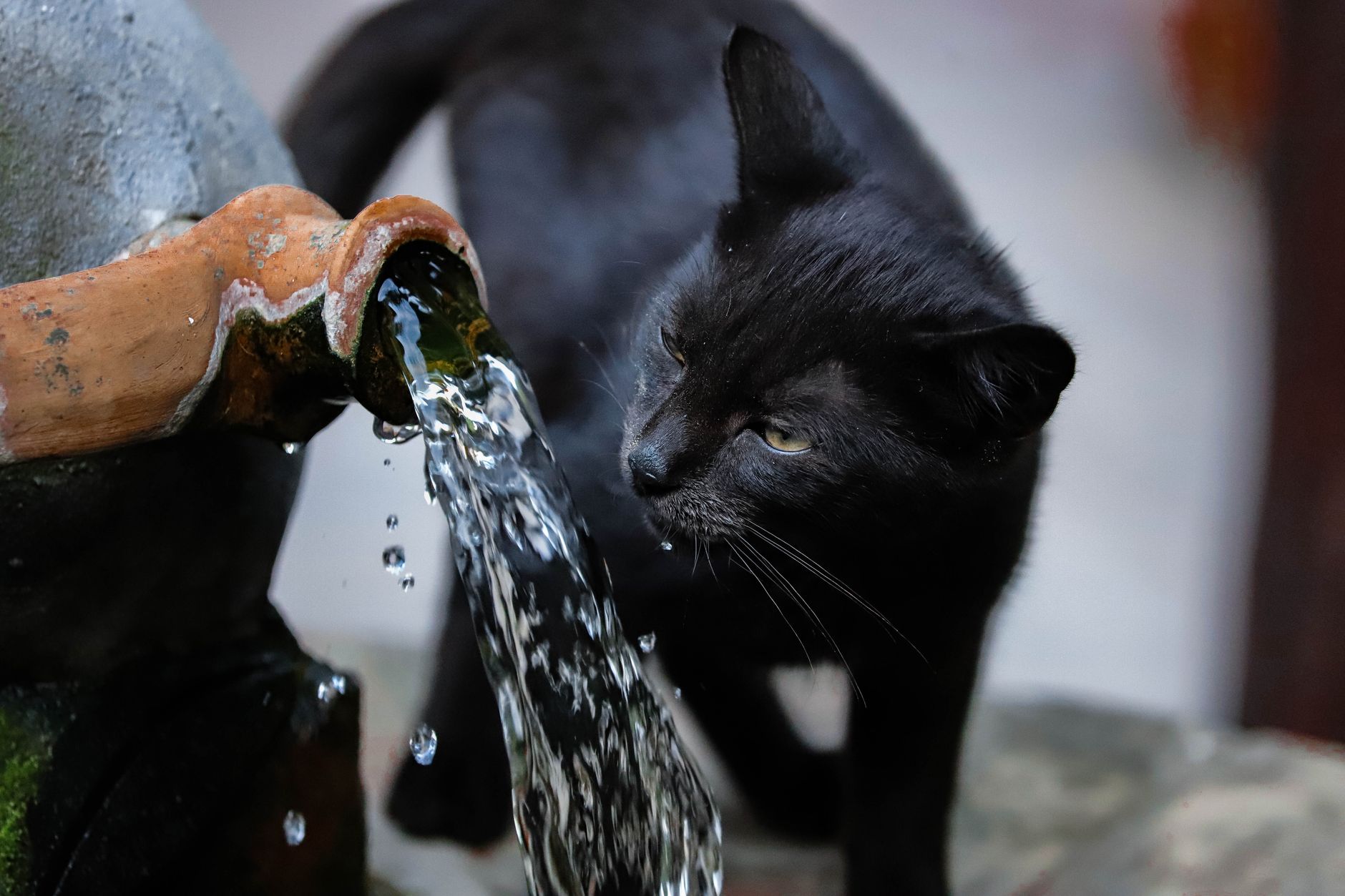
What is the Nontoxic Cat Water Fountain?
A nontoxic cat water fountain is a pet hydration device designed to provide cats with a continuous supply of fresh, filtered water while being made from materials that are safe and free from harmful chemicals, ensuring the well-being of your feline companion. These fountains encourage increased water intake in cats, crucial for their health, while avoiding potential exposure to toxins.

The Importance of Hydration for Cats
Cats, by nature, don’t always have a strong drive to drink water. This can lead to chronic dehydration, potentially causing or exacerbating health issues like kidney disease and urinary tract infections. A nontoxic cat water fountain addresses this problem by offering several advantages over a traditional water bowl:
- Freshness: Running water is naturally more appealing to cats than stagnant water.
- Filtration: Fountains often include filters that remove debris, hair, and unpleasant tastes or odors.
- Material Safety: Nontoxic materials eliminate the risk of chemical leaching into the water.
Understanding Nontoxic Materials

The key difference between a regular cat water fountain and a nontoxic cat water fountain lies in the materials used. Commonly, standard fountains might contain plastics that leach BPA (Bisphenol A) or other potentially harmful chemicals into the water, especially when exposed to temperature fluctuations. Nontoxic alternatives prioritize materials such as:
- Ceramic: Known for its durability, ease of cleaning, and inert nature.
- Stainless Steel: Highly resistant to bacteria and won’t leach chemicals.
- BPA-Free Plastic: While plastic isn’t always ideal, BPA-free options are a safer alternative to standard plastics.
It is crucial to verify the material composition of any fountain before purchasing to ensure it aligns with nontoxic standards.
Benefits of Switching to a Nontoxic Cat Water Fountain
Investing in a nontoxic cat water fountain offers a range of benefits for both you and your feline friend:
- Improved Hydration: Encourages cats to drink more, promoting better kidney and urinary tract health.
- Enhanced Water Quality: Filtration removes impurities, providing cleaner and fresher-tasting water.
- Peace of Mind: Eliminates the worry of harmful chemicals leaching into your cat’s water.
- Reduced Odor: Filtration helps minimize unpleasant smells associated with stagnant water.
- Long-Term Health Investment: Contributes to your cat’s overall health and longevity.
Choosing the Right Nontoxic Cat Water Fountain
Selecting the best nontoxic cat water fountain for your cat involves considering several factors:
- Material: Prioritize ceramic or stainless steel options. If plastic is used, ensure it’s BPA-free.
- Capacity: Choose a size appropriate for your cat’s water needs and the number of cats in your household.
- Filter Type: Consider the type of filter used and its effectiveness in removing impurities.
- Flow Style: Some cats prefer a gentle stream, while others prefer a bubbling fountain. Observe your cat’s preferences.
- Ease of Cleaning: Opt for a fountain that is easy to disassemble and clean thoroughly.
- Noise Level: Some fountains can be noisy. Look for models designed for quiet operation.
The following table provides a simple comparison of common materials:
| Material | Pros | Cons |
|---|---|---|
| Ceramic | Durable, easy to clean, inert, aesthetically pleasing. | Can be more expensive, may be heavier and more fragile than others. |
| Stainless Steel | Bacteria-resistant, won’t leach chemicals, durable. | Can be more expensive, may show water spots. |
| BPA-Free Plastic | More affordable than ceramic or stainless steel, lightweight. | Still potentially susceptible to bacteria buildup, needs frequent cleaning. |
Common Mistakes to Avoid
When selecting and using a nontoxic cat water fountain, avoid these common pitfalls:
- Ignoring Material Safety: Failing to verify the materials used in the fountain’s construction.
- Infrequent Cleaning: Neglecting to clean the fountain regularly, leading to bacteria buildup.
- Using Tap Water: Filling the fountain with unfiltered tap water, which may contain impurities.
- Not Replacing Filters: Failing to replace the filter as recommended by the manufacturer, reducing its effectiveness.
- Placement Issues: Placing the fountain in a noisy or high-traffic area, deterring your cat from using it.
Setting Up and Maintaining Your Nontoxic Cat Water Fountain
Proper setup and maintenance are crucial to maximizing the benefits of your nontoxic cat water fountain:
- Initial Cleaning: Thoroughly clean the fountain before its first use, following the manufacturer’s instructions.
- Filter Installation: Install the filter correctly, ensuring it’s securely in place.
- Water Filling: Fill the fountain with filtered water to the appropriate level.
- Placement: Place the fountain in a quiet, easily accessible location.
- Regular Cleaning: Clean the fountain at least once a week, disassembling and washing all components.
- Filter Replacement: Replace the filter according to the manufacturer’s recommendations (typically every 2-4 weeks).
- Pump Maintenance: Periodically clean the pump to remove debris and ensure optimal performance.
Transitioning Your Cat to a Fountain
Some cats readily adapt to using a fountain, while others may require a gradual introduction. Try these tips:
- Placement: Place the fountain near your cat’s existing water bowl initially.
- Operation: Allow the fountain to run so your cat can explore the moving water.
- Gradual Introduction: Gradually move the fountain to its desired location.
- Positive Reinforcement: Reward your cat with treats or praise when they use the fountain.
- Patience: Some cats may take time to adjust. Be patient and persistent.
Frequently Asked Questions (FAQs)
Is a nontoxic cat water fountain really necessary?
Yes, a nontoxic cat water fountain is a worthwhile investment. While a regular water bowl can provide hydration, the materials used in standard fountains can leach harmful chemicals. Nontoxic options ensure your cat is drinking safe and clean water, which is especially important for their long-term health.
How often should I clean my nontoxic cat water fountain?
It’s recommended to clean your nontoxic cat water fountain at least once a week, but ideally twice. Regular cleaning prevents bacteria buildup and ensures optimal water quality. Disassemble all parts and wash them thoroughly with soap and water.
What kind of water should I use in my nontoxic cat water fountain?
Always use filtered water in your nontoxic cat water fountain. Tap water can contain chlorine, minerals, and other impurities that may not be appealing to your cat or could potentially cause health issues. Filtered water provides a cleaner and fresher taste.
How often should I replace the filter in my nontoxic cat water fountain?
The filter replacement frequency depends on the manufacturer’s recommendations, but generally, you should replace it every 2-4 weeks. Regular filter replacement ensures the fountain effectively removes impurities and odors.
Can my cat get too much water from a nontoxic cat water fountain?
While overhydration is possible, it’s rare. A nontoxic cat water fountain simply provides readily available fresh water, encouraging natural drinking habits. If you’re concerned about your cat’s water intake, consult with your veterinarian.
My cat is scared of the fountain. What should I do?
Start by placing the fountain near your cat’s current water bowl and letting it run without forcing your cat to use it. You can also try using a different flow setting or adding a few treats near the fountain to create positive associations. Patience is key to helping your cat adjust.
Are all stainless steel cat water fountains considered nontoxic?
While stainless steel is generally a safe material, it’s essential to confirm that the entire fountain is made from food-grade stainless steel. Some fountains may have plastic components that could leach chemicals.
What are the signs that my cat is dehydrated?
Signs of dehydration in cats include lethargy, loss of appetite, sunken eyes, and dry gums. You can also gently pinch the skin on the back of your cat’s neck. If it doesn’t spring back quickly, your cat may be dehydrated. Consult your vet immediately if you suspect dehydration.
Where should I place my nontoxic cat water fountain?
Place the fountain in a quiet, easily accessible location, away from noisy appliances or high-traffic areas. Cats prefer to drink in peaceful and secure environments. Avoid placing it near their litter box or food bowl.
Are ceramic cat water fountains safe from lead?
While ceramic is a great nontoxic option, ensure the glaze used is lead-free. Always check the product specifications or contact the manufacturer to verify lead-free certification.
My cat prefers drinking from the faucet. Will a nontoxic cat water fountain help?
Yes! The running water in a nontoxic cat water fountain mimics the appeal of a faucet, making it more attractive to cats who prefer running water. The filtration also ensures the water is clean and fresh.
How much does a nontoxic cat water fountain typically cost?
The cost varies depending on the material, size, and features, but you can expect to pay anywhere from $30 to $100 or more for a nontoxic cat water fountain. Investing in a higher-quality fountain made from durable materials like ceramic or stainless steel can be a worthwhile investment in your cat’s health.