
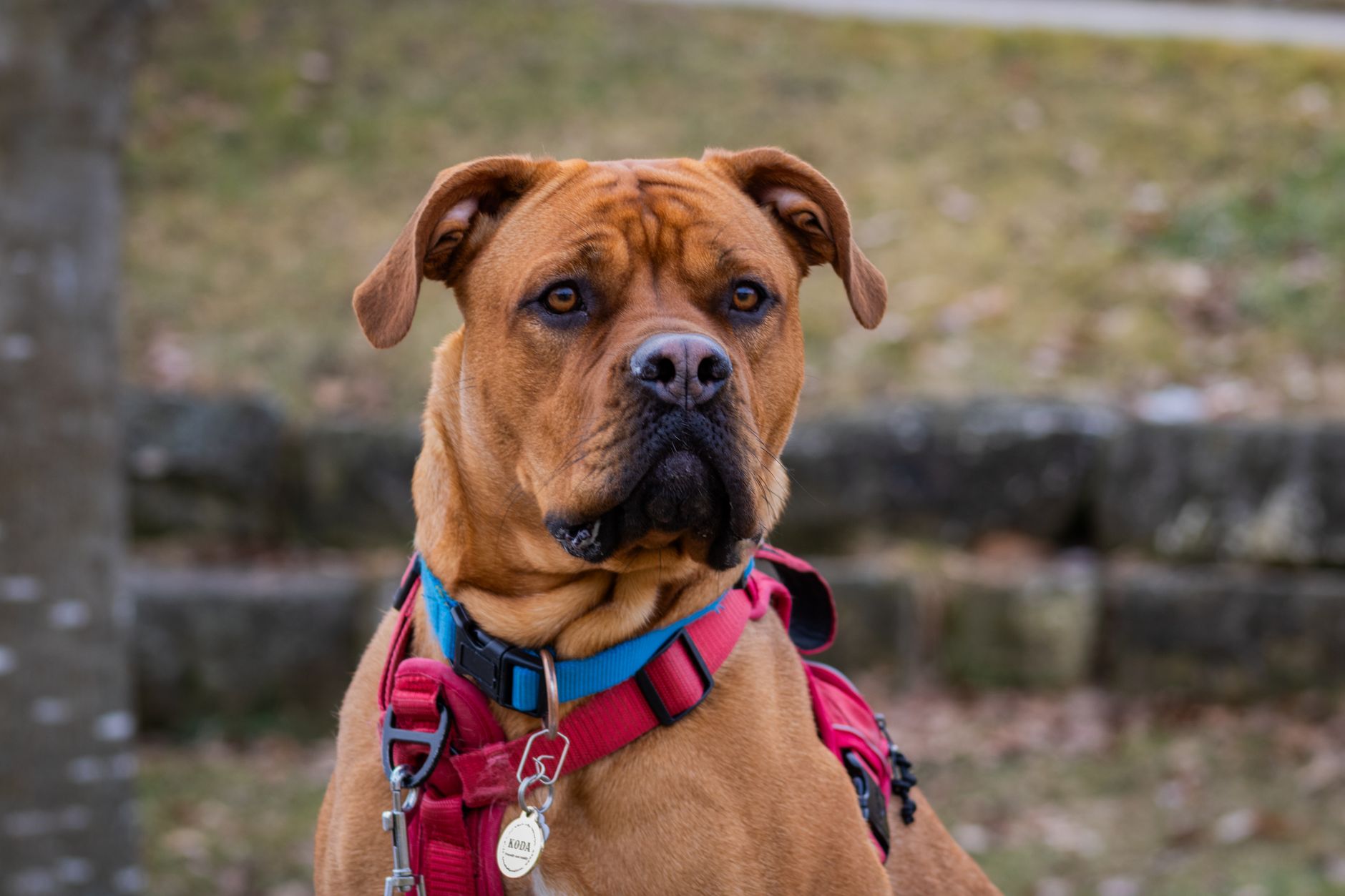
What is the Most Serious Dog?
The question of what is the most serious dog? is often misinterpreted; seriousness in a dog isn’t about aggression or unhappiness, but about unwavering focus, responsibility, and a deep-seated instinct to work. Therefore, the most serious dog is not a single breed, but often encompasses working breeds like the German Shepherd, Belgian Malinois, and Rottweiler, known for their intelligence, trainability, and commitment to their tasks.

Understanding Dog Seriousness
Defining “seriousness” in a dog requires moving beyond simple emotions. It’s about inherent traits that make a dog exceptionally suited for demanding roles. These traits manifest in:
- High Trainability: A willingness to learn and obey commands consistently.
- Alertness & Vigilance: A constant awareness of their surroundings and a readiness to respond.
- Strong Work Ethic: An inherent drive to perform tasks and fulfill their purpose.
- Protective Instincts: A natural tendency to safeguard their pack (family) and territory.
- Focused Attention: The ability to concentrate intently on a specific task, ignoring distractions.
This seriousness, therefore, isn’t a negative attribute; it’s a vital component of a working dog’s capabilities.
Key Breeds Exhibiting Seriousness
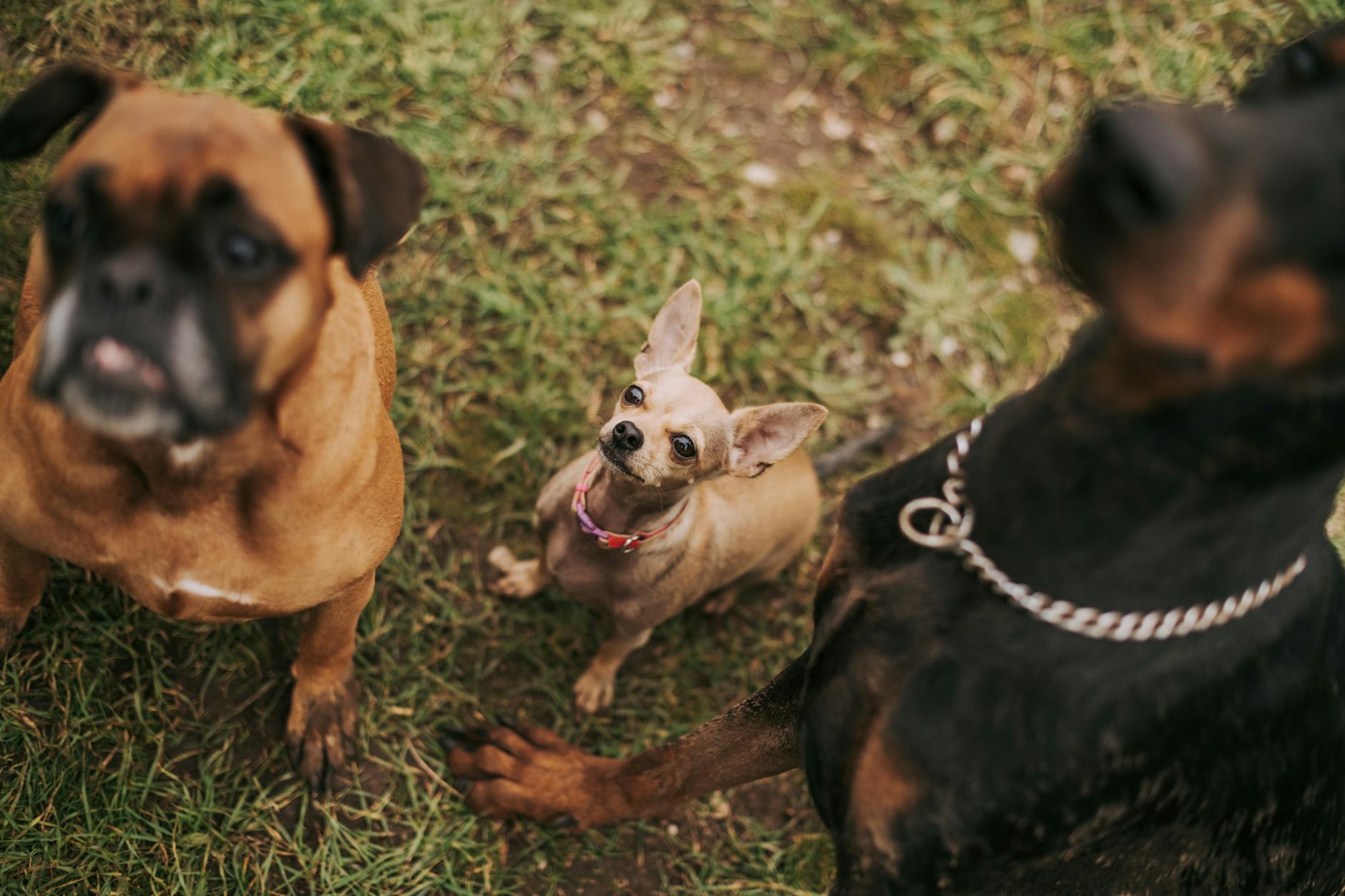
Several breeds consistently demonstrate the traits associated with “seriousness,” making them highly sought-after for specific roles. These include:
- German Shepherd: Renowned for their intelligence, loyalty, and versatility, German Shepherds excel as police dogs, search and rescue dogs, and guard dogs. Their adaptability makes them exceptional learners and dedicated workers.
- Belgian Malinois: Highly energetic and intelligent, Belgian Malinois are favored by military and law enforcement agencies for their exceptional drive and athleticism. They possess an intense focus and are incredibly trainable.
- Rottweiler: Historically bred for herding and guarding livestock, Rottweilers are powerful and protective dogs. Their confidence and unwavering loyalty make them excellent guardians.
- Doberman Pinscher: Intelligent, alert, and fearless, Dobermans are known for their protective instincts and trainability. They were originally bred as guard dogs and continue to excel in this role.
- Border Collie: While often associated with herding, Border Collies possess an exceptional level of intelligence and a strong work ethic. Their focus and trainability make them capable of mastering complex tasks.
It is important to note that individual temperament can vary within each breed.
The Role of Training and Socialization
While genetics play a significant role in determining a dog’s inherent traits, training and socialization are crucial for shaping their behavior. A dog with the potential for seriousness can become a liability if not properly trained and socialized.
- Early Socialization: Exposing puppies to a variety of people, places, and situations helps them develop into well-adjusted adults.
- Consistent Training: Establishing clear boundaries and providing consistent training reinforces desired behaviors and prevents the development of unwanted habits.
- Positive Reinforcement: Rewarding good behavior encourages the dog to repeat those actions.
- Mental Stimulation: Providing adequate mental stimulation, such as puzzle toys or training exercises, helps prevent boredom and reduces the likelihood of destructive behaviors.
Therefore, understanding what is the most serious dog? requires understanding the vital importance of shaping natural abilities through professional handling.
The Consequences of Misunderstanding Seriousness
Misinterpreting a dog’s seriousness can lead to negative consequences. When a dog’s protective instincts are not properly managed, they can result in aggression or anxiety. It is essential to:
- Recognize and respect a dog’s natural instincts.
- Provide appropriate outlets for their energy and drive.
- Seek professional help from a qualified dog trainer or behaviorist if needed.
Failing to address these needs can lead to behavioral problems that are difficult to correct.
Benefits of Working with a Serious Dog
When properly trained and managed, serious dogs offer immense benefits:
- Unwavering Loyalty: A deep bond and unwavering dedication to their owners.
- Exceptional Protection: A natural guardian and deterrent to potential threats.
- Reliable Assistance: Capable of performing a wide range of tasks to assist individuals with disabilities or special needs.
- Enhanced Security: Providing peace of mind and a sense of security.
Therefore, what is the most serious dog? could perhaps be better phrased as “what dog, when properly trained, provides the most serious benefits to its owner and community?“
Common Mistakes When Dealing with Serious Dogs
Owners can inadvertently make mistakes that exacerbate the challenges of owning a serious dog:
- Insufficient Training: Failing to provide adequate training and socialization.
- Inconsistent Rules: Confusing the dog with inconsistent commands and expectations.
- Lack of Mental Stimulation: Not providing enough mental challenges, leading to boredom and frustration.
- Ignoring Warning Signs: Failing to recognize and address early signs of behavioral problems.
- Inadequate Exercise: Insufficient physical exercise can lead to pent-up energy and destructive behaviors.
Addressing these issues early on can prevent major problems.

FAQs: Deeper Insights into Dog Seriousness
What is the single most important factor in determining a dog’s “seriousness”?
The most important factor is a combination of genetics and early socialization. While certain breeds are predisposed to seriousness, proper socialization from a young age is crucial to shaping their behavior and ensuring they can interact appropriately with the world around them.
Is “seriousness” the same as “aggression” in dogs?
No, seriousness and aggression are not the same. Seriousness is about focus, trainability, and a strong work ethic, while aggression involves an intent to harm. A serious dog can be highly protective without being aggressive.
Are smaller dog breeds ever considered “serious”?
While less common, some smaller breeds can exhibit serious traits. For example, certain terriers may possess a strong prey drive and protective instincts, making them dedicated hunters or alert watchdogs.
How much exercise does a serious dog breed typically require?
Serious dog breeds generally require significant amounts of exercise, both physical and mental. This can include long walks, runs, training sessions, and interactive games.
Can a serious dog breed be a good family pet?
Yes, a serious dog breed can be a good family pet, but it requires responsible ownership. Early socialization, consistent training, and providing adequate exercise and mental stimulation are crucial for success.
What are some signs that a dog is too serious?
Signs that a dog may be too serious include excessive guarding behavior, aggression towards strangers, or extreme anxiety when separated from their owner.
How early should socialization begin for a serious dog breed?
Socialization should begin as early as possible, ideally between 3 and 16 weeks of age. This critical period allows puppies to develop positive associations with various people, places, and situations.
What are the best training methods for serious dog breeds?
Positive reinforcement training methods, such as rewarding desired behaviors with treats or praise, are highly effective for serious dog breeds. Consistency and clear communication are essential.
Can a serious dog be rehomed successfully?
Yes, a serious dog can be rehomed successfully, but it requires careful consideration and a knowledgeable owner. It’s important to assess the dog’s temperament and training level and to match them with an owner who can meet their needs.
What are some common misconceptions about serious dog breeds?
Common misconceptions include the belief that they are inherently aggressive, difficult to train, or unsuitable for families. In reality, serious dog breeds can be loving and loyal companions with the right training and socialization.
What role does genetics play in a dog’s “seriousness”?
Genetics play a significant role, as certain breeds are selectively bred for traits like intelligence, trainability, and protective instincts. However, environmental factors also play a crucial role in shaping a dog’s behavior.
Are there any breed-specific health concerns that owners of serious dogs should be aware of?
Yes, many serious dog breeds are prone to certain health problems. For example, German Shepherds are susceptible to hip and elbow dysplasia, while Rottweilers are at risk for bloat and certain cancers. Regular veterinary checkups are essential.