

What is the Most Low-Maintenance Pet for a Child?
The most low-maintenance pet for a child is often a guinea pig, offering a good balance of interaction and manageability. Their care involves daily feeding and spot cleaning and weekly full cage cleans, making them a relatively easy pet compared to cats or dogs.
Introduction: Finding the Perfect First Pet
Choosing the most low-maintenance pet for a child is a crucial decision for parents. It involves carefully weighing the child’s age, maturity level, and available time, alongside the family’s lifestyle and commitment. A well-chosen pet can teach responsibility and offer companionship, but an unsuitable choice can lead to neglected animal welfare and frustrated family members. The goal is to find a pet that enhances the child’s life without overwhelming them or the parents.
Benefits of Pet Ownership for Children

Pet ownership offers numerous benefits for children, fostering emotional, social, and even physical development.
- Responsibility: Caring for a pet teaches children responsibility as they learn to feed, clean, and care for another living being.
- Empathy: Interacting with a pet helps children develop empathy as they learn to understand and respond to the animal’s needs and emotions.
- Emotional Support: Pets can provide unconditional love and companionship, reducing stress and anxiety in children.
- Social Skills: Caring for a pet can help children learn to interact with others, especially when discussing their pets with peers or family members.
- Physical Activity: Some pets, like dogs, encourage increased physical activity through walks and playtime.
Defining “Low-Maintenance”
The term “low-maintenance” is subjective and depends on individual circumstances. However, several factors consistently contribute to a pet being considered easier to care for:
- Feeding Requirements: Simple and infrequent feeding schedules.
- Grooming Needs: Minimal grooming requirements like brushing or bathing.
- Exercise Needs: Low exercise requirements.
- Habitat Maintenance: Easily maintained and cleaned living spaces.
- Socialization Needs: Less intensive socialization requirements.
- Health Considerations: Robust health and less susceptibility to illness.
Top Contenders for Low-Maintenance Pets
While individual needs vary, some pets consistently rank highly regarding minimal upkeep:
- Guinea Pigs: Require daily feeding and cage cleaning but are generally easy to handle.
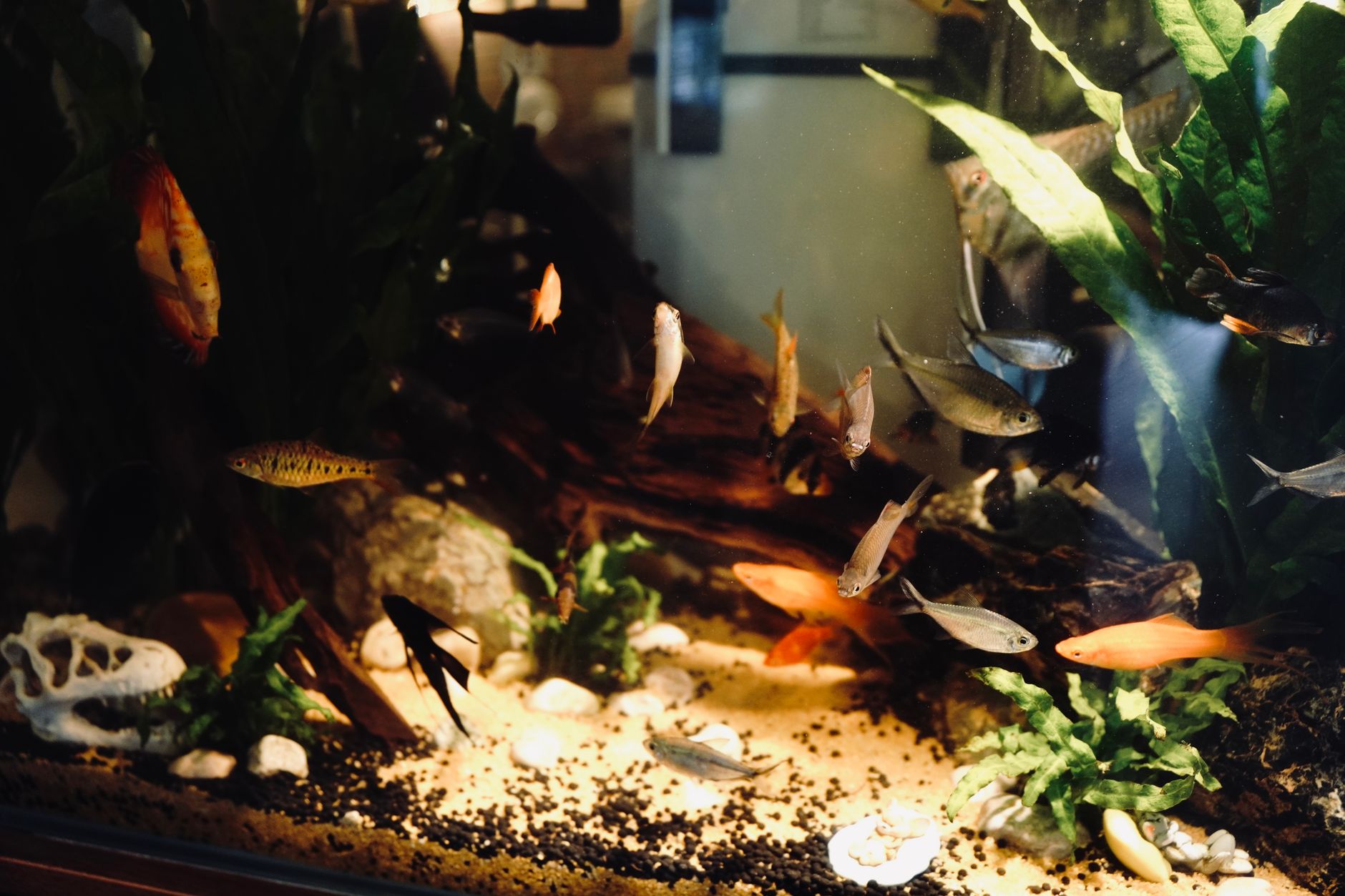
- Fish (Betta or Goldfish): Need regular tank cleaning and feeding, but their needs are otherwise minimal.
- Hamsters: Nocturnal creatures that require cage cleaning and feeding, with relatively low interaction needs.
- Leopard Geckos: Require feeding insects and a temperature-controlled environment.
- Rats: Intelligent and social, requiring more interaction and enrichment than some other small animals but are still relatively low maintenance compared to larger pets.
Factors to Consider Before Choosing
Before settling on what is the most low-maintenance pet for a child?, several factors should be taken into account:
- Child’s Age and Maturity: Very young children may not be able to consistently handle the responsibilities of pet ownership.
- Allergies: Check for potential allergies to fur, dander, or saliva.
- Household Environment: Consider the size of your home and the potential impact of a pet on the environment.
- Time Commitment: Honestly assess the amount of time your family can dedicate to pet care.
- Financial Resources: Factor in the costs of food, vet care, and supplies.
- Pet’s Lifespan: Consider the pet’s lifespan and the long-term commitment involved.
Table: Comparing Low-Maintenance Pet Options
| Pet | Daily Tasks | Weekly/Monthly Tasks | Interaction Needs | Exercise Needs | Cost | Lifespan |
|---|---|---|---|---|---|---|
| Guinea Pig | Feeding, spot cleaning | Full cage clean | Moderate | Low | Moderate | 5-7 years |
| Betta Fish | Feeding | Water change | Low | Low | Low | 2-5 years |
| Hamster | Feeding, water change | Cage cleaning | Low | Moderate | Low | 2-3 years |
| Leopard Gecko | Feeding insects, water change | Enclosure cleaning | Low | Low | Moderate | 10-20 years |
| Rat | Feeding, water change, interaction | Cage cleaning, toy rotation | High | Moderate | Moderate | 2-3 years |
Common Mistakes When Choosing a Pet
Avoiding these common mistakes can ensure a successful pet ownership experience:
- Choosing a pet based on appearance alone: Focus on temperament and needs rather than aesthetics.
- Underestimating the time commitment: Be realistic about the amount of time required for pet care.
- Neglecting allergy testing: Always test for allergies before bringing a pet home.
- Failing to research the pet’s specific needs: Learn about the pet’s diet, environment, and health requirements.
- Ignoring the child’s ability to handle responsibility: Ensure the child is ready and capable of caring for the pet.
Preparing for Your New Pet
Proper preparation can ease the transition for both the pet and your family:
- Research: Learn as much as possible about the chosen pet’s specific needs.
- Prepare the Habitat: Set up the pet’s living space before bringing it home.
- Gather Supplies: Purchase food, bedding, toys, and other essential supplies.
- Establish a Routine: Create a schedule for feeding, cleaning, and interaction.
- Discuss Responsibilities: Clearly assign tasks and responsibilities to family members.

Frequently Asked Questions (FAQs)
What is the actual best pet overall for a child?
While guinea pigs are often cited as the most low-maintenance pet for a child, the “best” pet truly depends on the child’s age, responsibility level, and the family’s lifestyle. Fish can be a good starting point for very young children, but guinea pigs or rats offer more interaction for older, more responsible children.
How much does a guinea pig actually cost to maintain each month?
The monthly cost of maintaining a guinea pig can range from $20 to $50, depending on factors like food quality, bedding choices, and vet visits. This cost covers hay, pellets, fresh vegetables, bedding, and occasional treats. Unexpected vet visits can increase the monthly cost.
Are hamsters really that low-maintenance?
Hamsters are often considered relatively low-maintenance because they primarily require feeding and cage cleaning. However, some hamsters are nocturnal, which means they may not be very interactive during the day. Their solitary nature also means they don’t require the social interaction that other pets need.
Is a leopard gecko a good option for a child afraid of furry animals?
Leopard geckos can be a good option for children who are afraid of furry animals or have allergies. They are relatively docile and require minimal handling. However, they do need a specialized environment, including temperature and humidity control.
What are the signs of a healthy guinea pig?
A healthy guinea pig should be active, alert, and have a good appetite. Their fur should be clean and glossy, and their eyes and nose should be clear of discharge. Regularly checking for these signs can help detect health problems early.
How often should a guinea pig’s cage be cleaned?
Guinea pig cages should be spot cleaned daily to remove droppings and soiled bedding. A full cage clean, including replacing all bedding, should be done at least once a week. Maintaining a clean cage is essential for the guinea pig’s health.
What are some safe and fun toys for guinea pigs?
Safe and fun toys for guinea pigs include cardboard boxes, tunnels, chew toys made of wood or hay, and small balls. Avoid toys with small parts that could be ingested. Enrichment is important for a guinea pig’s mental and physical well-being.
Can I leave a guinea pig alone for a long weekend?
While guinea pigs can be left alone for a short weekend with plenty of food and water, it is not recommended to leave them unattended for longer periods. Ideally, have a friend or family member check on them daily to ensure they have fresh food and water and are healthy.
What kind of bedding is best for guinea pigs?
Safe and absorbent bedding options for guinea pigs include fleece liners, paper-based bedding, and kiln-dried pine shavings. Avoid cedar shavings, as they can be toxic. Proper bedding is essential for absorbing waste and providing a comfortable environment.
Are there any breeds of guinea pigs that are easier to care for than others?
There are no specific breeds of guinea pigs that are significantly easier to care for than others. However, long-haired breeds may require more grooming to prevent matting. The key is to provide proper care regardless of the breed.
What are the most common health problems in guinea pigs?
Common health problems in guinea pigs include respiratory infections, skin mites, dental issues, and scurvy (vitamin C deficiency). Providing a clean environment, a balanced diet, and regular vet check-ups can help prevent these issues. Early detection is crucial for successful treatment.
How can I teach my child to be responsible for their new pet?
Start by assigning small, age-appropriate tasks, such as filling the food bowl or providing fresh water. Gradually increase the responsibilities as the child demonstrates their ability to handle them. Positive reinforcement and praise can help motivate children to take ownership of their pet’s care.