
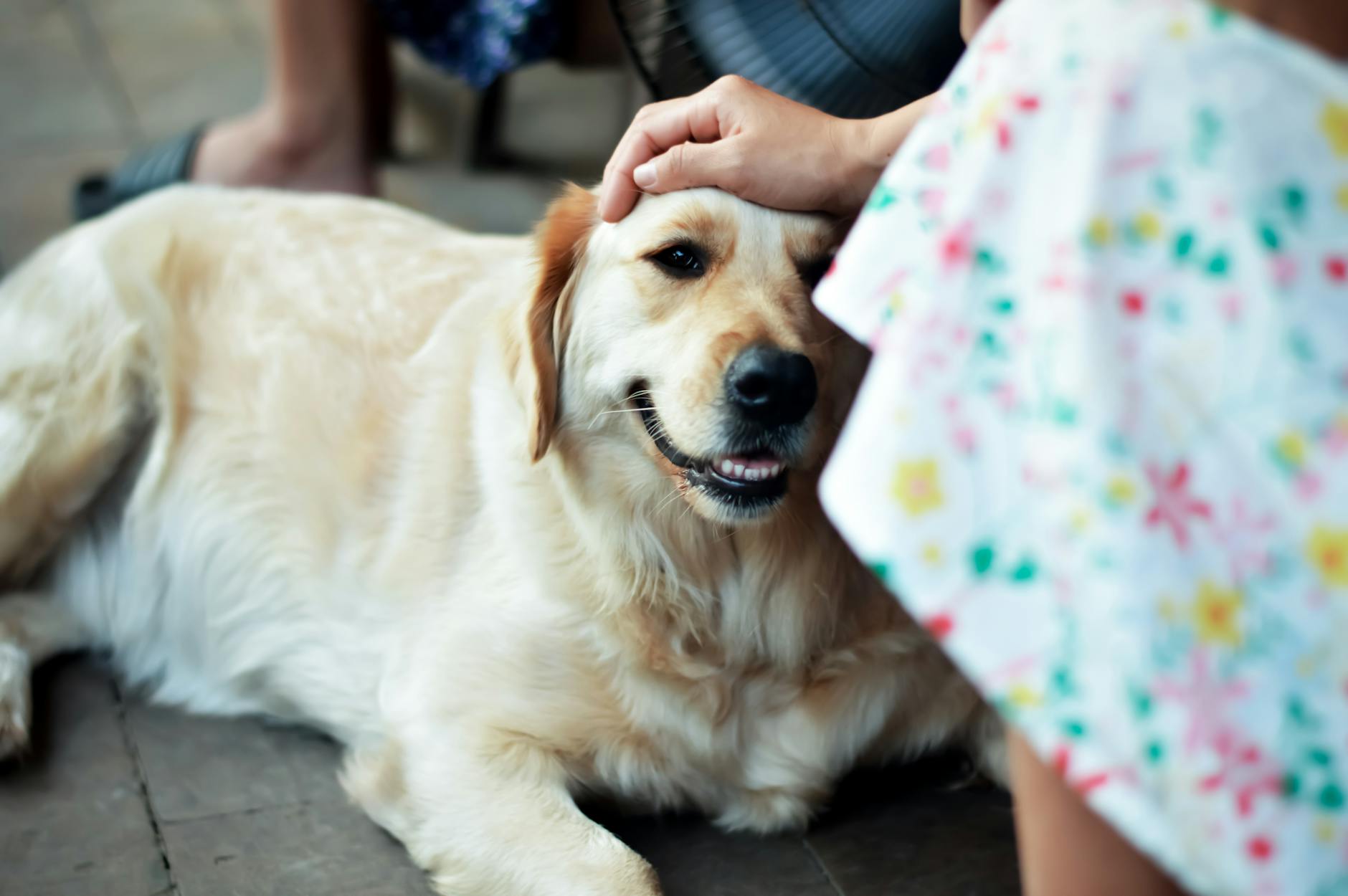
What is the Most Human Friendly Dog?
The Labrador Retriever is widely considered the most human friendly dog, celebrated for its gentle nature, high trainability, and unwavering loyalty, making it an ideal companion for families and individuals alike. This breed exemplifies the qualities that define a dog truly adapted to human companionship.

Defining “Human Friendly” in Canine Terms
The concept of a “human friendly” dog encompasses more than just a wagging tail and a playful demeanor. It delves into a dog’s temperament, trainability, and overall compatibility with human lifestyles. Determining what is the most human friendly dog? requires careful consideration of these factors. We must examine breeds that consistently exhibit traits that make them easy to live with, safe around children, and eager to please their owners.
Key Traits of a Human-Friendly Dog Breed

Several essential characteristics contribute to a dog’s “human friendliness”:
- Gentle Temperament: This is paramount. A human-friendly dog should be patient, tolerant, and unlikely to display aggression.
- High Trainability: An intelligent and eager-to-please dog is easier to train, leading to better behavior and a stronger bond with its owner.
- Sociability: A human-friendly dog should be comfortable around strangers, children, and other animals. Early socialization is crucial for developing this trait.
- Adaptability: The ability to adapt to different living situations, from apartments to large houses, is a significant advantage.
- Loyalty and Affection: A deep-seated desire to be near its human and express affection is a hallmark of a truly human-friendly breed.
Labrador Retriever: A Strong Contender
The Labrador Retriever consistently tops lists of the most popular and human-friendly dog breeds, and for good reason. Their gentle nature, intelligence, and unwavering loyalty make them ideal companions for families, individuals, and even therapy settings. They are renowned for their patience with children and their eagerness to please their owners.
Other Human-Friendly Dog Breeds
While the Labrador Retriever stands out, several other breeds also possess qualities that make them excellent human companions:
- Golden Retriever: Similar to Labradors, Golden Retrievers are known for their gentle temperament, intelligence, and love of people.
- Beagle: Beagles are friendly, curious, and relatively easy to care for, making them a good choice for families with children.
- French Bulldog: These small, affectionate dogs are adaptable and require relatively little exercise, making them suitable for apartment living.
- Poodle: Poodles (Standard, Miniature, and Toy) are highly intelligent and hypoallergenic, making them a good choice for people with allergies.
Factors Influencing a Dog’s “Friendliness”
It’s important to remember that breed is not the only determinant of a dog’s friendliness. A dog’s upbringing, training, and socialization all play a significant role. Even within the same breed, individual dogs can have vastly different personalities.
- Early Socialization: Exposing puppies to a variety of people, places, and sounds is crucial for developing well-adjusted, human-friendly dogs.
- Consistent Training: Positive reinforcement training methods help establish clear boundaries and strengthen the bond between dog and owner.
- Responsible Ownership: Providing adequate exercise, mental stimulation, and affection is essential for a dog’s well-being and contributes to its overall temperament.
Comparing Popular Human-Friendly Breeds
| Breed | Temperament | Trainability | Energy Level | Grooming Needs | Adaptability |
|---|---|---|---|---|---|
| Labrador Retriever | Gentle, friendly | High | High | Low | High |
| Golden Retriever | Gentle, playful | High | Moderate | Moderate | High |
| Beagle | Friendly, curious | Moderate | High | Low | Moderate |
| French Bulldog | Affectionate, playful | Moderate | Low | Low | High |
| Poodle | Intelligent, alert | High | Moderate | High | High |
Choosing the Right Dog for You
Ultimately, the most human friendly dog is the one that best fits your lifestyle and personality. Consider your activity level, living situation, and experience with dogs when making your decision. Research different breeds, meet individual dogs before adopting, and be prepared to invest time and effort into training and socialization. What is the most human friendly dog? For many, the answer lies in finding a companion whose needs match their own.

Benefits of Owning a Human-Friendly Dog
The benefits of owning a dog generally are well known, but a truly human-friendly dog amplifies these advantages:
- Companionship: A loyal and affectionate dog provides unconditional love and reduces feelings of loneliness.
- Increased Physical Activity: Dog owners tend to be more active than non-dog owners.
- Improved Mental Health: Studies have shown that interacting with dogs can lower stress levels and improve mood.
- Enhanced Social Life: Dogs can be great conversation starters and help you meet new people.
- Family Fun: Friendly dogs are wonderful additions to families, providing endless entertainment and companionship for children.
What makes the Labrador Retriever so human-friendly?
Labrador Retrievers possess a unique combination of traits, including a gentle temperament, high intelligence, and unwavering loyalty. They are naturally inclined to please their owners and are typically very patient with children, making them exceptional family pets. Their trainability also contributes significantly to their well-behaved and human-friendly nature.
Are there any drawbacks to owning a “human friendly” breed?
While generally positive, owning a highly human-friendly breed can present challenges. These dogs often require a lot of attention and can suffer from separation anxiety if left alone for extended periods. Their high energy levels may also necessitate significant exercise to prevent behavioral issues.
Is it possible to turn a less friendly dog into a human-friendly one?
With consistent training, proper socialization, and positive reinforcement, it’s often possible to improve a dog’s behavior and make it more human-friendly. However, genetics and early experiences can play a significant role, and some dogs may be inherently less social or tolerant than others.
How does socialization affect a dog’s human-friendliness?
Early socialization is crucial for developing a well-adjusted, human-friendly dog. Exposing puppies to a variety of people, places, and sounds during their critical socialization period (typically up to 16 weeks of age) helps them become comfortable and confident in different situations.
What are some signs of a dog that is not human-friendly?
Signs of a dog that may not be human-friendly include excessive aggression, fearfulness, guarding behavior, and a reluctance to interact with people. These behaviors can be indicative of underlying issues, such as anxiety or a lack of socialization.
Do smaller dog breeds tend to be less human-friendly than larger breeds?
Size is not necessarily a determinant of human-friendliness. While some small breeds may be more prone to nipping or being territorial, many small breeds are exceptionally affectionate and enjoy human interaction. Conversely, some large breeds may be less tolerant or more prone to aggression if not properly trained and socialized.
What role does training play in shaping a dog’s human-friendliness?
Training is essential for developing a well-behaved and human-friendly dog. Positive reinforcement methods, such as rewarding good behavior with treats or praise, can help establish clear boundaries and strengthen the bond between dog and owner. Consistent training also helps the dog learn to respond to commands and control its impulses.
Are rescue dogs as likely to be human-friendly as dogs raised from puppies?
Rescue dogs can be just as human-friendly as dogs raised from puppies, but their history may be unknown, and they may require extra patience and understanding. Many rescue organizations carefully assess the temperament of their dogs and provide them with necessary training and socialization.
How important is it to consider the dog’s age when choosing a human-friendly companion?
A dog’s age can significantly impact its personality and adaptability. Puppies require a lot of time and effort for training and socialization, while adult dogs may already have established habits and preferences. Senior dogs may be less active but can still provide companionship and affection.
Is a particular breed always a guarantee of human friendliness?
While certain breeds are known for their human-friendly traits, individual personalities can vary significantly within a breed. Factors such as genetics, early experiences, training, and socialization all play a role in shaping a dog’s temperament. There’s no absolute guarantee.
Are there breeds that are generally considered not human-friendly?
Some breeds are known to have a higher propensity for aggression or guarding behavior, but this doesn’t necessarily mean they are inherently not human-friendly. With proper training and socialization, even breeds with a reputation for being less friendly can become wonderful companions. However, these breeds often require experienced owners who understand their specific needs.
What kind of living environment suits a human-friendly dog best?
A human-friendly dog thrives in an environment where it receives plenty of attention, exercise, and mental stimulation. While some breeds are more adaptable than others, all dogs benefit from having a safe, comfortable space where they can relax and feel secure. Regular interaction with their human family is essential for their well-being.