

What is the Most Endangered Lizard? A Fight for Survival
The most endangered lizard is likely the Antiguan racer (Alsophis antiguae), having once dwindled to a population of just fewer than 100 individuals, making it a stark example of how close a species can come to complete extinction.
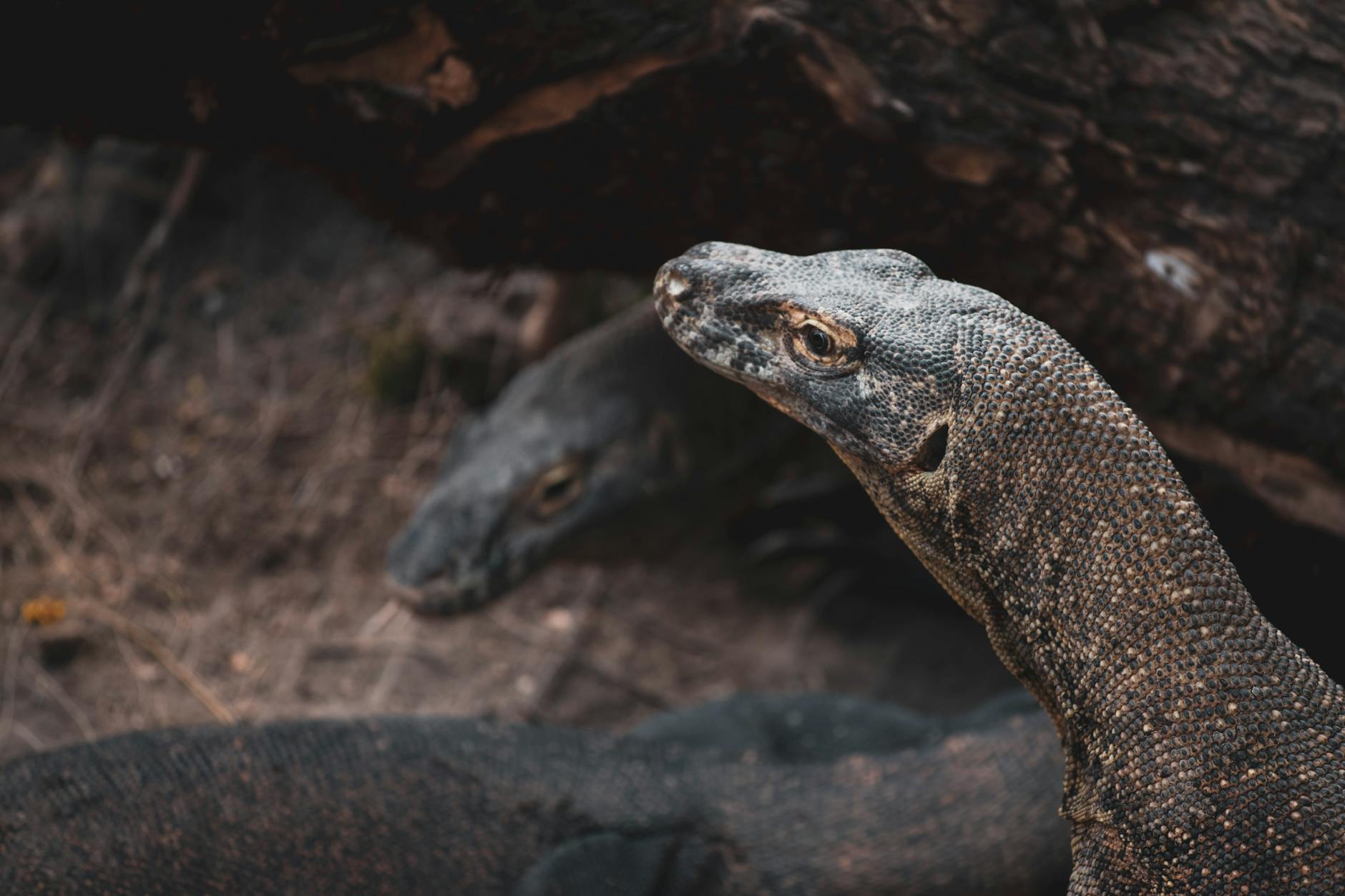
Introduction: A World in Crisis
The world’s biodiversity is under immense pressure. Habitat loss, climate change, invasive species, and pollution are all contributing to a rapid decline in animal populations across the globe. Lizards, often overlooked in conservation efforts, are particularly vulnerable. Many species are facing unprecedented threats, pushing them closer and closer to the brink of extinction. Understanding the plight of these reptiles and the challenges they face is crucial for implementing effective conservation strategies. This article explores the precarious state of lizards globally, focusing on the current frontrunner for what is the most endangered lizard? and the factors leading to its near-demise.
The Antiguan Racer: A Case Study in Recovery

The Antiguan racer serves as a powerful example of both the fragility of life and the potential for successful conservation. Its story is a testament to the dedication of conservationists and the resilience of nature.
- Near Extinction: By the 1990s, the Antiguan racer was confined to Great Bird Island, a small, 20-acre islet off the coast of Antigua. The introduction of non-native predators, specifically rats and mongoose, had decimated its population.
- Eradication of Invasive Species: A critical step in the recovery process was the complete eradication of rats and mongoose from Great Bird Island. This allowed the lizard population to rebound dramatically.
- Translocation and Expansion: Following the success on Great Bird Island, conservationists began translocating racers to other rat-free islands in the region. This helped to establish new populations and reduce the risk of extinction.
- Ongoing Monitoring and Research: Continuous monitoring and research are essential for tracking the population size, health, and genetic diversity of the Antiguan racer. This information is crucial for adapting conservation strategies as needed.
Global Threats to Lizard Populations
Beyond the specific challenges faced by the Antiguan racer, lizards around the world are facing a range of threats that contribute to their endangerment.
- Habitat Loss and Degradation: Deforestation, urbanization, and agricultural expansion are destroying and fragmenting lizard habitats at an alarming rate.
- Invasive Species: As seen with the Antiguan racer, non-native predators and competitors can have devastating impacts on native lizard populations.
- Climate Change: Rising temperatures, changing rainfall patterns, and increased frequency of extreme weather events are altering lizard habitats and disrupting their life cycles.
- Pollution: Chemical pollutants, such as pesticides and herbicides, can directly poison lizards or disrupt their endocrine systems.
- Pet Trade: The illegal and unsustainable collection of lizards for the pet trade can deplete wild populations, especially for rare and sought-after species.
Conservation Strategies for Endangered Lizards
Effective conservation requires a multifaceted approach that addresses the underlying causes of endangerment and protects lizard populations in their natural habitats.
- Habitat Protection and Restoration: Establishing protected areas, restoring degraded habitats, and promoting sustainable land management practices are crucial for preserving lizard populations.
- Invasive Species Management: Eradicating or controlling invasive species is essential for protecting native lizards from predation and competition.
- Climate Change Mitigation and Adaptation: Reducing greenhouse gas emissions and implementing adaptation measures, such as creating climate refugia, can help lizards cope with the impacts of climate change.
- Pollution Reduction: Reducing the use of harmful chemicals and implementing stricter environmental regulations can minimize the impact of pollution on lizard populations.
- Sustainable Pet Trade: Regulating the pet trade and promoting responsible pet ownership can help prevent the over-collection of lizards from the wild.
- Public Awareness and Education: Raising public awareness about the importance of lizards and the threats they face can inspire action and support for conservation efforts.
Other Highly Endangered Lizard Species
While the Antiguan racer is a compelling example, many other lizard species face severe threats and are considered critically endangered. Some notable examples include:
- Anegada Rock Iguana (Cyclura pinguis): Found only on Anegada in the British Virgin Islands, this iguana is threatened by habitat loss, invasive species, and hunting.
- Round Island Day Gecko (Phelsuma guentheri): Native to Round Island, Mauritius, this gecko is threatened by habitat degradation and invasive species.
- Jamaican Iguana (Cyclura collei): Endemic to Jamaica, this iguana was once thought to be extinct but was rediscovered in the 1990s. It is threatened by habitat loss and invasive species.
- Turks and Caicos Rock Iguana (Cyclura carinata): Found in the Turks and Caicos Islands, this iguana is threatened by habitat loss, invasive species, and hunting.
The Future of Lizard Conservation
The future of lizard conservation depends on our collective efforts to address the threats they face and protect their habitats. By working together, we can ensure that these fascinating reptiles continue to thrive for generations to come. The urgency of determining what is the most endangered lizard? underscores the broader need for species preservation.

Frequently Asked Questions (FAQs)
What makes a lizard species endangered?
A lizard species is considered endangered when its population size has declined drastically, or its habitat has been severely reduced, placing it at a high risk of extinction in the wild. Factors contributing to endangerment include habitat loss, invasive species, climate change, pollution, and unsustainable harvesting for the pet trade.
How is “endangered” defined in conservation terms?
The International Union for Conservation of Nature (IUCN) defines “endangered” as a species facing a very high risk of extinction in the wild in the near future, based on criteria such as population size, rate of decline, geographic range, and habitat quality. This designation helps prioritize conservation efforts.
Besides the Antiguan racer, what other lizards are critically endangered?
Besides the Antiguan racer, other critically endangered lizards include the Anegada Rock Iguana, Jamaican Iguana, Round Island Day Gecko, and Turks and Caicos Rock Iguana. These species face similar threats of habitat loss, invasive species, and human activities.
What role do invasive species play in lizard endangerment?
Invasive species, such as rats, mongoose, and feral cats, can prey on lizards, compete with them for resources, and introduce diseases. This predation and competition can decimate native lizard populations, driving them towards extinction.
How does habitat loss affect lizard populations?
Habitat loss, caused by deforestation, urbanization, and agricultural expansion, removes the places where lizards live, breed, and find food. This fragmentation and destruction of habitats can isolate lizard populations and reduce their genetic diversity, making them more vulnerable.
Can climate change directly impact lizard survival?
Yes, climate change affects lizards through rising temperatures, changing rainfall patterns, and increased frequency of extreme weather events. Lizards are ectothermic (cold-blooded), so their body temperature and activity levels are heavily influenced by the environment.
What conservation efforts are most effective for lizards?
Effective lizard conservation efforts include habitat protection and restoration, invasive species control, captive breeding programs, translocation of lizards to safe areas, and public awareness campaigns to reduce poaching and habitat destruction.
Is it ever possible to bring a lizard species back from near extinction?
Yes, the story of the Antiguan racer shows that recovery from near extinction is possible with dedicated conservation efforts. This success hinges on protecting existing populations, eradicating threats, and restoring habitats.
How does the pet trade contribute to lizard endangerment?
The illegal and unsustainable collection of lizards for the pet trade can deplete wild populations, especially for rare and sought-after species. This over-exploitation can push vulnerable species closer to extinction.
What can the average person do to help protect endangered lizards?
Individuals can help protect endangered lizards by supporting conservation organizations, reducing their carbon footprint, advocating for sustainable land management practices, and avoiding the purchase of illegally traded lizards as pets. Education is also key.
Why are lizards important to ecosystems?
Lizards play important roles in ecosystems as both predators and prey. They help control insect populations, serve as a food source for other animals, and contribute to nutrient cycling. Their presence is an indicator of ecosystem health.
What are the biggest challenges in lizard conservation moving forward?
The biggest challenges in lizard conservation include securing funding for long-term monitoring and management programs, addressing climate change impacts, and mitigating the threats posed by invasive species. Overcoming these challenges requires collaboration, innovation, and a commitment to protecting these fascinating reptiles. Successfully addressing what is the most endangered lizard? requires continuous effort and dedication.