
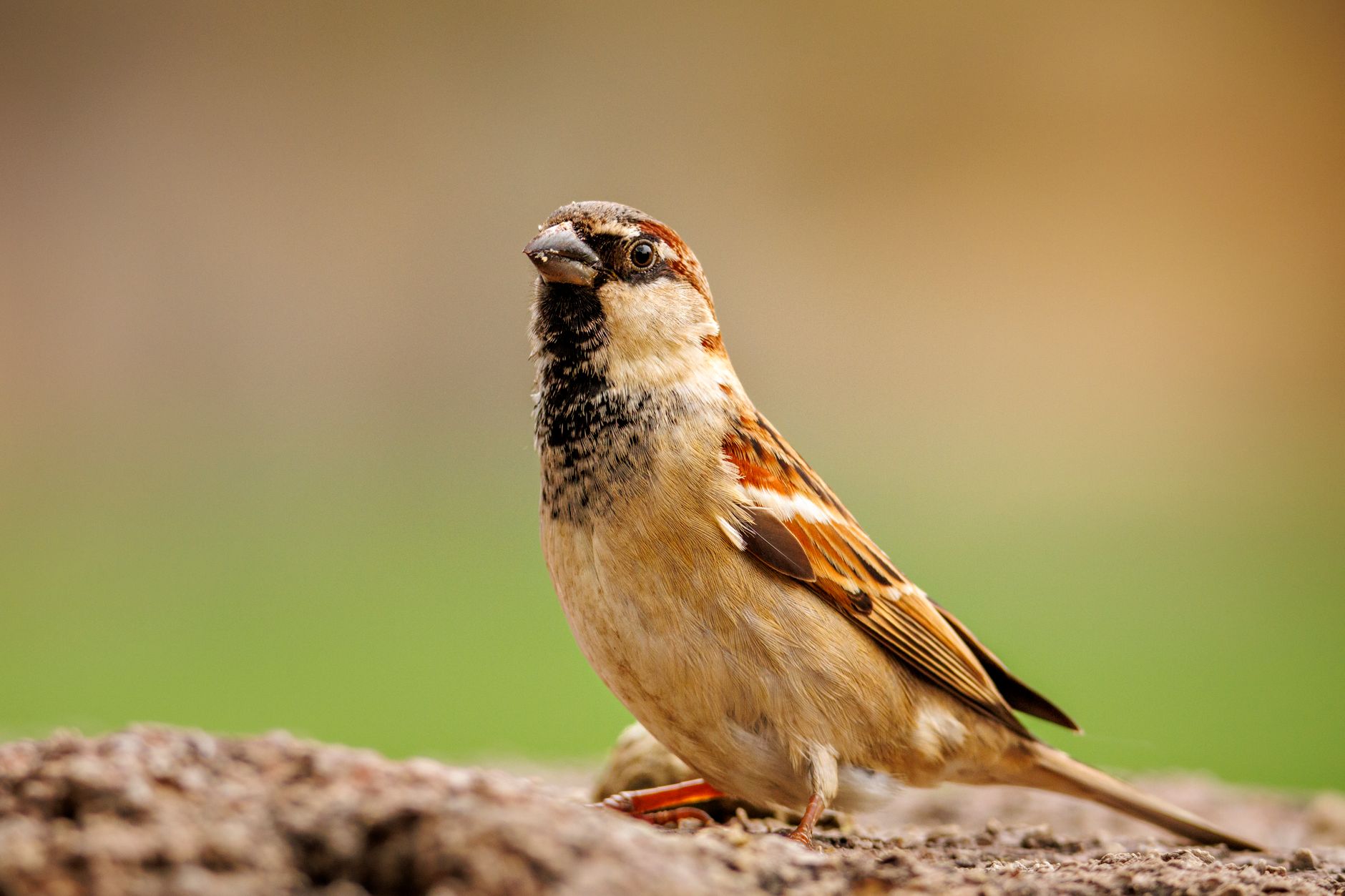
What is the Most Common Bird in the World?
The most common bird in the world, perhaps surprisingly, is the Red-billed Quelea, a small, seed-eating bird native to sub-Saharan Africa. Its enormous population dwarfs that of all other bird species.

The Astonishing Numbers of the Red-billed Quelea
When considering “What is the most common bird in the world?,” the Red-billed Quelea demands immediate attention. Forget sparrows or pigeons – the estimated global population of these tiny finches is a staggering 1.5 billion individuals. This immense number surpasses that of any other avian species by a wide margin, making it the undeniable champion of avian abundance. Their vast numbers have significant ecological and economic implications, often casting them as both a marvel of nature and a pest to agriculture.
Quelea Biology and Habitat

The Red-billed Quelea (Quelea quelea) is a small bird, typically measuring around 12 cm in length and weighing between 15 and 20 grams. Its plumage varies with sex and breeding season, but generally features brown and white feathers, with a distinctive red bill. Males exhibit a vibrant breeding plumage, including a black mask and a red or yellowish head. This adaptability in plumage contributes to their success in various environments.
These birds thrive in sub-Saharan Africa, inhabiting a range of habitats, including grasslands, savannas, and cultivated lands. Their preference for seed-rich environments directly ties into their role as agricultural pests. The vast flocks are highly nomadic, following seasonal rainfall patterns and seed availability. This nomadic behavior is crucial to their survival and dispersal, allowing them to exploit resources across a broad geographical area.
Breeding and Social Behavior
Queleas are highly social birds, forming massive flocks that can number in the millions. Their breeding behavior is equally impressive, with colonies consisting of thousands or even millions of nests. These colonies are often located in acacia trees or other thorny vegetation, providing protection from predators. The breeding season typically coincides with the rainy season, ensuring an ample food supply for chicks.
The sheer scale of their breeding colonies is a key factor in their overall population size. Each female can lay multiple clutches of eggs per season, contributing to rapid population growth. The coordinated behavior of the flock provides protection from predators and allows for efficient foraging.
Ecological and Economic Impact
While fascinating from an ecological standpoint, the Red-billed Quelea poses significant challenges to agriculture. The vast flocks can decimate crops, particularly cereal grains, causing substantial economic losses for farmers. In many regions, they are considered the most significant avian pest.
Attempts to control their populations have met with varying degrees of success, often involving controversial methods such as aerial spraying with avicides. However, the scale of the problem and the bird’s adaptability make complete eradication virtually impossible. Sustainable solutions, such as habitat management and integrated pest management strategies, are increasingly recognized as more effective and environmentally responsible approaches.
Comparing Quelea Population to Other Common Birds
To truly grasp the scale of the Red-billed Quelea population, it is helpful to compare it to other well-known and widespread bird species.
| Bird Species | Estimated Global Population |
|---|---|
| Red-billed Quelea | ~1.5 billion |
| House Sparrow | ~1.6 billion |
| European Starling | ~300 million |
| American Robin | ~310 million |
| Barn Swallow | ~190 million |
As the table clearly demonstrates, even commonly encountered species like the House Sparrow, European Starling, and American Robin pale in comparison to the sheer abundance of the Red-billed Quelea. The house sparrow and the Red-billed Quelea are comparable in global population.
The Future of the Red-billed Quelea
The future of the Red-billed Quelea population is intricately linked to factors such as climate change, habitat loss, and agricultural practices. Changes in rainfall patterns and temperature could alter the distribution and abundance of their food sources, impacting their survival and reproduction. Sustainable land management practices that balance agricultural productivity with conservation efforts are crucial for mitigating the negative impacts on both the birds and the livelihoods of farmers. Continued research and monitoring are essential for understanding the long-term trends in Quelea populations and developing effective management strategies.

Frequently Asked Questions (FAQs)
What specifically makes the Red-billed Quelea the most common bird?
The Red-billed Quelea’s massive population size, estimated at around 1.5 billion, is the primary reason it holds the title. This number dwarfs that of most other bird species, giving it a clear advantage in terms of sheer abundance. Its ability to thrive in various habitats and its high reproductive rate also contribute to its widespread presence.
Where can I find Red-billed Queleas?
Red-billed Queleas are native to sub-Saharan Africa. They inhabit a wide range of environments, including grasslands, savannas, and cultivated lands, following seasonal rainfall patterns and seed availability. They are rarely found outside of this region.
Why is the Red-billed Quelea considered a pest?
The sheer size of their flocks can cause significant damage to agricultural crops, particularly cereal grains. These birds can decimate fields in a matter of hours, leading to substantial economic losses for farmers, hence their categorization as a pest.
How do farmers try to control Red-billed Quelea populations?
Various methods are used, ranging from traditional scaring tactics to more aggressive approaches such as aerial spraying with avicides. Integrated pest management strategies, focusing on habitat management and biological control, are gaining traction as more sustainable alternatives.
Are Red-billed Queleas endangered?
Despite being considered a pest, Red-billed Queleas are not endangered. Their population is vast and relatively stable, although it faces threats from habitat loss and control measures. The species is currently classified as “Least Concern” by the International Union for Conservation of Nature (IUCN).
What do Red-billed Queleas eat?
Seeds are the primary component of their diet, particularly those of cereal grains and grasses. They also consume insects, especially during the breeding season, to provide protein for their young.
How long do Red-billed Queleas live?
The average lifespan of a Red-billed Quelea in the wild is relatively short, typically around 2-3 years. Factors such as predation, disease, and food availability influence their survival rates.
What predators do Red-billed Queleas have?
Red-billed Queleas are preyed upon by a variety of birds of prey, snakes, and mammals. The massive flocks offer some protection through sheer numbers, but they are still vulnerable to predation.
How do Red-billed Queleas communicate?
These birds communicate through a variety of vocalizations, including chirps, trills, and whistles. They also use visual displays, such as wing flapping and plumage changes, to signal intent and maintain flock cohesion.
What is the scientific name for the Red-billed Quelea?
The scientific name for the Red-billed Quelea is Quelea quelea. This binomial nomenclature is used universally to identify and classify the species.
How does climate change affect Red-billed Queleas?
Climate change can significantly impact their food availability and habitat suitability. Altered rainfall patterns can disrupt seed production and create unfavorable breeding conditions, potentially affecting their population size and distribution.
What conservation efforts are in place for Red-billed Queleas?
While not specifically targeted, conservation efforts focused on maintaining healthy ecosystems and promoting sustainable agricultural practices can indirectly benefit Red-billed Queleas. Integrated pest management strategies that minimize the use of harmful chemicals are also crucial for protecting these birds and the broader environment. Understanding What is the most common bird in the world and how human actions impact it is critical for sustainable coexistence.