

What is the Most Aggressive Tiger Ever?
The title of most aggressive tiger ever is a complex one, defying easy categorization. While pinpointing a single “most aggressive” individual is impossible due to limited data and inconsistent historical records, this article explores legendary man-eaters and the factors that contribute to tigrine aggression, helping to understand what truly defines a most aggressive tiger.

Understanding Tigrine Aggression: Beyond the Myths
Aggression in tigers, like in any animal, is a multifaceted behavior. It’s influenced by a combination of factors, including:
-
Environmental Stressors: Habitat loss, prey depletion, and human encroachment can significantly increase aggression. Tigers forced to compete for dwindling resources or defend shrinking territories are more likely to exhibit aggressive behaviors.
-
Injury and Illness: A wounded or sick tiger may struggle to hunt its natural prey, leading it to target easier, albeit less desirable, food sources like livestock or even humans.
-
Learned Behavior: While aggression isn’t solely genetic, young tigers can learn aggressive behaviors from their mothers, particularly if the mother has had negative experiences with humans.
-
Territoriality: Tigers are fiercely territorial animals. They will defend their territory against intruders, whether they are other tigers or humans.
It’s crucial to remember that most tigers are not inherently aggressive towards humans. Attacks typically occur when tigers feel threatened, cornered, or desperate. Labeling a tiger as simply “aggressive” without understanding the context is an oversimplification. We can examine historical data and anecdotal evidence to identify tigers known for unusually high levels of aggression towards humans.
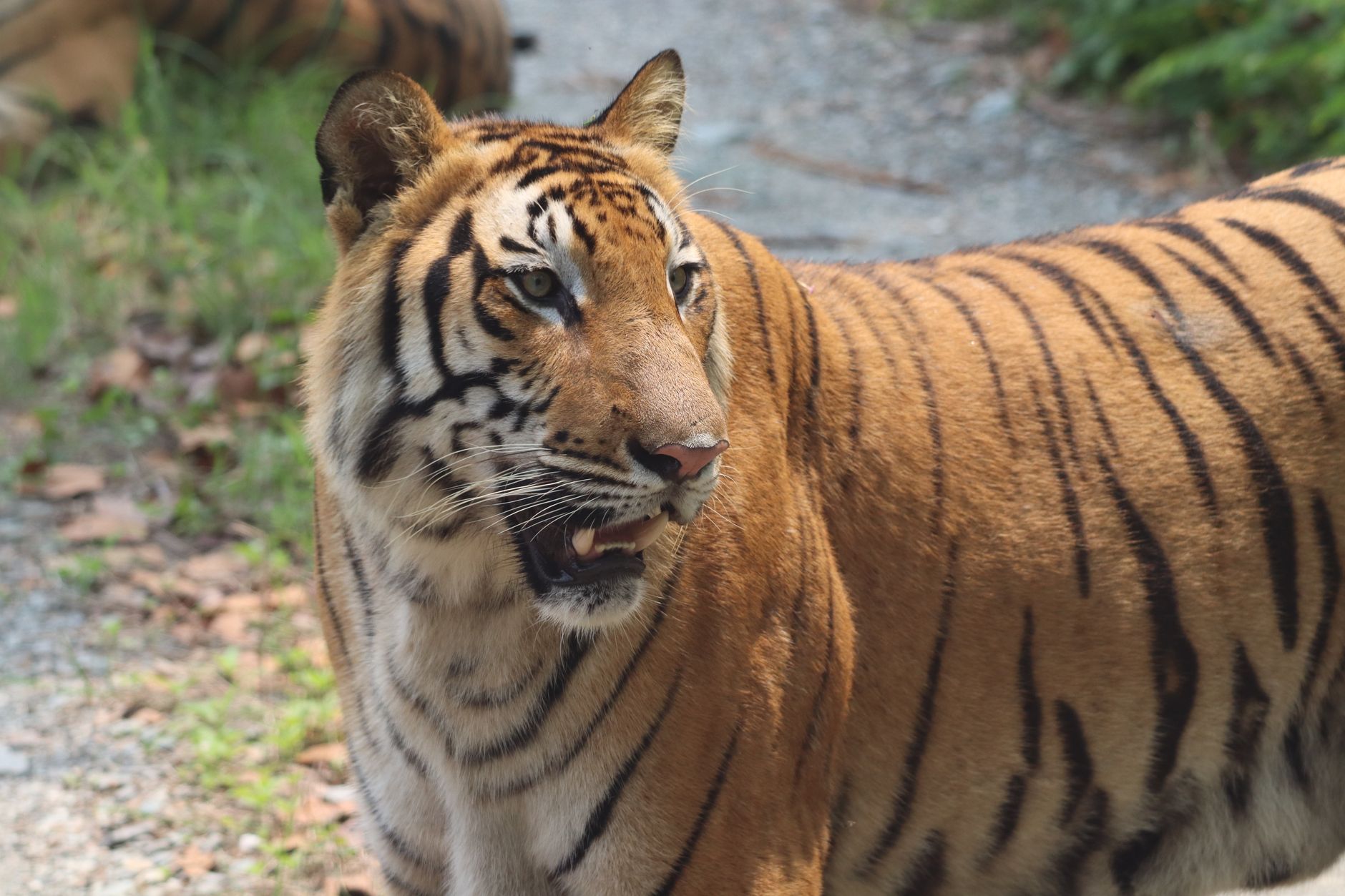
Infamous Man-Eaters: Legends of Terror

While pinpointing a definitive “most aggressive” is challenging, several tigers have become infamous for their repeated attacks on humans, earning them notoriety and fear. These include:
-
The Champawat Tigress: Responsible for an estimated 436 deaths in Nepal and India in the early 20th century, she holds the Guinness World Record for the most human deaths attributed to a single tiger.
-
The Panar Tigress: Killed approximately 400 people in the Kumaon region of India before being hunted down.
-
The Thak Man-Eater: Terrorized the region of Nepal for years and was known for her clever and elusive hunting tactics.
-
The Chowgarh Tigers: A tigress and her sub-adult cub who were responsible for around 64 deaths in India. This duo’s aggression may have stemmed from an inability to hunt larger prey effectively.
These tigers were not inherently bloodthirsty. In most cases, circumstances drove them to prey on humans, such as old age, injury, or loss of habitat. However, the scale of their attacks and the terror they inspired led to their classification as unusually aggressive.
Measuring Aggression: A Difficult Task
Trying to definitively measure the aggression of a tiger is inherently difficult. Key challenges include:
-
Limited Data: Accurate historical records of tiger attacks are often lacking, making it difficult to assess the true extent of their aggression.
-
Subjectivity: Defining “aggression” can be subjective. Is it based solely on the number of attacks, or does it also consider the circumstances surrounding those attacks?
-
Changing Environments: The context of tiger aggression has changed significantly over time. Habitat loss and human encroachment have increased the likelihood of human-tiger conflict.
Despite these challenges, we can still learn from the past and understand the factors that contribute to tigrine aggression. This knowledge is crucial for implementing effective conservation strategies and minimizing human-tiger conflict in the future.
Conservation Efforts: Reducing Aggression Through Prevention
The best way to reduce tiger aggression is through proactive conservation efforts. These include:
-
Habitat Preservation: Protecting and restoring tiger habitats is essential for ensuring that tigers have access to sufficient prey and space.
-
Anti-Poaching Measures: Preventing poaching of tigers and their prey is crucial for maintaining healthy tiger populations and reducing competition for resources.
-
Human-Wildlife Conflict Mitigation: Implementing strategies to minimize human-tiger conflict, such as livestock guarding programs and community education, can help reduce the risk of attacks.
-
Translocation Programs: Moving tigers from areas with high human population density to protected areas can help reduce conflict.
By addressing the root causes of tigrine aggression, we can help ensure the survival of these magnificent animals and minimize the risk of human-tiger conflict.
Comparing Man-Eating Tigers:
| Tiger Name | Estimated Human Deaths | Location | Possible Cause of Aggression |
|---|---|---|---|
| :———————- | :———————- | :———— | :————————— |
| Champawat Tigress | ~436 | Nepal & India | Unknown |
| Panar Tigress | ~400 | India | Unknown |
| Thak Man-Eater | Unknown | Nepal | Unknown |
| Chowgarh Tigers (pair) | ~64 | India | Injury or inability to hunt larger prey |
Frequently Asked Questions (FAQs)
What factors contribute to a tiger becoming a man-eater?
Man-eating behavior in tigers is rarely due to inherent aggression. It’s more often a consequence of environmental pressures, injuries, or difficulties obtaining their natural prey. Loss of habitat, depletion of prey populations due to poaching, old age, or injuries that hinder hunting abilities can all lead a tiger to see humans as an easier target.
Is there a specific tiger subspecies that is more prone to aggression?
There is no definitive evidence to suggest that one subspecies of tiger is inherently more aggressive than another. Aggression is more closely linked to individual circumstances and environmental factors rather than subspecies. The same factors that make any tiger prone to attacking humans, such as injury or habitat loss, will similarly affect all subspecies.
How do conservation efforts help prevent tiger attacks on humans?
Conservation efforts address the root causes of human-tiger conflict. By preserving and restoring tiger habitats, maintaining healthy prey populations, and mitigating human-wildlife conflict through strategies like livestock guarding, these efforts reduce the likelihood that tigers will see humans as a food source or feel threatened by human presence.
Can a tiger’s past experiences influence its level of aggression?
Yes, a tiger’s past experiences can significantly influence its behavior. If a tiger has had negative encounters with humans, such as being shot at or trapped, it may become more wary and aggressive towards humans in the future. Similarly, a tigress may teach her cubs aggressive behavior towards humans if she has had negative experiences.
Are there specific seasons when tiger attacks are more likely to occur?
While there’s no hard and fast rule, tiger attacks might be more frequent during certain seasons. For example, during the monsoon season in some regions, prey animals may become more dispersed and harder to hunt, potentially increasing the likelihood of tigers encountering humans. Also, habitat fragmentation often pushes both humans and tigers into closer proximity during certain times of the year.
What role does territory play in tigrine aggression?
Tigers are fiercely territorial animals, and they will defend their territory against intruders. This territorial behavior can lead to aggression towards both other tigers and humans who stray into their territory. Territorial disputes are a common cause of tiger attacks, especially when resources are scarce.
How does human encroachment affect tiger behavior?
Human encroachment, or the expansion of human settlements and activities into tiger habitats, puts significant stress on tigers. It reduces their access to prey, fragments their territories, and increases the likelihood of encounters with humans. This can lead to increased aggression and conflict.
What should you do if you encounter a tiger in the wild?
If you encounter a tiger in the wild, the most important thing is to remain calm and avoid running. Back away slowly while facing the tiger and try to make yourself look as large as possible. Speak in a calm, firm voice and avoid direct eye contact. Do not turn your back on the tiger or make sudden movements. Report the sighting to local authorities.
Can a tiger be rehabilitated after attacking humans?
Rehabilitating a tiger that has attacked humans is extremely challenging and rarely successful. The tiger may have learned to associate humans with food, making it difficult to reintroduce it to the wild without posing a continued risk. In most cases, such tigers are kept in captivity for the remainder of their lives.
How has our understanding of tigrine aggression changed over time?
Historically, tigers were often portrayed as inherently bloodthirsty creatures. However, our understanding of tigrine aggression has evolved significantly over time. We now recognize that most tiger attacks are driven by environmental factors, injury, or learned behavior, rather than an innate desire to kill humans.
What are some common misconceptions about tiger behavior?
One common misconception is that all tigers are dangerous to humans. In reality, most tigers avoid human contact whenever possible. Another misconception is that tigers are always actively hunting. Tigers spend most of their time resting and conserving energy, only hunting when they are hungry.
What is the future of human-tiger coexistence?
The future of human-tiger coexistence depends on our ability to implement effective conservation strategies that address the root causes of human-tiger conflict. This requires a collaborative effort involving governments, conservation organizations, and local communities. By protecting tiger habitats, managing prey populations, and mitigating human-wildlife conflict, we can help ensure that humans and tigers can coexist peacefully. Trying to determine what is the most aggressive tiger ever is secondary to ensuring the survival of the species.