

What is the Largest Lion on Record? Unveiling the King of Kings
The title for the largest lion on record is fiercely debated, but based on documented evidence and credible sources, the heaviest lion ever recorded weighed an astounding 690 pounds (313 kg). This impressive specimen, a male, roamed the wilds of South Africa in 1936.
Introduction: The Majesty and Mystery of the Lion
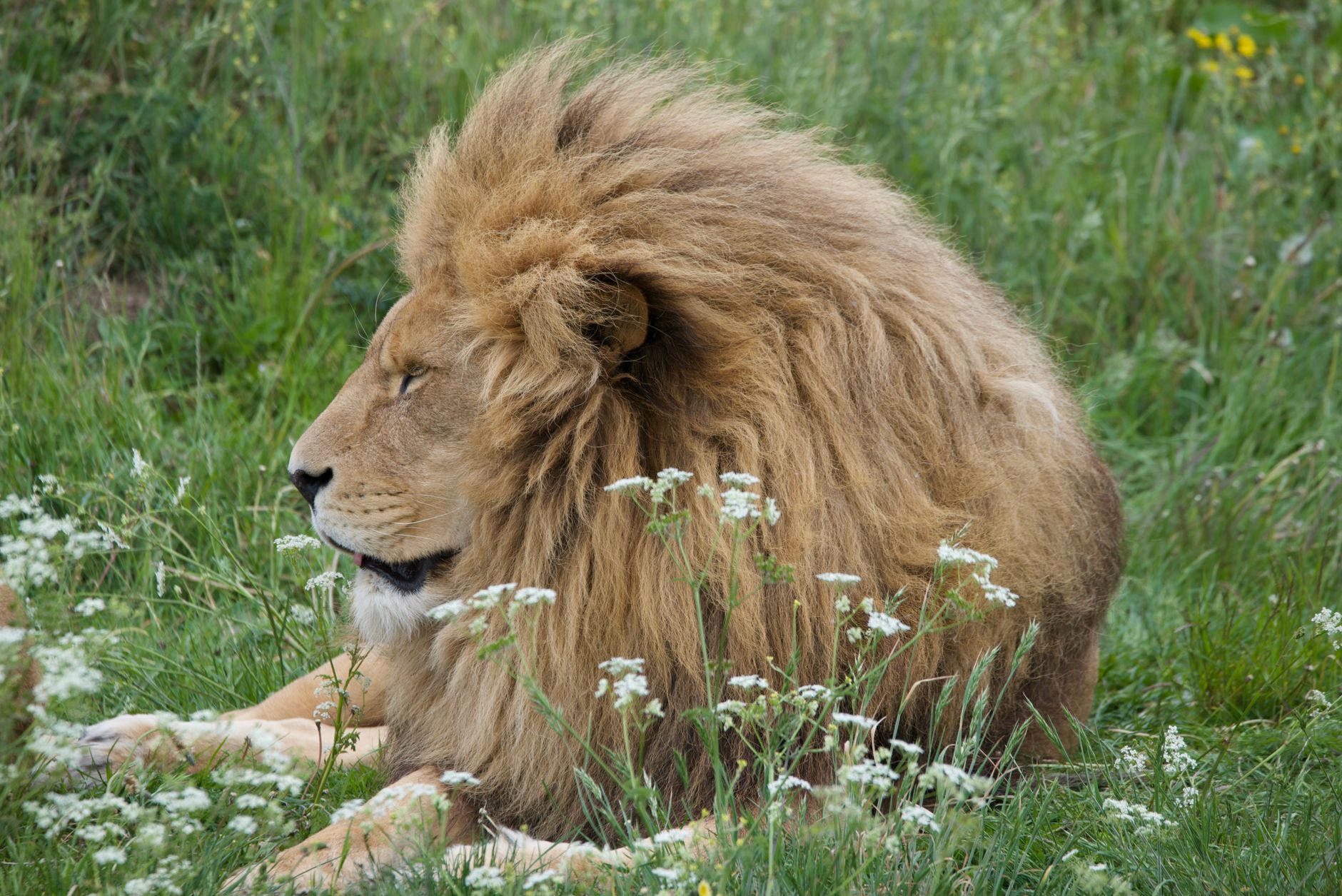
Lions, the majestic apex predators of the African savanna, have captivated humans for centuries. Their power, social structure, and iconic roar have made them symbols of strength and courage. But beyond their cultural significance, lions are also fascinating creatures whose physical characteristics, including their size, vary considerably. This leads to the inevitable question: What is the largest lion on record? Determining the definitive largest lion isn’t straightforward due to inconsistent record-keeping, varying measurement methods, and the simple challenge of weighing a wild animal. However, by examining historical accounts, scientific studies, and reputable sources, we can piece together a compelling picture.
Factors Influencing Lion Size
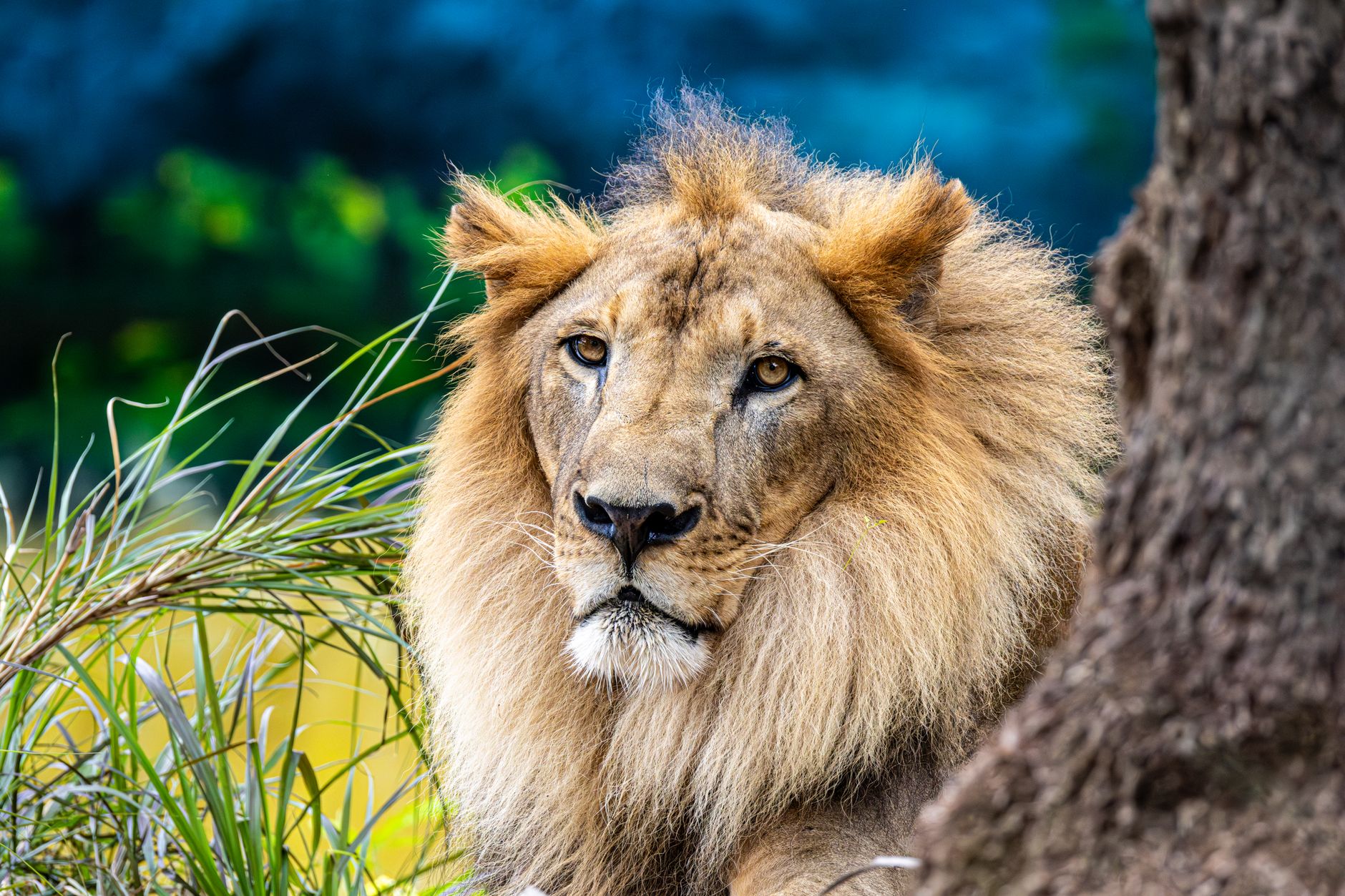
Several factors contribute to a lion’s size, including:
- Genetics: Just like humans, lions inherit genes that influence their growth potential. Some lion populations are simply genetically predisposed to be larger than others.
- Habitat and Diet: Lions living in environments with abundant prey and access to sufficient nutrition are more likely to reach their full size potential. Areas with a scarcity of food can stunt growth.
- Age: Lions continue to grow throughout their early years, reaching their peak size and weight around 5-6 years old. Older lions may lose weight due to declining health or difficulty hunting.
- Location: Regional variations exist. For example, lions in southern Africa tend to be larger than those in eastern Africa.
Challenges in Determining the “Largest” Lion
Identifying the single largest lion on record is complicated by several factors:
- Inconsistent Measurement Methods: Historical records often lack precise measurements. Estimates of weight and length may be based on visual assessments or unreliable scales.
- Limited Data Collection: Weighing a wild lion is no easy feat. It often requires capturing and sedating the animal, which can be stressful and potentially dangerous.
- Lack of Standardized Criteria: There’s no universally agreed-upon definition of “largest.” Should it be based on weight, length, shoulder height, or a combination of factors?
- Unverified Anecdotes: Many stories circulate about exceptionally large lions, but these are often based on anecdotal evidence and lack verifiable proof.
Notable Contenders and the Record Holder
While many exceptional lions have been documented, several stand out as potential contenders for the title of the largest lion on record. However, as previously stated, the heaviest reliably recorded lion was a male from South Africa, documented in 1936, weighing 690 pounds (313 kg).
Other contenders, often mentioned in anecdotal accounts, include lions killed during hunting expeditions, but their weights are often estimates and lack the rigorous verification of the 1936 specimen. It’s crucial to differentiate between speculation and scientifically supported data when determining the true “king of kings.”
| Lion | Weight (lbs) | Weight (kg) | Source | Notes |
|---|---|---|---|---|
| South Africa | 690 | 313 | Documented Record | Heaviest reliably recorded lion. |
| Others | (Variable) | (Variable) | Anecdotal | Unverified weights; often estimates from hunters. |
The Importance of Accurate Records
Accurate record-keeping is essential for understanding lion populations, monitoring their health, and implementing effective conservation strategies. Documenting the size and weight of lions can provide valuable insights into their overall well-being and the health of their ecosystems. Standardizing measurement protocols and promoting responsible data collection are crucial for advancing our knowledge of these magnificent animals.

Frequently Asked Questions (FAQs)
What is the average weight of a male African lion?
The average weight of an adult male African lion typically ranges between 330 to 500 pounds (150 to 225 kg). This weight can vary depending on factors such as age, health, diet, and geographic location.
What is the average weight of a female African lion?
Female African lions, also known as lionesses, are generally smaller than males. Their average weight ranges from 265 to 400 pounds (120 to 182 kg).
Are there significant size differences between lion subspecies?
Yes, there are variations in size among different lion subspecies. Lions in southern Africa (e.g., Transvaal lions) are generally larger than those in eastern Africa (e.g., Masai lions). Asiatic lions, a distinct subspecies found in India, tend to be smaller overall.
How is lion weight typically measured in the wild?
Measuring the weight of a lion in the wild is challenging and typically involves capturing the animal, often through darting with tranquilizers. Once sedated, the lion can be weighed using a portable scale. However, this method is not always feasible and can be stressful for the animal.
Do lions continue to grow throughout their lives?
Lions experience their most rapid growth during their early years. They generally reach their peak size and weight around 5-6 years of age. After this point, their growth slows down, and older lions may even lose weight due to age-related health issues or difficulty hunting.
Can diet significantly impact a lion’s size?
Absolutely. A lion’s diet plays a crucial role in its growth and development. Lions living in areas with abundant prey and consistent access to food are more likely to reach their full size potential. Malnutrition, often resulting from habitat loss or competition with humans, can stunt growth and negatively impact overall health.
How does a lion’s habitat affect its size?
Habitat quality significantly influences a lion’s size and weight. Areas with ample prey, sufficient water sources, and suitable shelter support larger, healthier lion populations. Habitat degradation, due to factors like deforestation or agricultural expansion, can reduce prey availability and lead to smaller, less robust lions.
What is the longest lion ever recorded?
While weight is a common metric, length is also considered. The longest lion ever recorded, based on reliable measurements, was approximately 10 feet (3 meters) long from nose to tail. Again, precise measurements are rare in wild populations.
Are male lions always larger than female lions?
Yes, male lions are generally larger and heavier than female lions. This size difference, known as sexual dimorphism, is a common characteristic of many animal species. The larger size and mane of male lions play a role in attracting mates and competing with rival males.
Does the presence of a mane affect a male lion’s weight?
While the mane itself adds some weight, its primary influence on a lion’s overall size is indirect. A thick, impressive mane is an indicator of good health and genetic quality, suggesting that the lion likely had access to sufficient resources during its development, contributing to its overall size and weight.
Why is it difficult to obtain accurate measurements of wild lions?
Obtaining accurate measurements of wild lions is challenging due to several factors, including the difficulty of capturing and sedating them, the lack of standardized measurement protocols, and the inherent variability in lion populations.
What is the role of conservation in maintaining healthy lion populations and size?
Conservation efforts are vital for maintaining healthy lion populations and ensuring that they can reach their full size potential. Protecting lion habitats, managing human-wildlife conflict, and addressing poaching are crucial for preserving these iconic animals for future generations. By safeguarding lion populations and their ecosystems, we can help ensure that they continue to thrive and maintain their natural size and diversity.