

What Is the Largest Crocodile Ever Found? Unveiling the Colossal Crocodylus porosus
The definitive answer to What is the largest crocodile ever found? points to Lolong, a saltwater crocodile (Crocodylus porosus) captured in the Philippines, who measured an astounding 20.24 feet (6.17 meters).
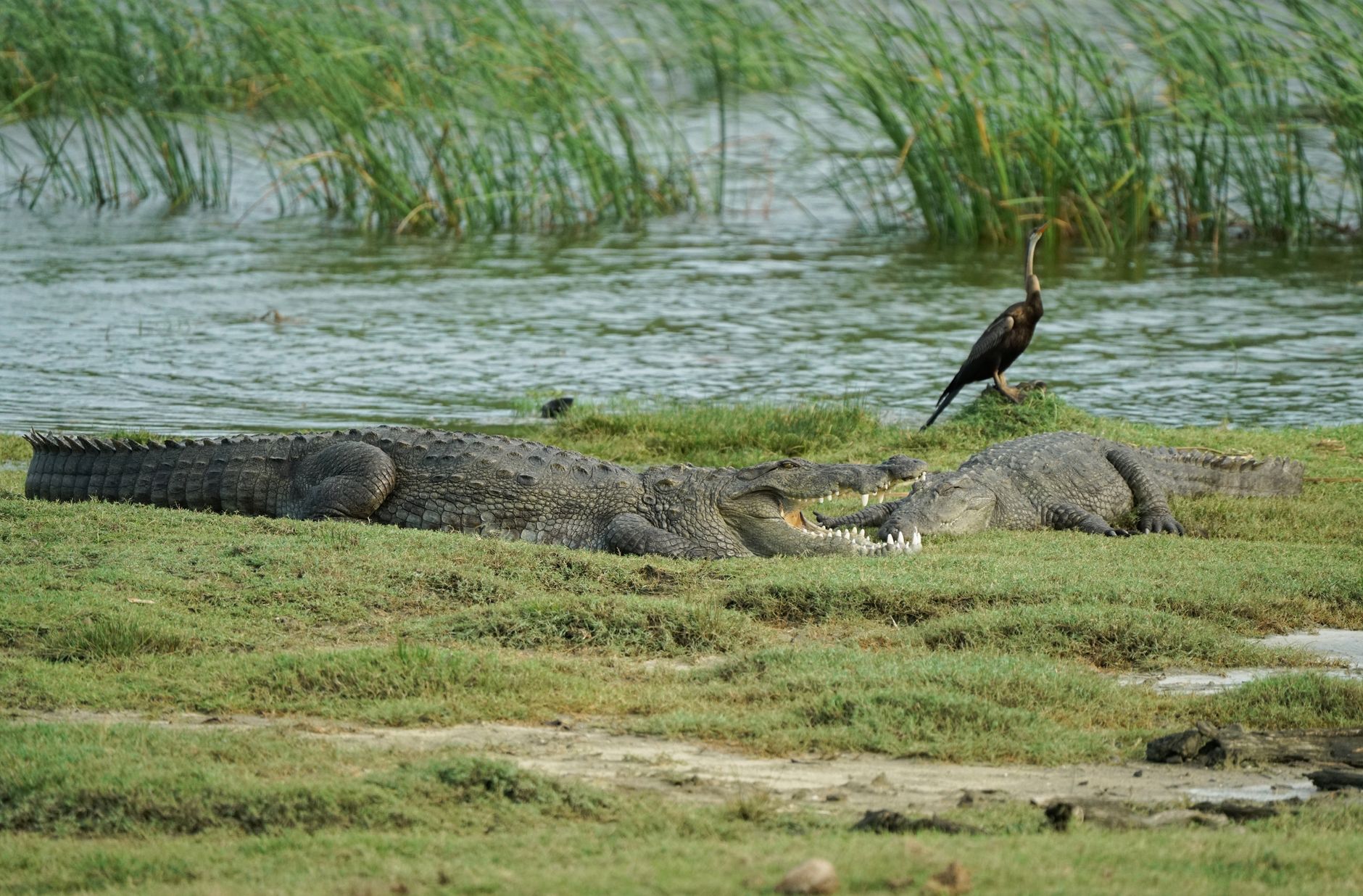
Unearthing the Giants: A History of Crocodile Records
For centuries, tales of monstrous crocodiles have echoed through coastal communities and swamplands. While precise measurements are often elusive, the allure of these apex predators and the stories of their incredible size continue to fascinate. Understanding the criteria used for measuring crocodiles and the challenges involved in confirming their size is crucial when discussing the largest specimens. Unverified reports often inflate crocodile sizes, making accurate data even more vital.
The Reign of Lolong: A Record-Breaking Reptile

Lolong, a Crocodylus porosus (saltwater crocodile), holds the Guinness World Record for the largest crocodile ever caught and kept in captivity. Captured in the Agusan del Sur province of the Philippines in 2011, Lolong became an instant sensation. His immense size quickly drew worldwide attention.
- Capture: Lolong’s capture was a significant undertaking, involving a team of experienced hunters and local residents.
- Measurements: Officially measured at 20.24 feet (6.17 meters), Lolong dwarfed most other crocodiles.
- Habitat: Prior to his capture, Lolong was suspected of being responsible for several attacks on humans and livestock.
Saltwater Crocodiles: Masters of Size and Power
Crocodylus porosus, the saltwater crocodile, is renowned for its impressive size and strength. Native to coastal regions and brackish waters of Southeast Asia, Australia, and India, these crocodiles are truly apex predators. Several factors contribute to their remarkable growth:
- Diet: Saltwater crocodiles have a diverse diet consisting of fish, crabs, snakes, water buffalo, and even sharks. This abundance of food supports rapid growth.
- Lifespan: Crocodiles, in general, have a long lifespan. They can grow for many years, gradually increasing in size and mass.
- Habitat: The vast and resource-rich habitats of saltwater crocodiles provide ample opportunities for them to thrive and reach exceptional sizes.
Measuring Crocodile Size: Methodology and Challenges
Accurately determining the size of a crocodile can be difficult, especially in the wild. Several methods are used:
- Total Length: This is the most common measurement, taken from the tip of the snout to the tip of the tail.
- Girth: Measuring the circumference of the crocodile’s body at its widest point provides an estimate of its overall mass.
- Weight: Estimating the weight of a large crocodile can be challenging, often requiring specialized equipment.
The challenges in measuring crocodile size include:
- Accessibility: Large crocodiles can be difficult to approach safely.
- Accuracy: Obtaining precise measurements requires specialized tools and skilled handlers.
- Distortion: Photographic evidence can be misleading, creating the illusion of greater size.
Other Contenders for the Title
While Lolong officially holds the record, stories of other potentially larger crocodiles persist. These accounts are often unconfirmed, relying on anecdotal evidence or incomplete measurements. Some examples include:
- Gustave: A massive crocodile rumored to inhabit the Ruzizi River and Lake Tanganyika in Burundi. Estimated to be over 18 feet long, but definitive measurements are lacking.
- Kalia: Another large crocodile in India, claimed to be over 23 feet long by some locals. However, this claim has not been verified by scientists.
- Numerous “monster croc” sightings: Around the world, reports of giant crocodiles often surface, but they frequently lack the concrete evidence needed for verification.
Conservation and the Future of Giant Crocodiles
The existence of giant crocodiles is a testament to the health and resilience of their ecosystems. However, habitat loss, hunting, and human-wildlife conflict threaten crocodile populations around the world. Conservation efforts are crucial to ensuring that these magnificent creatures continue to thrive for generations to come.
- Habitat Protection: Protecting critical crocodile habitats is essential for their survival.
- Community Engagement: Working with local communities to mitigate human-wildlife conflict is key to preventing retaliatory killings.
- Anti-Poaching Measures: Combating illegal hunting is vital for protecting crocodile populations.

Frequently Asked Questions (FAQs)
What exactly is a saltwater crocodile?
The saltwater crocodile (Crocodylus porosus) is a crocodilian native to brackish and freshwater habitats from eastern India, Southeast Asia, and northern Australia. It is distinguished as the largest living reptile and one of the world’s most dangerous predators.
How do crocodiles grow so large?
Crocodiles grow to incredible sizes due to a combination of factors. These include their long lifespans, allowing them to accumulate size over many years, their opportunistic and varied diets, providing ample nourishment, and favorable environmental conditions in their habitats, which supports robust growth.
Where are the largest crocodiles typically found?
The largest crocodiles are typically found in the coastal regions of Southeast Asia, northern Australia, and India. These areas offer suitable habitats and abundant food sources, contributing to the growth of impressive specimens.
Was Lolong truly the largest crocodile ever?
While Lolong holds the official record as the largest crocodile ever captured and kept in captivity, there are unconfirmed reports of even larger crocodiles existing in the wild. However, without definitive measurements, Lolong remains the reigning champion.
How was Lolong captured and cared for?
Lolong was captured using a combined effort of local hunters and experienced crocodile wranglers. Following his capture, he was housed in a specially constructed enclosure where he received regular feeding and veterinary care. His well-being was closely monitored during his time in captivity.
What happened to Lolong after his capture?
After his capture, Lolong became a popular tourist attraction in the Philippines. He was kept in a specially built enclosure where visitors could observe his impressive size. Lolong sadly passed away in 2013 due to pneumonia and complications from stress, but his legacy continues to inspire awe and respect for these magnificent creatures.
Are there any crocodiles larger than Lolong still alive today?
It is possible that there are crocodiles larger than Lolong living in the wild, as some unconfirmed reports and anecdotal evidence suggest. However, without concrete measurements and documentation, Lolong remains the largest officially recognized crocodile.
What are the threats facing large crocodiles in the wild?
Large crocodiles face several threats in the wild. These include habitat loss due to deforestation and coastal development, illegal hunting for their skin and meat, and conflict with humans when crocodiles attack livestock or people. Conservation efforts are crucial to mitigate these threats and protect crocodile populations.
How can we protect crocodile populations?
Protecting crocodile populations requires a multi-faceted approach. This includes preserving their habitats, implementing anti-poaching measures, engaging local communities in conservation efforts, and promoting sustainable tourism that benefits both crocodiles and people. Effective conservation strategies are essential to ensure the long-term survival of these magnificent creatures.
What is the difference between saltwater and freshwater crocodiles?
Saltwater crocodiles (Crocodylus porosus) are generally larger and more aggressive than freshwater crocodiles. They inhabit coastal regions and brackish waters, while freshwater crocodiles are found in rivers and lakes. Saltwater crocodiles also have a broader snout than freshwater crocodiles.
What role do crocodiles play in their ecosystems?
Crocodiles are apex predators and play a crucial role in maintaining the balance of their ecosystems. By controlling populations of fish, reptiles, and mammals, they help prevent overgrazing and maintain biodiversity. They are also scavengers, consuming carrion and keeping their environments clean.
What should I do if I encounter a crocodile in the wild?
If you encounter a crocodile in the wild, it is crucial to maintain a safe distance and avoid provoking the animal. Slowly back away and do not make sudden movements. Report the sighting to local authorities or wildlife officials. Always be aware of your surroundings and heed warning signs in areas where crocodiles are known to inhabit.